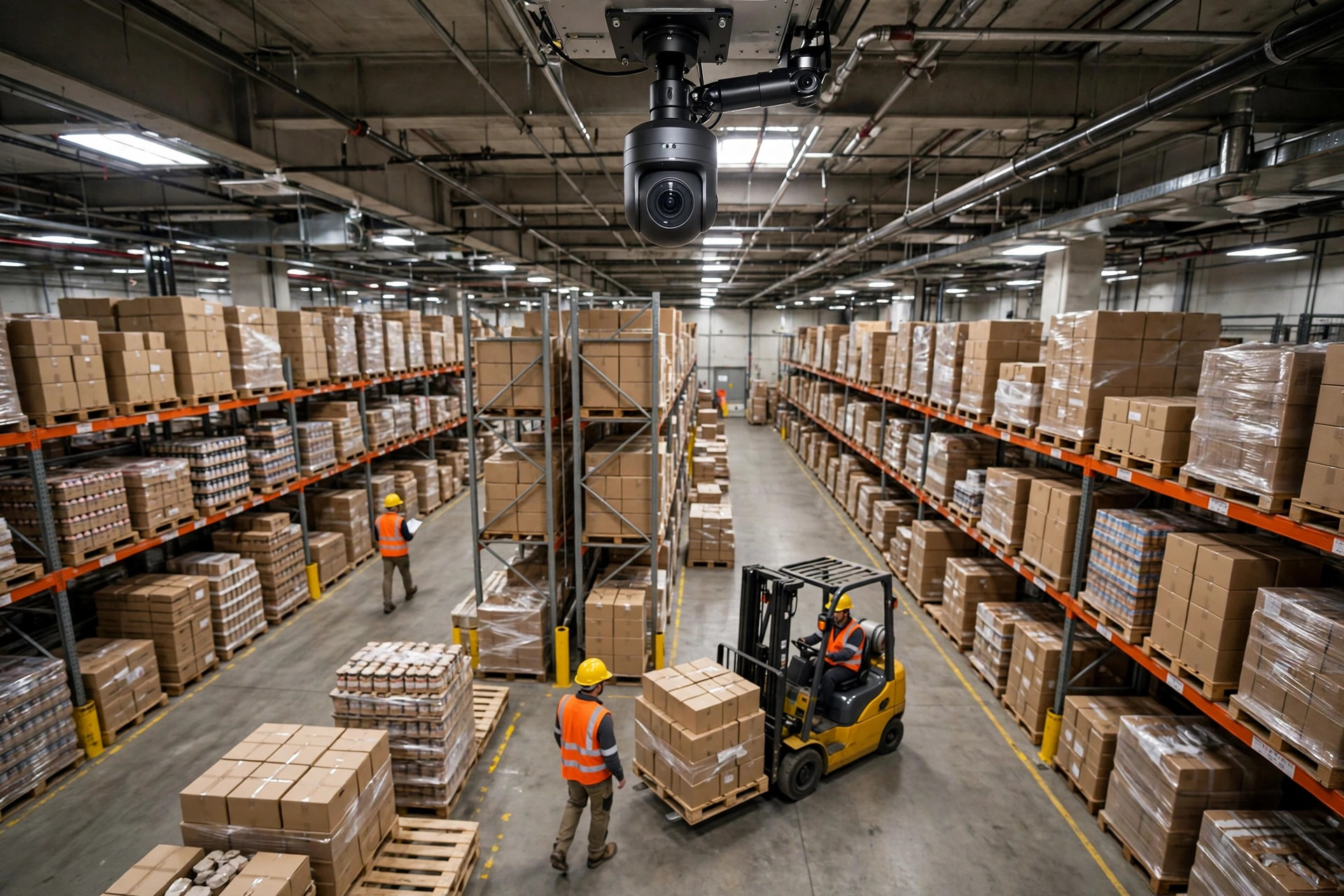
Let me tell you something. Last October I was dropping a load in Fontana, stuck waiting at the dock for close to an hour, and I watched a kid climb to the top level of a rack to grab a carton buried at the back. No harness, no lanyard, nothing. He was standing on a beam with half his body hanging out over the aisle, and my palms were sweating just watching him from the dock door.
I've been running trucks for fifteen years. I've seen the inside of more warehouses than I can count, and I know the drill: picking, cycle counts, relabeling, all of it sends somebody up high sooner or later. Warehouse fall protection for high rack work is one of those things nobody thinks about until the day it matters. So let me tell you two stories from the road, and then we'll talk about what actually works.
High Rack Work Has No "Close Enough"
That kid in Fontana came down fine. His supervisor yelled at him from the floor, and the kid just shrugged it off: "It was only two minutes." I've been hearing that line for years, and let me tell you, a fall doesn't care whether you were up there for two minutes or two hours. One second is all it takes.
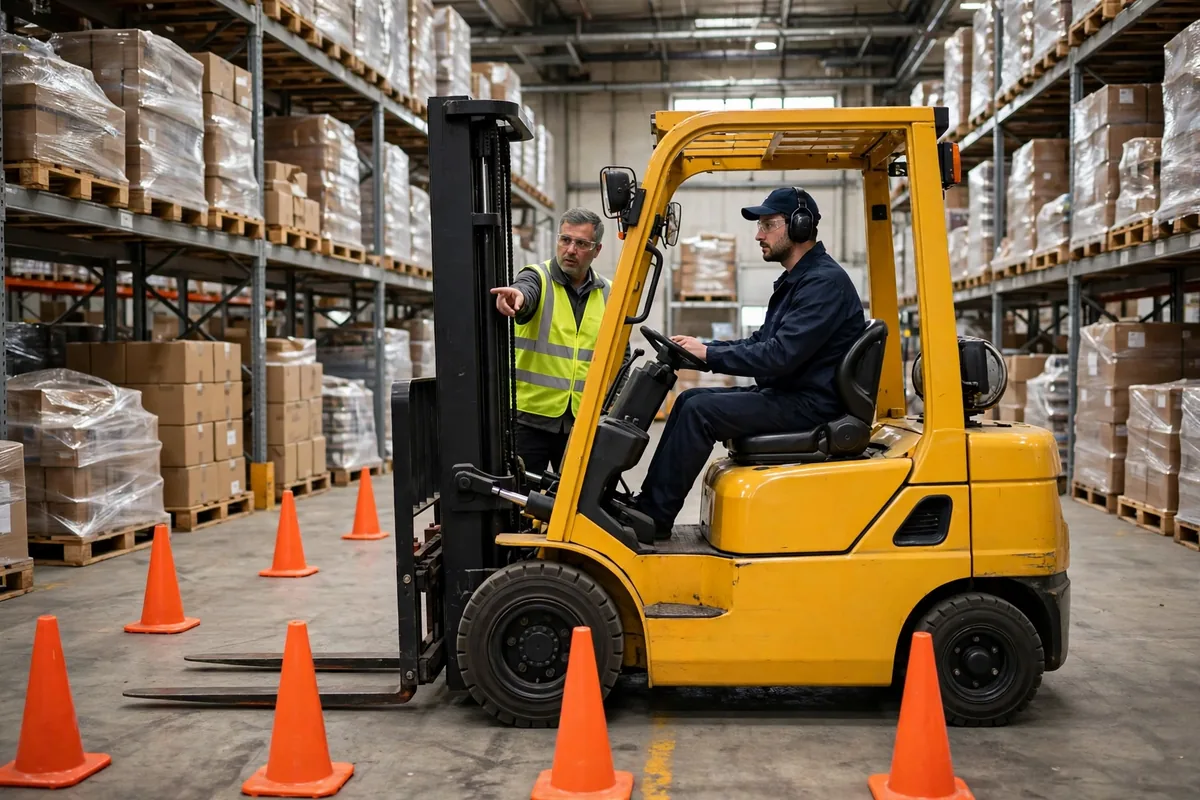
The other story comes from the summer of 2023, near Ontario. A dispatcher I know told me about a veteran in his warehouse, a guy with more than a decade on the floor. He wanted to save a trip, so he stood on the forks of a forklift to reach something up high. His foot slipped. He came down hard, broke his leg, and was out for the better part of six months. Medical bills, lost wages, the whole warehouse shut down for an investigation — the money added up, but the worst part was the man himself, sitting at home while his family worried. He told the dispatcher afterward that he'd done it a hundred times without a problem. It only took once.
Here's what those two stories tell me, and it's the part most people get backwards: the most dangerous height in a warehouse usually isn't the top level. It's the middle racks, ten or twelve feet up, the height that looks survivable. Up at the very top, people get careful. They move slow, they hold on with both hands. But at that middle height, the "it's not that high" height, people get casual. No harness, no tie-off point, one hand on the rack while they climb. A fall from there breaks bones just the same.
And here's the counterintuitive part that a lot of warehouse folks don't want to hear: wearing fall protection doesn't slow the job down. It speeds it up. A trained worker clips in in fifteen seconds. One fall shuts down a whole shift — ambulance, investigation, retraining, the works. You're trading fifteen seconds against half a day, maybe half a year. That's not a trade. That's a gamble with somebody else's legs.
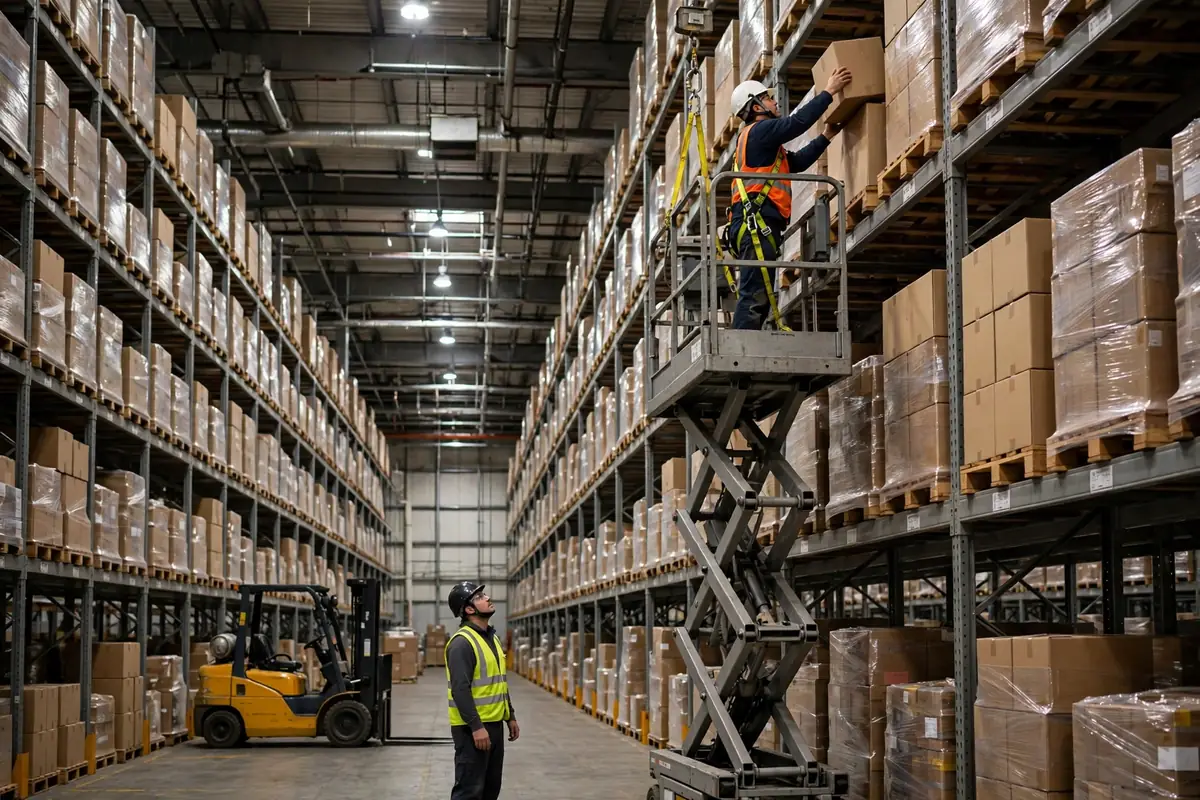
I've also seen it done right. Last winter in Chino, I was delivering while a crew swapped labels on the top level. The worker went up on a scissor lift, harness clipped to the lift's anchor point, another guy on the ground spotting him. Twenty minutes, job done, nobody climbed a beam, nobody touched a carton by hand from a ladder. I stood there watching and thought: that's how you work. Same job, same twenty minutes, and the difference in risk isn't even close. Fall protection isn't an extra step. It's a different way of doing the work.
What Warehouse Fall Protection Actually Costs
People hear "fall protection" and picture money flying out the door: harnesses, anchor points, training, lifts. Let me run the numbers with you. These are rough magnitudes, not quotes — check current pricing before you budget:
| What you're paying for | Rough magnitude | What it costs you if you skip it |
|---|---|---|
| Full-body harness and lanyard, one set | A few hundred dollars, lasts years | One fall runs into the tens of thousands in medical and lost time |
| Scissor lift rental, one day | A few hundred dollars | A worker standing on forklift forks is an accident waiting to happen |
| Half-day safety training, one crew | Low four figures | Workers who don't know where the anchor points are won't use the gear you bought |
| Half a day shut down after an incident | A whole crew's output gone, thousands of dollars | That doesn't count the investigation, the fixes, or the insurance hike |
Add it up and the whole setup costs less than a fraction of one accident. Shippers always think this is the warehouse's problem, not theirs. Let me tell you, the day somebody falls in your warehouse, your freight sits there while the whole place is shut down, and the orders you miss in peak season cost a whole lot more than a harness.
There's one more trade-off worth saying out loud: the best fall protection for high rack work is sometimes no fall protection at all — because nobody goes up. If a lift can reach it, use the lift. If a forklift can bring the whole pallet down to the floor first, do the work on the ground. The rule is simple. The farther a person is from the floor, the fewer options you have when something goes wrong. Keep people on the ground and every option is open.
What I'd Tell Shippers and Warehouses
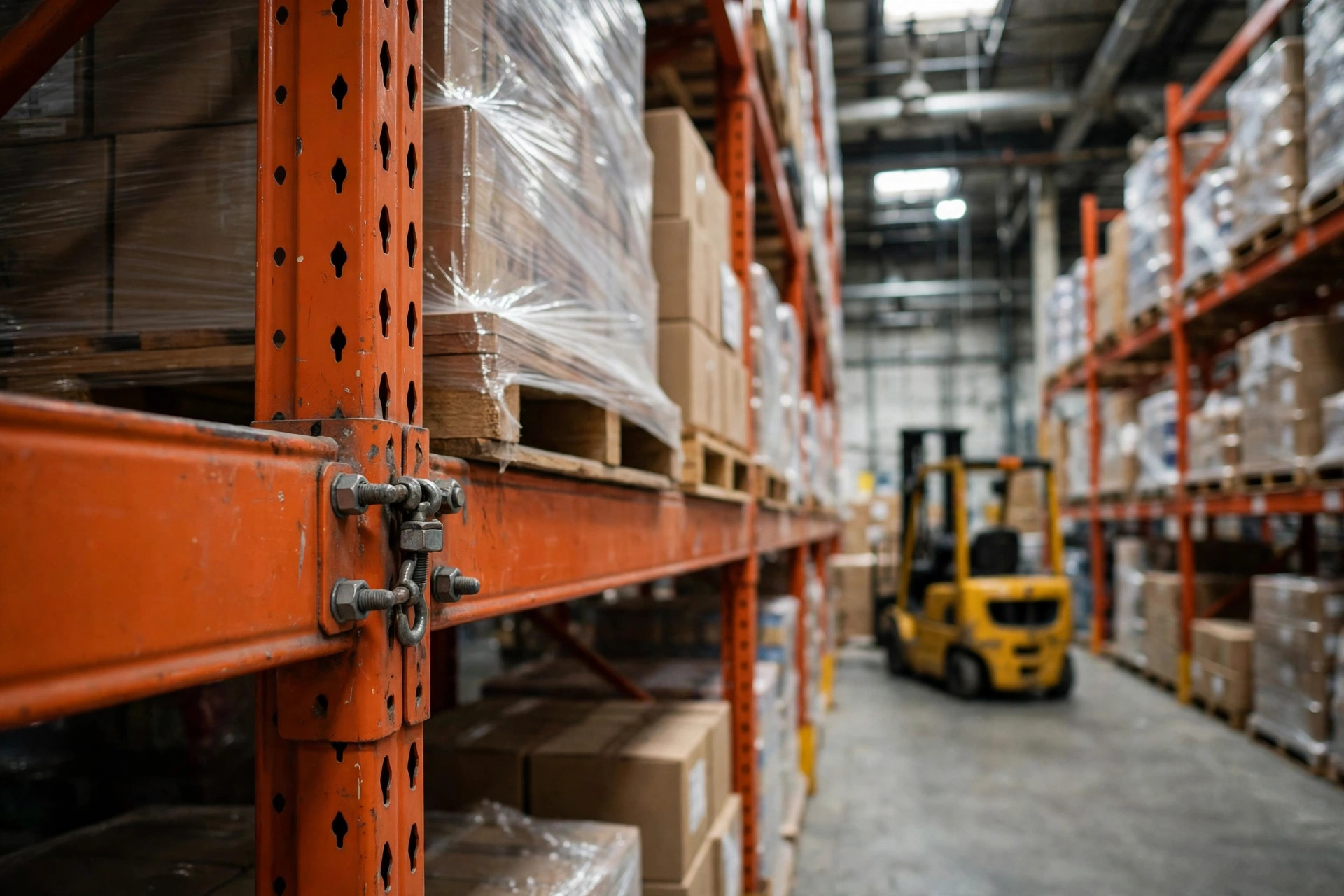
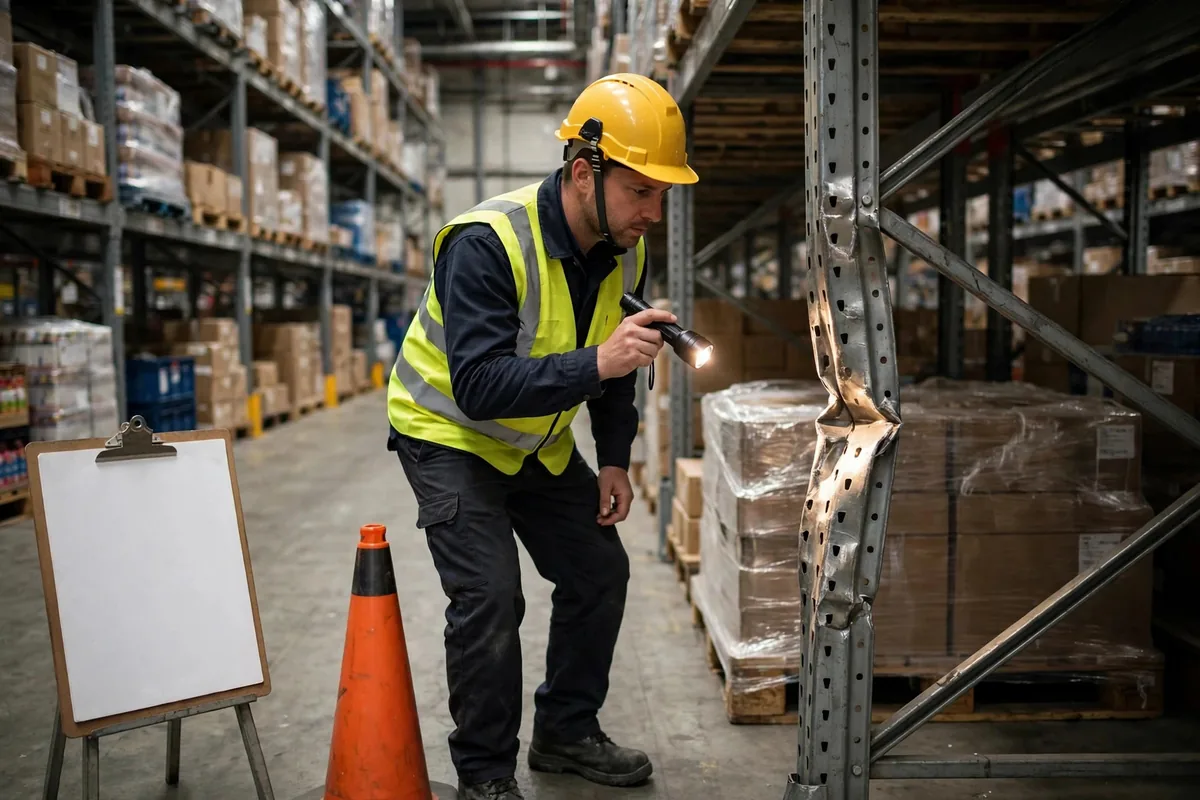
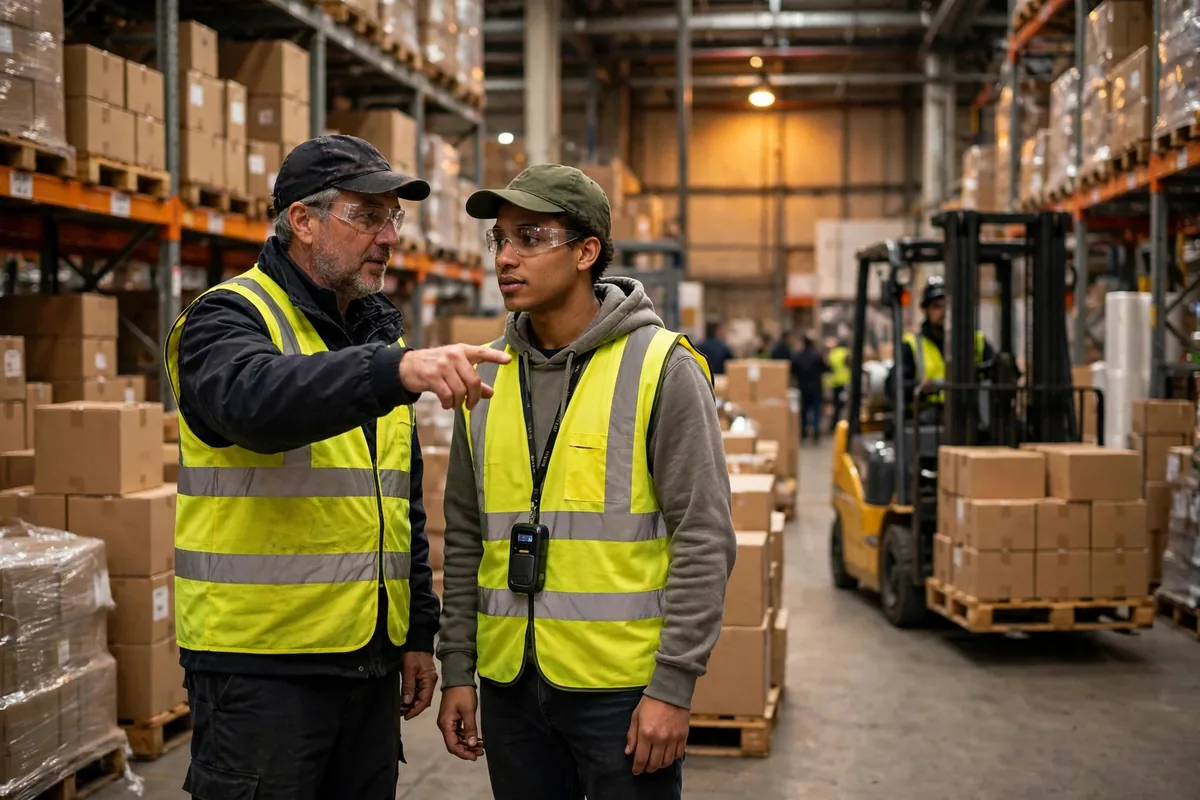
For warehouses, it's four things, and none of them are complicated. First, anchor points come before harnesses. A harness with nowhere to clip in is a decoration. Set the tie-off points over the top-level work zones before anybody climbs, and check them before the shift. Second, train people for real, not on paper. Half a day: how to put the harness on, where to clip, and when the answer is "you don't go up." New hires get trained before they touch a rack. Third, never send one person up alone. Somebody stays on the ground — handing things up, watching, and calling for help the second something goes wrong. Fourth, make it a hard rule: nobody stands on forklift forks, nobody uses a beam as a ladder. Break that rule and you stop work. No exceptions, no discussion.
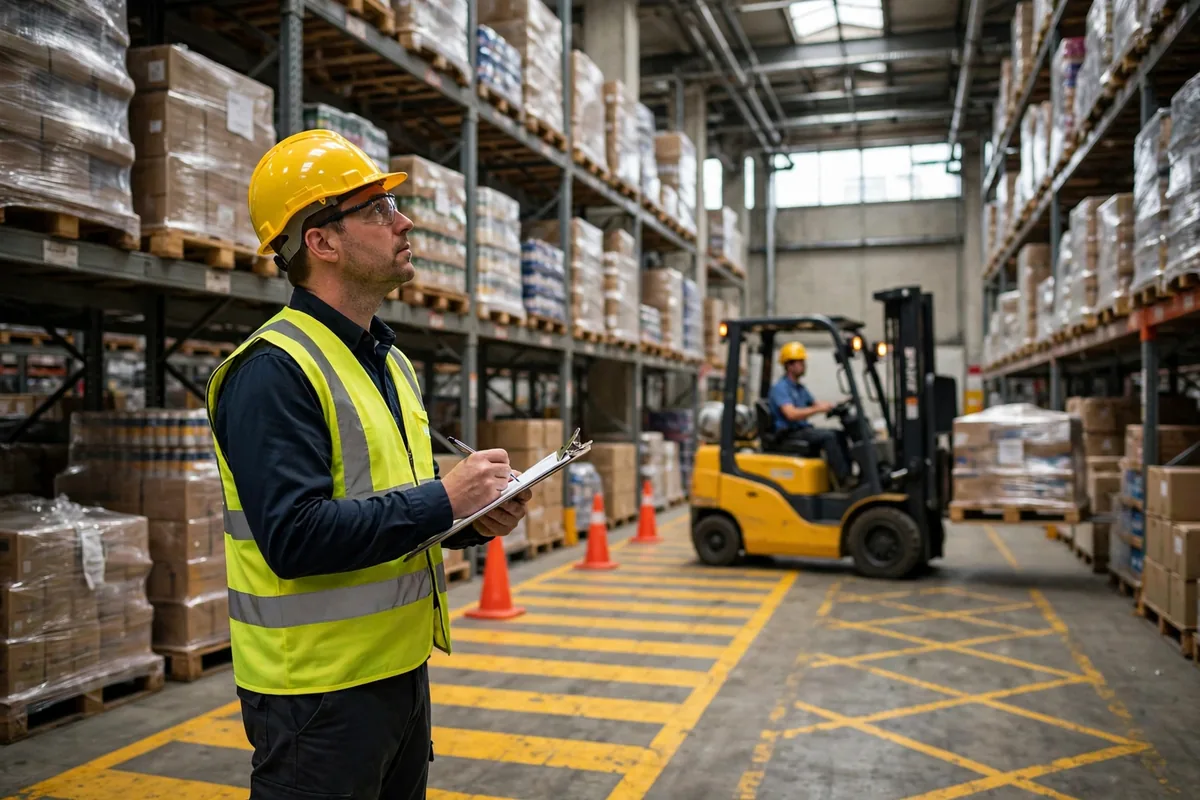
For shippers, my advice is even simpler. Next time you visit a warehouse, don't just check whether the inventory is accurate and the freight moves fast. Look up. Are the top-level workers clipped in? Is there a lift on the floor? Is somebody spotting from the ground? One look tells you whether that warehouse is serious or not. A warehouse that won't spend a few hundred dollars on fall protection is a warehouse I'd think twice about trusting with my freight. And put it on your warehouse audit checklist. Price matters, but a warehouse that fails on safety isn't cheap — it's expensive in a way that shows up later. The money you pay that warehouse every year, the fall protection share of it is a rounding error. Haggling over that is not worth it.
I'm a truck driver. High rack work isn't my trade, and I'll be the first to say so. But after fifteen years on the road, I've learned one thing: the most expensive thing in a warehouse isn't the equipment. It's the people. Somebody falls, and all the flow charts and the delivery schedules in the world don't mean a thing. There's an old saying where I come from: better slow by three minutes than fast by one second. Clip in, rent the lift, do the half-day of training properly. Do those three things and the top level takes care of itself.
By Shifu Zhao, Trucking Veteran (15 yrs)