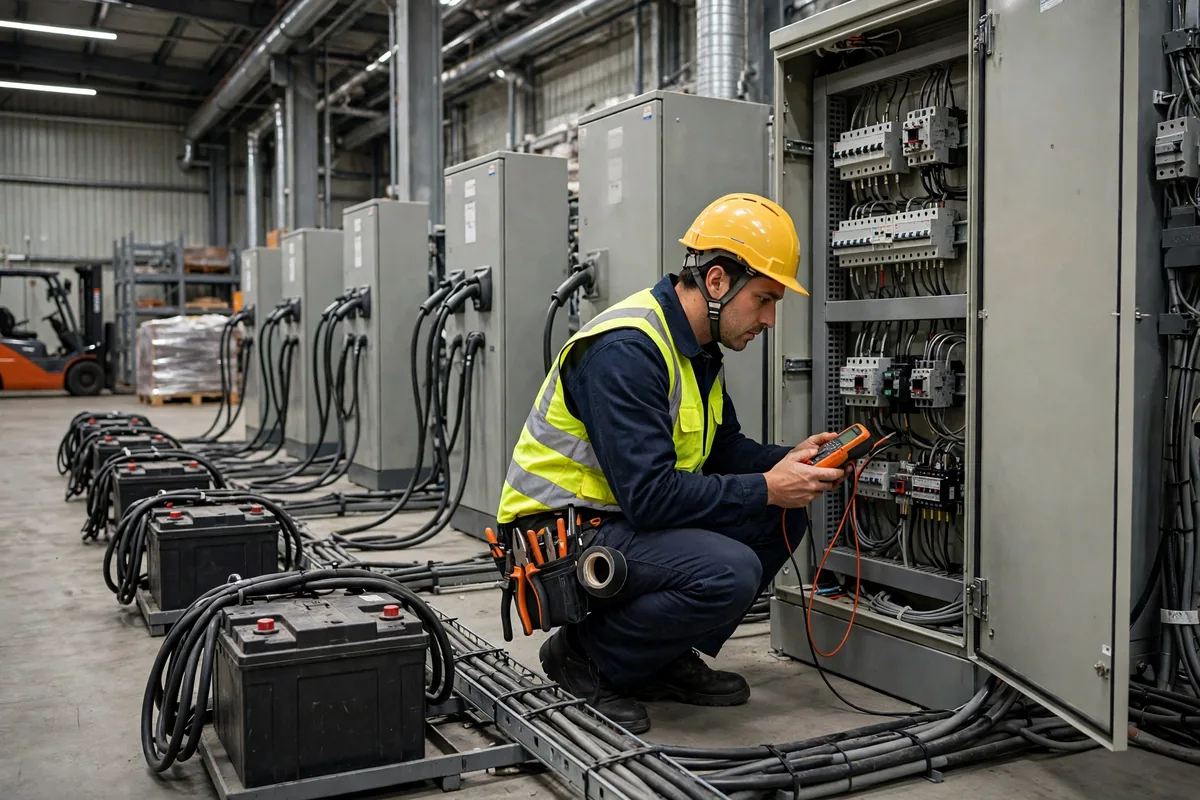
Warehouse electrical fire charging area safety is something I learned about at 2:30 one morning, when the night lead called me about a burning smell in the charging area. By the time I got there, the smell had faded. The forklifts were all plugged in, the indicator lights were green, everything looked normal. We checked the whole row and found it in the end — a loose connector on one charging cable. With the current running high overnight, that connector had been heating up for hours, and the plastic around it had gone soft.
Let me be straight with you. In a warehouse, the thing I fear most is not an open flame. It is heat that nobody notices. You can see a flame. You can smell it. Everyone shouts. Heat is different. It hides inside a cable connector, behind an electrical panel, in a corner stacked with cartons. It just keeps getting hotter, quietly, until it starts to smoke. By the time you smell it, you are usually already late.
Charging Area Safety Starts With a Single Cable
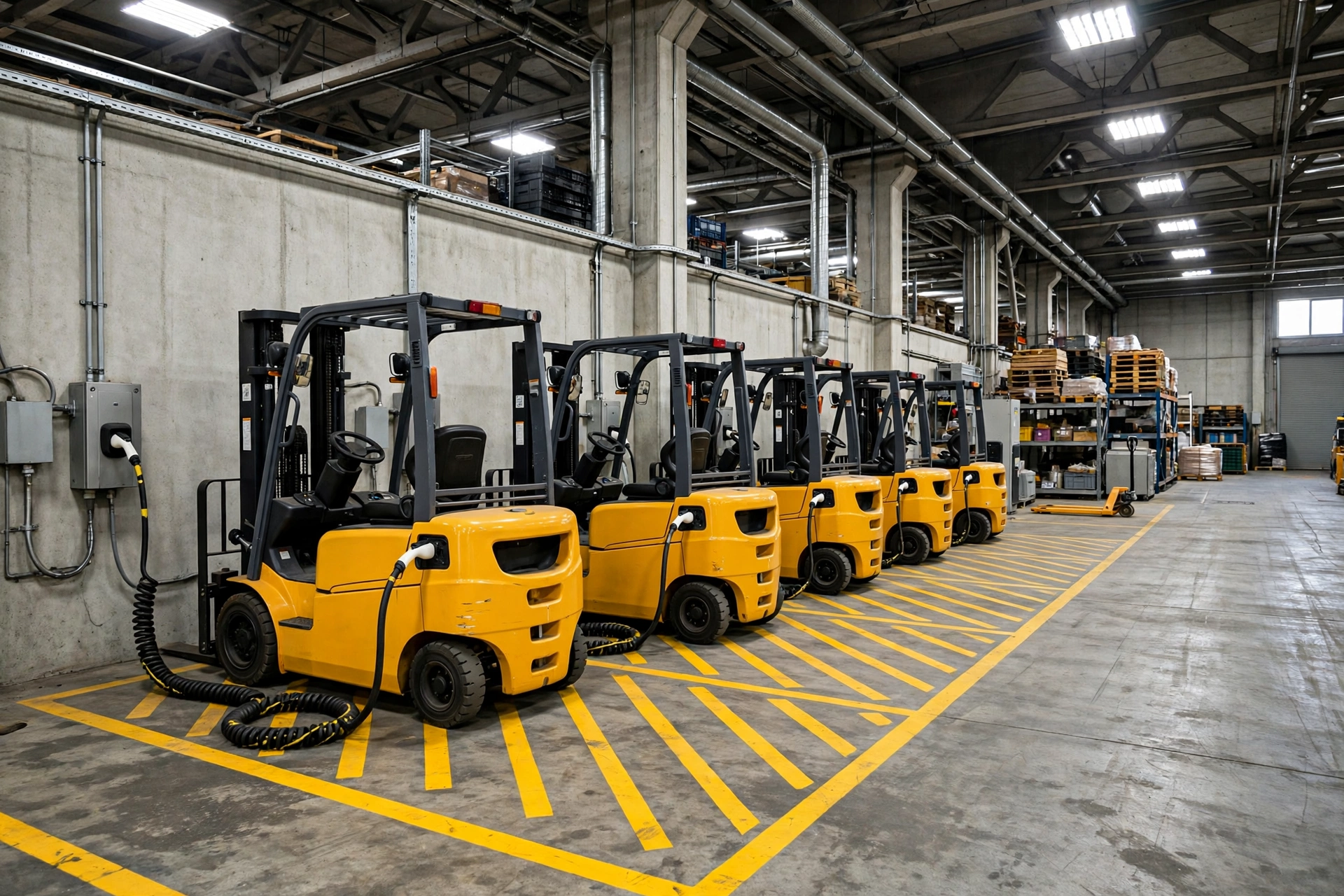
Folks, the charging area looks like nothing. Forklift charging, lithium battery charging, a whole row of trucks plugged in at once, current running through all of it. This is where warehouse electrical fire charging area safety is won or lost. During the day someone is around. At night? Night shift runs thin. Maybe one or two people near the charging area. If something goes wrong, nobody finds out fast.
Here is how we run it in our warehouse, and none of this is negotiable. First, charging happens in the marked charging area, nowhere else. Nobody drives a truck over to the racking or next to a stack of cartons and plugs in there. The charging area is marked on the floor, and no combustible material goes inside the lines. No pallets, no cartons, no shrink wrap. Not one piece. Second, cables do not lie on the floor where people walk on them and forklifts drive over them. A cracked cable jacket or a loose connector will not show itself to your eyes, but your hand will feel it. Our check is crude: once a week, while the trucks are charging, we run the back of a hand along each connector and cable. If it feels hot, that truck stops charging and the cable gets reported. Crude method. Works fine.
During peak season in 2023, a warehouse I know learned this the hard way. Three forklifts fast-charging overnight on one old cable, and the cable was undersized for the job, with a loose connector on top of it. Halfway through the night the connector caught fire. The night security guard smelled it and got it with an extinguisher before it spread. Afterward they worked out that cable had been in service for seven or eight years. A cable costs almost nothing. A fire costs everything.
Lithium batteries deserve their own word here. Most of the time they are perfectly fine. But when something goes wrong with one, it moves fast, and it does not give you much time to react. Someone has to be nearby while they charge. You do not plug one in and walk away. A finished battery gets unplugged promptly — it does not sit on the charger overnight. In our warehouse the charging area is a mandatory item at every shift handover: how many trucks are charging, which ones are done, whether any connector feels hot.
An Electrical Room Full of Cartons Is an Accident Waiting
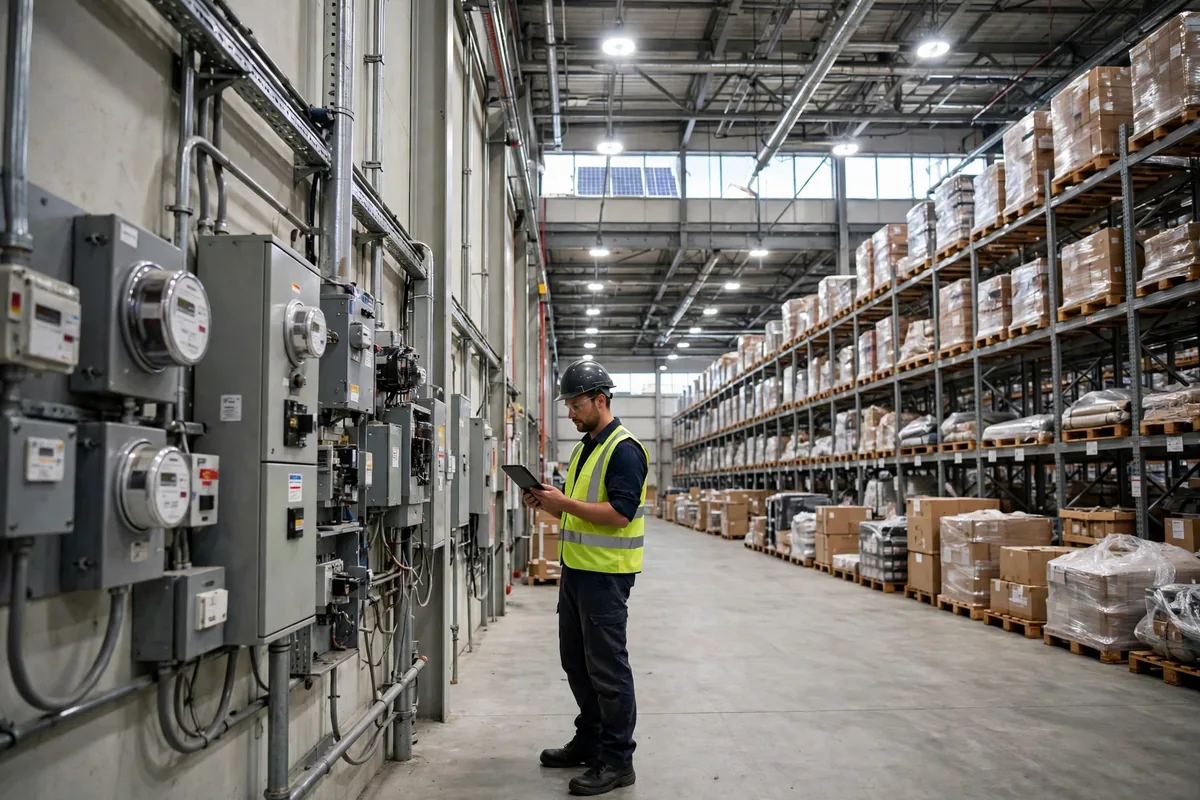
The electrical room is where a lot of warehouses get sloppy. I have walked into plenty of them and found cartons stacked by the door, mops and spare parts crammed inside, and no room to even stand in front of the panel. That is not an electrical room. That is a storage closet. Stacking things in an electrical room is like smoking next to a fuel drum. The switches and wiring inside a panel are heat sources by themselves. Put cartons and shrink wrap next to them, and the day an aging wire sparks, there is nothing to stop it. Worse, an electrical fire is harder to fight than an ordinary one — you cannot just throw water on a live panel.
Our rule is one line: nothing goes in the electrical room except electrical equipment. There is a sign on the door, the space in front of the panels stays clear, and nobody stuffs anything in there. I enforce this one personally. If I find someone stacking things in there, I go talk to them directly. Some people think I am making a fuss. I tell them they are not stacking cartons. They are building a path for a fire.
Aging wiring needs a proper check every year too. Warehouse wiring does not face sun and rain, but forklifts hit it, mice chew it, dust builds up on it, year after year. Our electrician does a full inspection once a year, with a close look at the terminals inside the panels and the cable jackets. Anything found gets written down, given a deadline, and re-checked after the fix. Where a standard applies and I am not sure of the current number, we go by the latest official guidance rather than guessing from experience.
Night Shift and Peak Season Are When the Risk Doubles
A problem in the daytime gets spotted by someone. A problem at night depends on patrols. The biggest risk on night shift is not that nobody is there. It is that there are few people, they are tired, and their attention drops. Two or three in the morning is the worst of it — people are at their sleepiest, the charging area sits in a corner, and by the time the smell reaches someone, a while has already passed.
Our night rule is simple: the charging area and the electrical room door get patrolled once an hour, and each patrol gets ticked off on a sheet. The tick is not for show. It means the person actually walked over there, actually looked, actually smelled the air. At handover, the night lead checks that sheet first, then walks the charging area. A blank on the sheet gets a direct question about where that person was.
Staffing follows the risk as well. We never run a night shift with one person alone all night. Two people, working as a pair, so one can patrol the charging area while the other holds the operations floor. New hires do not patrol alone for their first month on nights. They walk the route with a veteran first until they know the charging area, the electrical room, and every extinguisher location by heart. Getting the people right matters more than buying more extinguishers. At the critical moment it comes down to one person's eyes and nose.
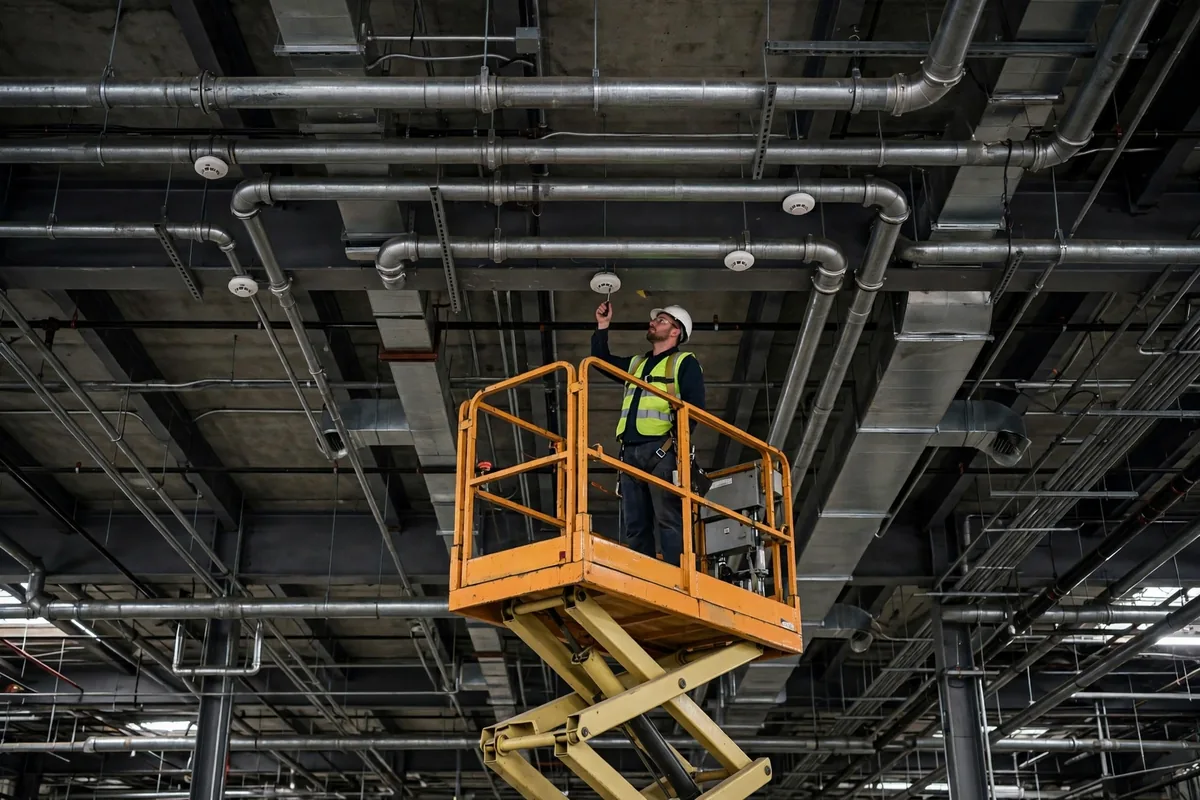
Peak season needs no explaining. Volume goes up, forklift charging doubles with it, and the charging area never gets a break. Before every peak we do a full electrical inspection: chargers, cables, panels, extinguishers, one by one. During peak, no temporary trucks, no temporary wiring. Temporary wiring is where trouble starts. It gets run in a hurry, the connections are rough, and once the load comes up, it heats. I would rather charge one truck fewer than run one temporary cable.
| Checkpoint | What to check | How often | Who owns it |
|---|---|---|---|
| Forklift charging area | Hot connectors, damaged cable jackets, combustibles nearby | Every shift; hourly patrol at night | Shift lead |
| Lithium battery charging | Someone nearby while charging, unplug when done, no overnight charging | At every shift handover | Charging area attendant |
| Electrical room | No stored items inside, clear access in front of panels | Daily | Duty electrician |
| Wiring and panels | Loose terminals, aging cable jackets | Full inspection once a year | Electrician |
| Fire equipment | Extinguishers in place, in date, access not blocked | Monthly | Safety officer |
Now the money side. An extinguisher, a new cable, one full electrical inspection — add it all up and it is not much. A fire? Goods burned, the warehouse shut down, customer freight to compensate, insurance going up, and in the worst case the operation closed for repairs. Those two numbers are not even in the same league. Fire prevention money is the last money in a warehouse you should ever try to save.
One reminder for fellow operators, and I will leave it there. The most dangerous thought in warehouse electrical fire charging area safety is "nothing has ever happened in our warehouse." Nothing happening does not mean there is no hazard. It means your luck has not run out yet. When did you last walk through your charging area and electrical room? Have you ever put your hand on a charging connector? Do you know what is stacked in your electrical room right now? If you cannot answer those three questions, do not wait. Go look tonight, on night shift.
By Chen Feng, Warehouse Operations Manager