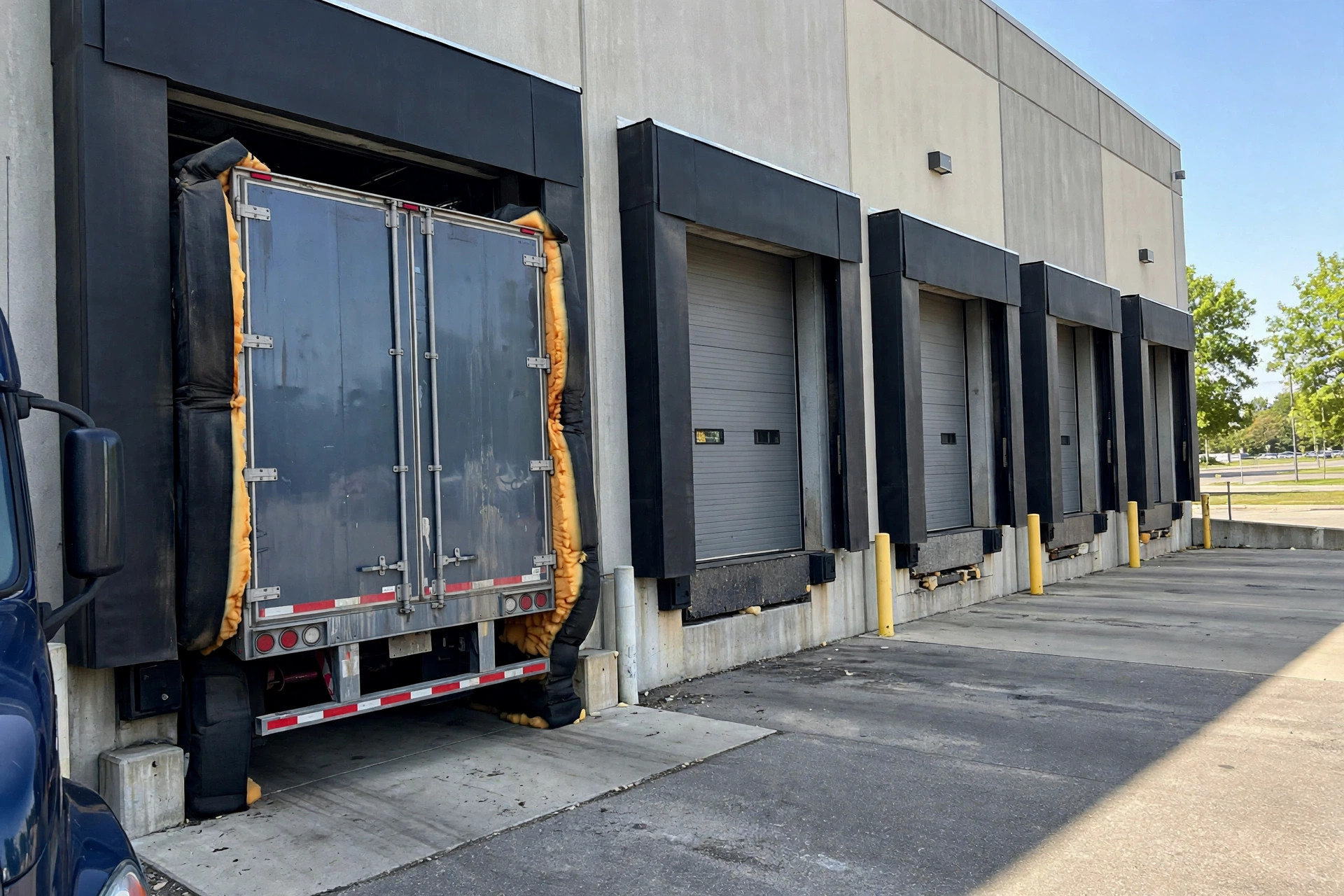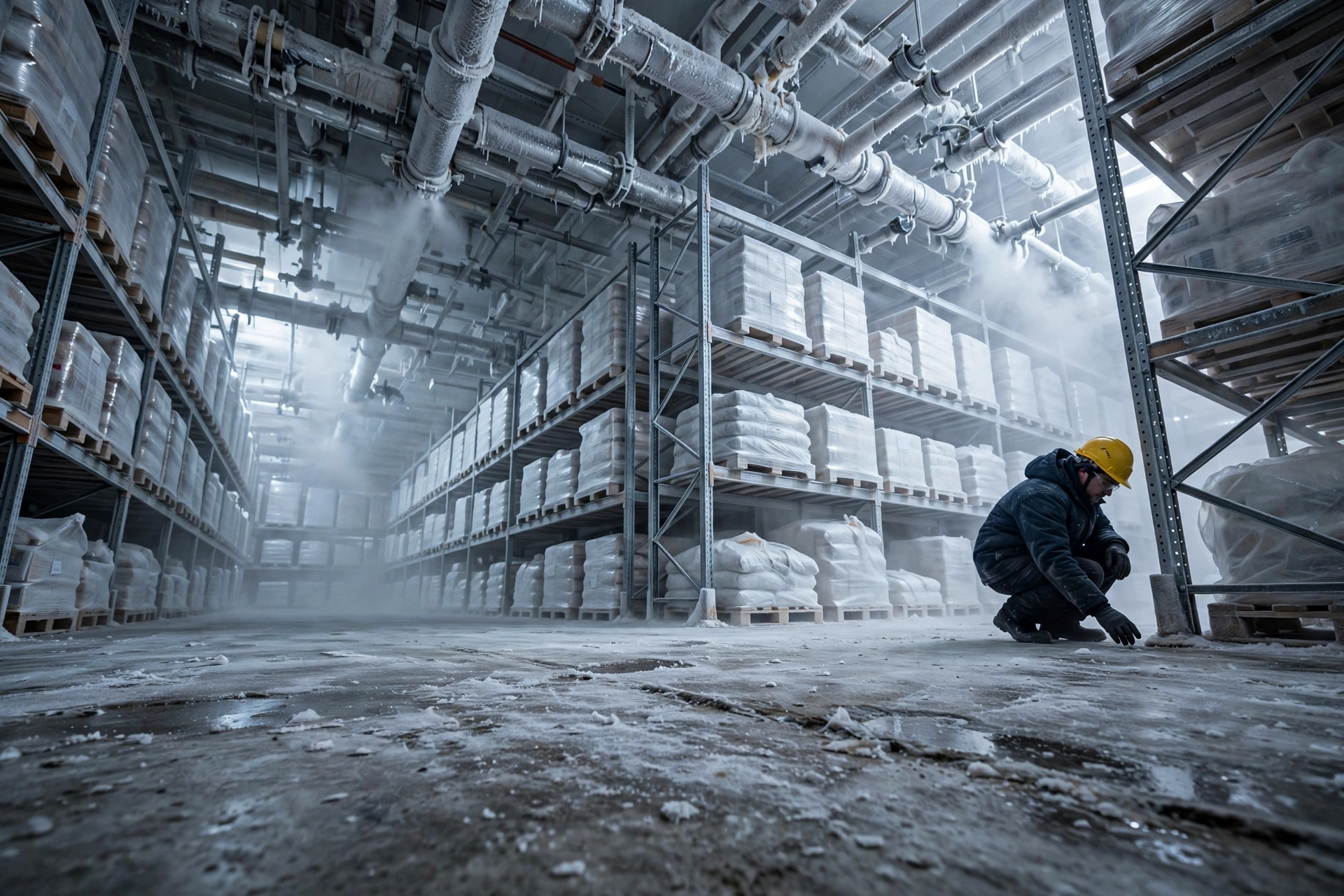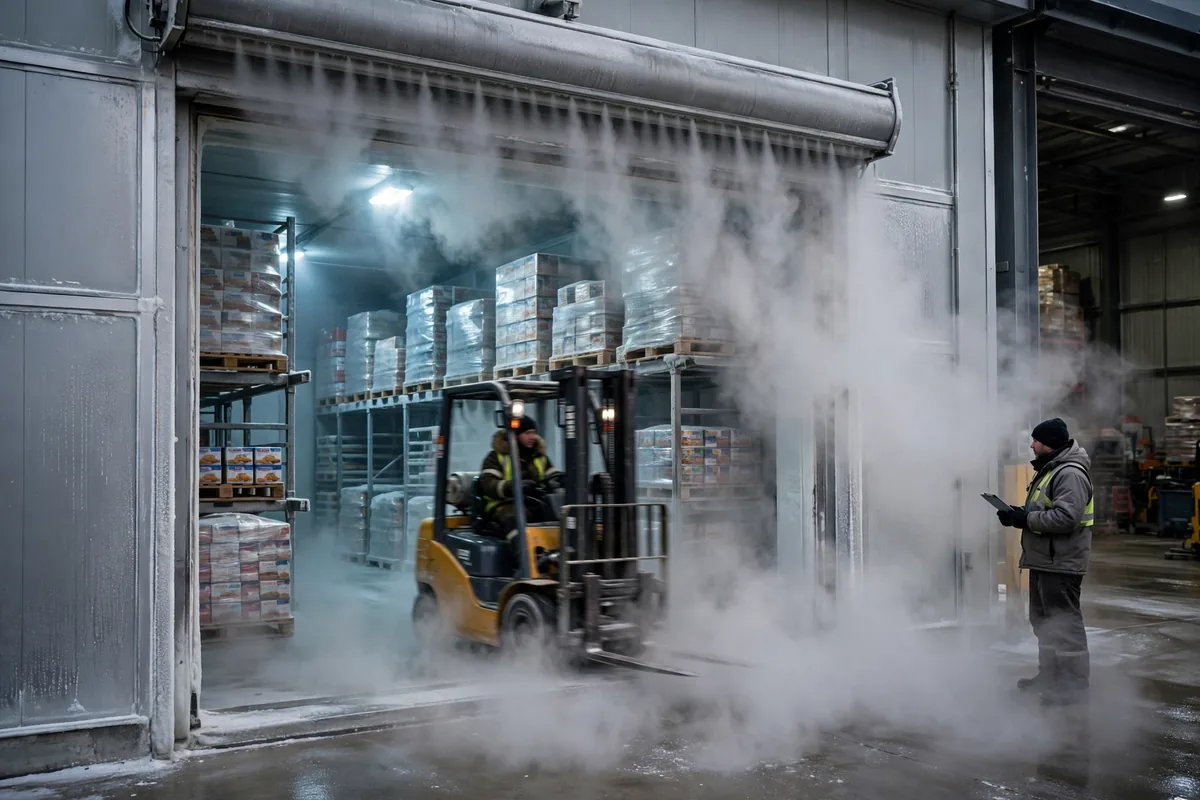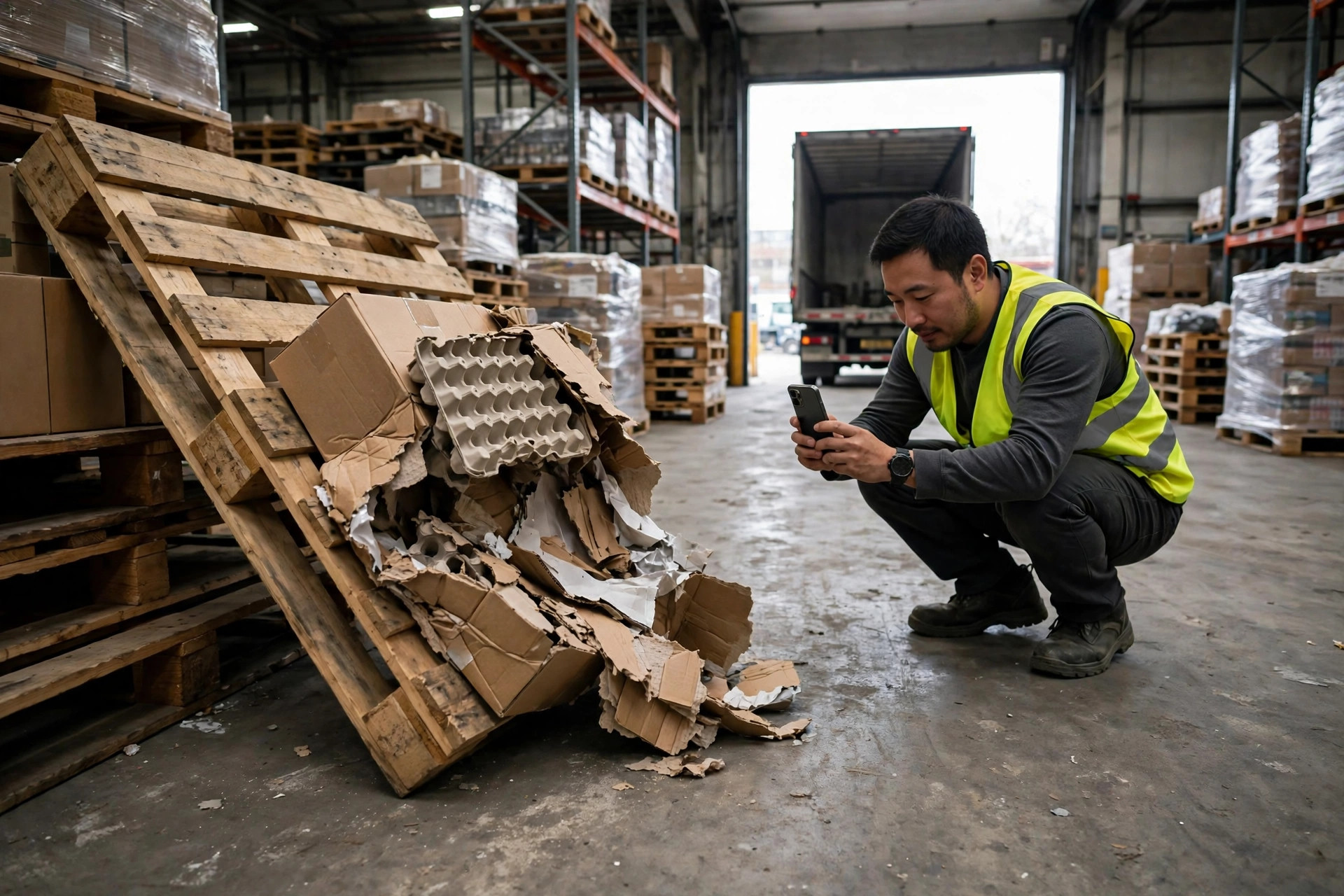
In August 2024, a regional distributor in the American Midwest suffered a vaccine cold chain excursion when it lost grid power in the early hours of the morning, and its backup supply took nearly forty minutes to come online. More than twenty thousand doses sat in the cold room overnight. By morning, the logger showed the room had climbed above 10 degrees Celsius and stayed there for over seven hours. The product owner wanted the whole lot written off and claimed in full. The carrier produced a handover sheet showing normal temperature at loading. The warehouse operator argued that a grid failure fell outside anything it could control. Three sets of records, three versions of the same night, three months of argument, and in the end the stock expired before the claim was settled. What that case actually turned on was not the thermometer. It was the absence of a single timeline that all three sides could accept.
A vaccine cold chain excursion is decided by the timeline, not the thermometer
In claim files I have reviewed over the years, evidence tends to fall into three tiers, and the tier matters more than the volume of paper. The top tier is continuous monitoring data: cold-room curves, reefer compartment logs, and the raw export from the data logger travelling with the shipment, time-stamped to the minute, with no gaps, backed by calibration records. Insurers and lawyers trust this tier because it maps directly onto a segment of responsibility. The middle tier is point-in-time records: inbound and outbound handover sheets, loading checklists, driver signatures, and warehouse scan logs. These prove the product was in good condition at a moment, but they say nothing about the hours between two moments, and that blank interval is exactly where disputes live. The bottom tier is reconstruction: explanations written days after the event, statements with no underlying data, and screenshots stitched together after the fact. Once a reviewer spots a reconstruction, the credibility of the whole file drops a notch, even the parts that are genuine.
A second case shows the contrast. In July 2023, a clinic network in Houston opened a delivery and found that the shipment logger had recorded a spike to around 12 degrees for roughly three hours. The carrier first suggested the clinics had mishandled the product after opening. Then two independent curves were laid side by side: the logger travelling with the goods and the temperature probe inside the vehicle compartment. Both showed the same excursion in the same window, a window that matched a scheduled stop where the cargo doors were opened for unloading. Two sources agreeing on the same hours settled responsibility the same day, and the carrier's insurer moved into the claims process without a fight. The difference between the two cases was not the severity of the excursion. It was whether the timeline had a hole in it.
Where a vaccine cold chain excursion claim usually breaks: the handover gap
Most disputes I see are not equipment failures. They are handover failures. The warehouse says the product left in good condition, the carrier says it arrived already compromised, and the owner sits between two documents that both read normal, with several unclaimed hours in the middle. Three patterns recur. The first is mismatched clocks: the warehouse system stamps outbound time in local system time, the driver records loading time from a wristwatch, and the travelling logger runs on coordinated universal time. A half-hour spread is common, and the start of an excursion often lands inside that spread, where nobody can say with certainty whose segment it belongs to. The second is mismatched sensors: a room probe measures air temperature, a shipment logger measures conditions inside the shipping container, and a vehicle probe measures air at the outlet vent. A degree or two of difference between them is normal physics, but in a claim file each side quotes whichever number suits its position. The third is a missing handover action: the goods changed hands, but the handover sheet has no temperature field, or the field is blank, or it says only "normal" with no number attached. A "normal" without a number is, for claim purposes, no handover at all.
There is a counterintuitive point here that practitioners often miss. The party with the most complete records does not necessarily hold the strongest position; the party with the most complete chain does. I have seen a warehouse operator produce a flawless month-long cold-room curve to prove its innocence, only for the other side to notice that the curve proved something else as well: the goods had already left the building, so a perfect room curve said nothing about the product on the truck, and it drew a sharp line around exactly the interval nobody could account for. Completeness in one segment can expose the gap in the next. A related trade-off concerns disposal. An excursion above the labelled 2 to 8 degree range does not automatically mean the product has lost potency; stability data for the specific product may support assessment and, in some cases, release. Rushing to destroy the lot can feel decisive, but it can also destroy the very stock whose value anchors the claim, and it removes the option of a partial settlement based on assessment costs and delay rather than full product value. Whether any lot can be released, and under what evaluation procedure, must follow the official position of the regulator and the manufacturer for that product; for regulatory specifics, always refer to the latest official guidance rather than relying on general experience.
The first 24 hours after a vaccine cold chain excursion
The order of actions in the first day shapes the negotiation three months later. First, preserve the raw data: export the shipment logger and cold-room system files in their original form and keep a read-only copy, not screenshots alone, and do not annotate the original file. Second, fix the handover evidence: record outbound and inbound times, the names of the people involved, and the temperature readings as numbers. Where a record is missing, mark it as missing honestly; a backdated number that is later exposed damages credibility far more than an acknowledged gap. Third, notify the upstream and downstream parties and the insurer in writing, stating the time of discovery, the excursion window, the affected batch numbers and quantities, and nothing more; this is a statement of fact, not an early assignment of blame. Fourth, quarantine the affected lots and hold further shipments pending a disposition opinion from the manufacturer or the regulator, and file that opinion with the rest of the record. Fifth, open a single incident file and keep everything in chronological order: curves, handover sheets, notification letters, and disposition opinions. When the claim is argued, material should come only from that file, not from scattered emails and chat messages retrieved under pressure.
| Evidence tier | What it looks like | How it holds up in a claim |
|---|---|---|
| Continuous monitoring | Logger raw export, room and vehicle curves, calibration records, no gaps | Strongest; maps directly to a responsibility segment |
| Point-in-time records | Handover sheets, loading checklists, scan logs | Proves condition at a moment; leaves the interval between moments open |
| Reconstruction | Explanations written days later, screenshots without raw data | Weakest; can pull down the credibility of the whole file |
Looking at the trend, the argument in pharmaceutical cold chain is shifting. It used to be about whether an excursion happened at all. Increasingly it is about how long it lasted, how far it went, and whether the evidence chain has a break in it. Continuous loggers with temperature and location tracking are becoming the default configuration for pharmaceutical distribution, which means the space for argument is narrowing: timelines will generate themselves, and gaps will expose themselves. The open question is what comes next. When every segment produces continuous data, will liability stop being a three-way argument and become a calculation priced by the minute? And for smaller distributors that have not yet adopted continuous monitoring, the largest risk over the next two or three years may not be any single power cut. It may be discovering, after an excursion, that they hold no timeline capable of standing up at a negotiating table.
By Dr. Chen, Supply Chain Researcher