Let me put it bluntly: when a load arrives damaged, warehouse cargo damage liability is never settled by whoever argues loudest. It is settled by whoever has the paper. The carrier says your crew unloaded it rough. The warehouse says it was already leaning when it rolled off the truck. The manufacturer says the packaging passed its tests. I have watched this triangle play out more times than I can count, and the loser is rarely the party that was actually wrong. The loser is the party that signed, stacked, or threw away the evidence before anyone realized there would be a fight.
A couple of years ago in October, a third-party warehouse outside Ontario, California took in a truckload of small home appliances. The driver was in a hurry to make his next stop, and the receiving clerk was in a hurry to clear the dock, so the delivery receipt got signed with the exceptions box left blank. Nobody looked closely at one pallet. By the next morning, when the crew started putaway, they found the corners crushed on that pallet and more than forty cartons inside with cracked housings. The shipper went to the carrier, and the carrier slid the clean-signed receipt across the table: you accepted it in good condition, so whatever happened after you signed is not my problem. The shipper turned to the warehouse, which said the pallet arrived leaning and no forklift had touched those cartons. The manufacturer pointed to passing packaging tests and closed the file. Three companies argued for two months, and the shipper ended up absorbing most of the loss. Nobody was lying, exactly. The ten minutes at the dock when someone should have documented that pallet simply never happened.
I have also seen the same kind of claim go the other way, and the difference was entirely paperwork. One summer in Phoenix, Arizona, a refrigerated shipment arrived and the receiving clerk thought the temperature felt off when the doors opened. Instead of waving it through, she photographed the load, wrote down the arrival temperature, and downloaded the temperature logger data before the pallets moved. The logger showed several hours above the agreed range during transit, and a clean record after arrival. The carrier's insurer first tried the packaging angle, arguing the insulation was inadequate, but the timestamps lined up too neatly to argue with. The claim landed on the transport leg. Same industry, same kind of damage, opposite outcome. That is the two-sided truth of this business: evidence is not about picking a fight. It is about making it impossible for the responsible party to hand the bill to someone else.
Warehouse Cargo Damage Liability Lives or Dies on Paper
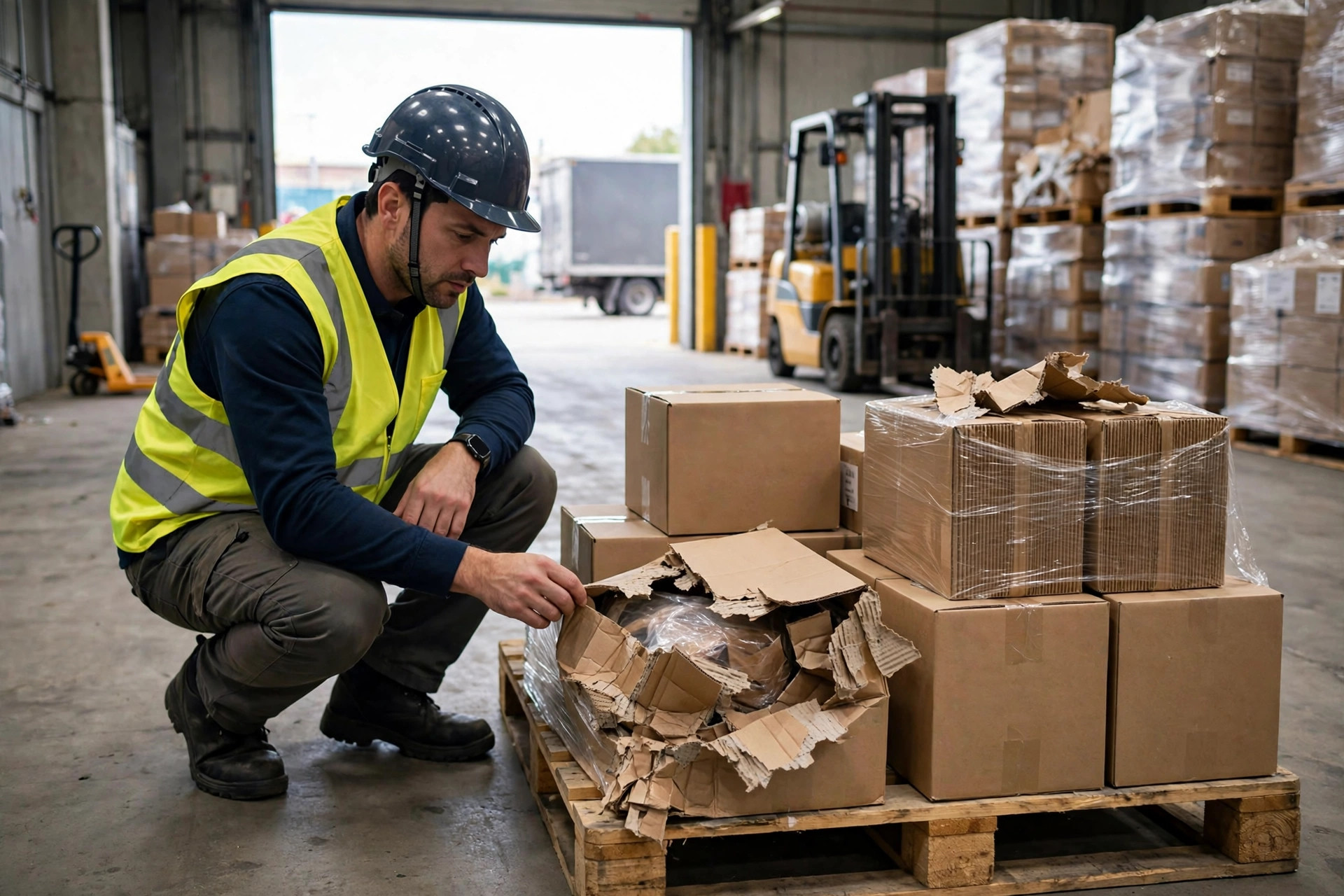
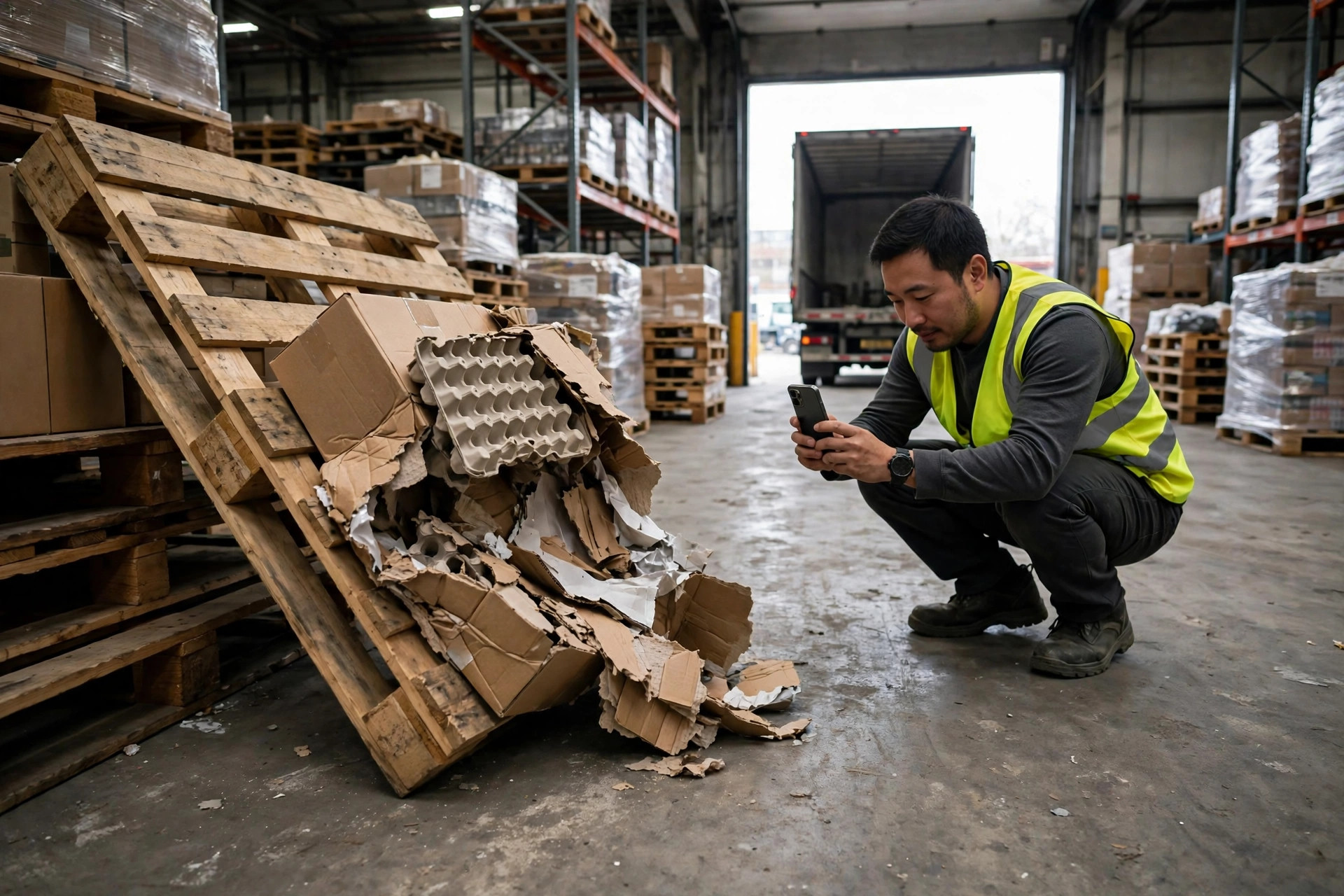
Insurers and adjusters do not care who was busiest that day. They care whether the timeline closes. The exceptions note on the delivery receipt is the single most valuable document in the whole dispute. Crushed cartons, a leaning pallet, a broken seal, a short count: write it on the receipt at the dock, describe which pallets and what you saw, and get the driver to acknowledge it. A clean signature is, in practice, a statement that the freight arrived in good condition, and trying to walk that back later is an uphill climb. Photographs need both the wide shot and the close-up: the full pallet, the damaged area, the labels and the pallet number, all with timestamps. Temperature and humidity records, unloading logs, and forklift activity records look like busywork until the day they become the nails that pin the timeline in place. And keep a sample of the damaged packaging. Do not throw the crushed carton and its inserts away. The insurer will very likely want to see whether that packaging could survive normal handling at all.
Here is the rough map I have built up over years of sitting in these conversations. Individual cases still turn on the contract and the actual evidence, but this is the direction the argument usually runs:
| What the evidence points to | Who usually ends up holding the bill |
|---|---|
| Exceptions noted at receipt, photos show damage on arrival | The carrier leg |
| Yard or warehouse camera or activity records show a forklift strike or a collapsed stack | The warehouse |
| Thin packaging, excessive stack height, missing inserts that would fail under normal handling | The packer or shipper |
| Temperature logs show an excursion in transit, clean after arrival | The carrier leg |
| Temperature logs show a problem after arrival, clean in transit | The warehouse |
| Every leg is missing evidence and only the damage remains | The shipper, mostly on its own |
When the Evidence Lines Up, the Argument Ends
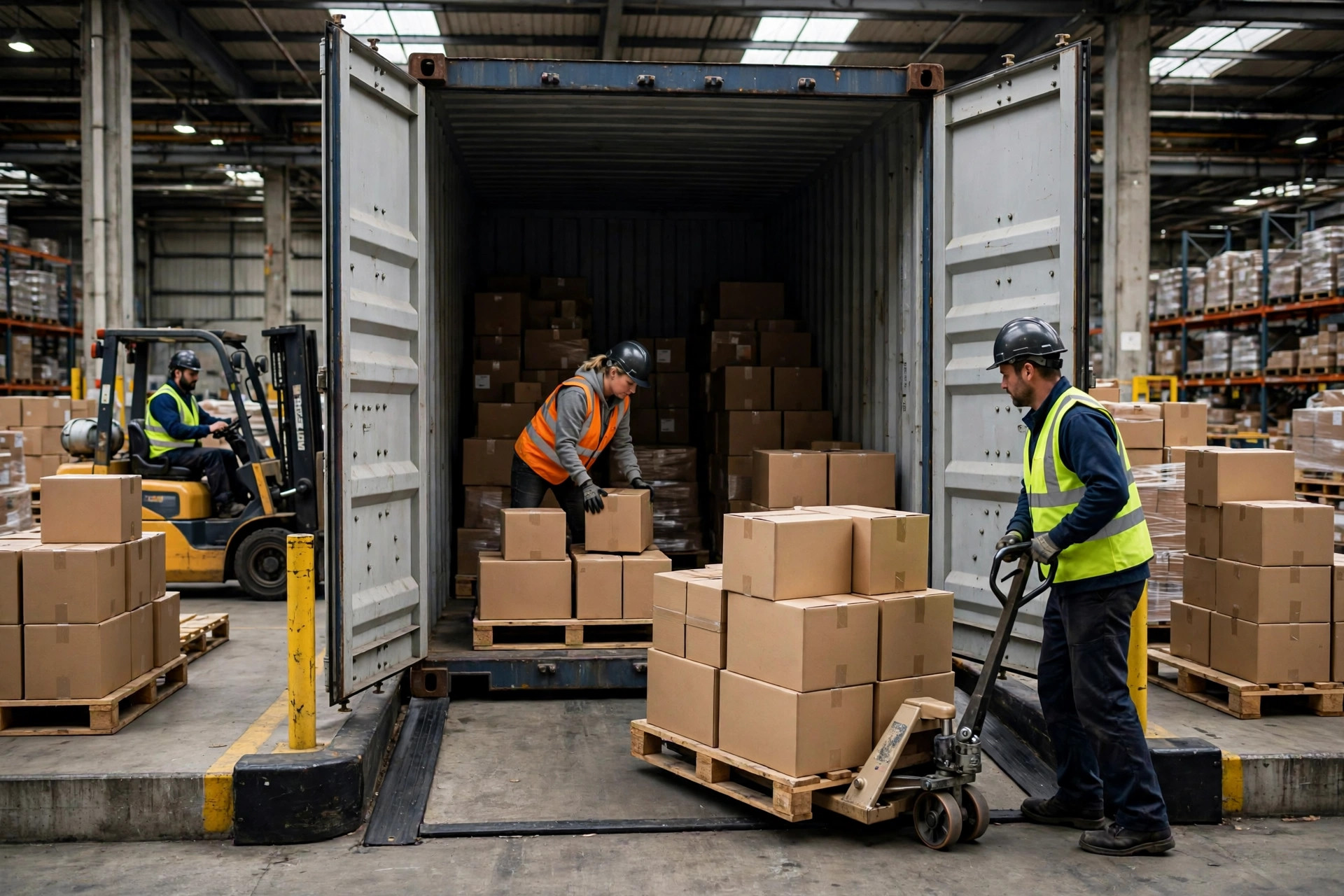
The receiving routine is not complicated. The hard part is doing it every single time, even when the dock is backed up. Before unloading, look at the outer packaging and the pallets. If something looks wrong, photograph it first, then unload. Count by pallet as you go, and write exceptions on the spot rather than promising yourself you will remember them later. For temperature-sensitive freight, check the arrival temperature and the logger data at the dock and file them the same day; data that sits overnight has a way of becoming disputable. Damaged freight goes into a segregated spot with a tag on it, photographed and sampled, not mixed into good stock where a later cycle count turns it into a mystery. Every document and photo goes to one fixed location the same day, so that when a claim lands you can pull the full file in ten minutes instead of digging through three days of email.
There is a counterintuitive judgment hiding in here that most warehouses get backwards. Plenty of receiving teams avoid writing exceptions because they do not want to sour the relationship with a carrier. They worry the next truck will be hard to book. The math runs the other way. Ten minutes saved by skipping the note can cost you an entire load that nobody will own, while carriers actually prefer working with warehouses that document clearly, because a clear boundary means fewer surprises for everyone. The flip side matters too: more evidence is not automatically better evidence. A hundred blurry photos are worth less than ten sharp ones with timestamps, pallet numbers, and a receipt they can be matched to. Evidence earns its keep by lining up with the timeline, not by filling a folder.
Packaging deserves its own line in the budget conversation. Thicker inserts, a sturdier pallet, corner protection on fragile goods: spread across a pallet, the added cost is small, and it can pull a whole shipment back from the edge of a dispute. Cut that corner and the first thing raised in a claim negotiation will be that the packaging was never up to the job. I have seen too many warehouses make that trade, save pennies per carton, and regret it for months.
Warehouse Cargo Damage Liability at the Negotiating Table: What Insurers Actually Ask For
By the time a claim reaches negotiation, the insurer's questions are almost always the same: when was the freight damaged, in whose hands, and how can you prove it? Did the packaging meet the demands of normal transport? What does the contract say about responsibility, caps, and deadlines? They have no interest in how rushed your dock was that morning. They want materials that line up with a timeline. So before you sit down, lay your own evidence out in chronological order and find the gaps yourself, before the other side finds them for you. Read the contract terms before the shipment, not after the damage: responsibility limits, deductibles, and claim deadlines are all things to negotiate when you still have leverage, and any specific limits should be checked against the latest published policy rather than assumed from memory.
There is also a second bill to calculate, and this is the trade-off most people skip. Fighting a small claim for six months can cost more in legal fees and staff time than the freight was worth. In those cases, negotiating a split and keeping a carrier relationship intact is often the smarter commercial outcome. So run the numbers twice: once for who should pay for this load, and once for what it costs you to prove it. The first number is about fairness. The second number is about whether the fight is worth having.
Next time a truck backs into your dock, hold the pen for one extra minute and ask yourself a simple question: if this pallet turns out to be damaged, do I have anything I could put on the table?
By Lao Mi, Supply Chain Veteran (20 yrs)