Brothers, let me start with a morning scene.
It is 7:40 a.m. I have just arrived, and Xiao Li from quality control is already waiting at the clean zone door, paper in hand, face like a thundercloud. "Manager Chen, the Grade D area went out of humidity spec last night — 11:47 p.m., 68% humidity, 40 minutes." I look at the record. "Out of spec is out of spec. Quarantine, write the deviation. Do not smooth over those 40 minutes."
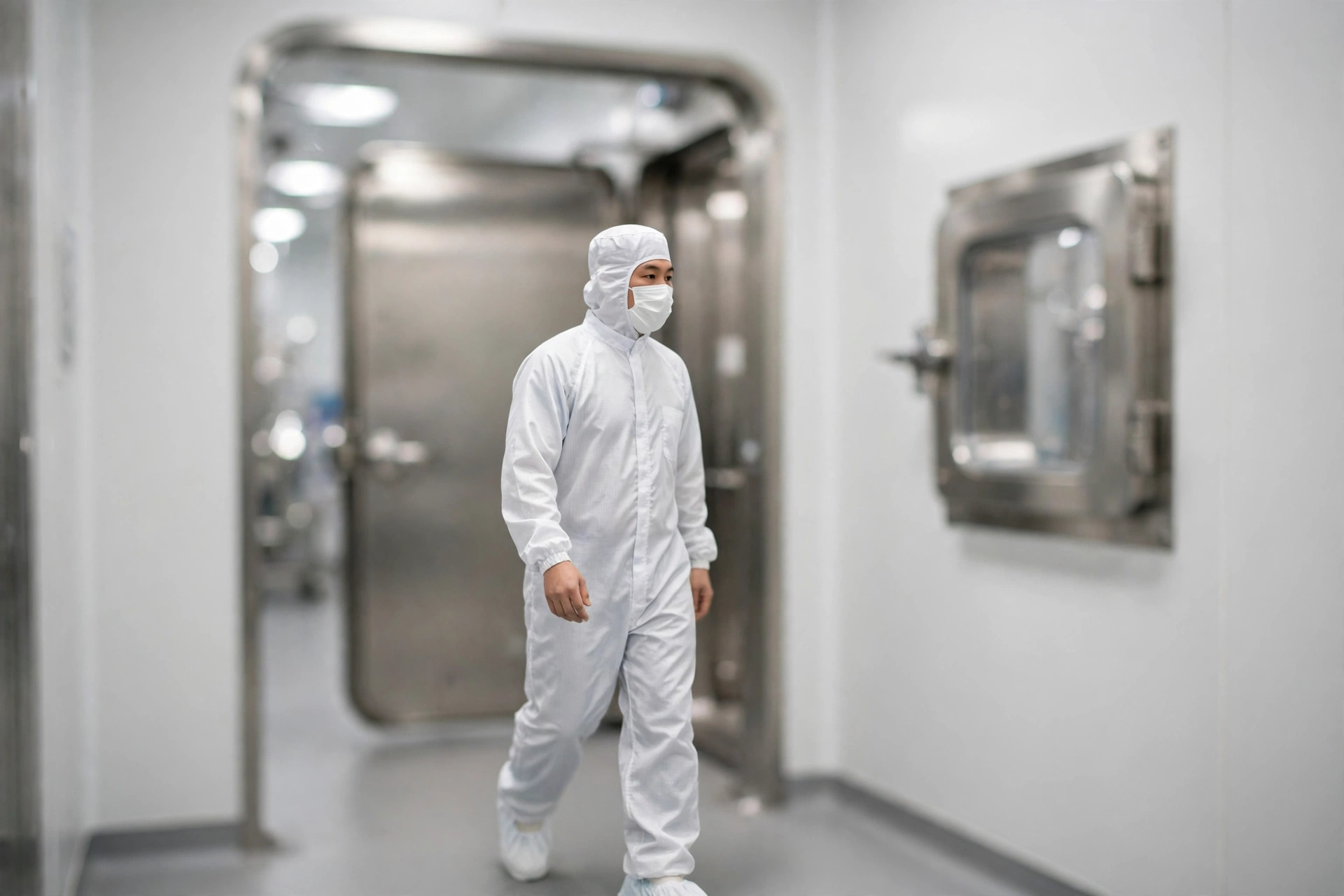
The pharma warehouse gmp clean zone vs normal zone line is never just a door. In a regular warehouse, a temperature excursion means the goods might be affected; in a pharma warehouse, it means a deviation record — something an auditor digs up later. It is a whole management system, and today I am breaking it down the way we actually run it.
First, the Grades: What A, B, C, and D Actually Mean
A lot of people hear "clean zone" and get intimidated, like it is high technology. Plainly put, it is a classification by how much dust is floating in the air.
EU GMP Annex 1 — in force since August 25, 2023 — divides sterile manufacturing areas into four grades, A, B, C, and D, mapped to ISO 14644 classes. Here it is in plain language:
Grade A is the top — product directly exposed: aseptic filling, sealing, open vials. It runs under unidirectional airflow, like an invisible wall of air pushing down, at 0.36 to 0.54 meters per second. At rest, particles 0.5 microns or larger must stay under 3,520 per cubic meter.
Grade B is the background area for Grade A — the room around it. Same limit, 3,520; it protects Grade A.
Grade C is one step down: solution preparation, equipment washing, less critical sterile work — 352,000 particles.
Grade D is the lowest clean grade: component washing, preparation of products for terminal sterilization — 3,520,000 particles.
From Grade A to Grade D, the particle limit differs a thousandfold. That is why I say the boundary is not a door — between Grade A and Grade D there are three doors, two gowning procedures, different cleaning frequencies. That, on paper, is the pharma warehouse gmp clean zone vs normal zone split.
On the environment: the usual practice is 20 to 24 degrees Celsius and 45% to 60% relative humidity; Grade D can run a little wider, 18 to 26 degrees. But "usual practice" is the key phrase — actual numbers must follow your product specifications and validated documents. If you are not sure, follow the latest official standards; do not copy my numbers blindly.
Clean Zone vs Normal Zone: Where the Management Actually Differs
Now the main point: same warehouse, same medicines — how does management differ between a clean zone and a normal zone? Here is how we run it:
| Item | Clean zone (Grade C/D example) | Normal zone |
|---|---|---|
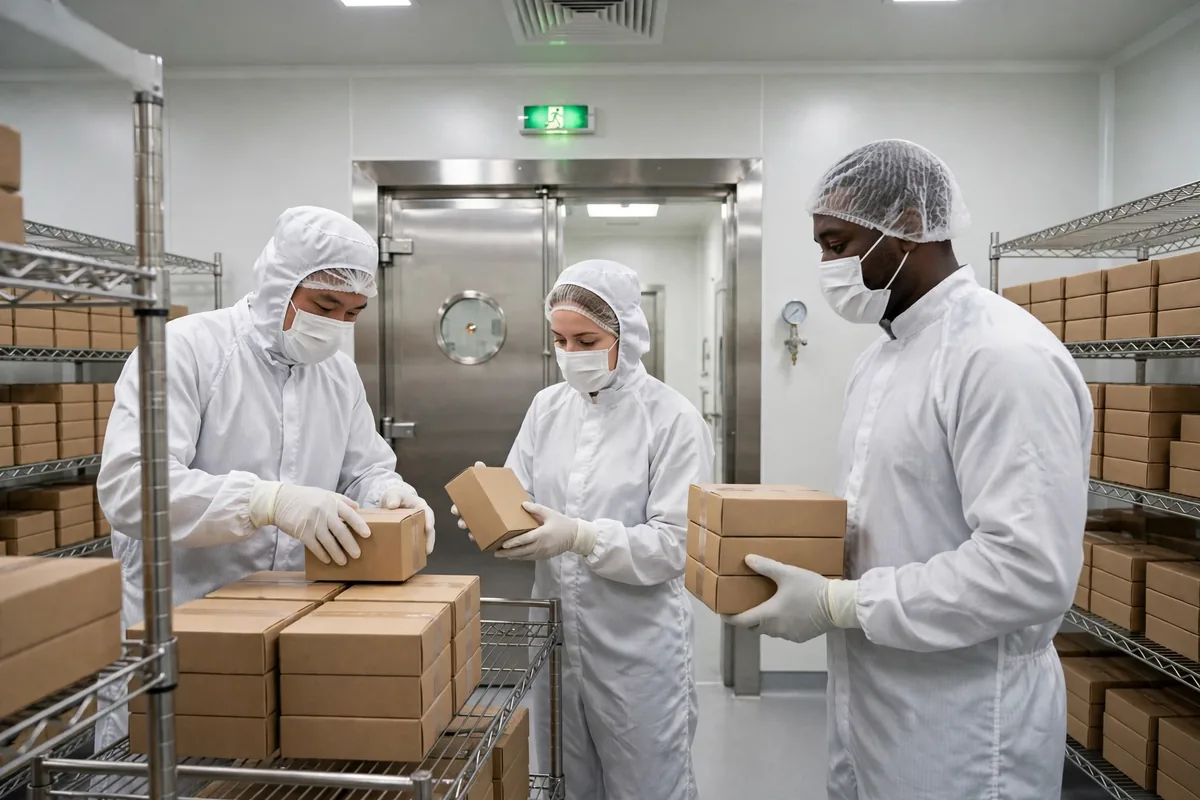
| Entry | Gowning in order: garments, cap, mask, gloves | Walk in in work clothes |
| Temperature and humidity | Continuous monitoring, alarms | Scheduled checks, twice a day |
| Pressure differential | At least 10 Pa vs adjacent areas, air flowing high grade to low | No pressure requirement |
| Cleaning | Scheduled cleaning and disinfection | Regular cleaning on schedule |
| People | Training required; sick staff stay out | Normal duty |
| Materials | Through a pass-through or airlock, outer packaging off | Straight to the rack |
| Documentation | Every step recorded; deviations formally processed | Standard inbound and outbound docs |
The easiest line in that table to underestimate is pressure differential. Ten pascals — gently closing a door produces more. But those 10 Pa make air flow only from clean areas toward less clean ones, never backward. Someone checks the gauges daily; when the differential drops, the first check is a door left ajar or a HEPA filter due for replacement.
In the summer of 2024, a new guy wanted to save time, so he left the clean zone without going through the gowning room — just pushed the buffer room door open and walked out. The differential pressure dropped to zero, the alarm went off, the shift supervisor came running. All material in the Grade D area was quarantined and re-evaluated; the new guy went back to training until he passed. After that day, everyone remembered one thing — the door of a clean zone is not a door. It is a line of defense.
The Normal Zone Is Not a "No Rules" Zone
Many people assume the normal zone means "no requirements." Wrong.
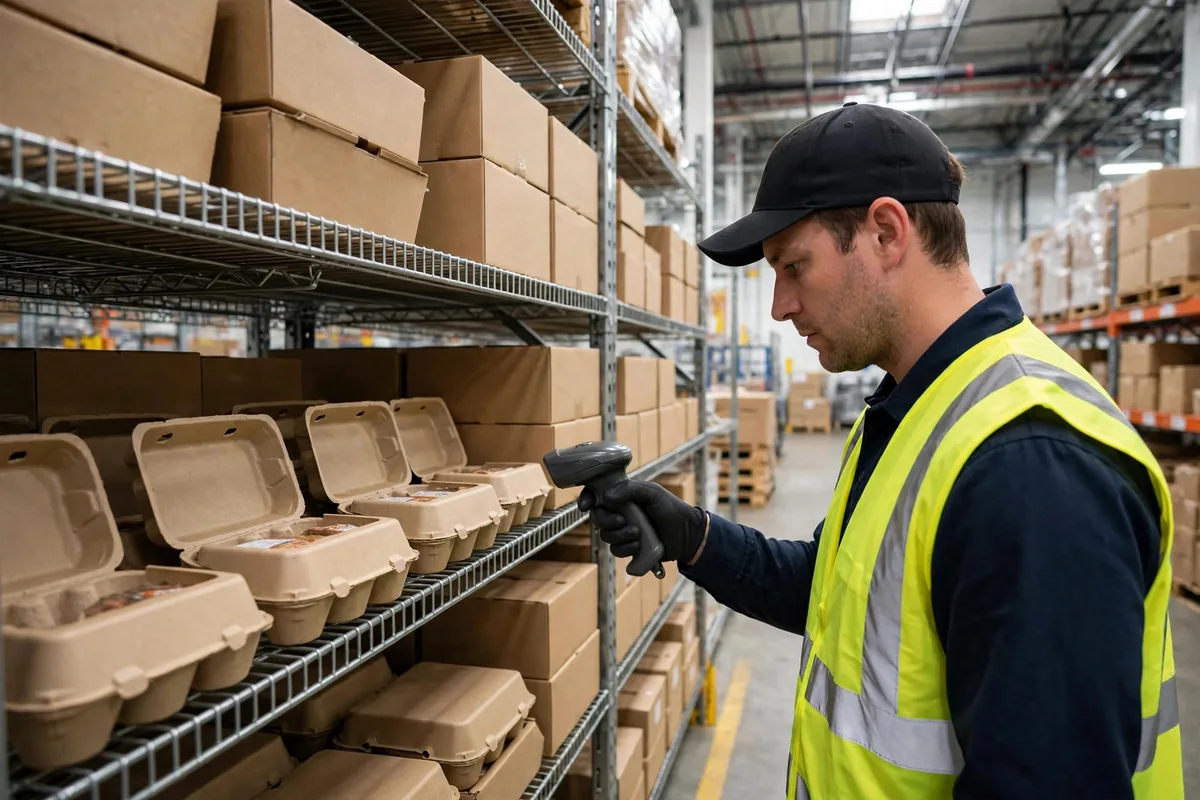
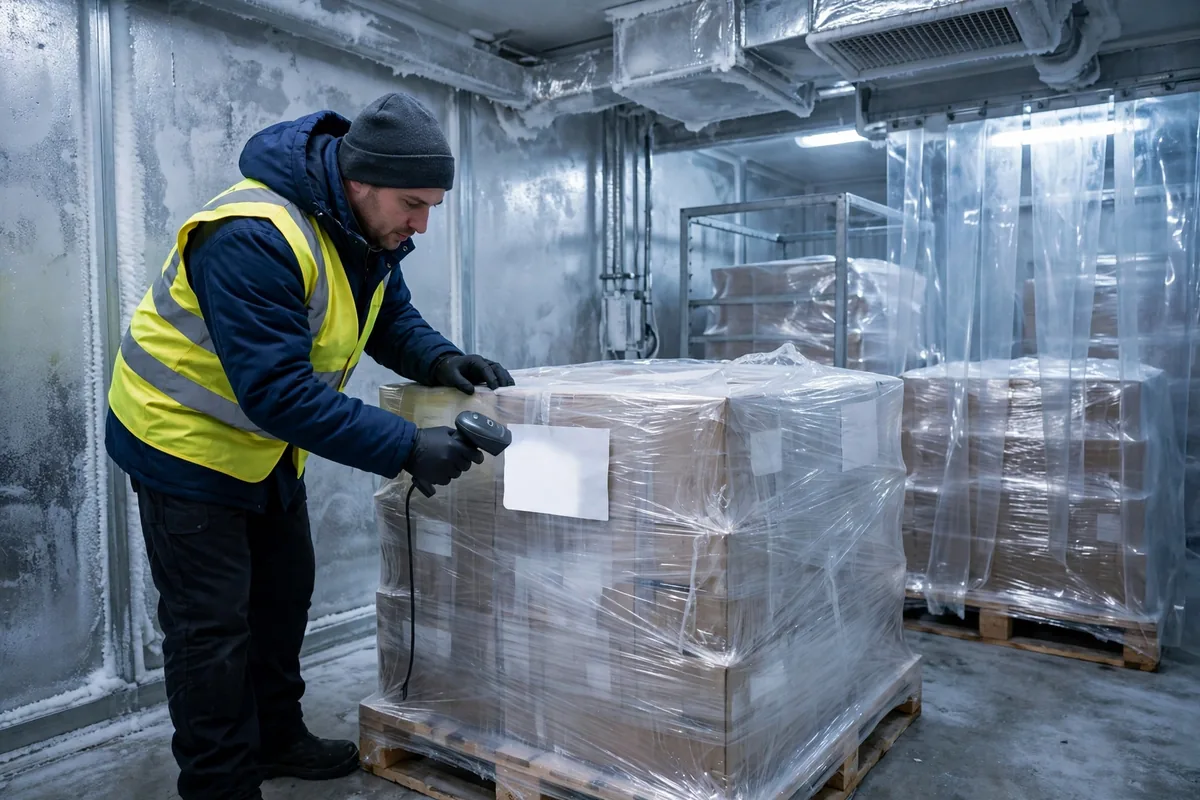
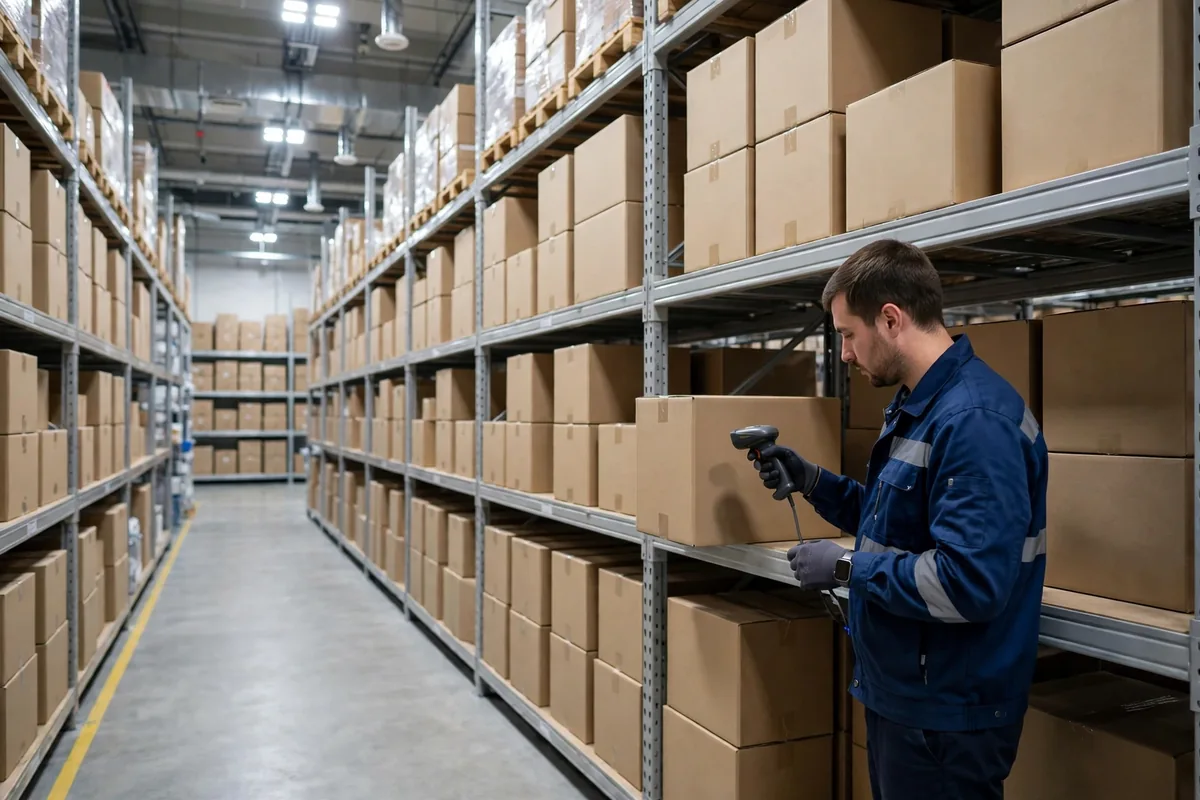
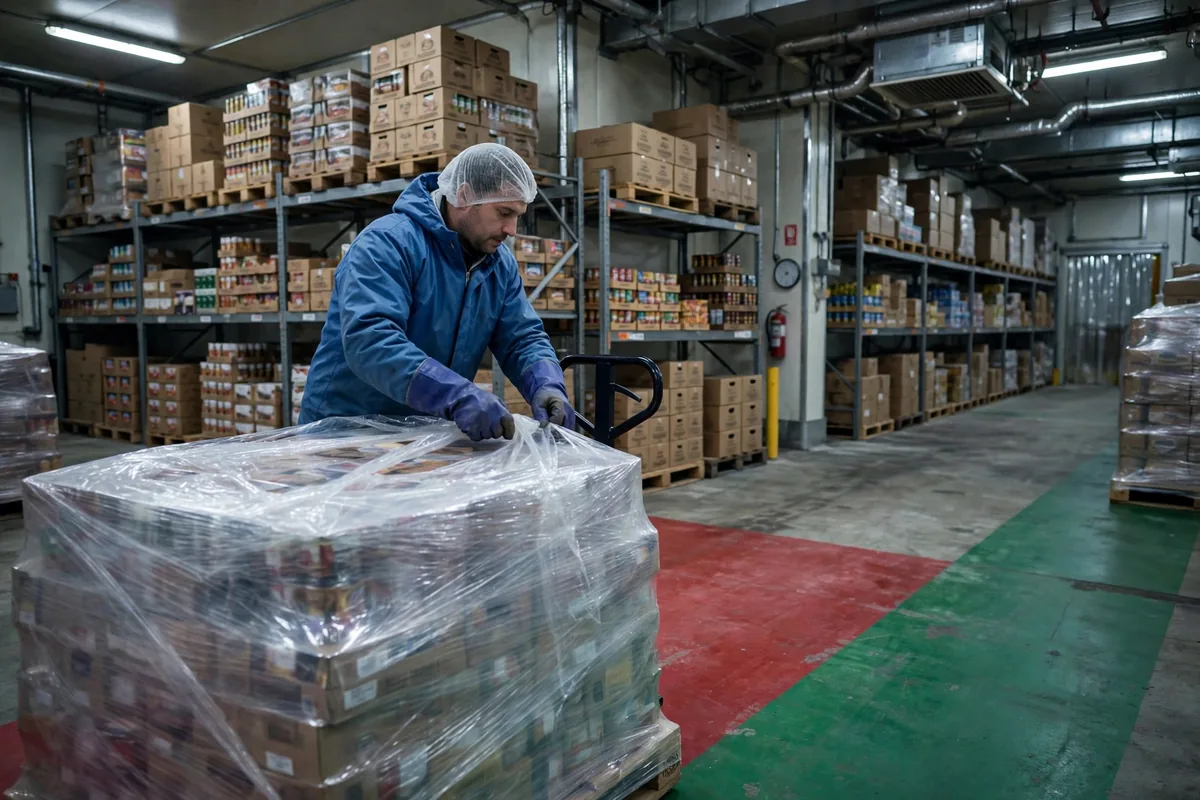
In a pharma warehouse, the normal zone is more properly a controlled ambient area — and it follows rules too. Under the widely applied GDP and GSP requirements, medicines must be stored at the conditions on their labels: ambient generally 15 to 25 degrees, refrigerated 2 to 8 degrees, frozen minus 20 degrees or below. Its temperature and humidity must also be monitored and recorded — just less often, with looser alarms.
Our normal zone is hardest in summer: 35 degrees outside, the warehouse must stay below 25, so the air conditioning runs all day. One summer night the refrigeration unit tripped. The night-shift guy called me at 3 a.m.; I drove 40 minutes and brought the backup unit online with two others. That night the warehouse peaked above 27 degrees — 2 over. The goods went by the book: quarantine, assessment, deviation report, sign-off from quality. Most was released; a few sensitive ones went back.
That night taught me something: in a pharma warehouse's normal zone, the test is not whether you have air conditioning. It is whether you have a plan for when it fails. Backup unit, alarm texts, duty phone, emergency procedure — miss one, and every summer you are gambling.
Two Real Cases That Show What the Clean Zone Line Costs
First case, at a peer warehouse next door, early 2025 — I will not name them. Their problem was "zone crossing": a picker wheeled a pallet of quarantined raw material into the Grade D holding area. By the rules, quarantined material entering a clean zone must go through a pass-through, have its outer packaging removed, and be logged. He skipped it all. The whole batch was quarantined and re-sampled. Testing fees plus holding costs ran to tens of thousands of yuan by way of illustration — the exact figure depends on actual costs. The incident also went into that year's internal audit report, and the whole warehouse was retrained.
Second case, from our own warehouse — a good one. In October 2025, an auditor pointed at the gowning flow chart by the clean zone door and asked a new employee: "How many items do you change to enter Grade D?" The kid did not hesitate: "Cap, mask, gloves, cleanroom garment, shoe covers, in order." "And coming out?" "Reverse order. Used items go in the designated bin. Nothing leaves with me." The auditor nodded. That audit, our clean zone management scored zero findings.
The two cases say one thing: the line between the clean zone and the normal zone is held not by a wall, but by discipline.
One last honest word, in three reminders for fellow warehouse managers. First, classification is management, not decoration. Many bosses think a clean zone is just a room you pay to build and fit with HEPA filters. Wrong. Hardware is half the job; the other half is SOPs, training, records, and deviation handling. Without management, the best clean zone degrades in three months.
Second, temperature and humidity monitoring must never stop. Clean zone or normal zone, the monitoring record is your alibi. When something goes wrong, the record speaks for you; without one, nothing you say counts. Next to quarantining a batch, monitoring is pocket change.
Third, a new employee's first lesson must be "the line." Our warehouse has a rule now: on day one, whatever post a new hire is assigned to, they spend two hours learning area management — which zones they can enter, which they cannot, what to change when entering, how materials are passed through. Those two hours matter more than any later skills training. Clean zone failures are rarely caused by experienced staff breaking rules on purpose — almost always by newcomers who did not know them.
One last honest word: many rules, strict inspections, low tolerance for error. Tiring work. But it is exactly because the rules are strict that a warehouse run properly is worth real money. When a client hands you their medicines, they are not handing you a few pallets — they are handing you trust, and that trust rests on the invisible line at the clean zone door. That is the pharma warehouse gmp clean zone vs normal zone line in practice — not a door, but a discipline.
By Chen Feng, Warehouse Operations Manager