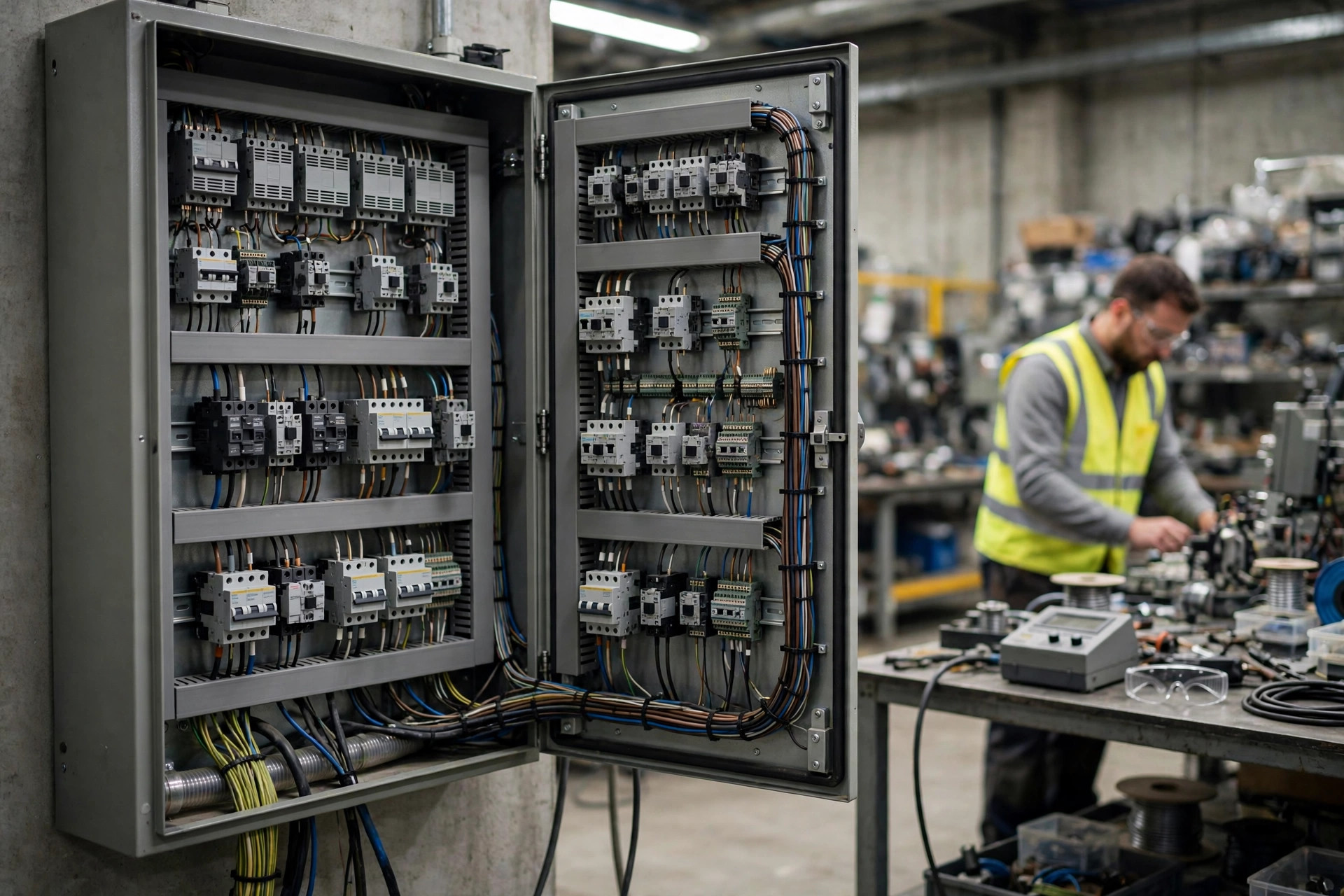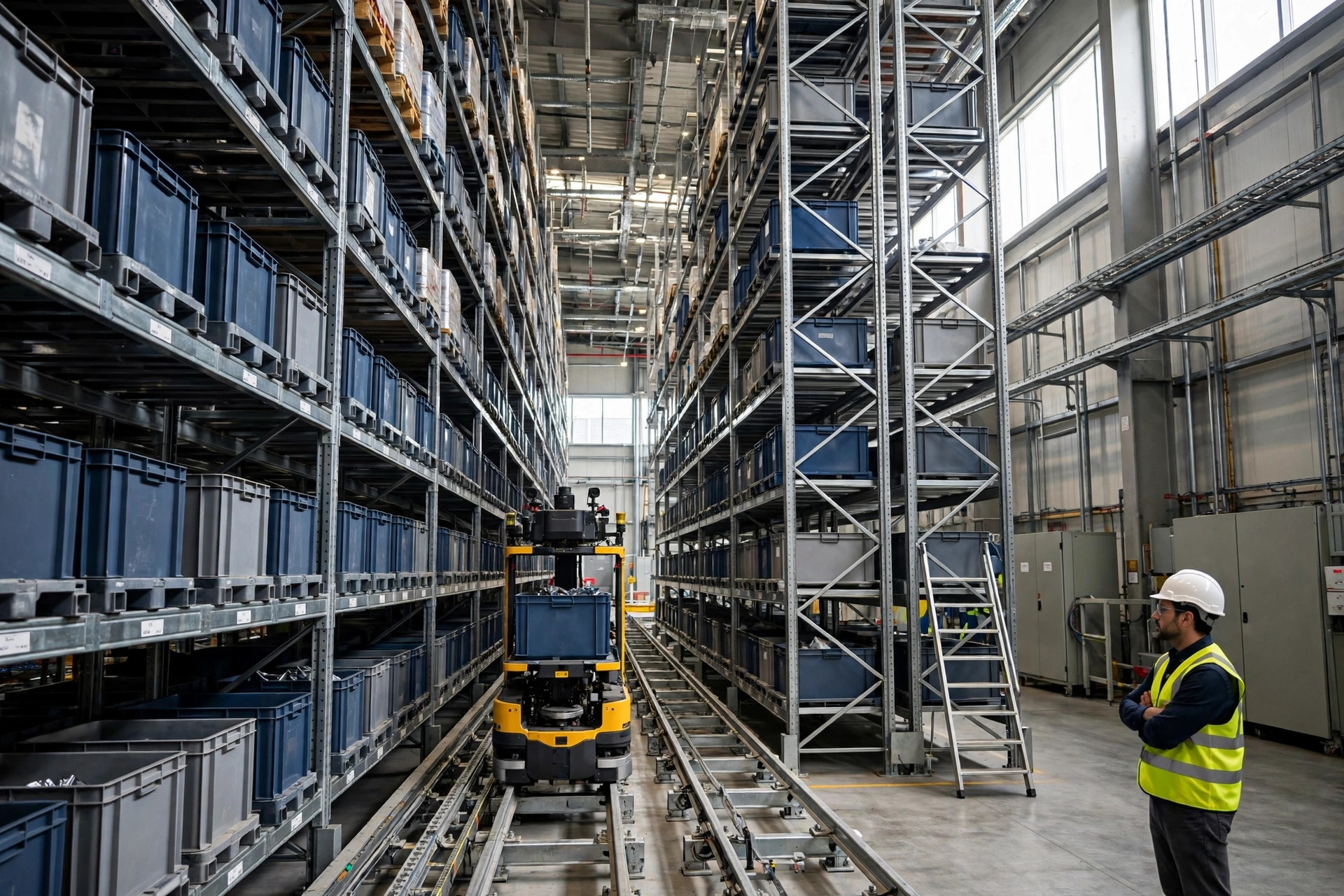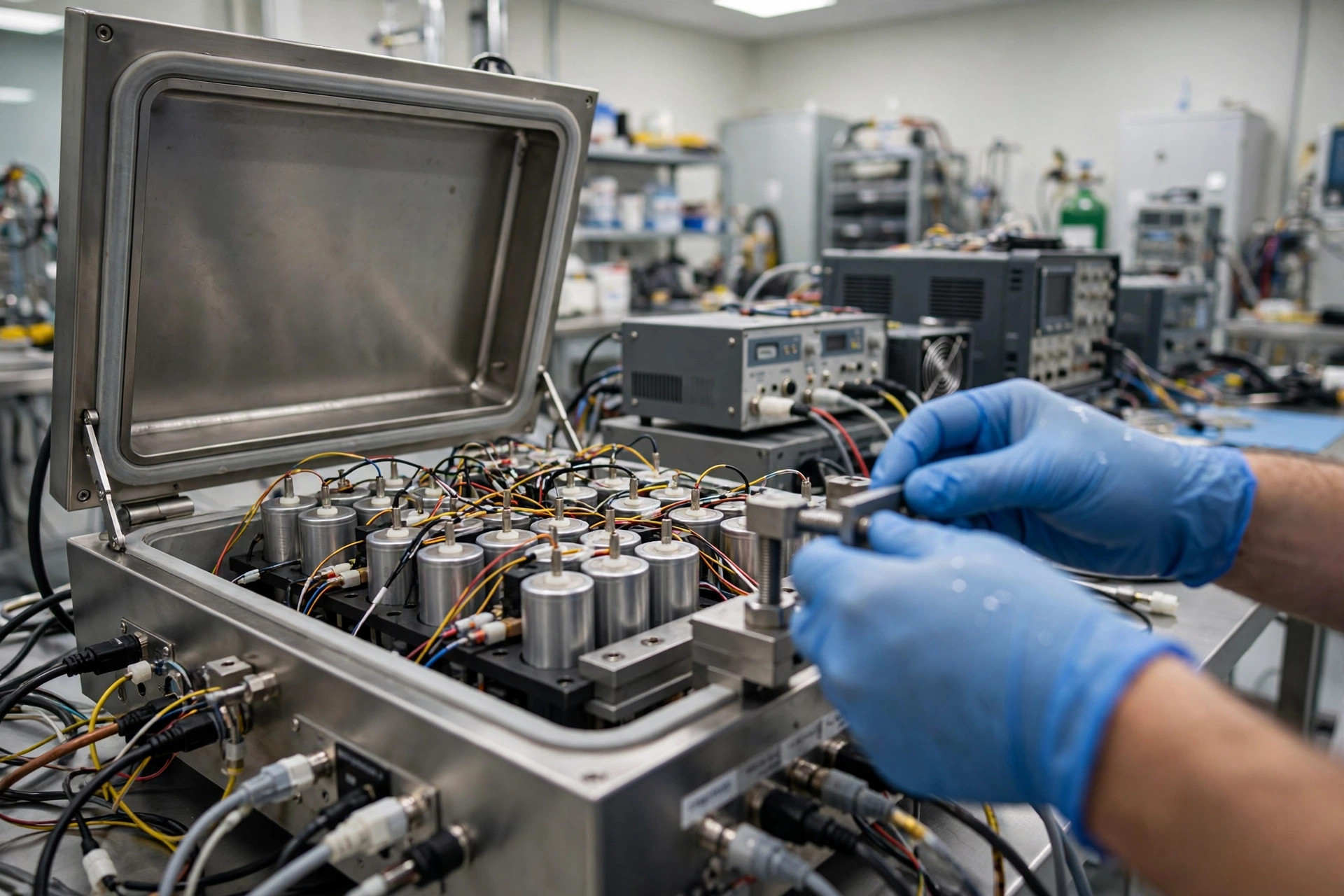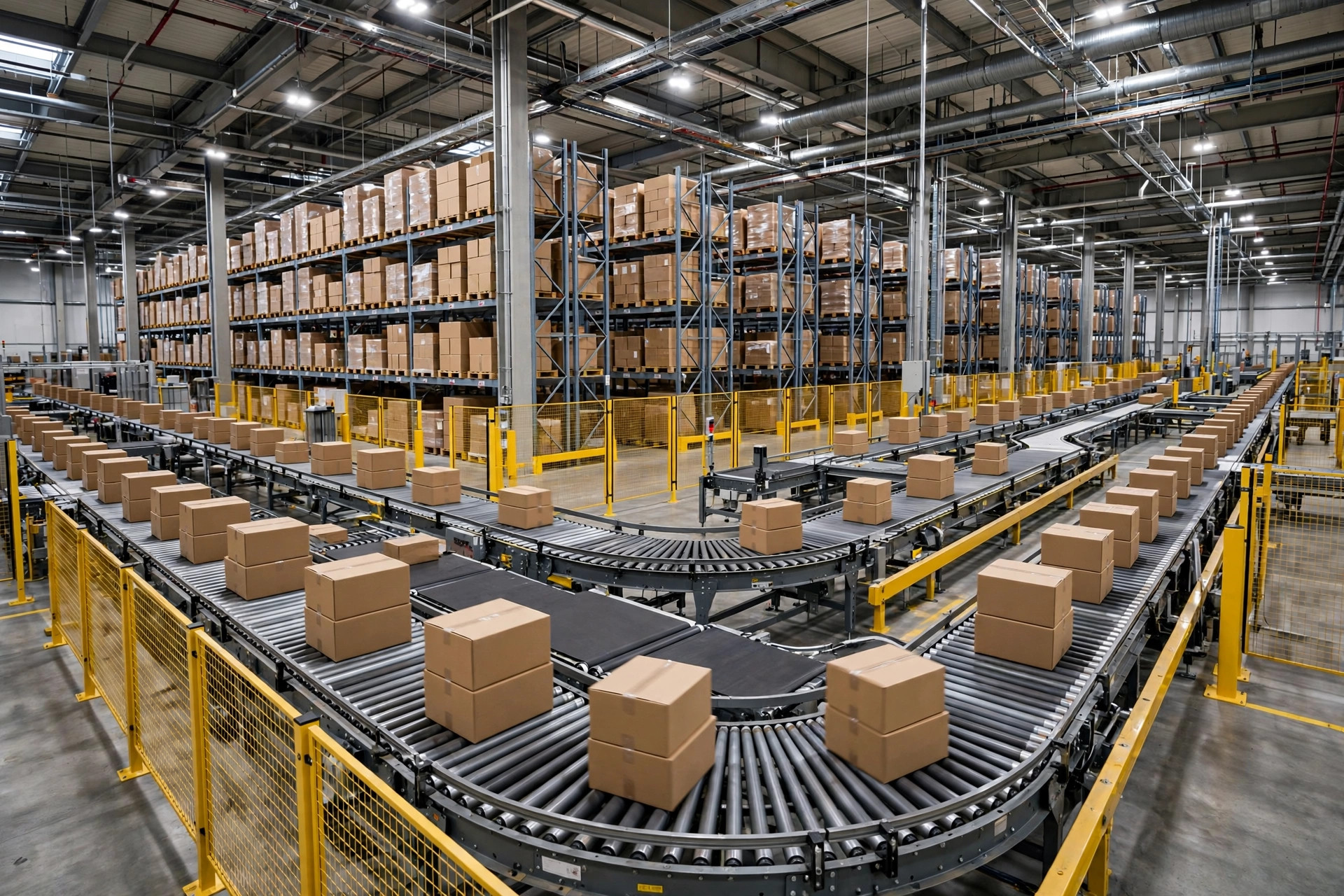
Fall 2023, Ohio. I was commissioning a sortation conveyor line for a 3PL — every conveyor in place, every panel wired, one step away from power-on. Then the local AHJ (Authority Having Jurisdiction, the electrical inspector who signs off your installation) walked the floor and said six words: "No NRTL mark, no power." The project manager went pale. Over a million dollars of equipment sat dead in that warehouse for nearly two weeks, all because of a label.
When we did the post-mortem, the equipment wasn't the problem — our understanding of the ul vs etl certification difference was. Plenty of overseas manufacturers walk in assuming "US market = UL." Here's the uncomfortable truth: UL and ETL are legally equivalent. What differs is the issuer, the money, the timeline, and the market perception. This is the straight version, for conveyors, AMRs, and AS/RS control panels.
UL vs ETL Certification: The Legal Reality First
The short version: UL and ETL are not Coke vs. Pepsi. They're the exam board vs. the grading teacher.
OSHA runs a system called NRTL — Nationally Recognized Testing Laboratory — under 29 CFR 1910.7. The rule is simple: electrical equipment installed in the US must be tested to the applicable standard by an OSHA-recognized lab and carry its mark. Both UL (Underwriters Laboratories) and Intertek (the body behind the ETL mark) sit on that NRTL list. Legally, they carry identical weight.
Here's where they diverge: UL writes the standards (UL 508A for industrial control panels is the one you'll meet most in warehouse projects) and tests against them — it grades its own exam. Intertek's ETL program takes that same UL-written standard, runs the same tests, and issues the ETL mark if you pass. Same test paper, different grader. The score — your equipment's safety — is identical; only the name on the stamp differs.
So what the AHJ is looking for on site is an NRTL mark, not the UL mark. By law, an inspector cannot reject your panel just because it carries ETL instead of UL. OSHA is explicit on this.
A real story. Early 2024, an e-commerce warehouse project outside Atlanta. Our conveyor control panels carried the ETL mark. On inspection day the AHJ stared at the label and said, "I only recognize UL." Our PM didn't argue — he pulled up OSHA's published NRTL directory on his phone. Intertek, right there on the list. Twenty minutes later, signed off. Most "ETL isn't accepted" stories are an inspector's personal habit, not law. The directory settles it on the spot.
UL vs ETL: Cost, Timeline, and the 5-Factor Decision Framework
Principles covered — now the selection line. After years of watching these decisions play out, it comes down to five factors, in priority order:
| Factor | Leans UL | Leans ETL |
|---|---|---|
| 1. Customer/AHJ specification | Contract says "UL Listed" — don't fight it | Not specified — ETL is fully sufficient |
| 2. Retailer/owner vendor manual | Manual names UL explicitly (check the latest official version) | Manual only says "NRTL Listed" |
| 3. Budget | Money is no object | ETL initial certification runs ~$10,000–$35,000, typically 25–50% less than UL |
| 4. Time to market | You can wait | ETL takes 3–8 weeks; UL typically 6–12 weeks |
| 5. Product risk level | High-voltage, high-current panels; hypersensitive customers | Standard roller conveyors, low-voltage controls |
Let's do the math. Take the control system for a mid-size sortation line: ETL all-in lands around $10,000–$35,000 depending on panel count and complexity. The same project through UL costs 25–50% more and adds 3–4 weeks. For a project racing a go-live date, time beats money — one week of delayed opening burns far more than tens of thousands in idle rent and labor for a 3PL. My rule of thumb: contract silent + tight schedule = ETL; contract specifies UL = UL, no debate.
And here's where I'll call out a fake requirement: some salespeople promise "UL Listed" to look premium, then hand engineering the bill. That's not premium — that's spending company money on personal vanity. Unless the customer explicitly requires it, ETL has zero legal disadvantage, and the extra spend is pure self-indulgence.
One note on AMRs, since I get asked constantly: the NRTL mark covers the electrical safety of the control system. Battery transport, functional safety — that's a separate compliance track. I've watched a vendor wave an ETL panel certificate as proof of "full machine compliance" and get dismantled in one question. The mark covers electrical safety. Don't oversell it.
The Part Nobody Tells You: Keeping the Mark Alive
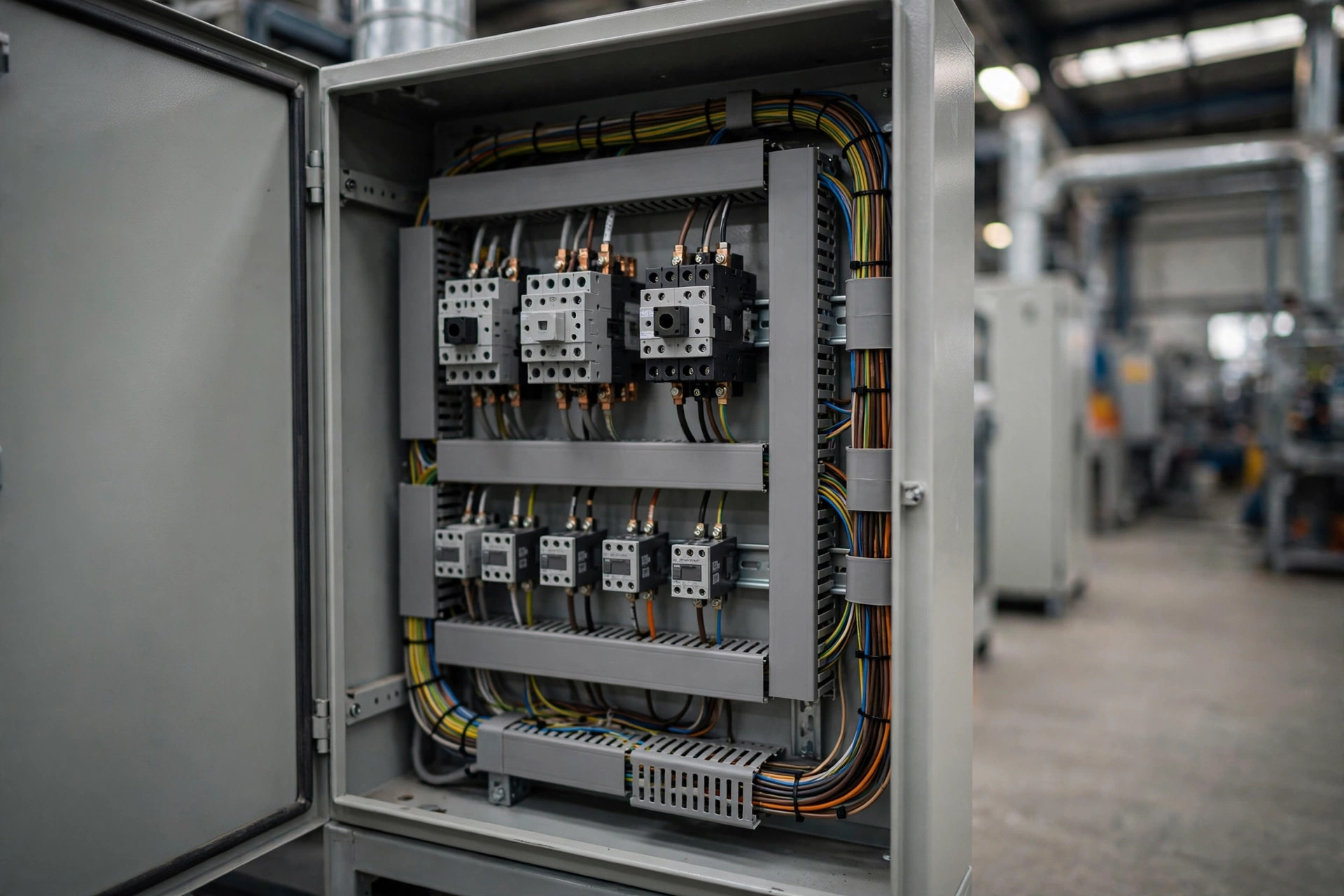
Most people treat certification as a one-time purchase. It's not. Both UL and Intertek require quarterly factory follow-up inspections: an inspector shows up four times a year and checks whether production panels match the tested sample, whether the BOM has been quietly swapped, whether the labels are applied correctly.
Another real story. 2022, Ontario, California. A conveyor builder swapped the breaker brand in its panels — same ratings, 15% cheaper — and figured "close enough" without filing a change notice. The Intertek inspector spotted it during a quarterly visit. Non-conformance on the spot, mark suspended for three months, retesting and corrective action cost them $18,000. The 15% procurement saving didn't cover a fraction of it.
Then there's the hidden cost nobody budgets: while your mark is suspended, nothing you ship can carry it, and project deliveries freeze. That Ontario builder lost a $400,000 order during its three-month suspension — far worse than the $18,000 retest bill. The maintenance trap never costs just the certification fee.
Three hard rules for the maintenance phase:
- Lock the BOM. Every critical component from the tested sample — breakers, contactors, power supplies, cable specs — goes on a controlled list. Before changing any of them, ask the issuing body whether re-evaluation is needed.
- Don't game the factory inspections. The inspector visits four times a year — more often than most customer audits. Whether the line still follows the certified process is obvious at a glance.
- Never touch certificate piggybacking. There's a gray market of "borrow someone else's UL file number for your labels." That's not a shortcut, it's fraud — and an AHJ can pull your entire installed base off the floor.
Both bodies charge annual/inspection fees on top of the initial certification; check each one's latest published price list and bake that holding cost into the project budget from day one instead of staring only at the initial quote.
Is the Extra Money Worth It? Look at This One Number
Here's the part that upsets people: the 25–50% premium you pay for UL often buys the purchasing manager's peace of mind, not higher safety.
The lab tests your sample against the same UL standard with the same test methods either way. Whether you pass depends on how solid your design is — creepage distances, temperature-rise margins, grounding done right — and has nothing to do with whose name is printed on the mark. I've seen UL-marked panels burn up contactors in the field, and ETL-marked panels run five years fault-free. The mark is a ticket of admission, not a report card.
Back to the opening question: conveyors, AMRs, AS/RS panels entering the US — UL or ETL?
Whether the money is worth it comes down to one number: does your sales contract literally say "UL Listed" in black and white? If yes, the premium is a cost of fulfilling the contract — worth it. If no, the 25–50% and the 3–4 weeks that ETL saves are real profit and real go-live speed.
One last honest line: mark selection is a commercial decision, not a technical one. Technically the two are equivalent; the rest is arithmetic. Lay those five factors on the table and the answer writes itself.
By Da Liu, Automation Engineer