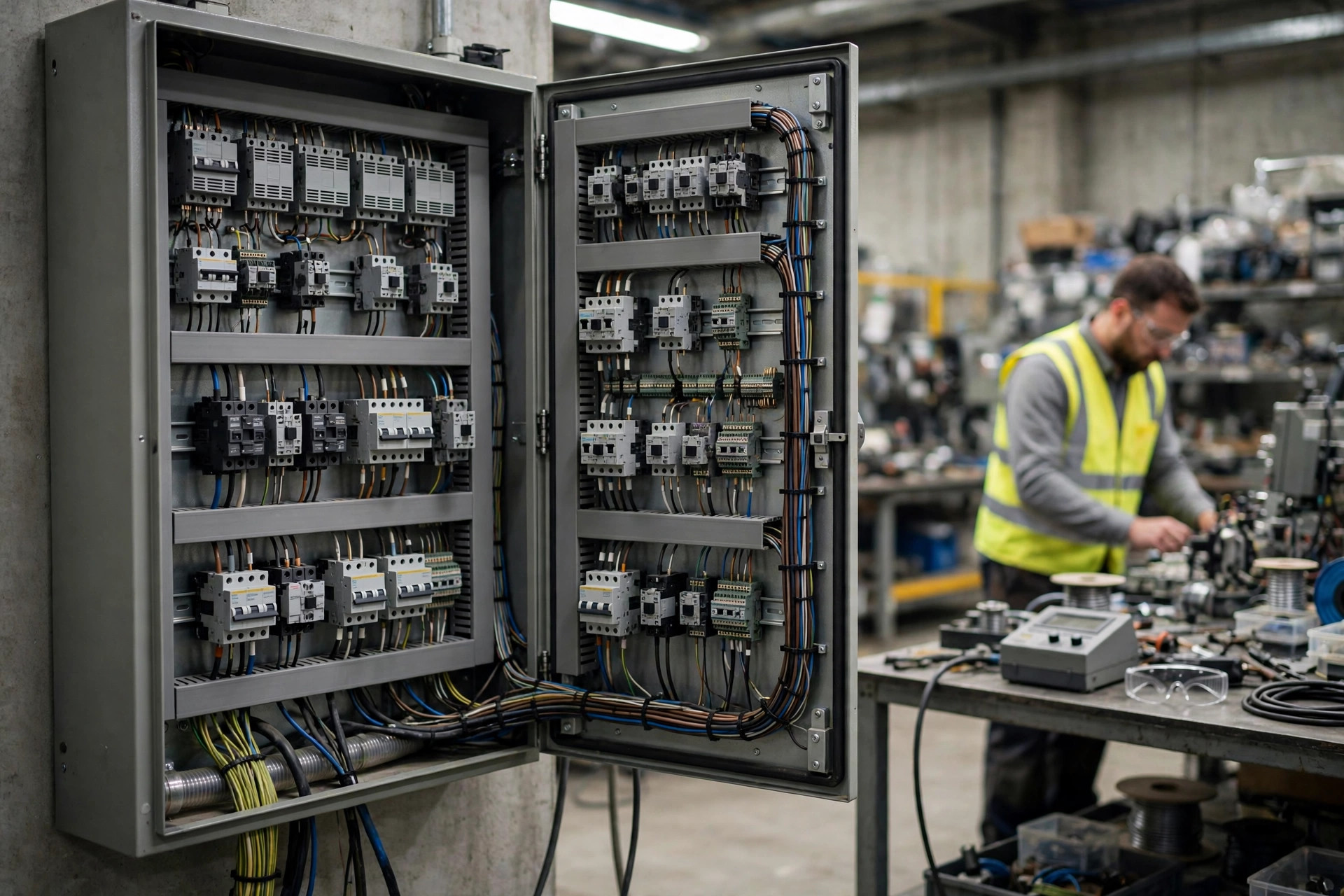
Last month, a friend who makes power banks messaged me at midnight: "Xiao Ma, how much does UN38.3 testing cost? I've got a new product going overseas." I was doing inventory in my warehouse and typed back without thinking: "A few thousand yuan, just find a lab." The next morning he sent me the actual quote. I went quiet. Lab fees, samples, and waiting time added up to a number that would make any small warehouse owner sweat. We small players can't afford to burn money blindly, so let me break this bill down for you, line by line.
The Lab Fee Is the Smallest of Three Bills
Asking "how much is the test" is asking the wrong question. There are really three bills. Here's the first one.
Bill #1: The lab fee
| What you're testing | Typical market range | Notes |
|---|---|---|
| Single cell (e.g., 18650, pouch cell) | ¥8,000–15,000 | Entry-level labs publicly list around $400; confirm with the lab's latest quote |
| Finished battery / battery pack (with BMS, housing) | ¥15,000–30,000 | More complex builds cost more; large storage batteries quoted separately |
| Rush service | Extra | Get it in writing; never trust a verbal "a few thousand" |
That range comes from published lab quotes and cross-border compliance references (a full UN38.3 package usually lands between ¥8,000 and ¥30,000), but every lab and every product is different. Always go by the testing lab's latest written quote — don't treat this article as a price list.
Bill #2: Samples (you don't get these back)
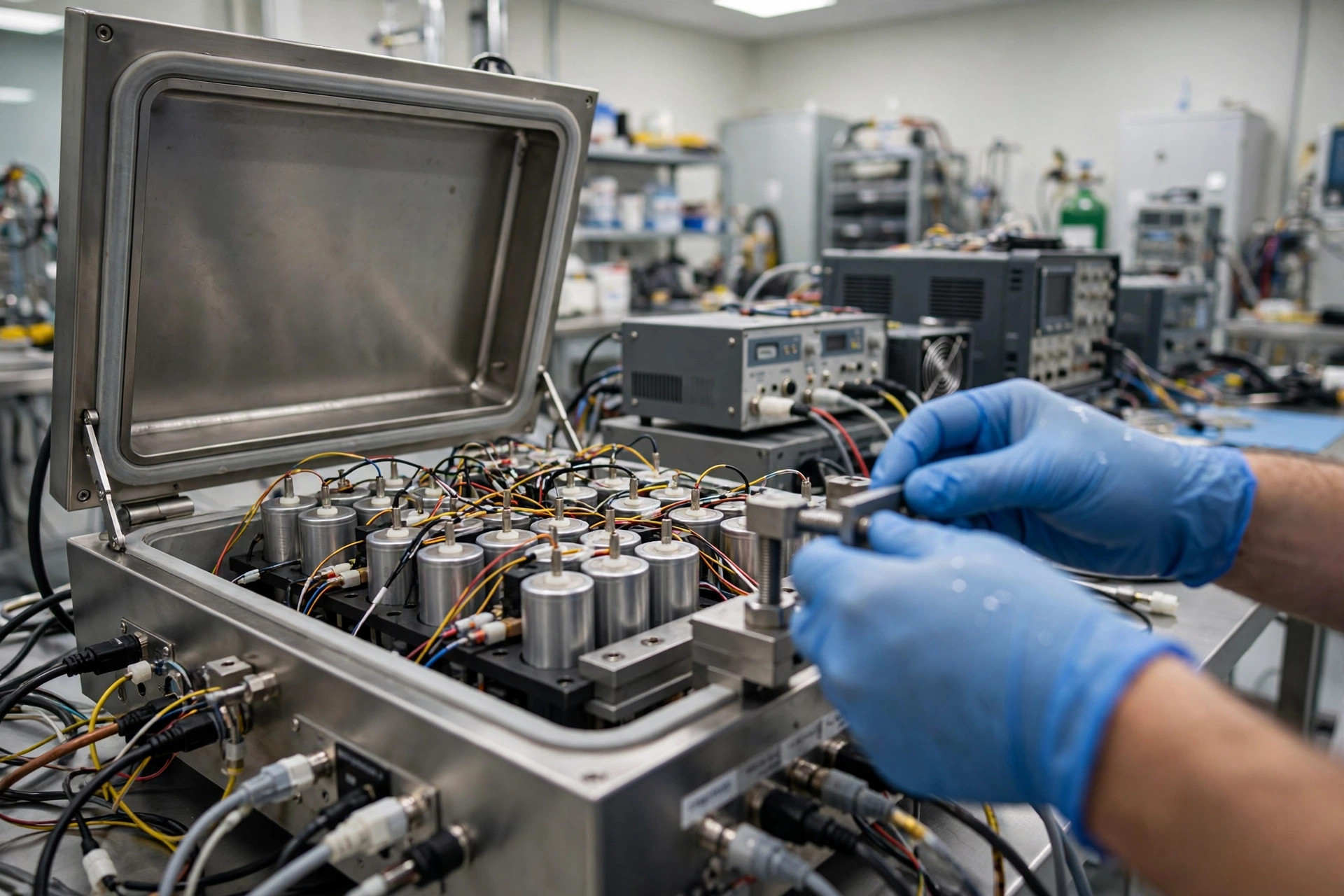
The test has 8 parts (T1–T8: altitude simulation, thermal cycling, vibration, shock, external short circuit, crush/impact, overcharge, forced discharge), and every part eats samples:
| Sample type | Typical lab requirement | How to estimate cost |
|---|---|---|
| Finished batteries | ~20 pcs | quantity × unit cost |
| Cells | ~55 pcs | quantity × cell cost |
My power-bank friend shipped nearly a thousand yuan worth of product as samples, not counting the courier bill.
Bill #3: Time (the most expensive one)
| Stage | Typical time | Notes |
|---|---|---|
| Lab testing (report included) | 4–6 weeks | Longer when labs are booked; go by the lab's schedule |
| Real case (an 18650 cell) | ~3 weeks | Samples received Jan 30, report issued Feb 21 |
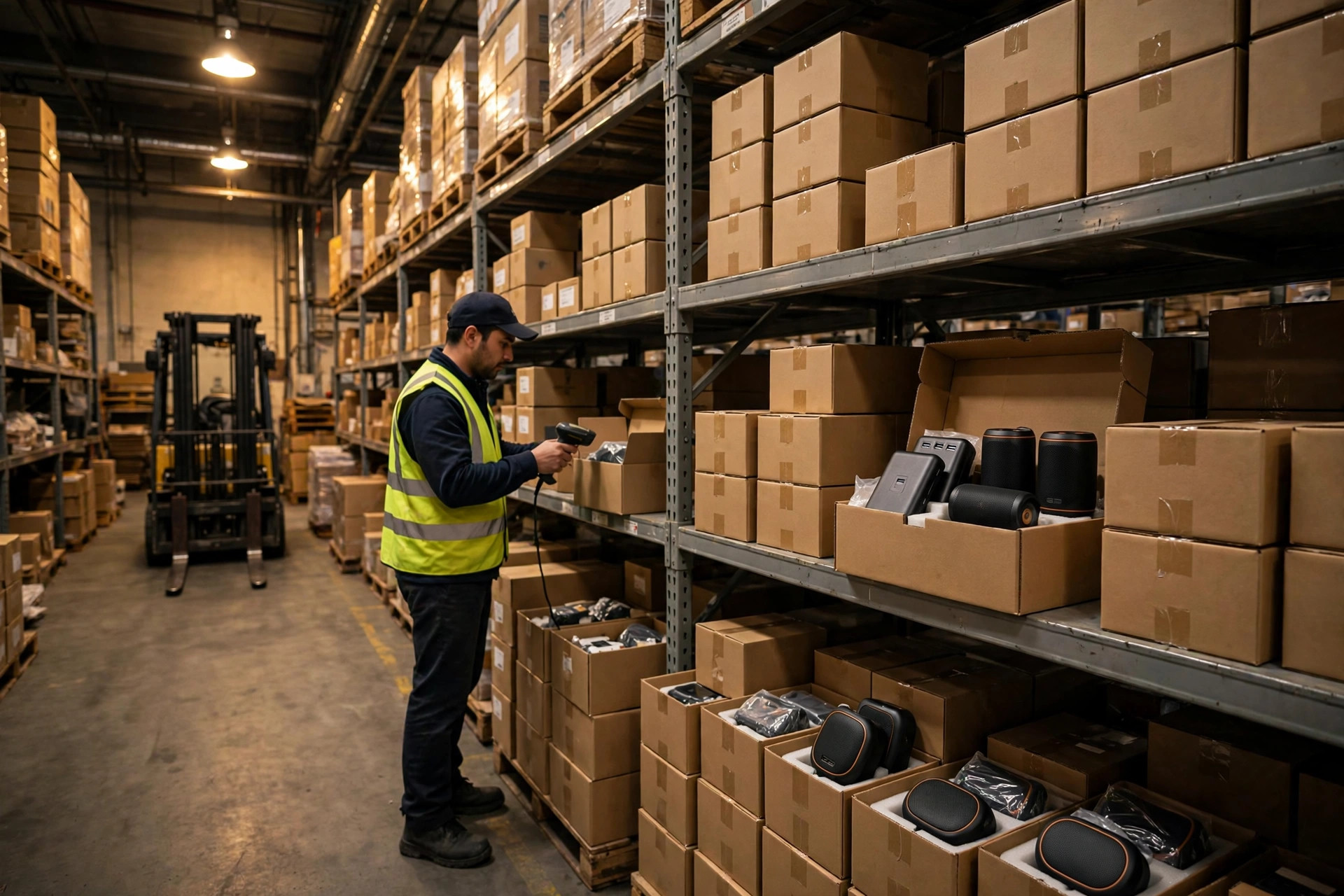
The UN38.3 Process: From Shipping Samples to Holding the Report
The process itself is simple. What's not simple is avoiding tuition fees at every step:
- Get quotes from accredited labs. Use a CNAS-accredited lab (airlines only accept reports from accredited labs). Send your product spec sheet and demand a written quote. Treat any verbal "a few thousand" as if it was never said.
- Ship samples + paperwork. Send the quantities above, plus the cell/battery spec sheet. The samples must match mass production — test with hand-made prototypes and then change materials in production, and your report is worthless.
- T1–T8 testing. The lab runs all eight tests per Section 38.3 of the UN Manual of Tests and Criteria. All eight must pass; one failure means fixing the design and retesting (ask upfront what retests cost).
- Review the draft report. The lab sends a draft first. Check the model number and manufacturer name character by character — the model on the report must match your shipped product exactly.
- Collect the formal report + test summary. Keep the full report on file. The test summary is what forwarders, airlines, and marketplaces ask for — attach it with every shipment.
When You Can Skip the UN38.3 Test (and the Bill) Entirely
Money-saving time. Three situations where the testing fee drops to zero — each with its own trap, so hear me out:
Situation 1: You're a trader selling the factory's finished product as-is. Same exact model number, and the factory can hand you the test summary for that model — use it directly, pay nothing. This is the sweetest deal for small sellers. Ask the factory "do you have the report?" before placing the order. A factory without one gets crossed off the list. That question alone saves more than anything else.
Situation 2: Bundle multiple models and negotiate a package price. If you have a product line, don't send models one by one — batch them and haggle. But beware: UN38.3 is strict about what counts as the "same model." Different capacity, different structure, or a different cell supplier can each mean a new model. Ask the lab "does one capacity variant count as a new model?" before you assume anything. Assumptions get retested.
Situation 3: Plan early and dodge the rush fee. Put UN38.3 on the timeline the day the new product is approved. Waiting until two weeks before the vessel sails and then paying rush fees wipes out every yuan you saved — and then some.
Two more lessons, both from real life around me:
Last year a client making Bluetooth speakers swore his supplier's "paperwork was complete." What he got was a UN38.3 report for the cells — the finished speaker had never been tested. The goods reached the forwarder's warehouse in Hong Kong and the airline rejected them. Retesting took over a month and nearly blew the Christmas season. It cost him ten thousand-plus extra, and he almost fired me as his warehouse. Remember: a cell report is not a product report. A pack you assemble yourself needs its own test.
Then there's Lao Wang next door, who makes power banks. He switched cell suppliers to save a few cents per cell. During a marketplace spot check, the test summary's cell model didn't match what was actually inside. Listing pulled for two weeks. Switching cell suppliers = new model = dead report. Those few cents cost him more than the test ever would.
The 2026 IATA Change You Need to Know
UN38.3 is the ticket that says your battery can be shipped. IATA rules decide how. Starting January 1, 2026, the 67th edition of the IATA Dangerous Goods Regulations brings a change that hits us directly: the 30% state-of-charge (SoC) limit, previously mandatory only for standalone batteries (PI965), extends to batteries packed with equipment (PI966) — changing from a recommendation to a hard requirement (for cells/batteries over 2.7Wh). Lithium-ion-powered vehicles (UN3556, battery over 100Wh) face the same mandatory 30% cap.
In plain language: from 2026, your power banks and battery-powered devices can't fly at full charge anymore — they have to ship at 30% or below. Factories need a discharge step before shipping, and warehouses should spot-check incoming stock. The details get tweaked every year, so go by the latest policy on IATA's official site — don't run on last year's experience.
Advice for Fellow Small-Warehouse Owners
Don't cheap out on the testing fee itself — it's the price of being allowed to ship at all. But small warehouses have their own way of surviving: ask the factory for the report before ordering (free is the best price), batch multiple models for a volume deal (wholesale always beats retail), and put testing on the calendar the day the product is approved (planning ahead is how you never pay rush fees). Once the report arrives, save the test summary separately — shipping, customs, and marketplace reviews all want it, and you don't want to dig through files every time.
Big companies handle certification with a legal department. We handle it with good memory and early planning. Small warehouses have their own way of making it work — spend every yuan where it counts, and life stays comfortable.
By Xiao Ma, Small Warehouse Owner