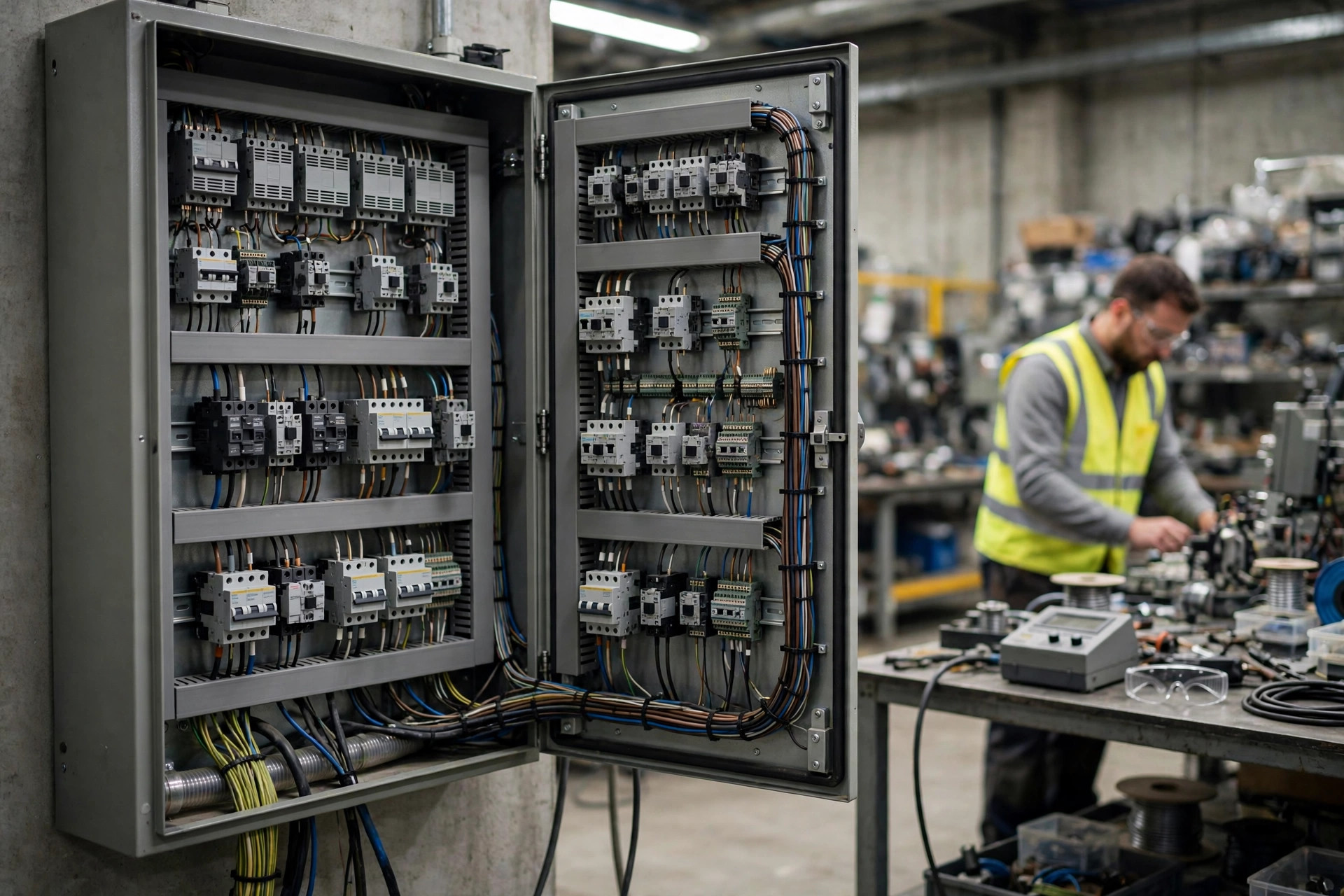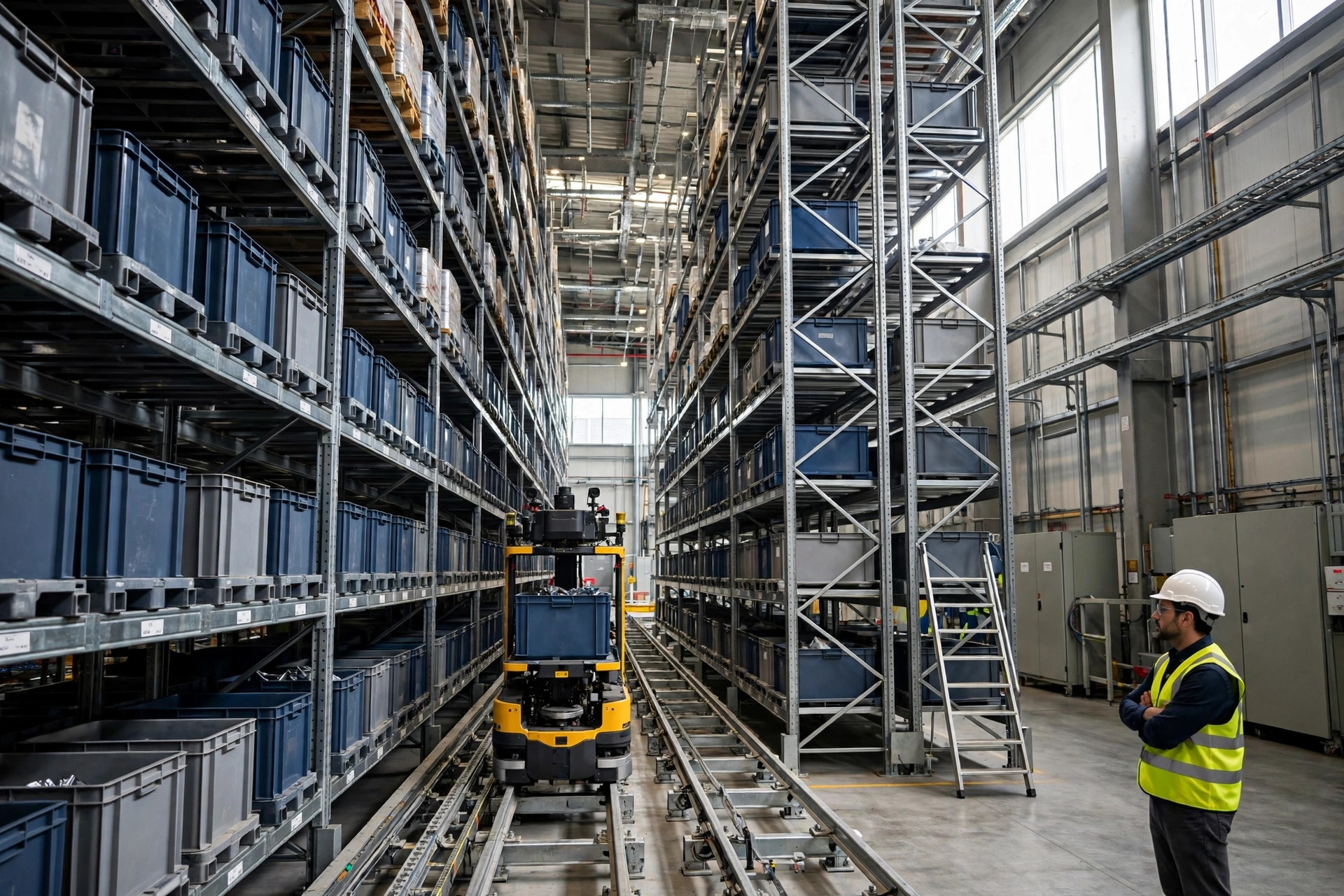
We had a client, a four-way shuttle maker out of Shenzhen, that landed a deal with a German 3PL last year — 200-plus shuttles for a new high-density warehouse. The commercial side went beautifully: three rounds of price negotiation, and what finally closed it was one line we helped them add to the proposal: "full-machine UL and CE certification included." The client's legal team saw the word "certification," gave it a green light, and even skipped a round of technical clarification meetings.
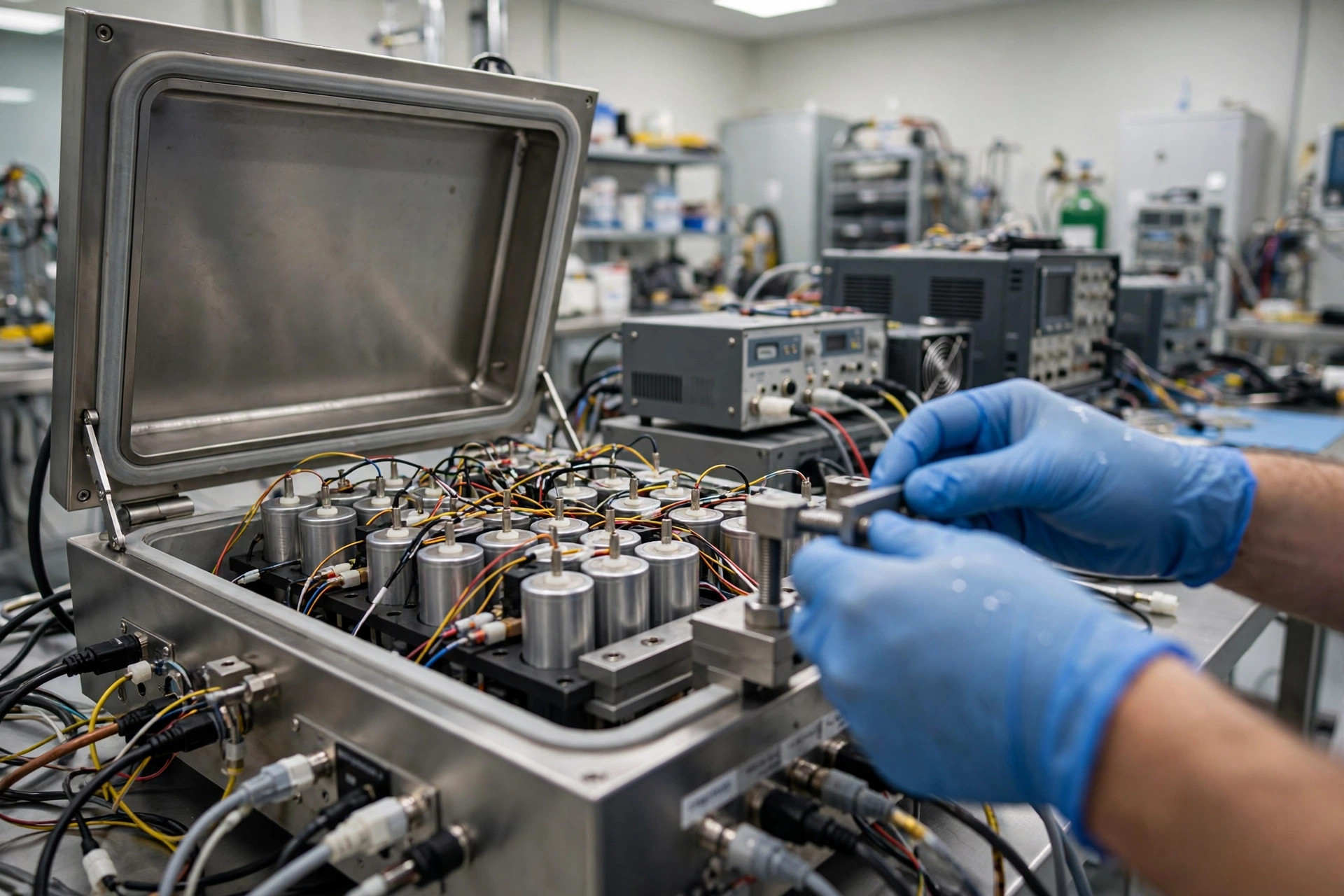
Then the trouble started. Whole-machine certification means dragging one sample unit into the lab and testing everything — mechanics, electrics, software, wireless — all tied together. Midway through, the Wi-Fi module changed production batches. The lab's response: retest. Retesting meant rejoining the queue, which took over two months. Back in Germany, the warehouse construction had already topped out while the goods sat in Shenzhen burning storage fees, and the project manager's reminder emails kept getting cc'd higher and higher. In the end the project slipped by more than four months, and delay penalties nearly ate the entire margin. The boss told me afterward: if he'd known certification worked like this, he would have split it up in the quotation from day one.
This isn't an isolated case. In all my years signing warehouse equipment contracts, I've seen more four-way shuttle export deals die on certification than on price. So here's the breakdown: what UL and CE actually examine, how the math works for whole-machine versus split subsystem certification, and which contract clauses can save your life.
First, Get This Straight: UL and CE Are Not the Same Game
Plenty of people say "UL/CE dual certification" like it's a combo meal. It's not — two completely different games, with different rules, different examiners, and different ways of submitting your homework.
CE is mandatory market access for the EU: the CE mark is a legal requirement for equipment entering the European market, and the conformity route is written into EU directives and harmonized standards. You can't dodge it. UL, on the other hand, is not legally mandatory at the US federal level — no federal law says "electrical equipment must carry UL." But the AHJ (the authority having jurisdiction at the job site), the insurer, and the facility owner only need one of them to say "no NRTL certification, no entry," and you're not getting in. UL is the dominant NRTL in the US. So when a vendor says "we'll get it UL certified," what they're really buying is an admission ticket, with price and lead time set by the market — always confirm current figures with the certification body.
Here's the counterintuitive part: precisely because UL is not "government-issued," it has far more commercial flexibility than CE. The CE conformity path is dictated by regulation — no shortcuts. On the UL side, which NRTL you use, which standards you test against, and whether existing component certificates can reduce testing all have room for negotiation. Most manufacturers get this backwards: they try to cut corners on CE, then obediently join the UL queue and take whatever price they're given. Do it the other way around: walk the full CE path by the book, and negotiate the UL strategy — scope, exemptions, scheduling — with the certification body.
Whole Machine in One Pot vs. Split It Up: Where the Money Goes
For four-way shuttles going abroad, the certification strategy basically comes down to two paths.
Path one, whole-machine certification: bundle the shuttle body, charging piles, electrical controls, and wireless communication into one "system" and certify it all at once, walking away with a single machine-level certificate. Path two, subsystem split: certify the drive unit, the electrical control cabinet, the charging system, and the communication module separately, then do system-level integration and a conformity declaration at the customer site.
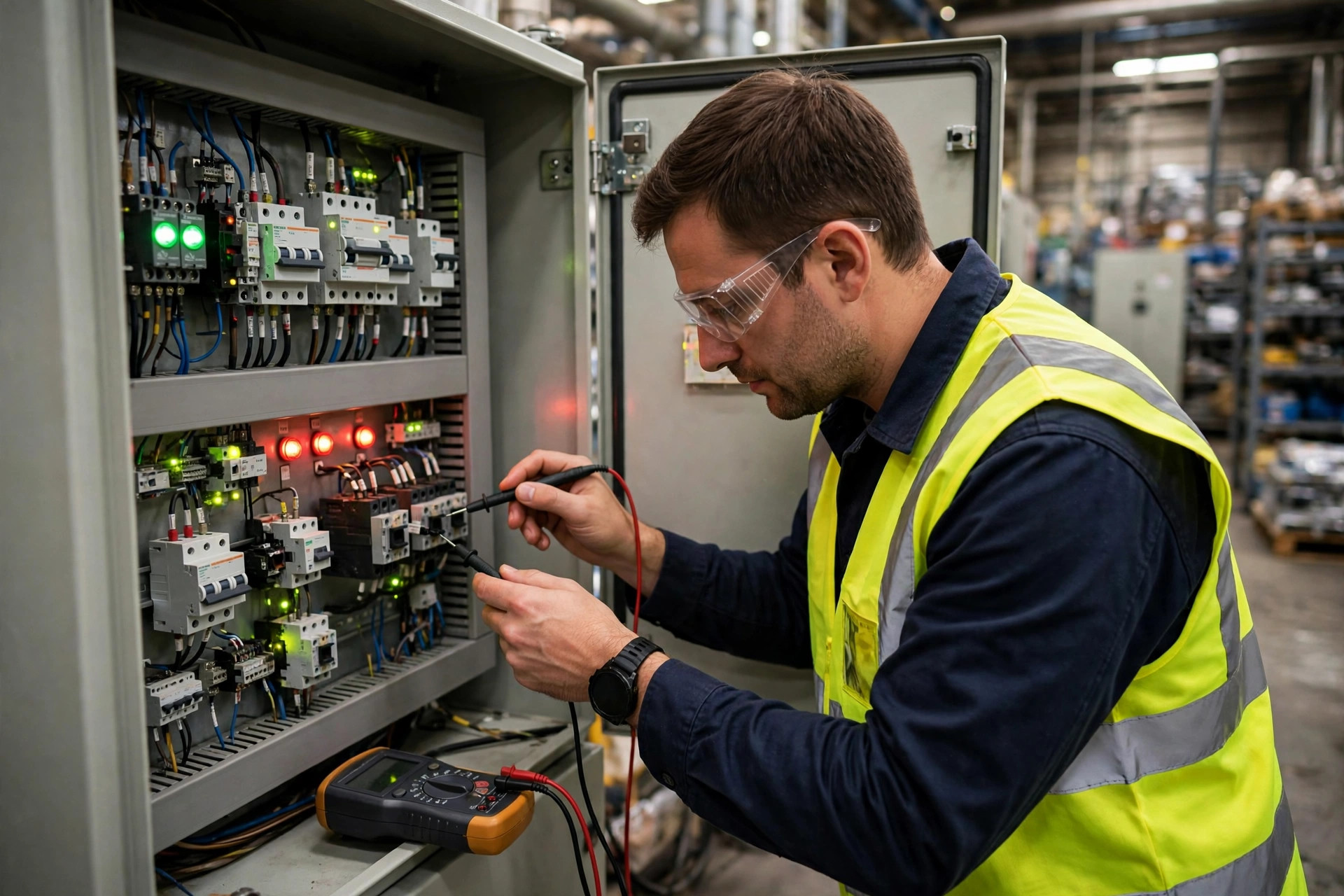
A systems integrator out of Suzhou took the second path on a US Midwest 3PL project in 2024. Their shuttle body carried CE for machinery safety, the electrical control cabinet went through UL 508A industrial control panel certification on its own, and the wireless module was an off-the-shelf unit that already held its certificates. At the US site, the AHJ wanted to see the cabinet's UL certificate and the machine's risk assessment file — both on hand, passed inspection in one go. More importantly: mid-project they switched navigation sensor suppliers. Because the sensor was a subsystem-level change, they only needed delta testing — the machine-level certificate was untouched. Under whole-machine certification, swapping a sensor would have meant retesting the entire unit and rejoining the queue.
Here's how the two paths compare in practice. Costs and timelines vary enormously by certification body and project — confirm current figures with yours — so read this as relative guidance:
| Whole-machine certification | Subsystem split certification | |
|---|---|---|
| What's tested | Vehicle + electrics + software + wireless, all at once | Drive, control cabinet, charging, comms tested separately |
| Cost profile | High, one big upfront outlay | Lower per item; total may be similar but amortizable and reusable across projects |
| Timeline | Long — one subsystem failing means the whole queue restarts | Shorter — subsystems can move in parallel |
| Cost of change | New batch or new supplier often triggers retesting | Only the changed subsystem needs delta testing |
| Commercial upside | "Whole-machine dual certification" is one easy bid sentence | Certificates are reusable; marginal certification cost drops on later projects |
| Biggest trap | One bottleneck in scheduling delays everything | System-level responsibility at site must be nailed down in the contract |
See the trade-off? Whole-machine certification is easy to sell and hard to execute; split certification is flexible technically but takes more explaining commercially. Our instinct as vendors is to pick whatever sells best. But once you've been burned, you learn: the easy-to-sell option is also the one where delay penalties are easiest to calculate — the client's lawyers do that math better than you do. And the real dividend of split certification comes later: the cabinet's UL certificate and the comms module's certificates can be reused on your next project and the one after. Bite the bullet on subsystem certificates once, and later certification costs fall off a cliff. Whole-machine? You start from zero every time.
And here's an insider detail most vendors won't tell you: some integrators insist on whole-machine certification not for compliance, but to lock you in. A whole-machine certificate is tied to a machine model — change the configuration and you're back in the lab, which means your product iteration pace is held hostage by a piece of paper. Under split certification, the subsystem certificates are in your hands, and so is the leverage. Next time an integrator insists on whole-machine certification, ask why. The answer often has nothing to do with compliance.
Three Certification Clauses for the Contract — They Can Save You Half a Year
Certification is half engineering, half contract writing. Of the certification disasters I've handled, eight out of ten trace back to something the contract didn't say. Ask these three questions next time you're negotiating an export equipment contract:
First: pin down the standards and who owns the certificates. "Vendor shall obtain relevant UL/CE certifications" says nothing. Spell it out: which exact standards (e.g., UL 508A for the control cabinet, EN ISO 12100 for machinery risk assessment), whose name goes on the certificate, and whether it can be reused on the vendor's other projects. If ownership isn't written down, the certificate you paid for becomes the integrator's asset — and next bid, they'll use your certificate to squeeze your price. I've seen it more than once.
Second: write who owns a certification delay into the penalty clauses. Most contracts only say "late delivery costs X per day" without addressing "delivery is late because certification didn't clear." In shuttle projects the equipment is often built and ready, stuck only on paperwork — whose delay is that? Leave it vague and you'll spend three months arguing. Suggested wording: delays from certification-body scheduling or standard changes are shared based on actual impact; delays from the vendor's failed samples and rework count as the vendor's. Say the ugly stuff upfront — it's cheaper than a lawsuit later.
Third: who pays for certification costs when something changes. Swapping suppliers or batches mid-project is routine, so the contract needs a line: delta testing for minor changes (like-for-like substitution) is on the vendor; retesting triggered by major changes (safety-related components) gets negotiated separately. Without this, the client can demand a full retest over a minor part swap — because it's not their money.
Next time you're at the table, ask these three: are the standards pinned down? Who owns a certification delay? Who pays when something changes? Certification strategy is a commercial decision wearing an engineering costume — negotiate it like one.
By Susan, 3PL Sales Director