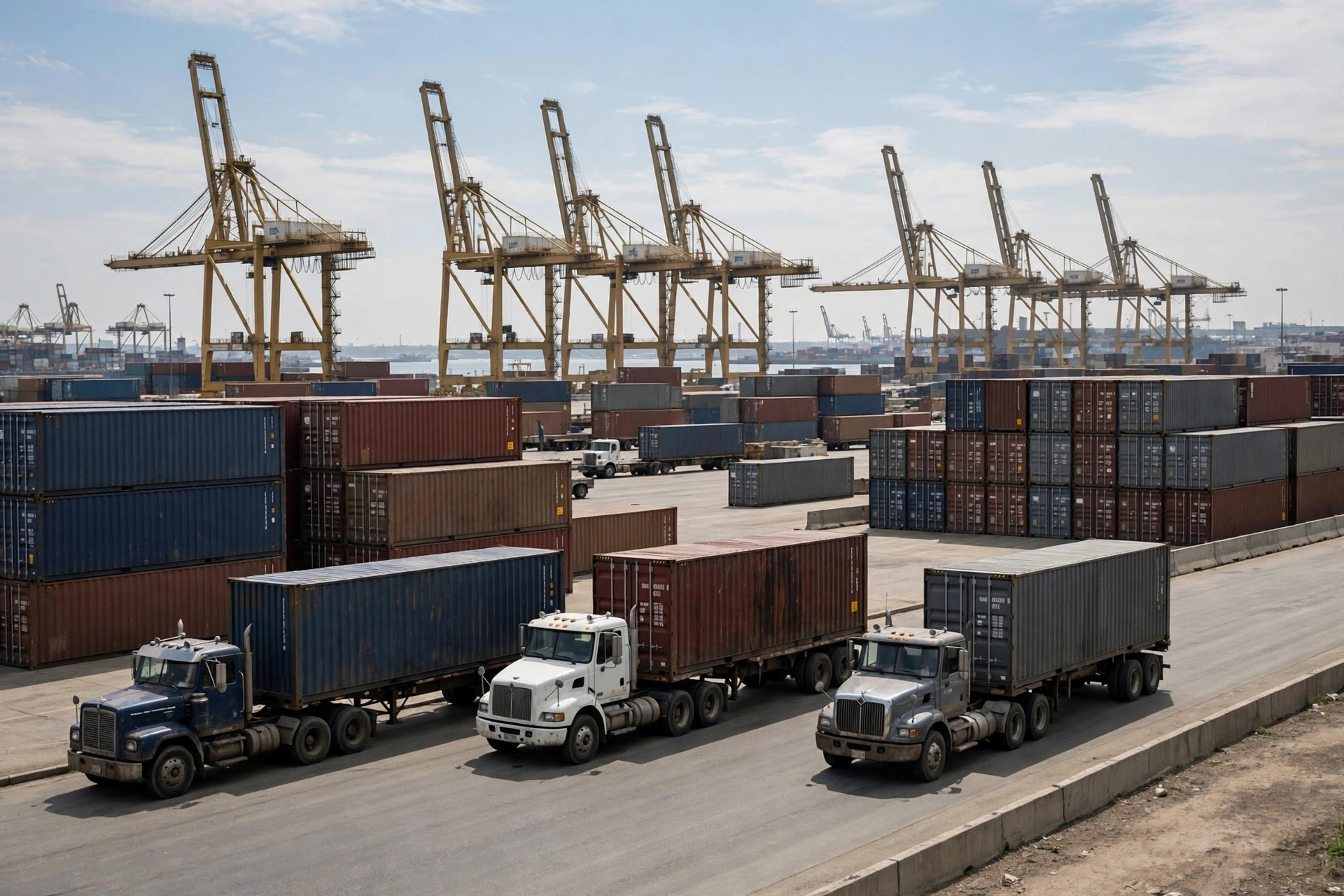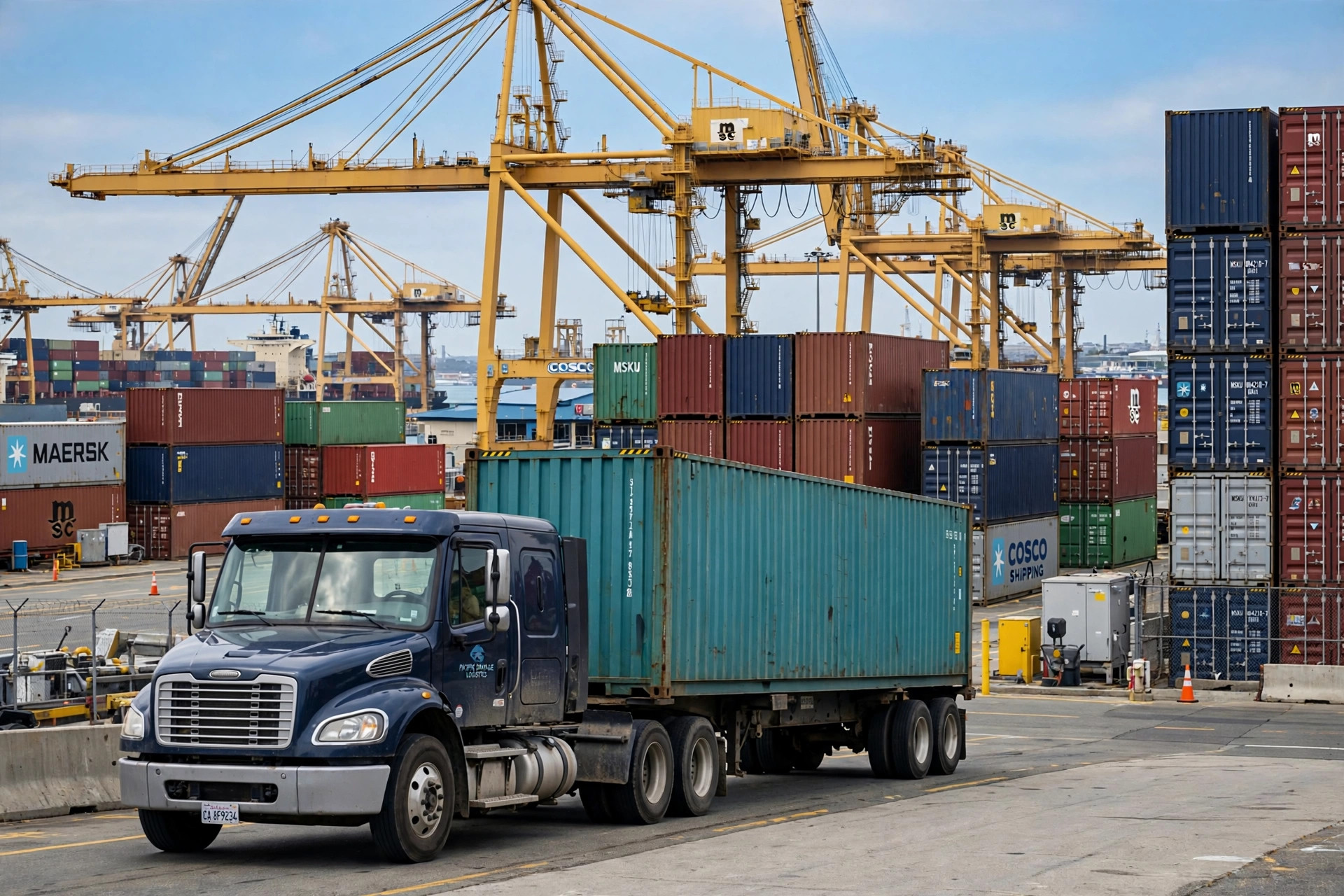
Let me tell you something. After fifteen years behind the wheel, the worst wrecks I've seen didn't happen on the highway. They happened at the port gate.
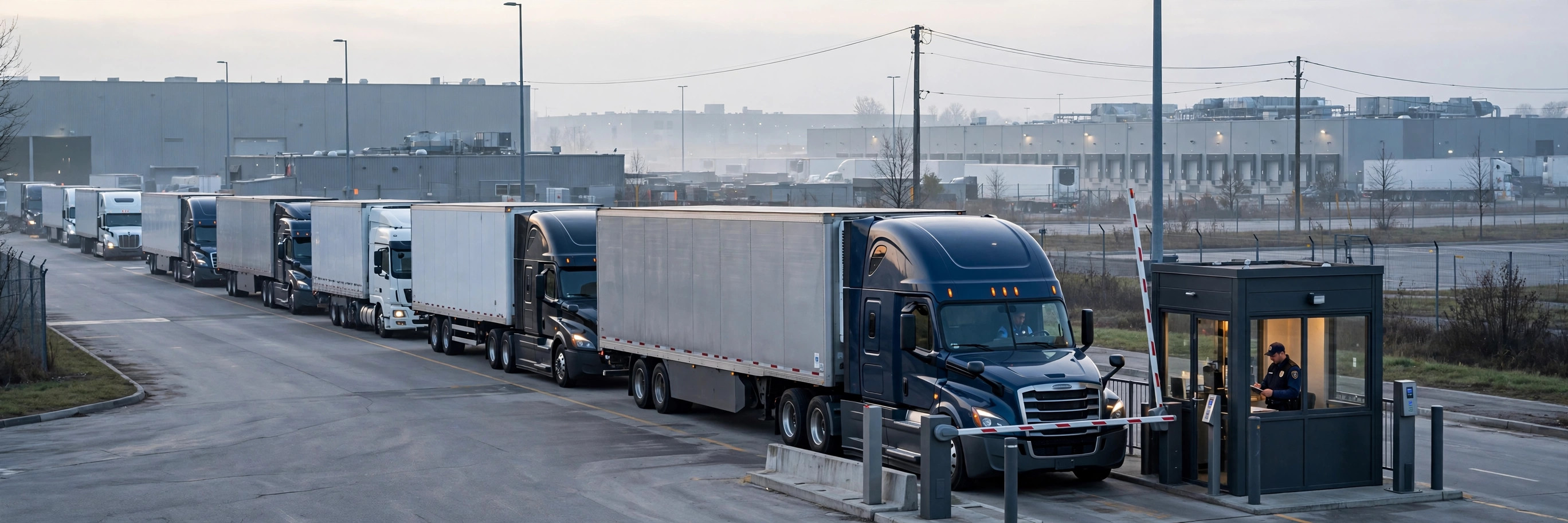
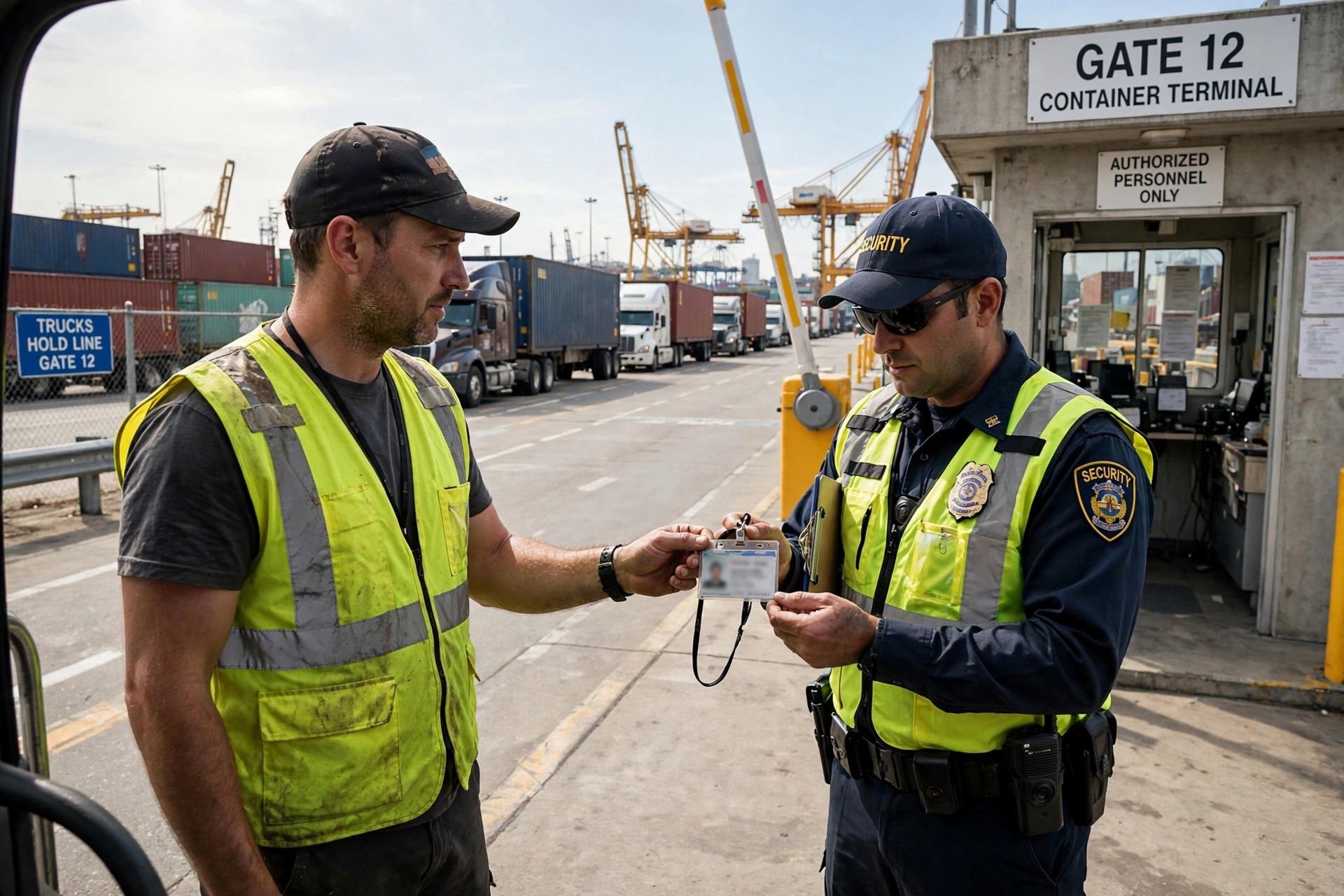
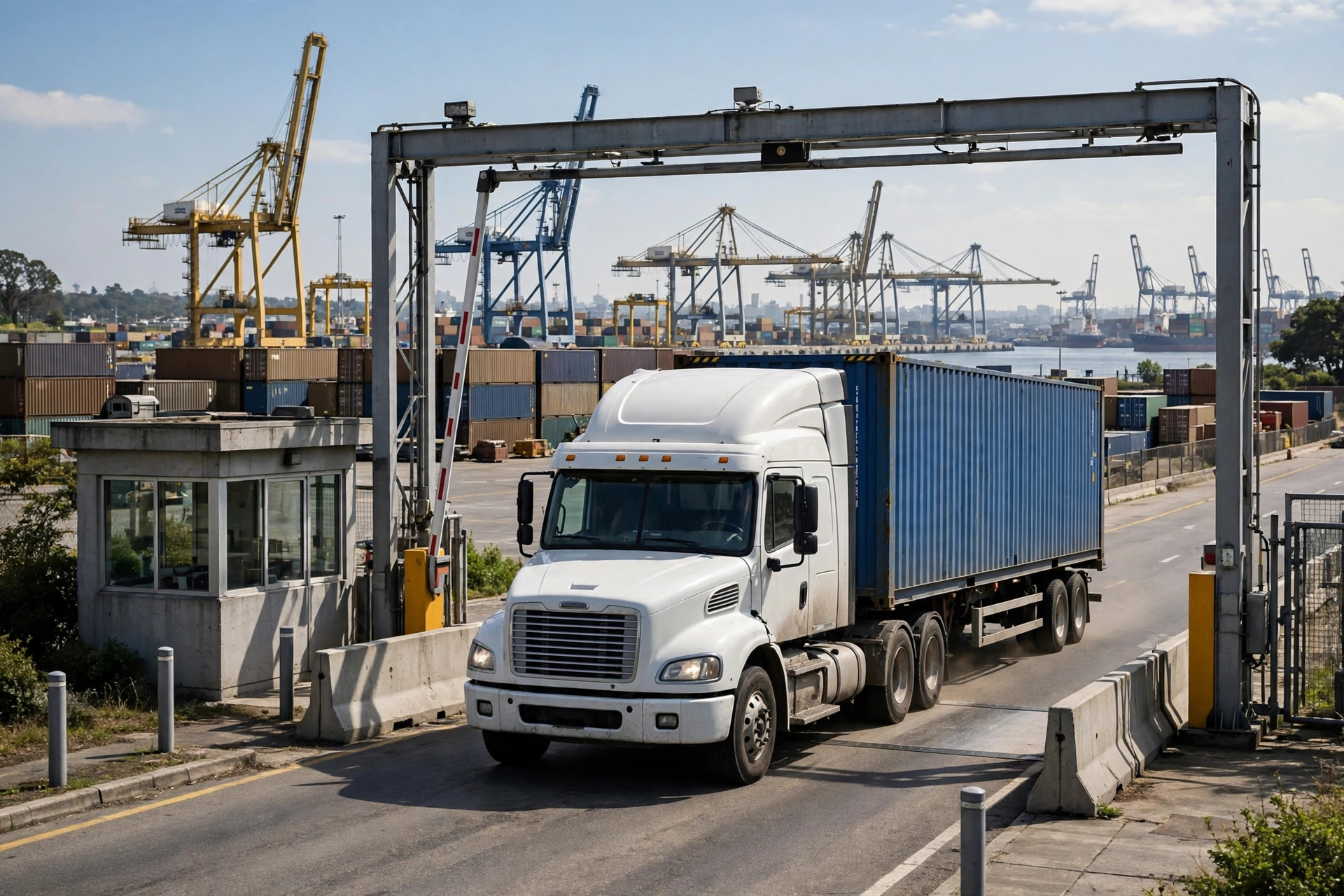
Last August, Port of Los Angeles. A driver in his forties pulls up with a 40-foot box, waits forty-five minutes in the gate line, and when his turn comes the guard holds out a hand: "TWIC card, please." The guy pats his pockets and his face goes white — left the card at home. The guard shakes his head and waves him to the side. A dozen trucks behind him start honking. He pulls over and starts making phone calls. That container missed its cutoff that day. The shipper missed the vessel, rebooked for the following week, and ate thousands of dollars in demurrage and rebooking fees. All for one forgotten card.
Here's what that tells you: if you haul drayage at U.S. ports, the TWIC card is your livelihood. No card, no gate. Doesn't matter how good your rig is or how clean your CDL is.
What the TWIC Card Actually Is
TWIC stands for Transportation Worker Identification Credential. It's issued by the TSA — the Transportation Security Administration, the same folks who run airport security. Under the Maritime Transportation Security Act, anyone who needs unescorted access to secure areas of U.S. maritime facilities and vessels has to hold one.
Plain English: TSA runs a background check on you — criminal history, immigration status — and if you come back clean, they hand you a tamper-resistant smart card with your photo and fingerprint data on it. The guard at the gate scans it, sees you're one of the good guys, and waves you through.
Who needs one? Drayage drivers first and foremost. Also dockworkers, mariners, and port facility staff. Bottom line: if your job takes you inside the port, this card is standard equipment.
The TWIC Application Process, Step by Step
It's not complicated. Six steps:
- Pre-enroll online. Fill in your basics on TSA's TWIC portal — name, date of birth, Social Security number, contact info, citizenship status. Or skip it and do the whole thing in person.
- Schedule an appointment. Book online or call (855) 347-8371, weekdays 8 a.m. to 10 p.m. Eastern. Walk-ins are accepted but appointments get priority — saves you a long wait.
- Visit a TWIC enrollment center. Bring your documents: a current U.S. passport works; without one, bring your driver's license plus birth certificate. Staff verify your ID, take your fingerprints, and snap your photo. Usually takes about fifteen minutes.
- Pay the fee. Non-refundable. Credit card, money order, company check, or cashier's check — no cash, no personal checks. I'll break down the costs below.
- Wait for the background check. TSA runs a Security Threat Assessment. TSA officially recommends applying at least 60 days before you need the card, and with current demand some applicants wait more than 45 days. Don't wait until the job is on the line.
- Get your card. Once approved, it's mailed to your home or you pick it up at the enrollment center. You can check your status online anytime.
TWIC Fees: Doing the Math
Let's talk money. These are TSA's currently published fees — double-check TSA's official site before you apply, since fee schedules do change:
- New applicant: $124
- Reduced rate: $93 — if you already hold a Hazardous Materials Endorsement (HME) or a FAST card, meaning TSA has already vetted you, you pay less
- Replacement card (lost or damaged): $60
- Renewal in person: $124
- Renewal online: $116 — a few bucks cheaper than showing up
The card is good for five years. Do the math: that's roughly twenty-some dollars a year. Two or three port runs pay for it. And without it, you can't touch port work at all.
What If You Don't Have a TWIC Card?
I'll be straight with you: you're basically not getting in.
Some ports allow escorted access — someone with a TWIC walks you in and stays with you. But it has to be arranged in advance, the escort's time costs money, and plenty of terminals won't bother with one-off requests. You can't build a career on favors.
And here's the hiring reality: drayage companies put "TWIC required" right in the job posting. No card, your application goes in the trash. Some bigger carriers will reimburse your enrollment fee, but you need the card — or a firm commitment to get one immediately — before they'll talk to you. After all these years on the road, my take is simple: if you want to eat from the port table, the TWIC card is the price of admission. No negotiation.
The Counterintuitive Part: A Card Doesn't Mean Smooth Sailing
New drivers think the card solves everything. It doesn't. Three things nobody tells you:
First, every port has its own system. TWIC is federal-level clearance, but the Port of LA, Long Beach, NY/NJ — each terminal runs its own truck appointment system and gate registration. You still have to register in their system and book your pickup slot. TWIC gets you through the door; it doesn't let you walk in whenever you please.
Second, TSA keeps watching. The card isn't a lifetime pass — TSA does recurrent vetting of cardholders, and renewal means going through the background check all over again.
Third, don't sit on a lost card. Replacement is $60, not bad — but while you're waiting, you're not working. I keep my TWIC and my license in separate places. Lose one, the other keeps you moving.
Advice for Shippers and Drivers
For shippers: when you're picking a drayage carrier, don't just chase the lowest rate. Ask one question first: what's your drivers' TWIC coverage? How many cards are expiring soon? I watched a shipper go with a cheap outfit a couple of years back — the driver they sent had an expired card, and the container sat outside the gate for two days. Every dollar saved on the rate went straight into demurrage. There's an old truth in this business: you get what you pay for.
For drivers: start your renewal six months out. TSA says 60 days minimum — take their word for it. Renew online for $116, mail the old card back, and save yourself a trip.
Fifteen years on the road taught me this: in our line of work, your credentials are your livelihood. Your CDL is your livelihood. Your TWIC card is your livelihood. There's an old saying back home — sharpen the axe before you chop the wood. Get the card sorted, the gate opens, and the work follows.
By Shifu Zhao, Trucking Veteran (15 yrs)