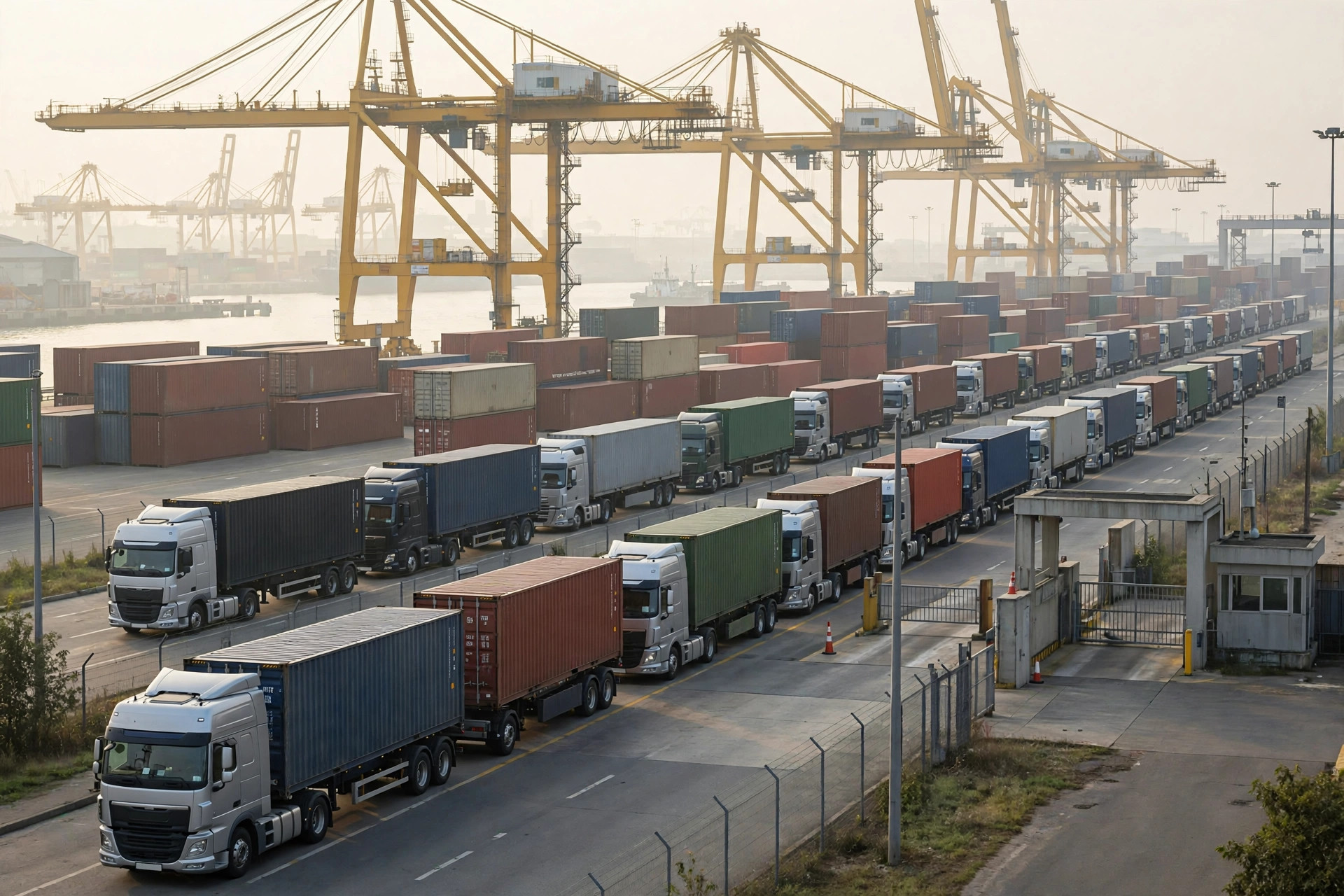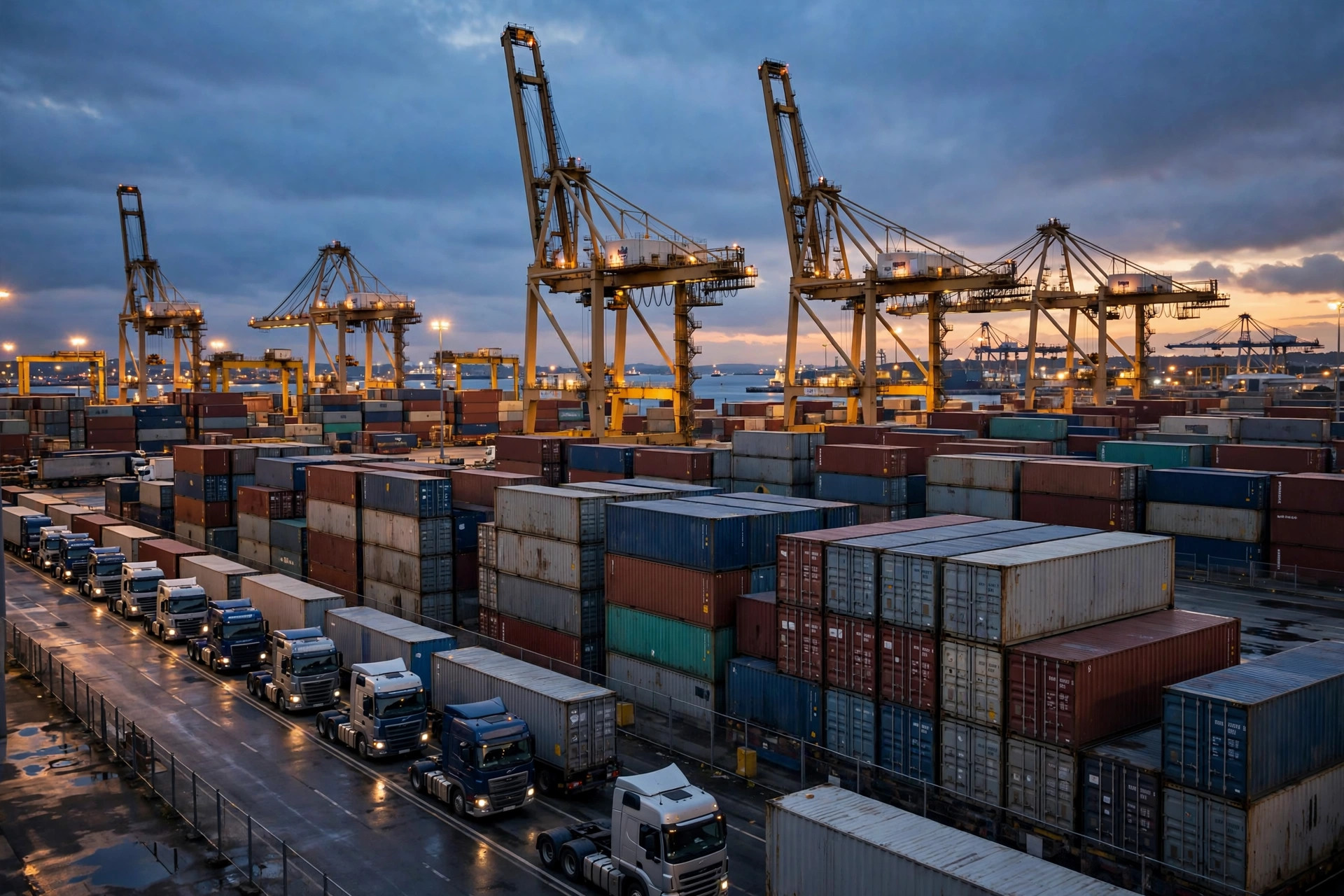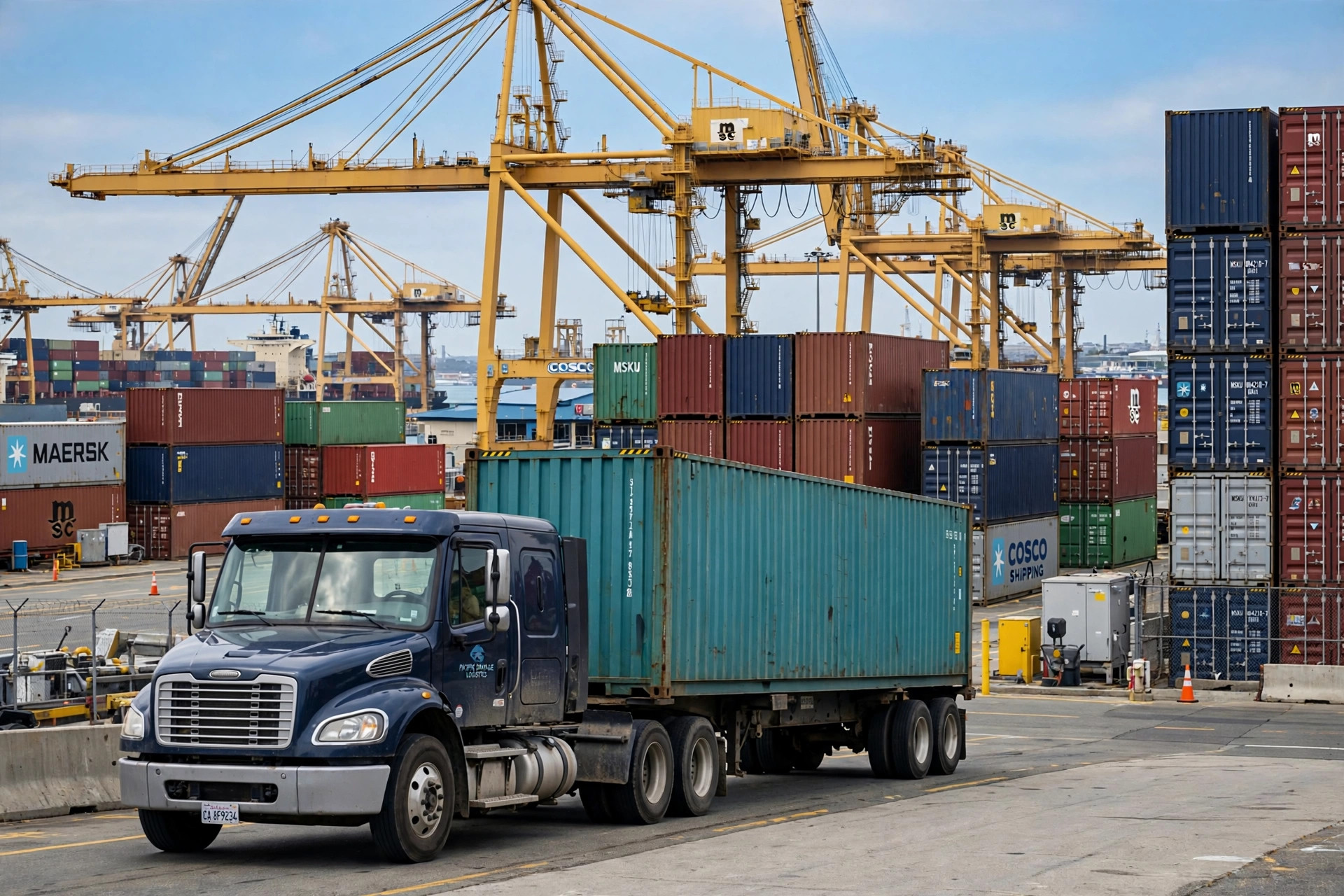
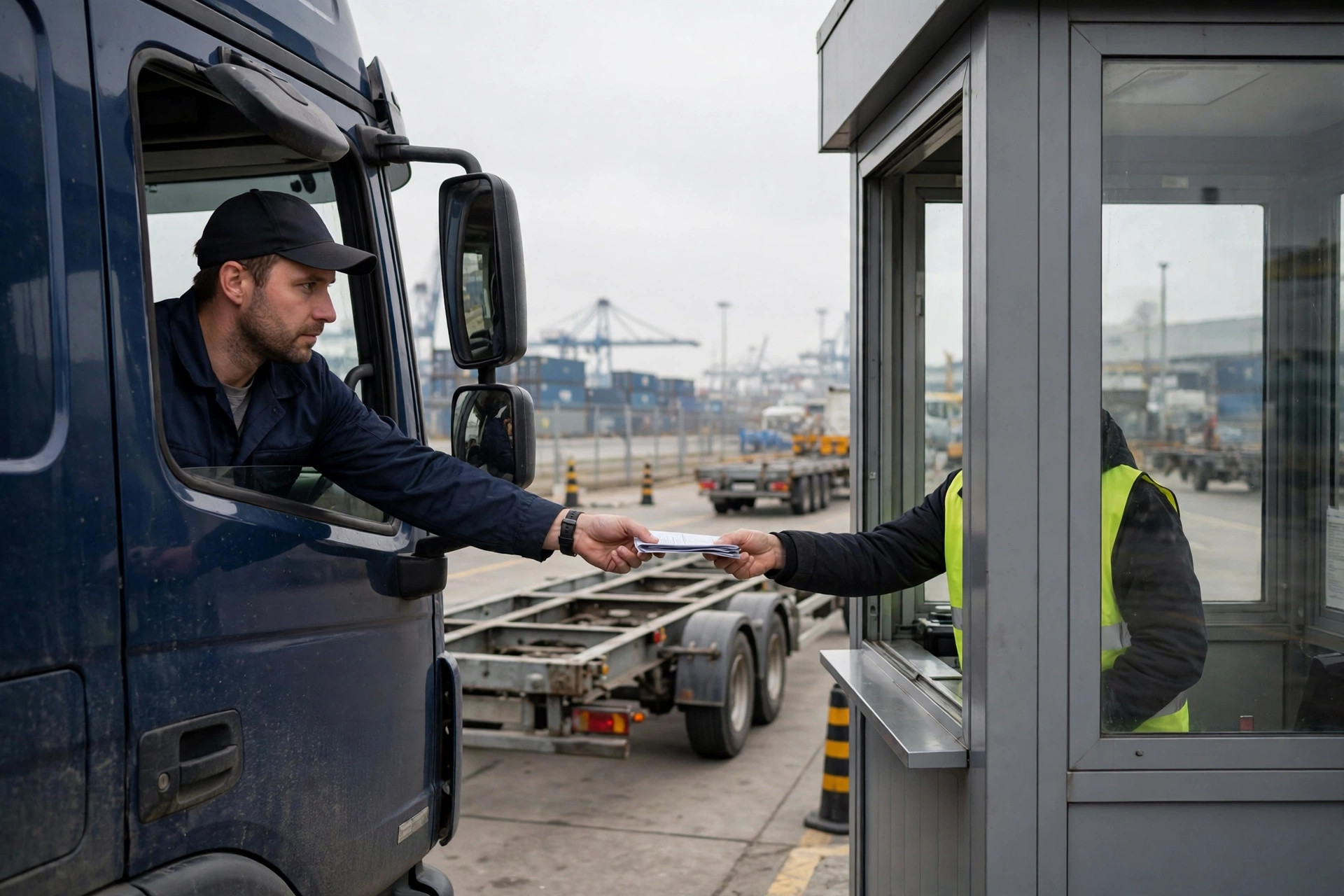
Four-thirty in the morning, Port of Long Beach, last summer. I got there early and the line at the gate already stretched half a mile — a river of headlights, like rush hour at a holiday parade. Let me tell you, after all these years on the road, that's just what the ports look like in peak season. Getting there early doesn't mean getting out early. It's all up to how the terminal feels that day.
I was pulling a 40-footer for a furniture importer out of LA, warehouse in Ontario. The box had just been released the night before and the guy was blowing up my phone — "Shifu, can you get it out today?" What could I do but wait in line? By noon the terminal system went down and my pickup ticket wouldn't print — another hour gone. By the time I dragged that container to the warehouse, the receiving crew was packing up for the day, and the guy at the dock did not look happy.
Later the importer vented to me. He'd gone with the cheapest of three drayage quotes, and that month the "surcharges" alone cost him more than the actual trucking. I told him, brother, that's the classic mistake — you only read the first line. A drayage quote was never about one number.
Here's the thing: on a typical drayage invoice, the money that actually pays for "driving the truck" is sometimes less than half. The rest is line items. Line items aren't scary. What's scary is not knowing they exist.
What a Drayage Quote Is Really Charging You For
Let me break a drayage rate sheet into its six real components, plain and simple.
One, the linehaul. This is the honest money — moving the box from A to B, usually priced by distance and zone. Long Beach to Ontario has a going range everybody in the business knows. The linehaul is the only line you can truly compare across quotes, but remember: it's one-sixth of the story.
Two, the chassis. A container can't walk by itself; it rides on a chassis, and most chassis in the US now come from shared pools that charge for every use. Some quotes bury the chassis fee in the linehaul, some list it separately as chassis usage, and then there's the trap called a chassis split — picking up the chassis in one place and the box in another, an extra trip with an extra charge. Always ask: is the chassis included, and could there be a split?
Three, the fuel surcharge. Diesel prices move every week, so no drayage company can lock in a flat rate — hence the surcharge. The catch is that everybody calculates it differently: some tie it to the DOE's weekly diesel average, some use their own table. Don't be shy about asking how they do the math. If they stammer, that's your answer about that company.
Four, port and terminal fees. Mostly pass-through — the drayage company isn't making money on these, but they will show up on your bill. The big one at LA/Long Beach is PierPass, the traffic mitigation fee for daytime gate moves, plus assorted terminal charges. These change often, so go by whatever the terminal and the steamship line publish on their websites; quotes usually say "billed as incurred."
Five, demurrage and per diem. This is the killer — and where shippers bleed the most. After the box comes off the ship, the terminal gives you a few days of free time. Past that, demurrage accrues by the day. Return the chassis and box late, and the ocean carrier bills per diem. These charges punish "nobody was watching the clock," and in peak season, when the port clogs up, a box sitting two extra days is the most normal thing in the world. The bill goes straight to the shipper. No discussion.
Six, accessorials. The junk drawer — everything lands here: pre-pull (yanking the box out of the terminal early and staging it in the yard to stop the free-time clock), waiting time for live unloads (the driver sitting at your dock, billed by the hour), overweight permits, empty-return drop fees, reefer plug-in and monitoring. Each one looks small. Together they'll scare you.
Two Hard Lessons: How the Cheapest Drayage Quote Gets Expensive
True story — that same furniture importer, last October, peak season. He'd compared three drayage companies and picked the cheapest, whose linehaul undercut the others by nearly twenty percent. He was pretty pleased with himself. Then one box got stuck when the terminal switched systems the day the vessel arrived — two days late pulling it, and the demurrage bill went straight to his office. Another load arrived on a day his warehouse was short-handed at receiving; the driver waited four hours at the gate, billed hourly. At month's end he did the math: what he'd saved on the linehaul didn't even cover a fraction of the extras.
What does that tell you? That comparing drayage quotes was never about the lowest linehaul — it's about the scope. Company A quotes low but bills chassis separately, pre-pull separately, and starts the waiting-time clock after just a short grace period. Company B quotes higher but includes the chassis, gives you free waiting time, and proactively pre-pulls your boxes in peak season. When the port jams up, B ends up cheaper. Every old hand in this business knows the rule: the lines you can't see on the quote are where the real money goes.
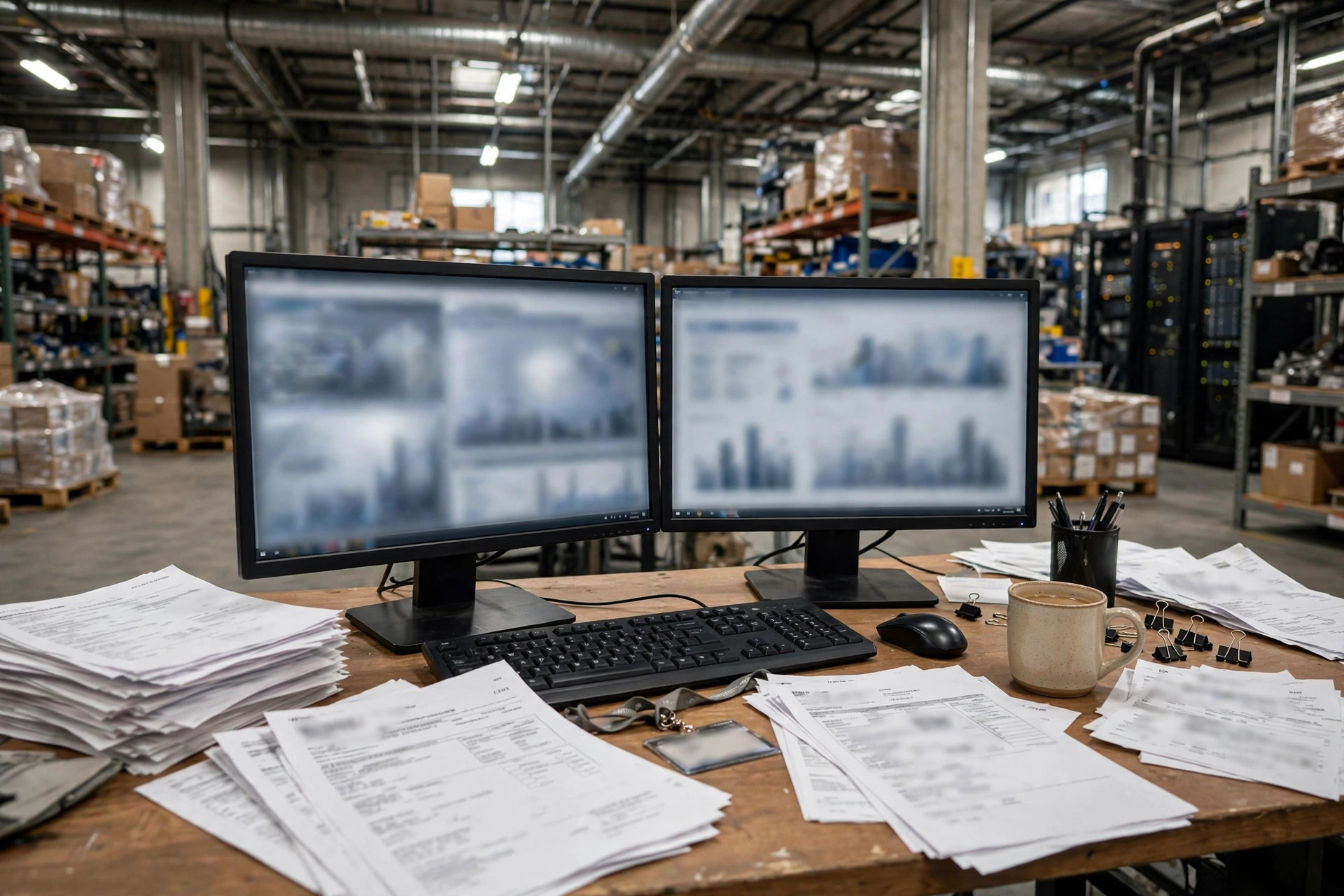
Here's one of my own scars. A few years back, also Long Beach, right when the terminal rolled out a new appointment system — total chaos the first week. I sat outside the gate nearly six hours. Finally got the box, rolled to the warehouse, and receiving had gone home. Nobody on the shipper's side had confirmed an unload time with me. Next morning, another trip — a re-delivery charge on top of the previous day's waiting time. The shipper stared at the invoice and asked if that money was wasted. I said yes, but half of it was on you: one phone call the afternoon before to lock in an unload time — or just having me pre-pull the box and hold it overnight — and neither charge would have existed.
Three Pieces of Drayage Advice for Shippers
Fifteen years on the road, and my advice to shippers boils down to three things. Each one was bought with real money.
First, make the quote show its cards. When you ask a drayage company for a rate, don't accept a "one all-in price" — all-in is fine, but all six components above have to be itemized: included, billed separately, or passed through at cost, in black and white. If they can't itemize, find another company. In my experience, the more detailed the quote, the more reliable the outfit.
Second, negotiate the time terms up front. How many free days? What's the daily penalty after that, and who pays it? How long will the driver wait at your dock for free? Ask before you sign — in peak season those answers can save you. And talk to your drayage company about pre-pulls ahead of the rush: spending a little on a pre-pull gets the box out of the terminal early and stops the free-time clock. It's a straight trade-off — small money buys time, and time buys big money.
Third, sync your warehouse with your driver. A lot of waiting time isn't the port's fault — it's the warehouse's: receiving clocks out early, appointment times don't line up, not enough hands to unload. Every extra hour the driver sits at your gate is another line on the bill. My rule: before the box is even pulled, lock in the unload time, the contact person, and a phone number, and send it to the driver. Don't make him arrive and start calling around looking for someone — that half hour of phone tag gets billed too.
I'll leave you with an old saying: the cheap thing is only a joy at the moment you pay for it. In drayage, the lowest bidder usually leaves all the risk with you. The shippers who really know how to count don't look for the lowest quote — they look for the most transparent one, from the company most likely to get your box out on time. Because one extra day of a container sitting at the terminal costs enough to pay for several truck moves.
By Shifu Zhao, Trucking Veteran (15 yrs)