We had a client who, the first time he looked at tema ghana port warehouse logistics, asked me to do exactly one thing: book the warehouse with the cheapest rent. He sold building materials, shipped out of Shenzhen, cleared through Tema in Ghana, and distributed to dealers in Accra and Kumasi. His eyes were fixed on the city warehouse line in the quote. I told him, hold on. You have only priced the rent. You have not priced the days your cargo sits still.
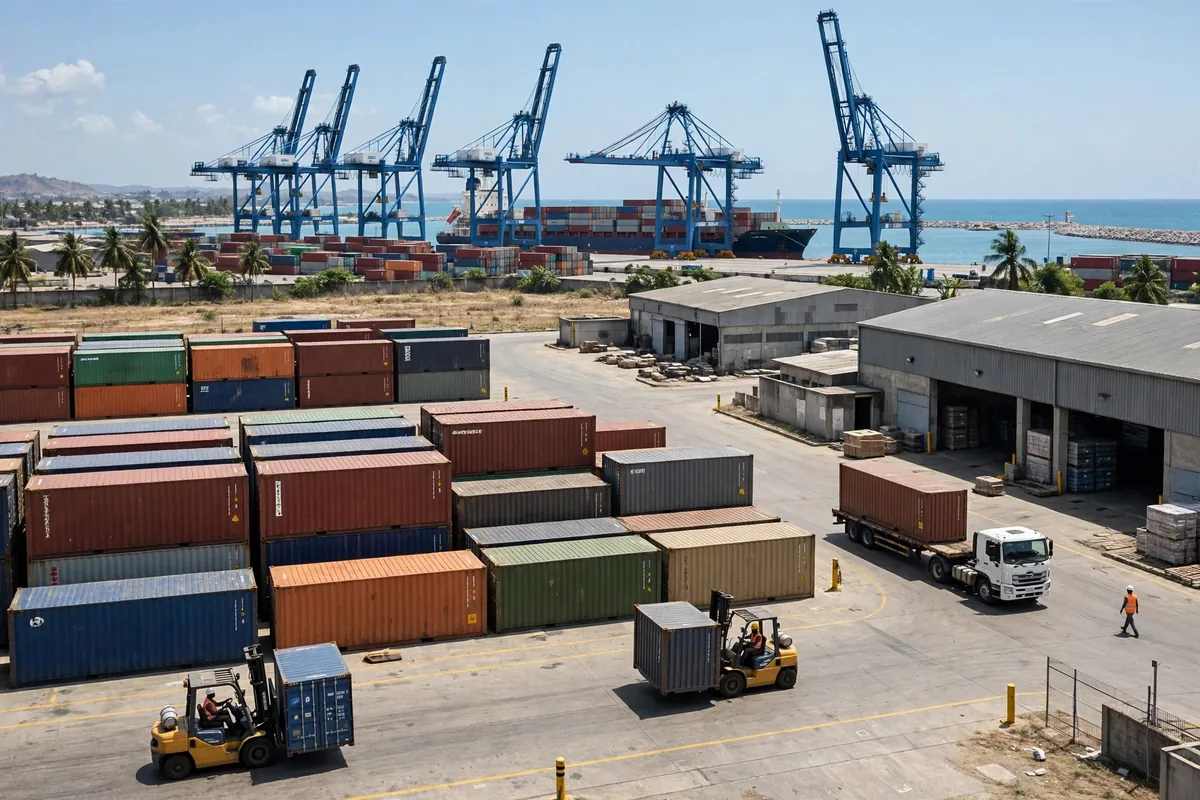
That was not sales talk. In the second half of 2024, his first shipment reached Tema: twelve containers of tiles and sanitary ware, planned for a warehouse inside Accra, close to the building-materials markets where his dealers traded. Then a translated certificate in the clearance file did not match, his agent made two extra trips to fix the paperwork, and the containers stayed at the port longer than planned. He called me every day that week, and he never once asked about rent. He asked when his dealers could stock their showrooms. Afterwards he said to me: I should have staged the cargo near the port, cleared one container, moved one container, instead of waiting for the whole batch before hauling it into the city. I wrote that sentence in my notebook. I now tell it to every exporter who asks me about Ghana.
Tema Ghana Port Warehouse Logistics: What the Port-Side Warehouse Really Buys You
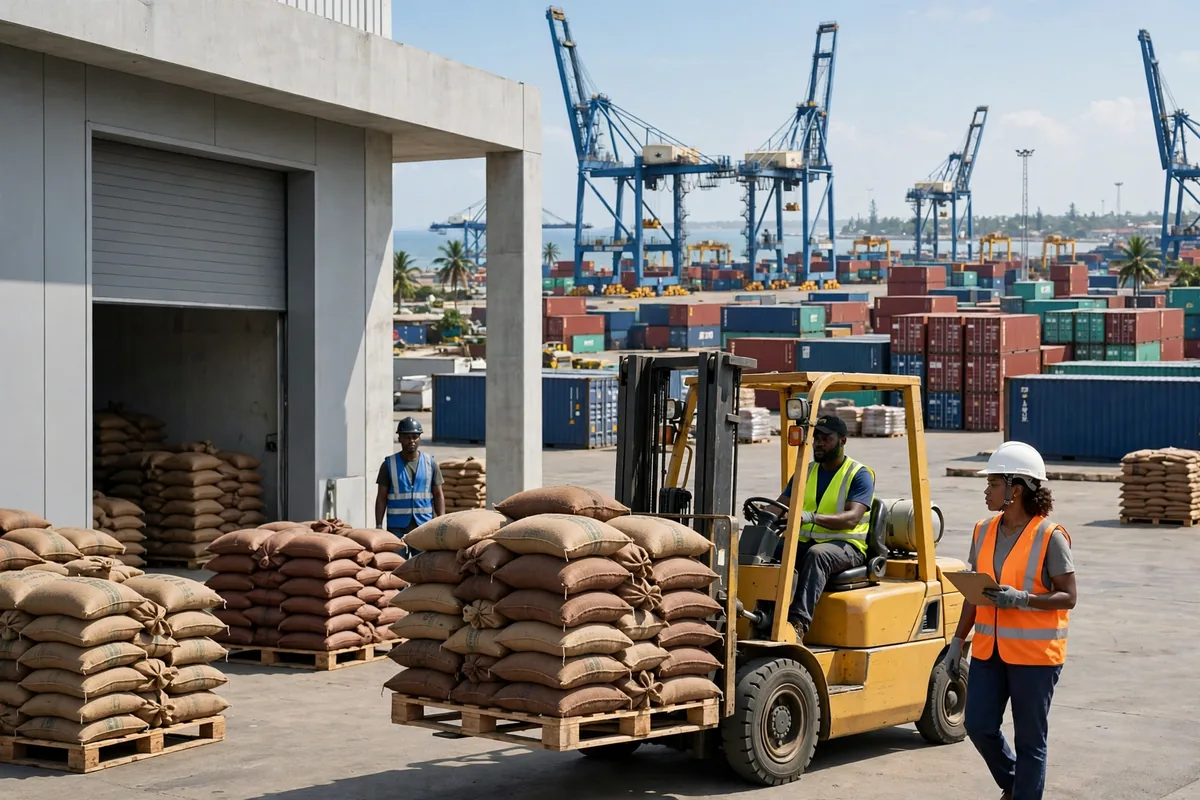
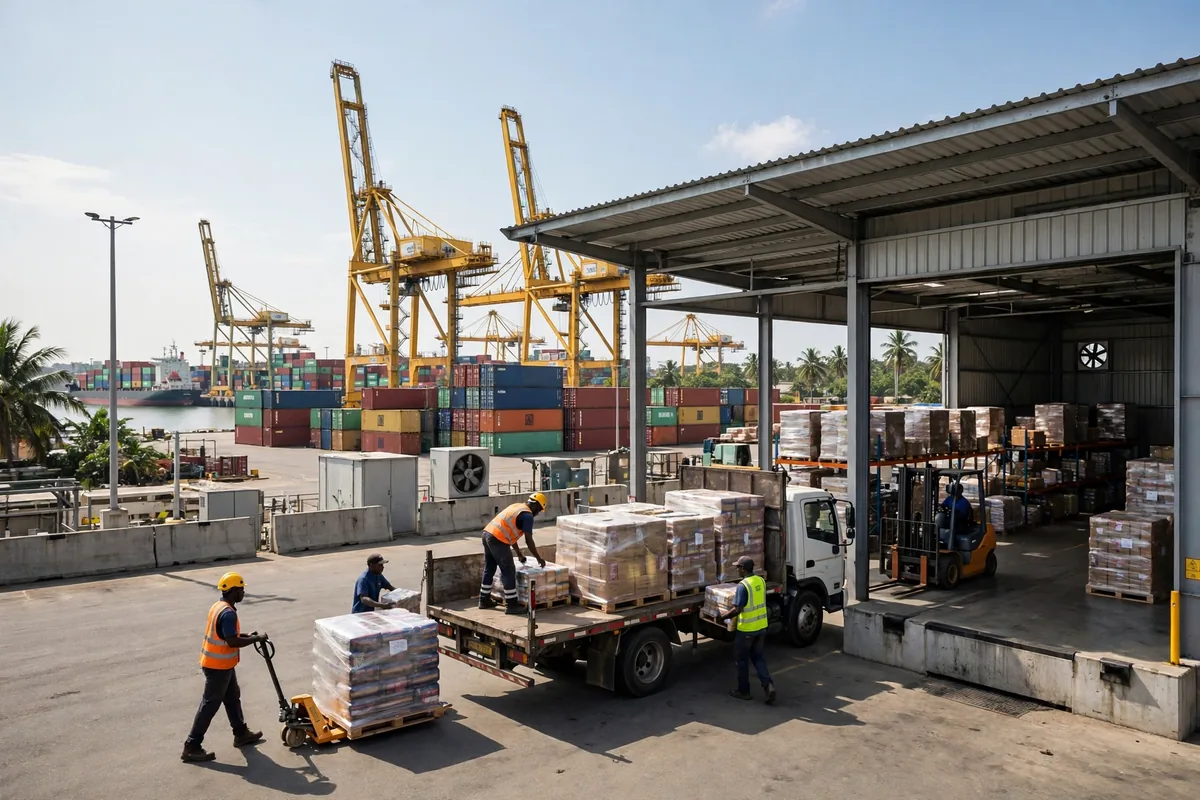
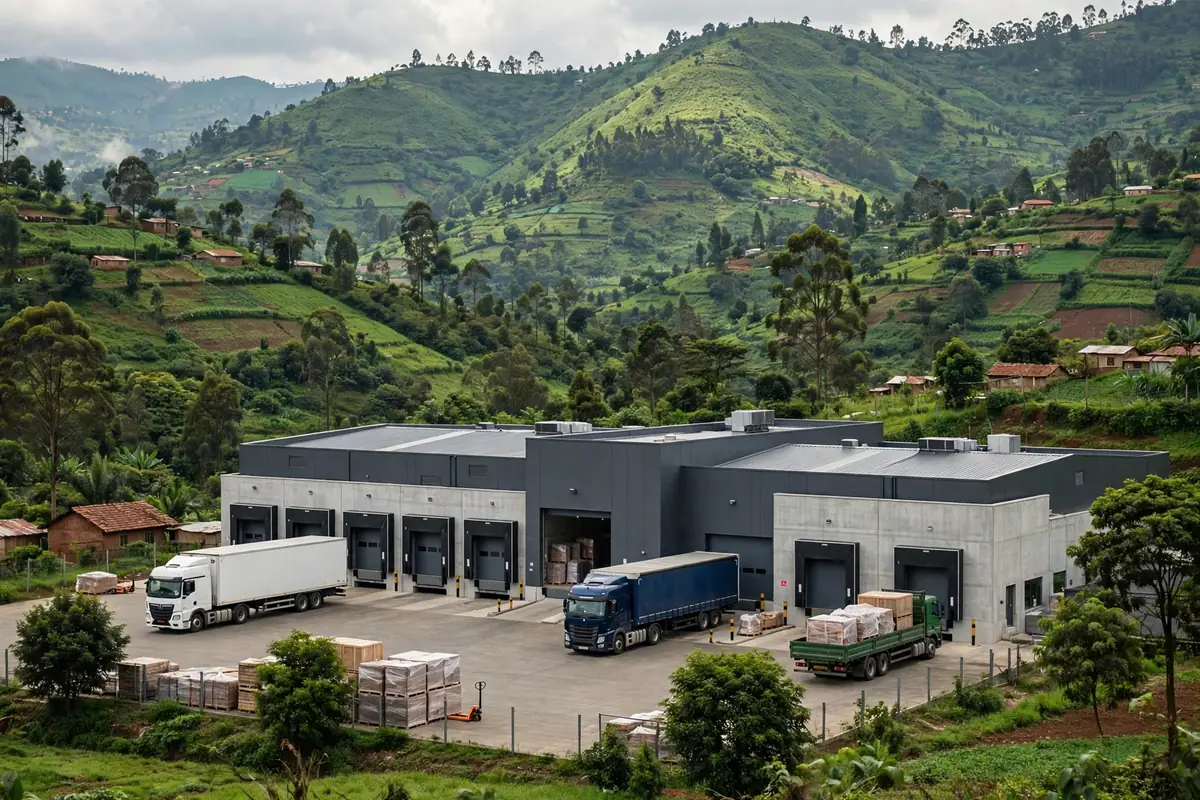
A port-side warehouse buys one thing above all: proximity to the box. Discharge, clearance, possible inspection, pickup, and devanning all happen in one small geography. Every long haul you remove from that chain removes a queue, a handover, and a chance for something to go wrong on the road. For a Chinese exporter with no local team yet, the real value is not a lower rate. It is control. Your people do not chase the port every day. The warehouse team is already there, and containers can be devanned in the order they clear, not in the order they were loaded.
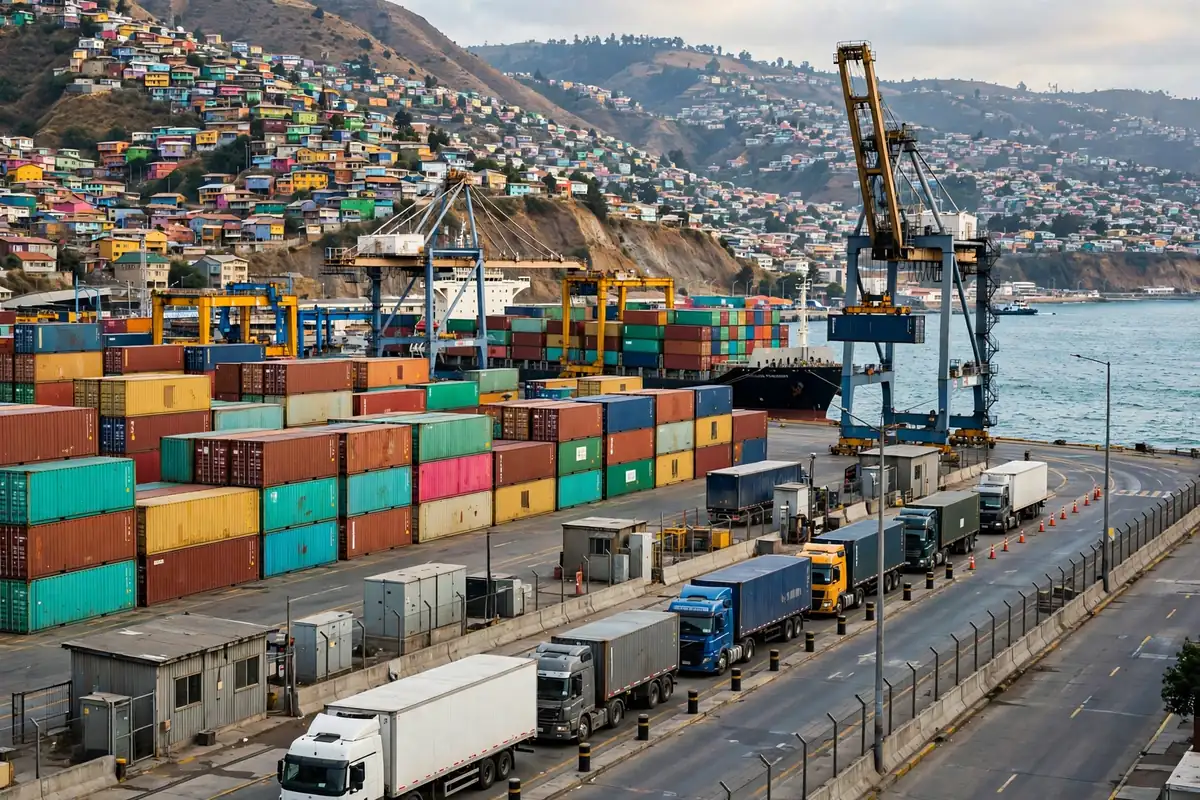
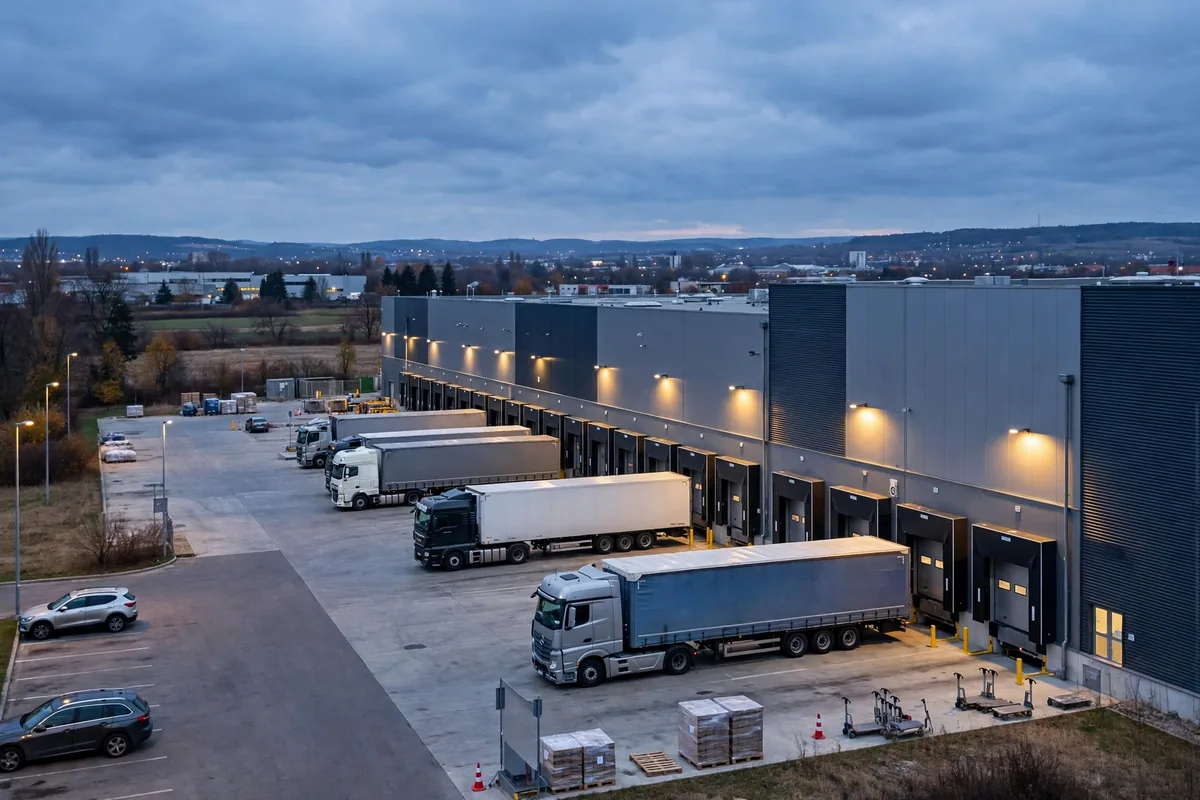
A city warehouse in Accra follows the opposite logic: proximity to the customer. Deliveries into city markets, malls, and job sites are shorter. A dealer who wants to inspect goods, take photos, and send them to smaller shops can actually visit. Asking that dealer to travel out to Tema and back can consume most of a day, and that hidden cost never appears on any quote I have ever seen.
So I never push a client to pick one side forever. I ask them to split the cargo in two. Fast, standard goods with clear specifications, the tiles and lighting that dealers are waiting for, belong near the port, where speed of release matters. Slow goods that need breaking bulk, labelling, and repacking belong in the city, where the detailed work happens. Forcing both types into one warehouse is usually the most expensive option of all.
The table below is an illustrative calculation I use in proposals. The figures show structure only; they are not any operator's real rates, and you should always price from a signed local quote:
| Item (illustrative) | Port-side, near Tema | City warehouse, Accra |
|---|---|---|
| Rent level | Higher, indexed at 1.2 | Base, indexed at 1.0 |
| Move after pickup | One short transfer | One longer haul |
| Response to a clearance query | Same-day, agent and warehouse in the port area | Half a day to a day per round trip |
| City delivery | One extra intercity leg per truck | Several city drops in half a day |
| Best fit | Full containers, standard specs, urgent distribution | Break-bulk, labelling, slow movers |
Fill that table in with your own volumes and the answer often surprises people. A small shipper with messy batches can save more in waiting and round trips at the port than he loses on rent. A shipper with dense, stable city orders is the one who truly earns back the city warehouse.
The Tema Ghana Warehouse Logistics Lesson Nobody Quotes: The Agent Comes First
My second client taught me something more important than site selection. In early 2025, a small-appliance shipper sent fans and rice cookers from Ningbo through Tema, onward to Kumasi and Takoradi. His clearance agent, hired from China, and his warehouse, arranged through us, had never worked together. When one container was selected for inspection, the agent waited for the warehouse to issue a document, the warehouse waited for the agent to confirm release, and the box sat in the sun for days. There was nothing wrong with the cargo. There was simply nobody who owned the whole chain.
We changed the rules after that. Agent and warehouse go into one group chat before the vessel arrives. Documents are pre-checked: product names, quantities, and package counts reconciled in advance. If inspection comes, the paperwork states who attends, which photos get taken, and who receives them. When release lands, devanning follows the dealers' urgent orders, not the container numbers. It sounds unglamorous. His following shipments never repeated that mutual waiting game.
Here is the counterintuitive judgement I give every new exporter: in Tema, the clearance agent ranks ahead of the warehouse. Pick the wrong warehouse and you overpay or drive further; that can be fixed. Pick the wrong agent and cargo stalls at the port while rent, delivery promises, and dealer trust collapse together. Yet most exporters spend ninety percent of the negotiation squeezing rent and ask the agent only one question: what is your fee per entry? That order is backwards. Choose the agent first, choose the warehouse second, let the agent's working habits shape how the port-side site cooperates, and negotiate price last. That sequence is where tema ghana port warehouse logistics actually saves money.
One more clause matters: who carries the risk while a container waits at the port. Waiting burns money every day; ask any local agent for a formal fee schedule and you will see the scale of it, so I will not invent numbers here. Put three things in writing: pre-check of documents completed before arrival, a response time for inspection support, and a deadline for pickup and devanning after release. A promise that cannot be written into the contract should not be believed at the dinner table either.
Finally, manage expectations before the first container sails. A hardware client in mid-2025, used to running his own warehouse in China, demanded full distribution within three days of arrival. I showed him the real rhythm of two earlier clients: clean documents and no inspection moved smoothly; an inspection or a corrected document slowed everything. That is not laziness. Port operations, inspection scheduling, and truck dispatch run on their own queues, and a hundred urgent calls across a time difference will not move a box earlier. So promise dealers a window with slack, not a date. Treat the first shipment as tuition: keep it smaller, prove the agent, warehouse, and truckers as one team, then scale the second. He did exactly that, and his dealers were never promised what the port could not deliver.
Next time you negotiate a contract, remember to ask these three questions. First, can the documents be fully pre-checked before arrival, and who runs the corrections? Second, at inspection and at release, how exactly do agent and warehouse cooperate, and how fast do they respond? Third, if we split cargo between a port-side and a city warehouse, how does stock move between them, and who pays? Ask those three, and you will know within minutes whether you are talking to someone who has truly worked Tema, or someone who only knows how to quote a low rent.
By Susan, 3PL Sales Director