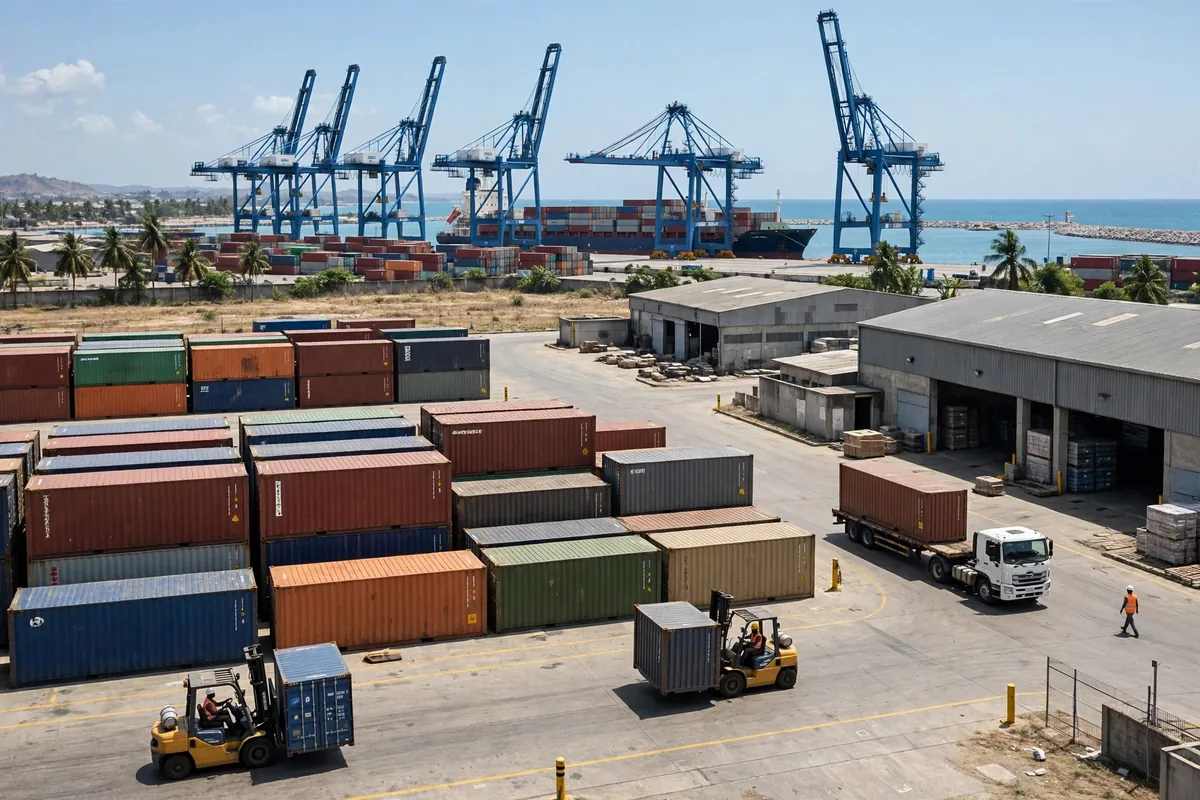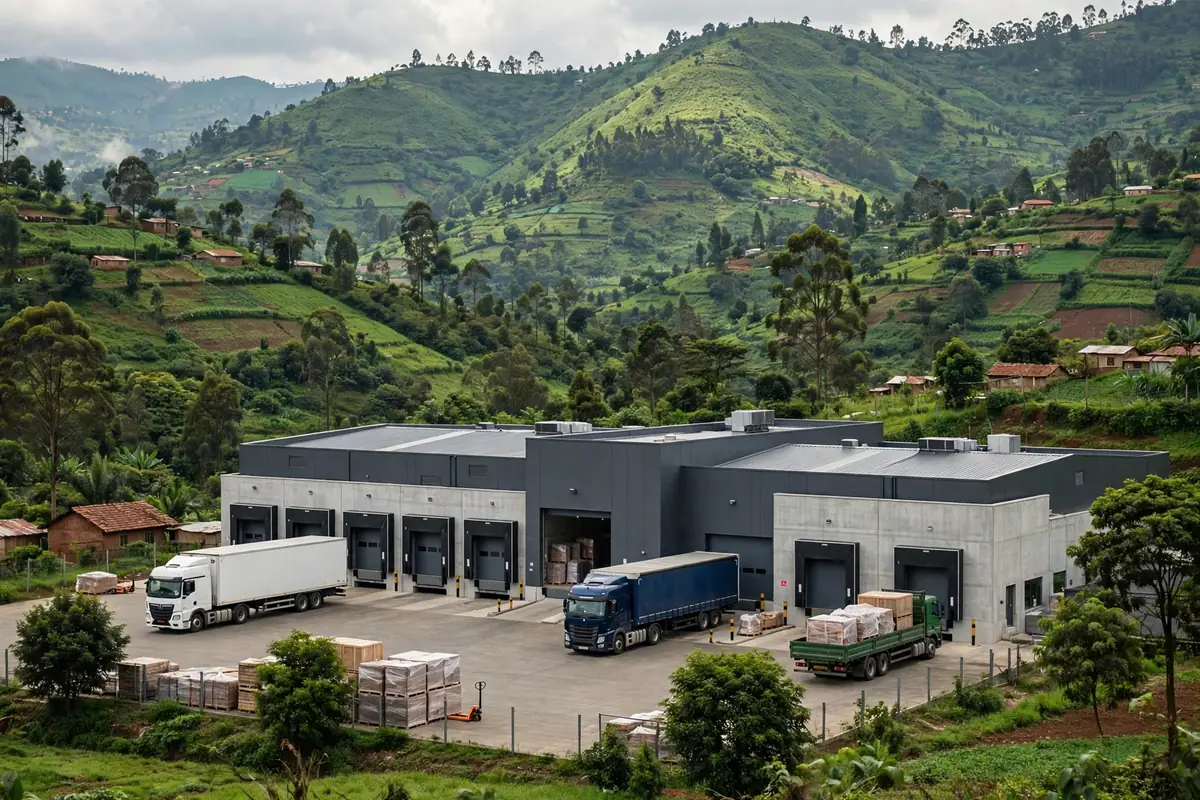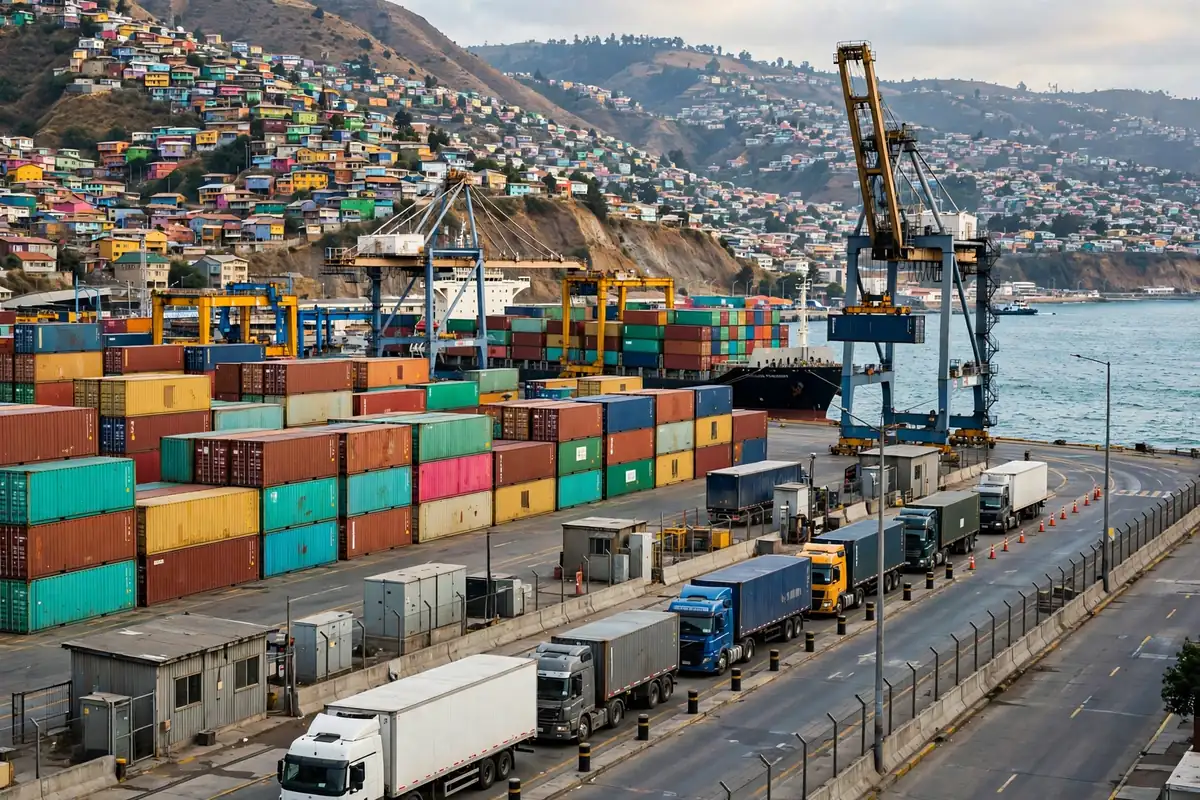
Let me tell you something about valparaiso chile port warehouse logistics. On paper it looks simple. The cargo lands at Valparaiso, you put it in a warehouse, and you haul it to Santiago. After fifteen years on the road, the jobs that scare me most are the ones that look simple on paper. The port, the mountain road and the capital each have their own temper, and whichever leg you fail to reckon with is the leg that bites you.
Valparaiso sits on the coast. Santiago sits inland, with mountains in between. A truck leaving the port does not cruise a flat highway all the way. It climbs, bends and tunnels its way inland. On a smooth day drivers talk about the run in rough terms of an hour or two, give or take, and that is only a rough roadman's magnitude. Weather, a crash, or a queue at the port can stretch it badly. For exact transit times and port arrangements, go by the latest local rules and the newest notices from the port and your carrier. I deal in how this road works, not in promises.
The mountain road is the first test in valparaiso chile port warehouse logistics
That mountain road punishes two kinds of people: planners who schedule too tightly, and operators who skimp on tyres and brakes.
Take the tight planners first. In 2022 I hauled a load for a Chilean retail receiver, everyday consumer goods landed at Valparaiso, booked for a weekend promotion in Santiago stores. The shipper's email had the chain timed link by link: vessel arrival, clearance, container pickup, delivery to the warehouse, with barely half a day of slack in the whole plan. I wrote back one sentence: the mountain does not read your spreadsheet. That trip, pickup queues at the port ran long, the first link slipped, and every link after it slipped too. The goods reached the Santiago warehouse with most of the promotion already gone. Nothing was lost and nothing was broken. It was just late. In that kind of business, late can cost more than damaged.
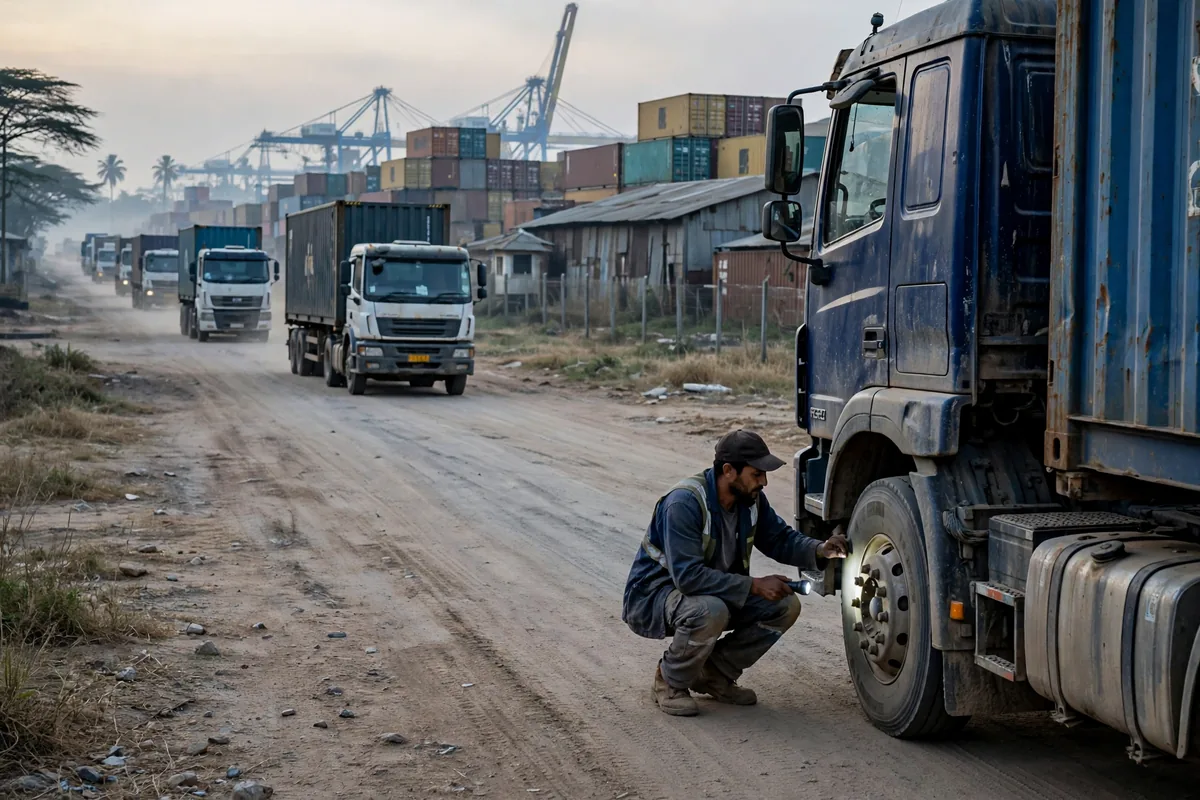
Then there is the truck itself. Climb and descent come one after another, and brakes, tyres and cooling all show their weaknesses on the grade. Old hands walk around the truck more carefully before this run than before a flat one, because on the way down those parts are all you have. And there is the fog. Sea moisture rolls into the hills and can close in within minutes. One minute the road is clear, the next it is white. Racing the clock in fog is the dumbest bargain on this route. My rule is simple: never trade visibility for a few minutes. Those minutes are bought with risk, and the road always collects.
So here is plain advice for shippers. Promise this lane as a range, never as a clock time. Build the queues, the weather and inspections into the buffer, because none of those obey you. And if somebody thumps his chest and guarantees an exact arrival hour on this road, that is exactly when you should worry.
A port-side warehouse costs more, and earns it back in queues avoided
Second story. In 2023 I was around a seasonal fruit-related shipment that came through when port-side space was tight. The shipper had found a cheaper warehouse over by Santiago and planned to pull the container straight there. The arithmetic looked clever: port-side rent looked expensive, inland rent looked much cheaper. But that trip, pickup and inspection both went sideways, and the container sat at the port extra days. Demurrage and storage charges differ by port and period, so check the port's latest notices rather than any number from me, but anyone who has run this knows those days burned more money than the rent difference ever saved. That shipper learned. Seasonal cargo now lands port-side first, breathes, and moves to Santiago in batches.
That is what a port-side warehouse really sells. Not floor space. Flexibility that comes from position. Cargo resting near the port does not panic when clearance wobbles. It can be split and fed inland as the customer actually needs it. And if the mountain road closes for a day, you are not staring at a container trapped in the terminal. It is like the spare fuel a long-haul driver keeps in reserve. It looks like extra cost until the day there is no station for miles.
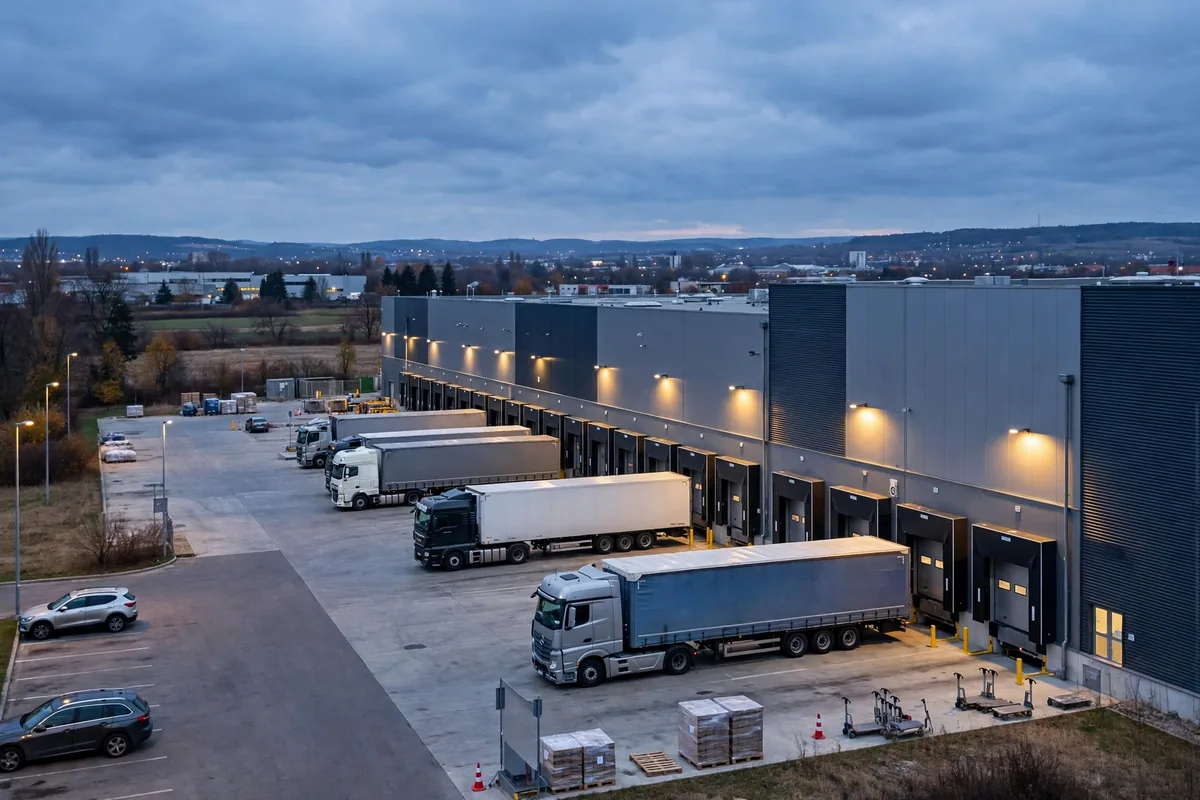
But I will say the other half too. Not every load belongs port-side. Low-value, bulky, steady cargo, the everyday building materials and household goods that move all year, bleeds money for every extra day near the port. That freight should go inland early and spread its cost in a cheaper shed. Choosing a warehouse is like choosing a truck. There is no best one. There is only the one that fits the load.
This rough framework is the one I sketch for shippers. The rents and fees are relative magnitudes for thinking, not quotes, and local market rates change:
| Cargo type | Land it first at | Why |
|---|---|---|
| Seasonal fruit and fresh goods | Port-side warehouse | Settle it, then feed inland; fear port delays and stock-outs |
| Mining equipment and spares | Port-side or near-port | High value, needs sorting; the project site sets the pace |
| Steady bulky everyday goods | Inland Santiago warehouse | Volume eats rent; being near demand wins |
| Transit cargo, receiver unclear | Port-side warehouse | Buy flexibility; never leave a box naked in the terminal |
Mining and fruit seasons set the rhythm of valparaiso chile port warehouse logistics
Two things run Chile's freight calendar: mining cargo and fruit. Mining equipment, spares and consumables arrive by sea in good volume, move to the rhythm of projects, and are often high in value per load. What they ask of a warehouse is care and clean sorting. Not making a mistake matters more than raw speed. Fruit has the opposite temper. When the season lands, grapes, cherries and other fresh produce move in a rush, and port-side space, cold-chain capacity and trucks all tighten at once. Terms you agreed in the quiet months get reweighed in the peak. Fresh cargo waits for nobody. A day lost is condition lost, and price lost with it.
So in this market you book by the calendar. Lock warehouse space and trucks before the season, not when your container is already on the water. And in the quiet months, do not sign yourself into a rigid long deal just because it is cheap. When the season turns, empty space you are paying for is still money going out. Farming folk say you eat by watching the sky. This trade eats by watching the season. Same thing.
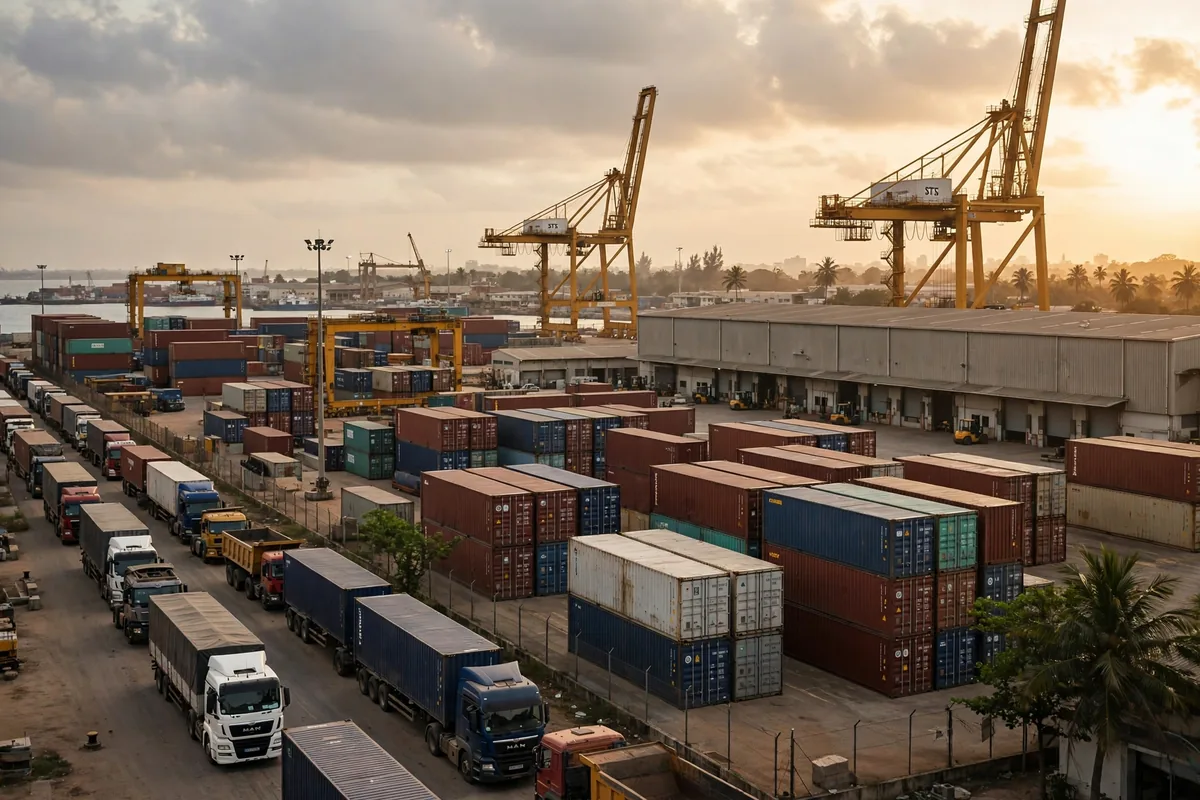
One more layer shippers forget. Valparaiso is not just a hole where cargo falls off a ship. It is an old port city. Storage near the old port varies a lot. Some sheds sit close to the gates but are old, with ordinary access and loading conditions. Newer warehousing tends to sit further out. So never judge a warehouse by the map alone. Drive it. Look at the approach roads, the dock, and where trucks queue. Ten minutes on a map and half an hour in a real queue are two different things. I say that on every route I run. On this one it is doubly true.
Four parting rules for shippers
For valparaiso chile port warehouse logistics, my advice comes down to four rules. One, promise time as a range, and spend the buffer on the mountain and the port, not on looking confident. Two, seasonal and high-value cargo lands port-side first, because what you are buying is flexibility and freedom from port pressure, while steady bulky cargo belongs inland where rent is spread thin. Three, lock space and trucks before the peak, and keep off-season contracts loose. Four, visit any warehouse in person before you sign, and look at the dock, the roads and the queue with your own eyes.
Fifteen years of driving taught me this. In freight, the expensive thing is not always the trap, and the cheap thing is not always the saving. The trap is the leg you never reckoned with: that stretch of road, those days in a queue, that one season. Reckon with those three, and the Valparaiso run is honestly not a hard road at all.
By Shifu Zhao, Trucking Veteran (15 yrs)