One of our clients sells building materials and small project equipment into West Africa. Last year he came to me and said he wanted to get serious about tema ghana warehouse logistics instead of improvising every shipment after it landed. I did not send him a rate sheet. I asked one question first: which leg hurts the most — getting containers out of Tema, or getting goods out to buyers once they are out? He paused and said both. Those are two different problems with two different cures, and if you only ask me for a rent number, I can give you a lovely low number that you will pay back twice somewhere else.
After signing warehouse contracts for years, I am suspicious of tidy comparison sheets. Three neat lines — rent, handling, delivery — look transparent, but on a West Africa lane the real money sits off the sheet: extra days a box waits at the port, paperwork that does not line up, a truck that leaves half empty or waits at a border. If those things are not in the contract, everyone smiles at signing and argues from chat screenshots later.
Start With tema ghana Reality: A Port-Side Shed Buys Time, Not Space
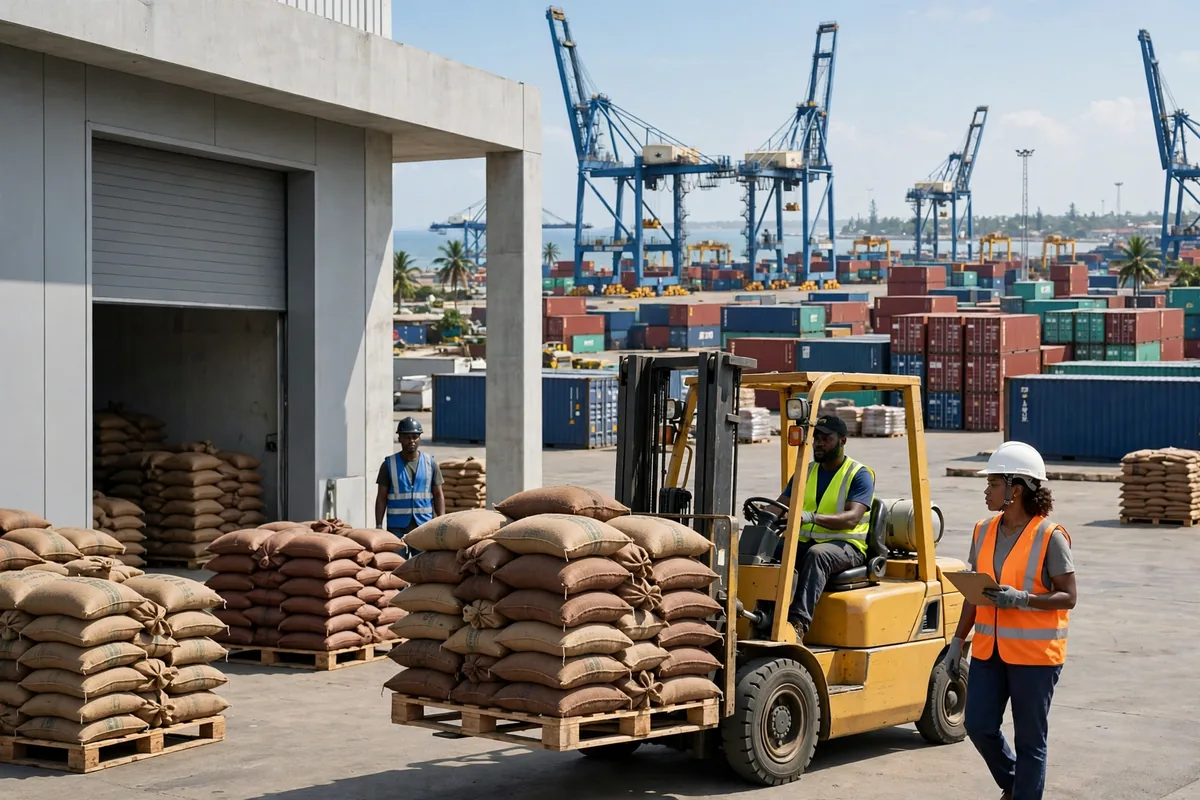
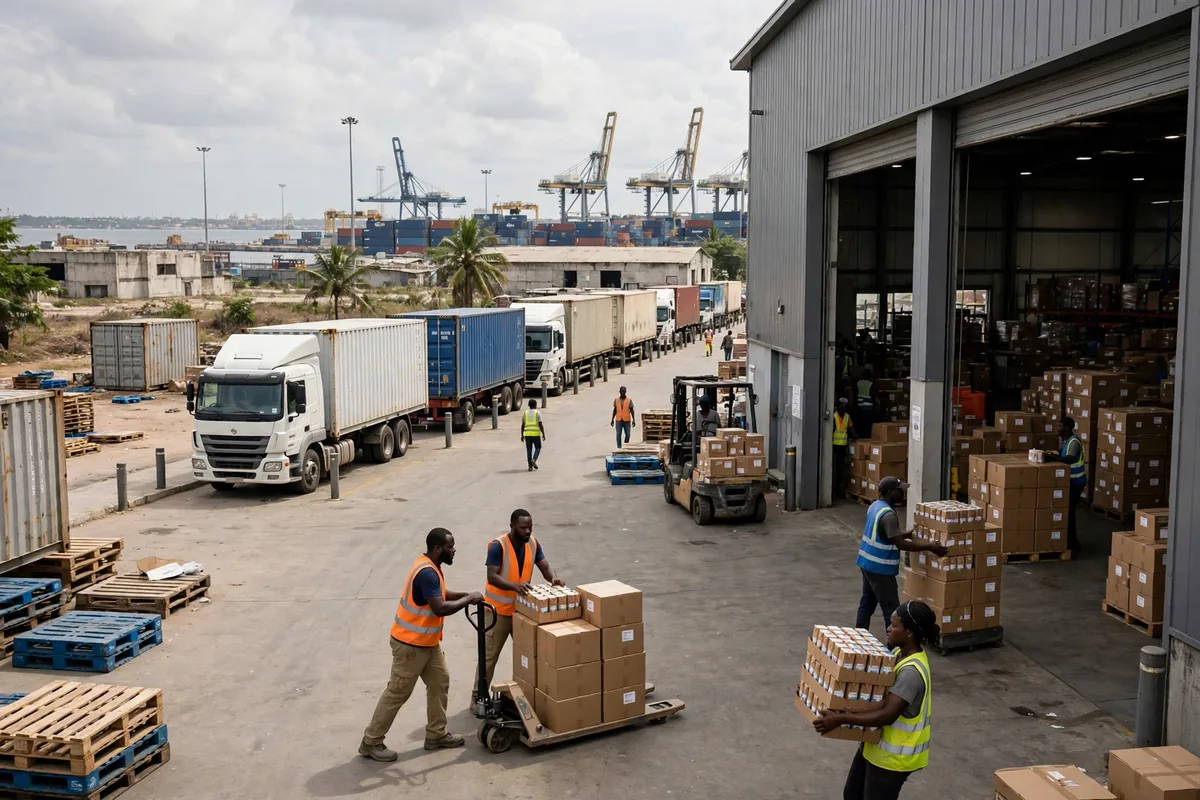
Here is the first scene. The client had a shipment of tiles, sanitary ware and small site equipment split between two distributors around Accra, with a smaller share promised to a buyer further inland. His old routine was to pull containers to a temporary yard and then hunt for trucks load by load. Every step waited for the previous one. On one occasion a load promised to a construction site sat within sight of delivery for days because devanning was queued and the distributor's truck never showed. The site manager threatened to switch suppliers. The client spent those days staring at his phone, watching goods that had crossed an ocean refuse to move the last few miles.
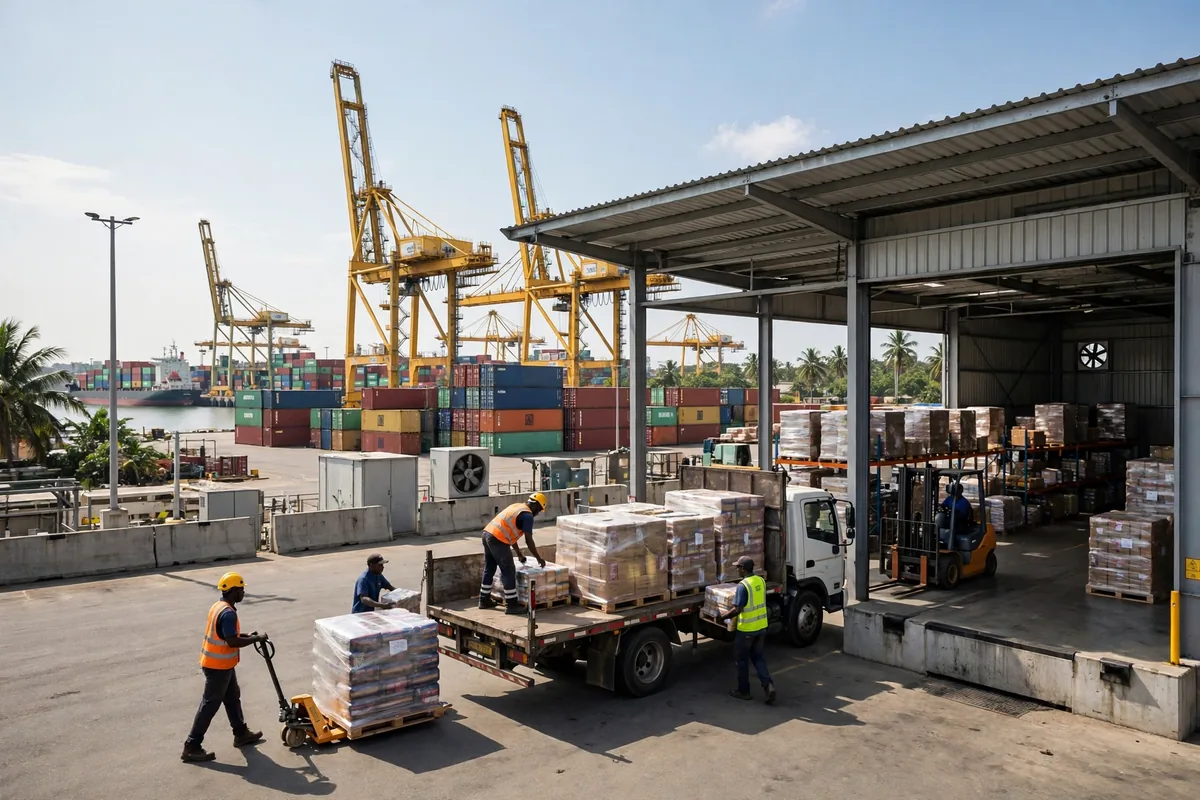
We compared two ways of placing stock. A port-side option near Tema gets a container devanned quickly, which suits freight that must be split and delivered almost immediately. Its value is time, not size. Port-side space expects fast turns; park slow stock there and you pay fast-turn money for slow-turn behaviour. The alternative, a larger shed on the outskirts of Accra, suits stock that sells gradually and needs labelling or kitting. Its weakness is the link back to the port: traffic is unpredictable, and a missed slot can eat a whole day. Clients often compare only the rent gap, put everything in the cheaper shed, and then spend the saving on urgent transfers and apology calls.
My view is deliberately unfashionable: this is not an either-or choice, it is a division of labour. Urgent freight goes port-side and leaves fast. Slow-moving inventory lives in the suburban shed. Our client ended up with a small fast-turn footprint near the port and his main stock further out. Total space barely changed, but complaints fell, because every shipment was assigned a home before it sailed, not after it landed. Much warehousing cost is hesitated into existence, one undecided day at a time.
The warehouse logistics Leg Nobody Quotes Properly: Inland Split and Border Waiting
The second scene explains why inland distribution needs its own contract language. The client supplies a small contractor in Burkina Faso who orders irregularly and urgently — pipe and valves one week, lighting and cable the next. Goods leave the Accra area by road, cross a border, and every extra day a truck waits adds cost and risk. We forced three points into plain writing. First, consolidation: how long can the carrier wait for cargo, and when must the truck depart even if it is not full? Second, border waiting: how much waiting is included, how is extra waiting charged, and where is the cap? Third, shortage and damage: who pays first, and what evidence counts — delivery note, photos, weighbridge record? Decide the evidence before there is a claim, not during one.
Frankly, many quotes for tema ghana warehouse logistics go vague exactly here, with a line like “inland transport to be settled as incurred.” It sounds flexible. In practice it hands the largest uncertainty back to the cargo owner. If a truck waits two days at the border, do you pay? Refuse, and the next load may find no truck. Pay without a rule, and you still do not know whether the wait was reasonable. Make the inland leg detailed even if it feels awkward: define waiting, consolidation and empty-running triggers and caps in advance.
Customs is the other place where neat packaging misleads. Bundling clearance and warehousing under one provider is convenient, but it hides the cost of each step. Was the delay a document problem, a slow broker, or a warehouse that failed to split the load? In one lump sum, you will never know. We proposed bundled execution with unbundled pricing: one party coordinates, but the quote separates brokerage, port charges, storage, handling and inland transport. Taxes and duties should be passed through at the latest official published rates, with documents, never guaranteed as a lump sum. Rules change and inspections happen; a guaranteed number usually becomes a guaranteed argument.
The table below is the framework we used. The figures are an illustrative example only, not local market rates. Always work from a formal quote and the latest official publications.
| Comparison item (illustrative example) | Suburban shed only | Port turn plus suburban stock |
|---|---|---|
| Assumed containers per month | 10 | 10 |
| Assumed rent, in units | 100 units | 115 units |
| Assumed urgent transfers and waiting | 30 units | 12 units |
| Assumed delay compensation and lost orders | 20 units | 6 units |
| Total, illustrative | 150 units | 133 units |
Rent alone favours the first column. Add waiting, transfers and lost orders, and the second column wins. Compare the full journey from arrival to buyer, not the rent line in isolation.
Three Clauses That Decide Whether the Contract Protects You
Finally, the clauses — my home ground, and the part the client later thanked me for nagging about. Three omissions cause most of the pain. The first is the start point for service levels. Many contracts promise splitting “within so many days of arrival.” Arrival of what — the vessel, the gate, or the completed devan and count? We defined the clock as starting when devanning and counting were finished and the inventory list was sent. The second is detention responsibility. A late collection can be caused by the owner's documents, the provider's booking failure, or an inspection nobody controls. Those causes must not share one penalty rule; assign cost by cause in advance. The third is inland exception handling: border delays beyond the cap, a buyer who changes address en route, a consignee who is not there. Who may decide the next step, up to what cost, and when must the owner confirm? Three parties waiting for instructions is how days disappear.
Add one more, about visibility. The contract should state how often inventory is reported, in what format, and what recount process follows a mismatch. An overseas warehouse you cannot see into is a black box, and what sits inside it is your cash flow. A provider who can discuss reporting in detail usually runs a tidy floor; one who waves the topic away is telling you something.
At bottom, tema ghana warehouse logistics is not really a warehouse decision. It is a decision about who owns each delay, cost and exception before they happen. The port-side shed buys time, the suburban shed buys space, and the inland corridor buys actual reach into the interior. Miss any one of the three and the saving on the other two leaks away. Our client's real regret was spending his first year treating an overseas warehouse like a property lease. A lease cannot govern clearance handovers, border waiting or split deliveries. Almost every serious exporter pays that tuition once — pay it early and cheaply.
Next time you negotiate a contract, remember to ask these three questions. One: for each leg after arrival, exactly when does the clock start and stop? Two: for detention, waiting and urgent transfers, what triggers each charge and where is the cap? Three: how often is inventory reconciled, and what follows when the count disagrees? A provider who answers crisply may not be the cheapest, but is usually the least expensive to live with. One who answers vaguely is asking you to carry the risk — so price that risk in before you sign.
By Susan, 3PL Sales Director