We had a client — a home goods and small appliances seller — who opened his first budapest hungary warehouse logistics conversation with me by asking, "Susan, doesn't Vienna just sound more premium?" It does. The invoice sounds premium too. In my job, I have signed enough warehouse contracts to know that clients fall in love with the dot on the map first and read the last line of the quote last. My work is to reverse that order.
Budapest is not a cheaper Vienna. It is a different play. Vienna suits a brand warehouse, a showroom feel, high basket values and slower turns. Budapest suits a Central Europe distribution node: one warehouse feeding Austria, Slovakia, Croatia and Romania, built for volume, turns and cost discipline. Pick the wrong type and no rent discount will save you.
Client one: how budapest hungary warehouse logistics saved a peak season
We had a client, call him Chen, selling auto accessories and home storage. Before peak season he kept everything in a warehouse outside Vienna. On his own costing assumptions at the time, the combined rent and basic handling per pallet per month ran noticeably higher than comparable Budapest quotes, and night shift labor was hard to lock. During his September promotion, the Vienna site missed dispatch cut-offs three days in a row. Austrian orders survived; Slovakia and Croatia orders slipped, and the marketplace performance dashboard flashed its warning.
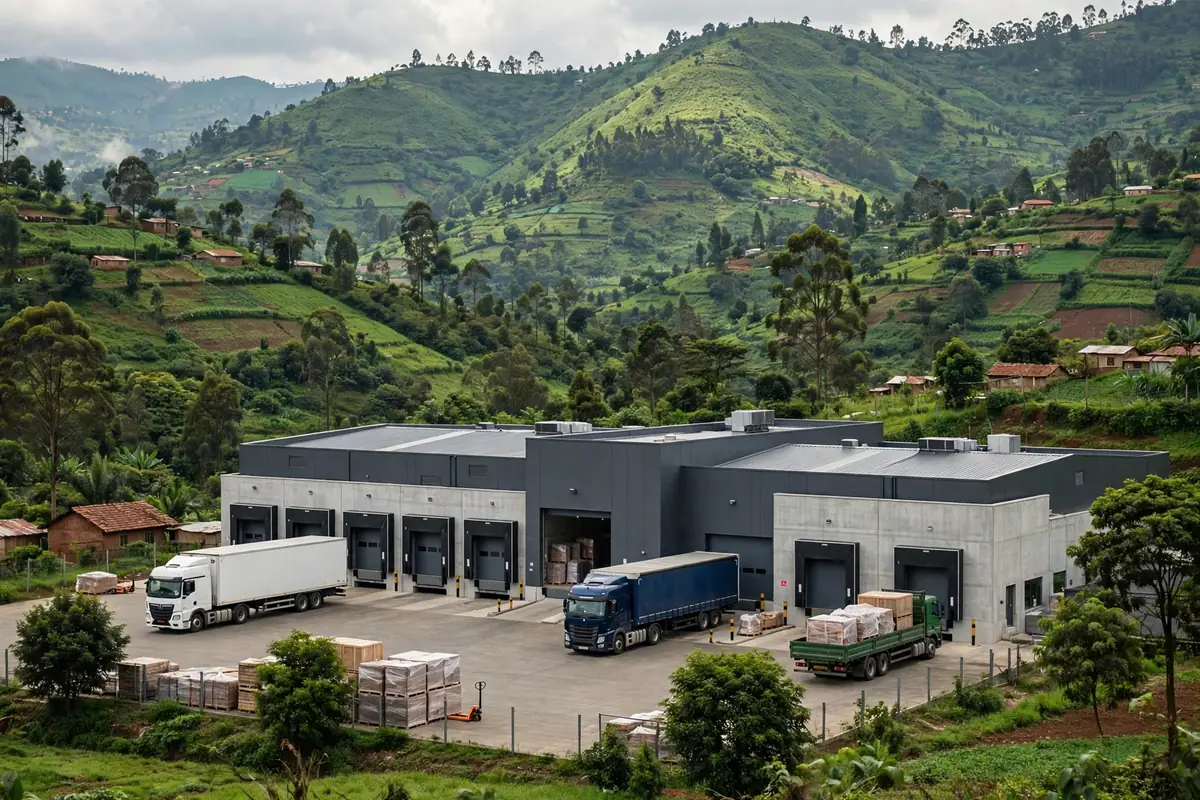
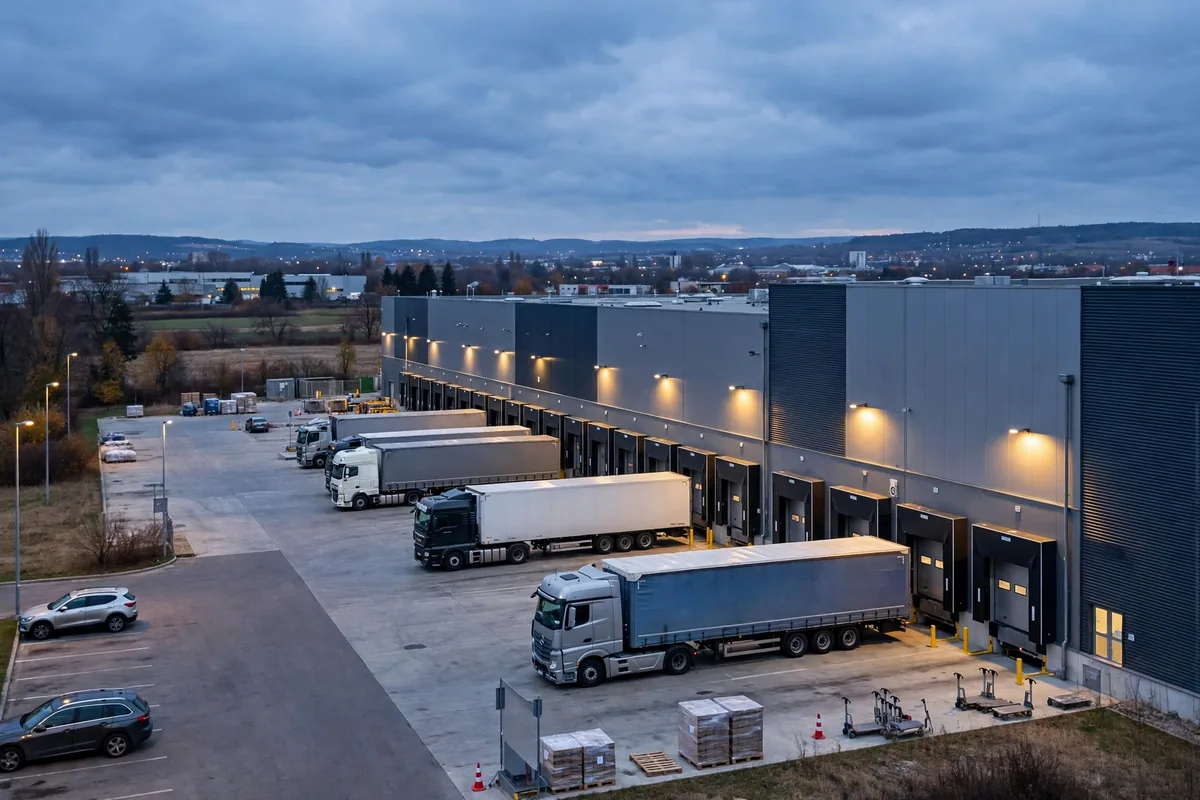
I took him to a logistics park in southern Budapest for two days. It was a standard high-bay warehouse, decent clear height, docks and floor, no theatre. Three things convinced him. First, the park connected quickly to the ring motorway, with multiple daily linehaul departures toward Vienna. Second, the operator agreed to put cut-off times for Austria and Slovakia into a contract annex instead of promising to "do their best." Third, the quote was itemized — inbound, storage, picking, labelling and returns separated — with none of that all-inclusive language that quietly becomes a peak surcharge later.
We migrated in waves: slow movers plus Croatia and Romania volume first, fast movers staying in Vienna during transition. Two months later, on the client's own review sheet, the per-order fulfilment cost in Budapest came in meaningfully below the old site — in his words, the saving roughly covered the funding cost of the extra safety stock he carried. More importantly, delivery stabilized. Orders to Bratislava and Zagreb, on his internal tracking, mostly landed in the next-day to two-day window, subject to the carrier's actual scans. The lesson is simple: Central Europe distribution is not won by a famous city name. It is won by node position, linehaul density and whether the service is locked in writing.
The cost framework behind budapest hungary warehouse logistics
Never compare rent alone. I cost every deal on the same framework, with assumptions stated openly. The figures below are the costing assumptions from Chen's case, not a universal market price. A different product mix and turn rate will produce a different answer, so rebuild the table with your own volumes before you negotiate.
| Cost item | Vienna option (case assumption) | Budapest option (case assumption) | How to read it |
|---|---|---|---|
| Rent and basic fees | Baseline 100 | Roughly 70–80 of baseline | Comparing this row alone overstates savings |
| Labor availability | Peak night shifts need early locking | Scheduling flexibility relatively better | Only counts if written into the SLA |
| Linehaul to Austria | Short local leg wins | One extra cross-border leg | You trade hours for rent |
| Slovakia / Croatia reach | More cross-border detours | Budapest sits in the middle | Advantage grows with multi-country volume |
| Returns handling | Higher per-piece pricing | Tiered pricing negotiable | Critical for high-return categories |
The trade-off is now visible. Budapest saves on rent and labor; it may cost you a few extra linehaul hours into core Austrian cities. If you sell premium goods where hours matter more than rent, pay for Vienna. If you sell standard, volume products across four countries, the fixed-cost saving spread across every order is your margin.
Clients also miss the inventory effect. One node covering four countries lets you pool safety stock instead of duplicating it in each market. Chen had slow movers duplicated in two small sites; after consolidation his total stock position dropped visibly. That saving appears on your balance sheet, not on a warehouse quote.
Client two: the Romania lane that nearly broke the model
We had another client, in consumer electronics accessories, who loved his Budapest setup so much he wanted to move all Romania volume there at once. In week one, deliveries toward Bucharest turned unstable and customer service took the heat. I pulled the tracking history and the problem was not inside the warehouse. His carrier made a second transshipment inside Romania, and the cut-off was so tight that freight arriving two hours late at the dock rolled to the next day.
Part of that was on me: I had audited in-warehouse dispatch performance and not the full door-to-door chain. The fix was unglamorous and effective. First, we negotiated a direct or low-transshipment lane for Romania and put the number of transfers into the performance review. Second, the warehouse set an earlier internal cut-off for Romanian orders instead of mixing them into the Austria wave. Third, the contract separated warehouse dispatch punctuality from carrier collection punctuality, so each side owned its own failure. By the second month, complaints on that lane, on the client's service ticket count, had fallen by more than half. Budapest can cover Romania. That does not mean any carrier out of Budapest covers it well. The warehouse is only half the decision.
Here is the counterintuitive part: a bigger coverage radius is not automatically better. Clients hear "four countries from one node" and immediately want to add southern Poland and Serbia. I usually slow them down. Stretch the radius too far and linehaul cost plus transit volatility eat the rent saving. Stabilize Austria, Slovakia, Croatia and Romania first, get a full promotion cycle of data, then expand the circle. That is the pace a serious operator will actually sign.
Three contract traps I check first
The first trap is fee definitions. Local quoting habits in Hungary can itemize dock use, pallet wrapping and system integration very finely. Fine is not bad; comparing one operator's all-in price against another's bare price is bad. Force a like-for-like re-quote: inbound, storage, order handling, consumables, system fees, returns and exception handling, line by line, then compare totals.
The second trap is peak season language. Every warehouse performs in a quiet month. Ask how dispatch service levels, overtime charges, temporary labor response and overflow priority work at peak — and get the volume lock written down: how many days ahead you commit volume, and how over-volume is priced. In the contracts I have signed, that clause prevented more arguments than any penalty ever did.
The third trap is exit and data. Who owns the integration data, how are stock and order history handed over on exit, and what is the notice period? Everybody lives by it in a bad month.
Treat all of this as negotiation method, not legal advice, and have local counsel review the final contract against current local requirements before you sign. That fee is not the place to save money.
A short action list before you commit
First, validate with your last three months of order data: do the four core countries together generate enough volume to justify a node? If not, cross-border direct shipping or Vienna may still win. Second, send the same volume profile and the same service definitions to Budapest, Vienna and Prague, then cost the full chain on the framework above. Third, pilot one lane — Croatia or Slovakia, for example — through a full promotion cycle before migrating everything. Fourth, in negotiation, hold the line on cut-off annexes, peak volume locks and carrier performance separation; the rest can flex.
Budapest's value is not the word "cheap." It is geography: west to Austria, north to Slovakia, south to Croatia, east to Romania, from one roof. Geography is given. The costing is yours to do, and the contract is yours to fight for. Do all three and it is an excellent node. Skip one and it is just a low-rent warehouse far from your customers.
Next time you negotiate a contract, remember to ask these three questions. One: will peak cut-off times and dispatch service levels go into an annex, with measurement attached? Two: will you re-quote line by line on identical definitions, including exceptions and returns? Three: how many transshipments does the linehaul make, who measures it, and what happens when it misses? An operator who will still put the answers on paper after those three questions is an operator worth trusting with four countries of stock.
By Susan, 3PL Sales Director