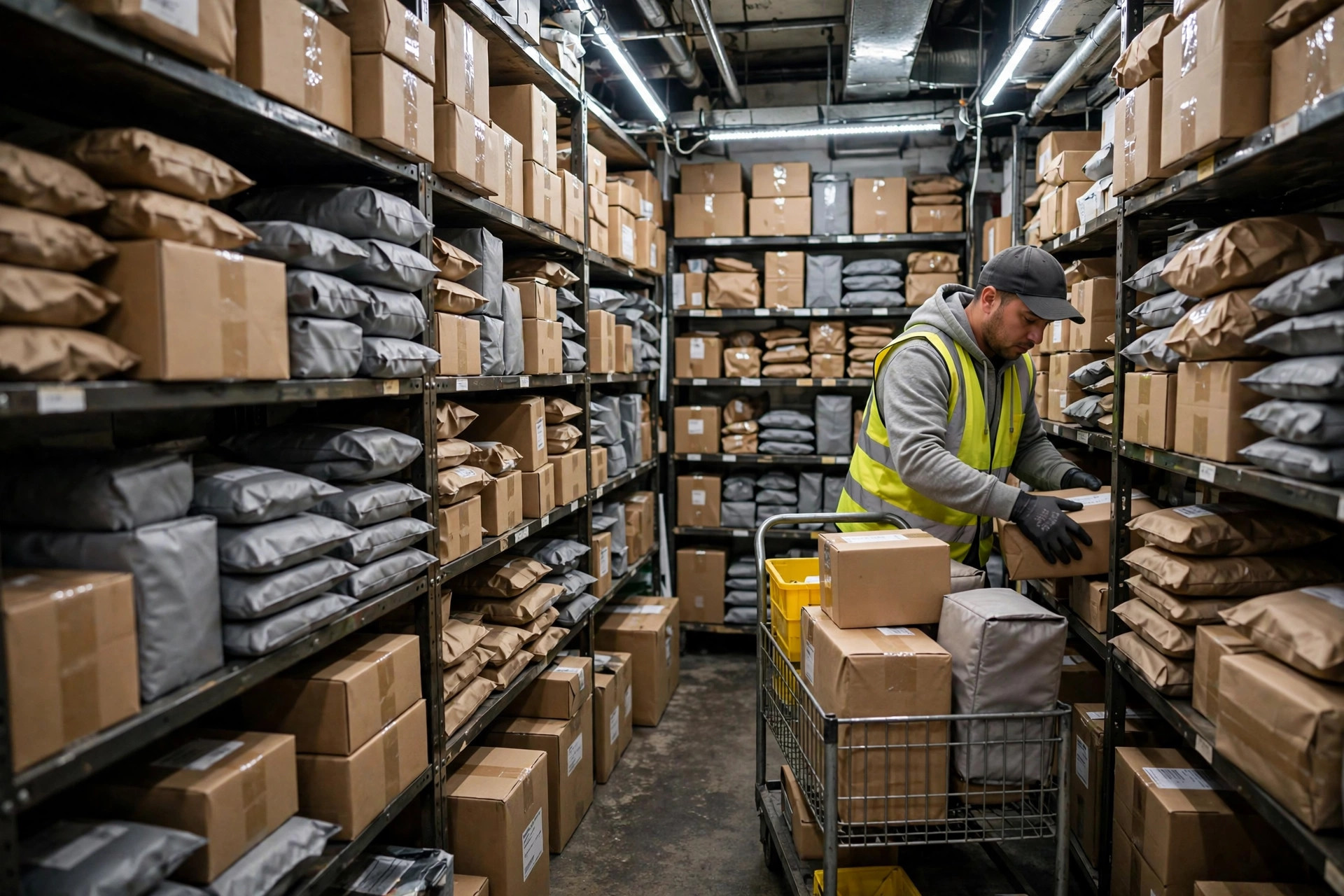
So a micro-fulfillment sales rep found me the other day and gave me the full pitch — "40% cost reduction, same-day delivery, closer to consumers" — and almost had me, a 3,000-square-meter small warehouse owner, convinced. Then I went home, did the math, and thought: buddy, small warehouses like ours cannot afford to burn that kind of money. This article lays the whole calculation bare — not just the rent line, but every dollar from top to bottom.
First, our predicament, for those who know: 3,000 square meters, 12 people, a landlord who raises rent every year, and customers who keep asking if we can go cheaper. For an operation our size, listening to big companies preach micro-fulfillment is like earning five grand a month and sitting through a private-banking wealth seminar — every word is correct, none of it applies to me. But "doesn't apply" doesn't mean "don't bother calculating," because what if a big warehouse actually steals my customers with micro-fulfillment one day? So I did an honest comparison. Conclusion first: if you only compare rent, micro-fulfillment wins; if you count everything, the traditional small warehouse doesn't necessarily lose.
Our Reality Check: Where the Money Actually Goes
I dug up last year's books. Four big buckets: rent, labor, equipment depreciation, and systems. Rent is nearly 40% — which is why my heart skipped when the rep said "micro-fulfillment sites are small, rent is low." But look at the other three buckets, and micro-fulfillment is no bargain:
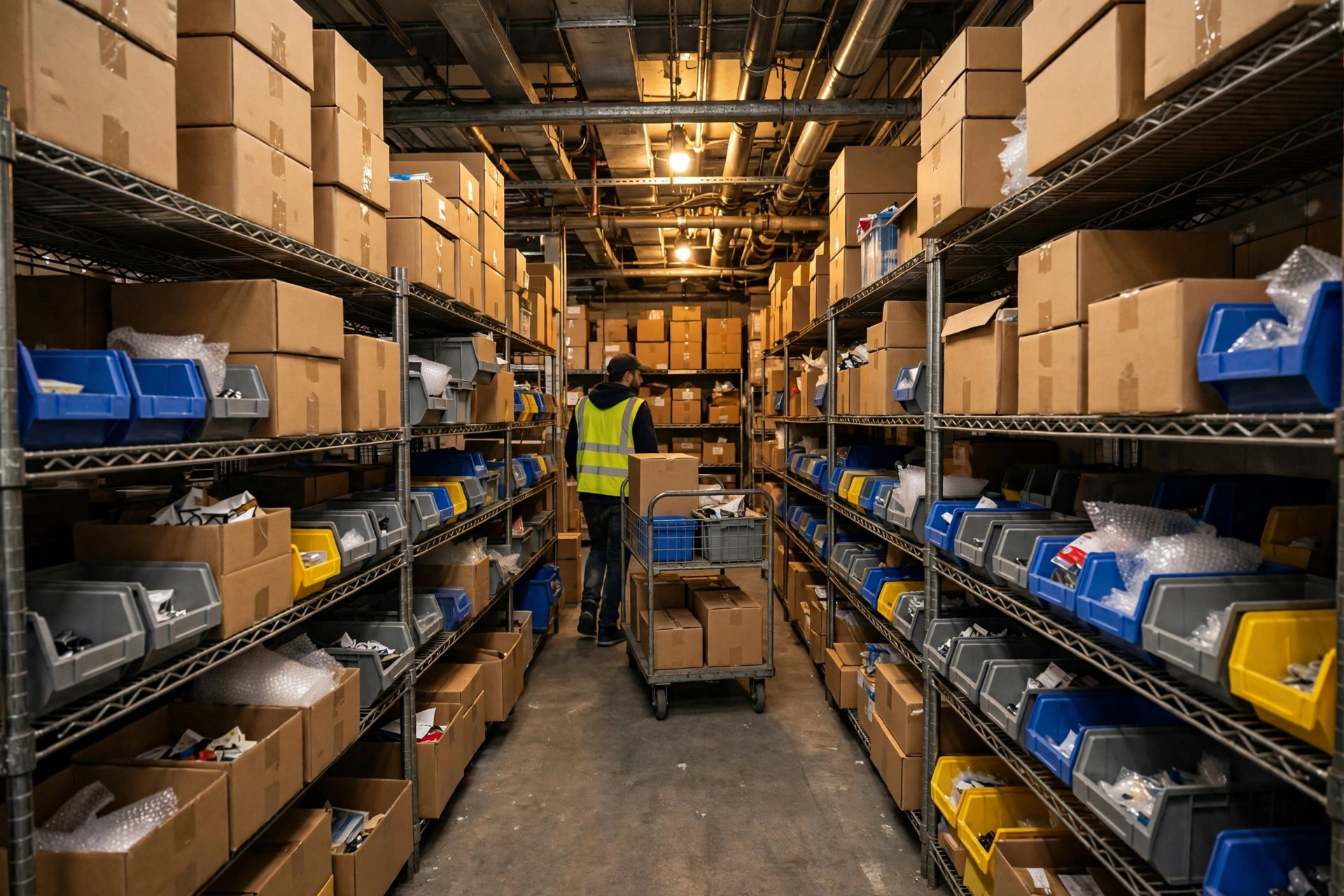
Labor hurts the most. Traditional small warehouses run on people — 8 of our 12 are pickers and packers, and we hire temps in peak season. Micro-fulfillment claims automation cuts labor — true, but it cuts operators and adds engineers. When the automated storage or robots break down, who fixes them? We don't even have a full-time IT person. One breakdown means waiting on the vendor, a day or two gone. So the labor math can't just count heads; it has to count cost per order including repairs and idle time.
Equipment is even more real. A decent micro-fulfillment automation setup runs into the millions (check current vendor quotes; I'm not making up numbers here). Our warehouse's annual profit is what it is — going all-in on equipment means betting three years of profit on one machine, and the machine might not even behave. Big companies can play because their volume spreads the cost thin. We can't.
Our Scrappy Workarounds: DIY Micro-Fulfillment
Enough doom. Here's what we actually do. The big-company playbook doesn't fit us, but the underlying need — "close to consumers, ship fast" — is real, and our scrappy methods get us maybe 70–80% of the way there:
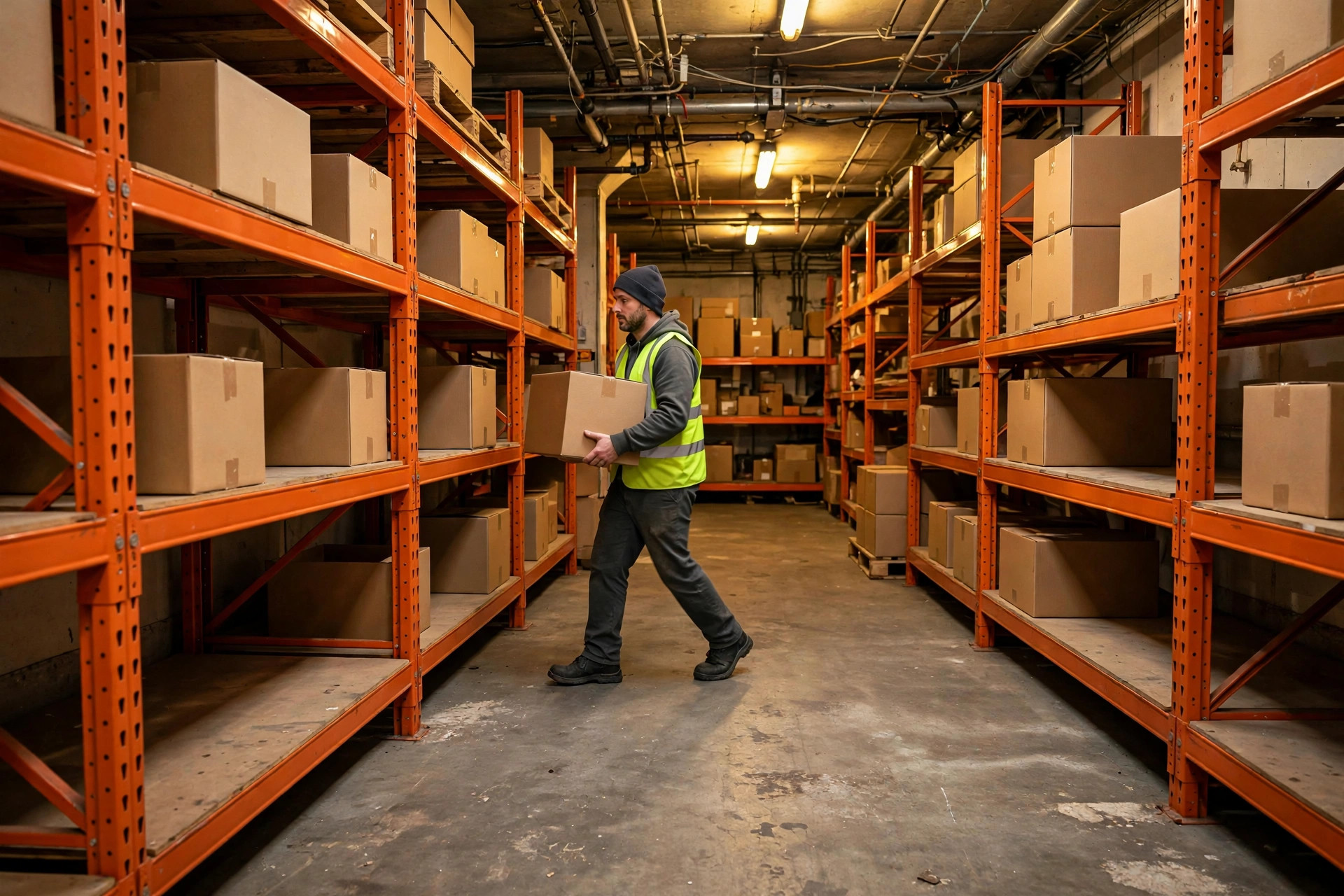
Trick one: "fake forward-stocking" with slotting. We carved out a "lightning zone" for our 200 hottest SKUs right next to the pack stations, cutting average pick travel from about 80 meters to under 20. Cost: zero. We just re-slotted the racks, and hot-SKU ship time dropped from 4 hours to 1.5. Isn't "fast movers close to people" the whole point of micro-fulfillment? We did the budget version with manual zoning.
Trick two: redneck wave planning. Our cheap SaaS WMS has basic wave logic, so we intervene manually: two hard "cutoff waves" a day, at 10 a.m. and 3 p.m., force-bundling orders by zone. Sounds primitive, but pick time per order dropped roughly 30%. The savings buy the crew extra chicken legs.
Trick three: group-buying parcel rates. We teamed up with two neighboring small warehouses, pooled our volume, and renegotiated with the parcel carrier — per-parcel cost dropped nearly 20%. Big companies squeeze carriers with scale; we squeeze them with group-buy solidarity. Same result, less glamorous pose.
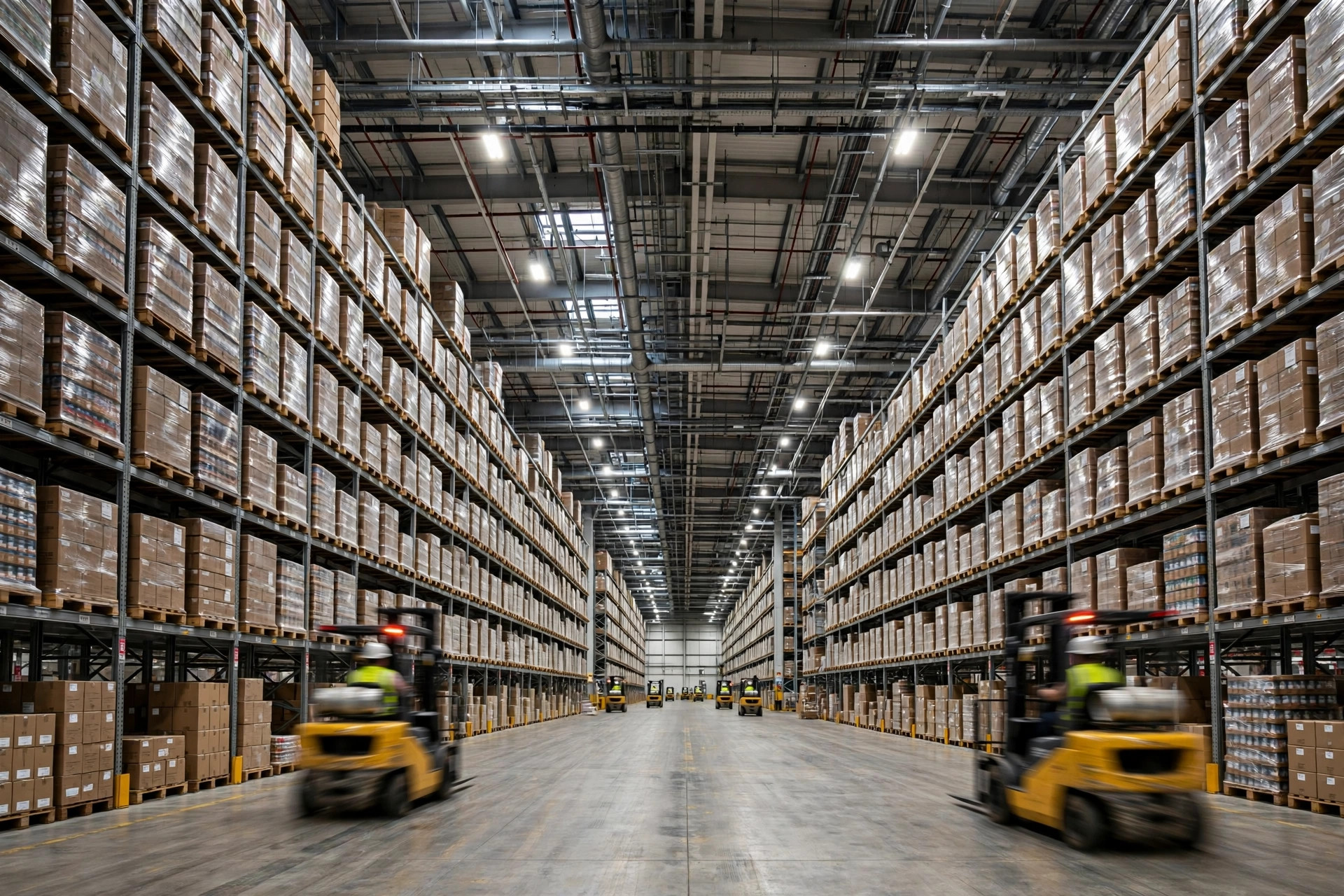
The Real Math: Micro-Fulfillment vs Traditional Warehouse Cost
Take our hypothetical scenario — 800 orders a day (illustrative magnitudes for comparison, not quotes):
| Cost item | Traditional small warehouse (us today) | Micro-fulfillment (estimate) |
|---|---|---|
| Rent | 1 (baseline) | 0.6 (smaller footprint, pricier location, call it 30% off) |
| Labor | 1 (baseline) | 0.7 (fewer hands, but pricier tech roles) |
| Equipment capex | 0.1 (forklifts + racking, long paid off) | 1.5+ (automation upfront, amortized over 5 years) |
| Systems/maintenance | 0.05 | 0.3 (expensive software, expensive service contracts) |
| Flexibility | High (switch categories anytime) | Low (hardware is fixed; new category = retrofit) |
See it? Micro-fulfillment wins on day-to-day spend (rent + labor) and loses on upfront investment plus flexibility. For big companies that trade-off pays — their volume pays back the equipment in 2 years. For us it's a disaster — our volume can't pay it back in 5, and flexibility gets locked away. Today the client sells cosmetics, tomorrow pet food; we just re-slot. A micro-fulfillment site switching categories? Redo the whole automation layout.
Here's the counterintuitive call: the biggest cost of micro-fulfillment isn't money — it's the bet. You're betting your product category stays the same for five years, your volume keeps growing, and the machines never go down. Big companies can afford that bet. We can't — one core machine down for three days wipes out our month's profit.
Advice for Fellow Small Warehouses
If you're also running a few thousand square meters, my advice is three lines:
- Don't be dazzled by "40% cost reduction." Ask which 40% goes down and what goes up. Sales pitches always show the numerator, never the denominator.
- Max out the scrappy stuff first. Slotting optimization, manual wave-merging, pooled carrier rates — do all the zero-cost things, and your per-order cost may already beat micro-fulfillment's "theoretical" number. That's how we survived.
- If you automate, start semi-automatic. A conveyor first, then an auto-bagger, one step at a time. Never go all-in on day one. Small steps, small falls.
One honest word to close: micro-fulfillment is a good thing, but it's a good thing made for rich people. Small warehouses have their own way of living — spend every cent where it counts, use scrappy methods to punch like the big leagues. That's our real competitive edge. After all, you have to survive first before you get to talk about the future.
By Xiao Ma, Small Warehouse Owner