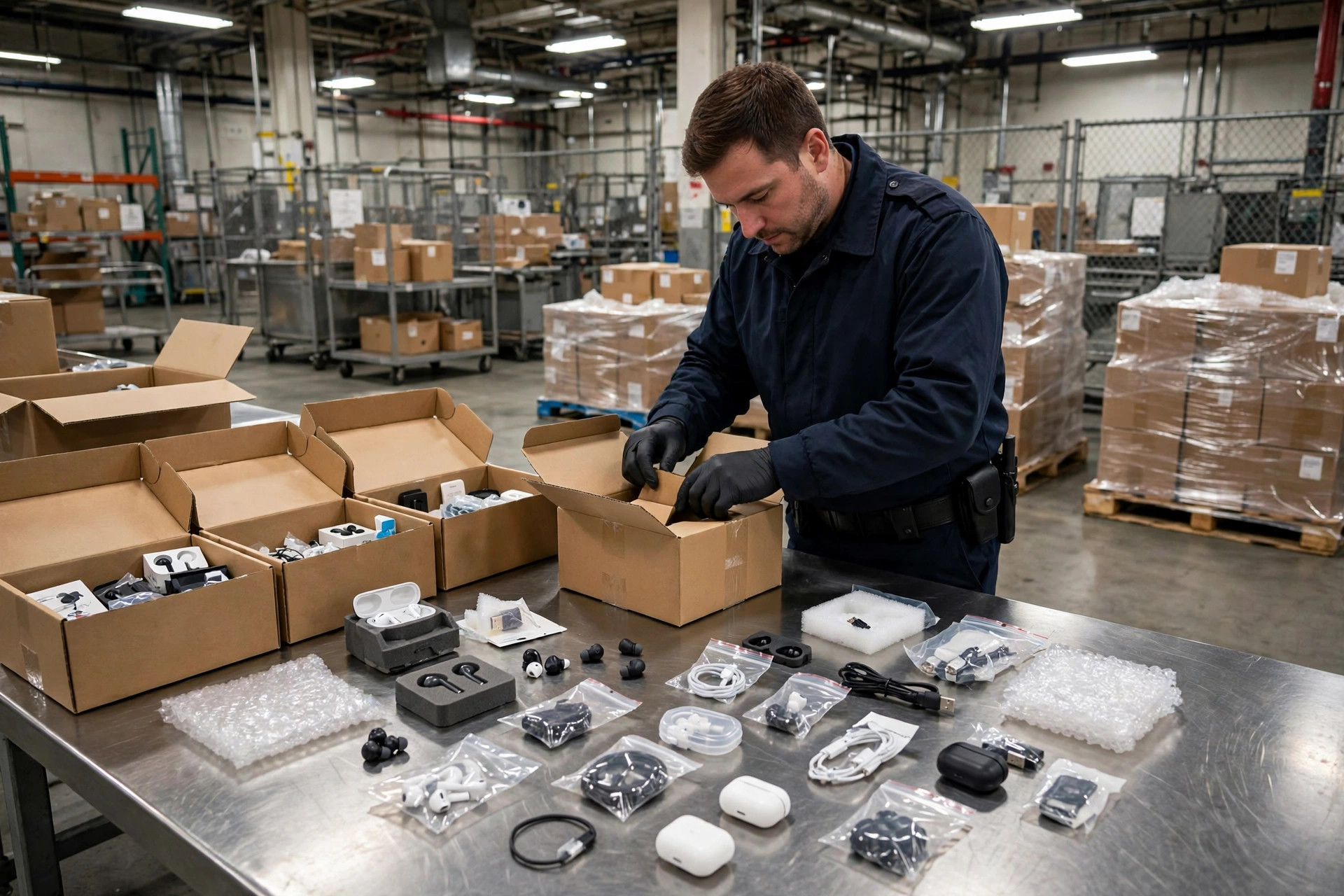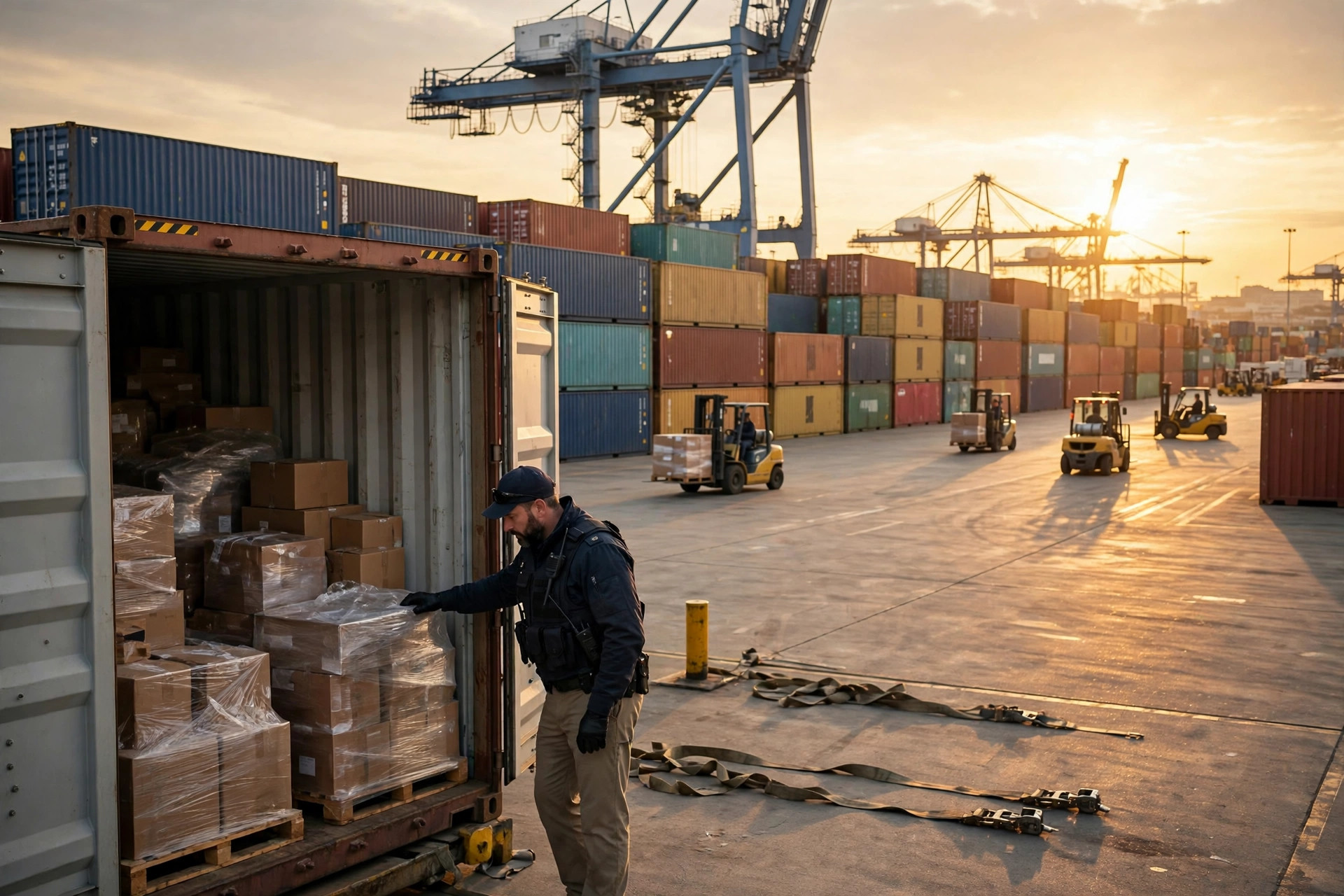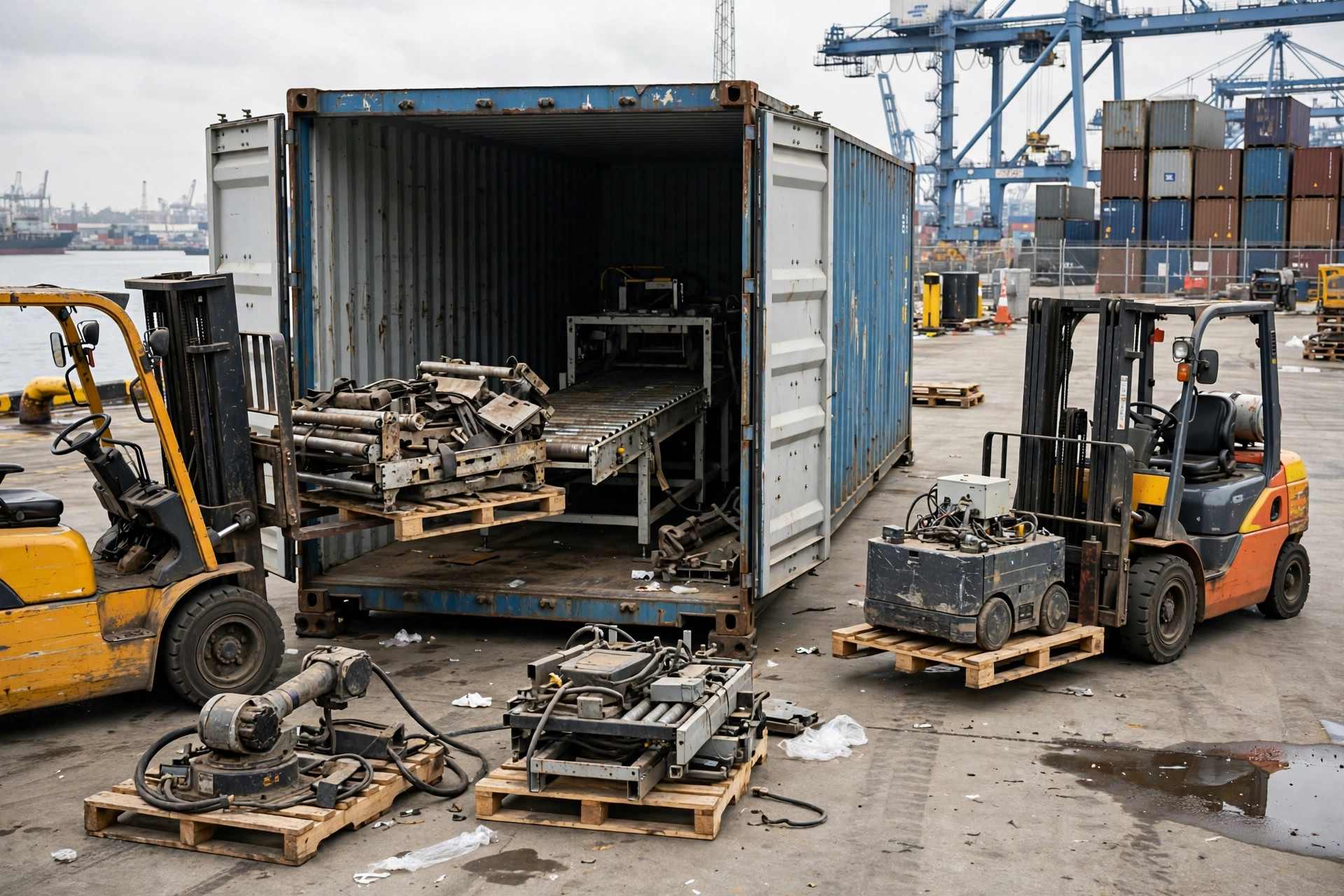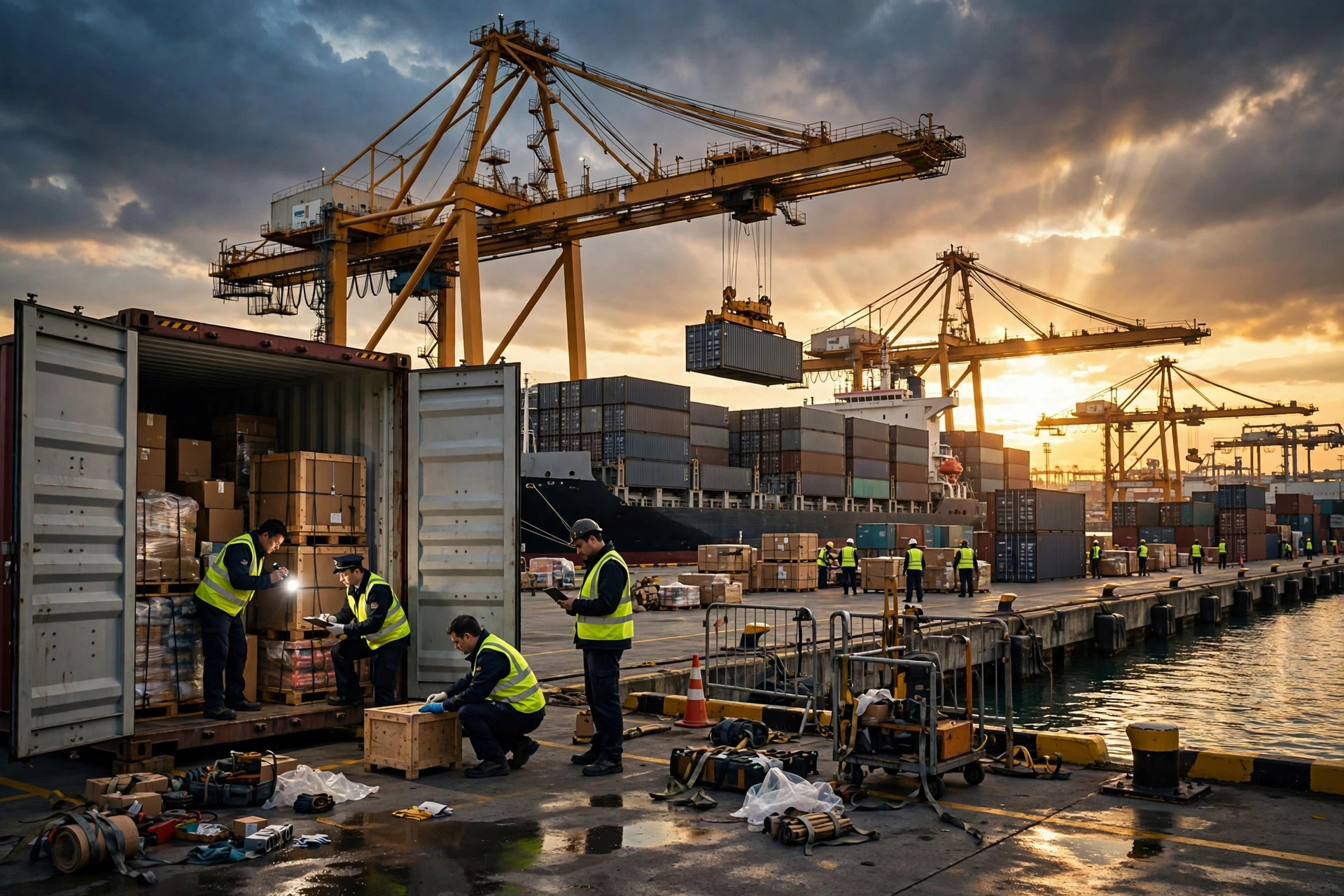
Let me start with a case that stuck with me this year. A friend of mine — a material-handling equipment dealer in California — bought a batch of AGVs from China and routed them through Vietnam to dodge Section 301 tariffs. Final assembly happened in Vietnam, boxes stamped "Made in Vietnam." U.S. Customs stopped the container at the Port of Los Angeles for false country-of-origin declaration. They asked for process documentation and labor-time records from the Vietnamese factory. He couldn't produce them. That container still hasn't been released, and he's already spent tens of thousands of dollars on lawyers.
I won't litigate the case here, but my verdict up front: if your plan is to change origin with a new label or a screwdriver-level assembly, Customs has seen it all before. U.S. Customs determines origin using the "substantial transformation" standard — a product processed in a third country only takes on a new origin if it emerges with a new name, character, or use. Those three elements are decades-old doctrine, but every determination is case by case. There is no lookup table you can just follow.
What Customs Actually Looks At
Customs doesn't care what your commercial invoice says. It cares whether the processing genuinely turned raw materials into a different thing:
- New name: the finished product goes by a different commercial name than the components. Motors, controllers, and chassis in; a finished AGV out. Most assemblies pass this one, but it's only the starting point.
- New character: the physical character changed. Dimensions, structure, performance specs — nothing like the components that went in.
- New use: the use changed. From a pile of parts to a machine that does work on its own.
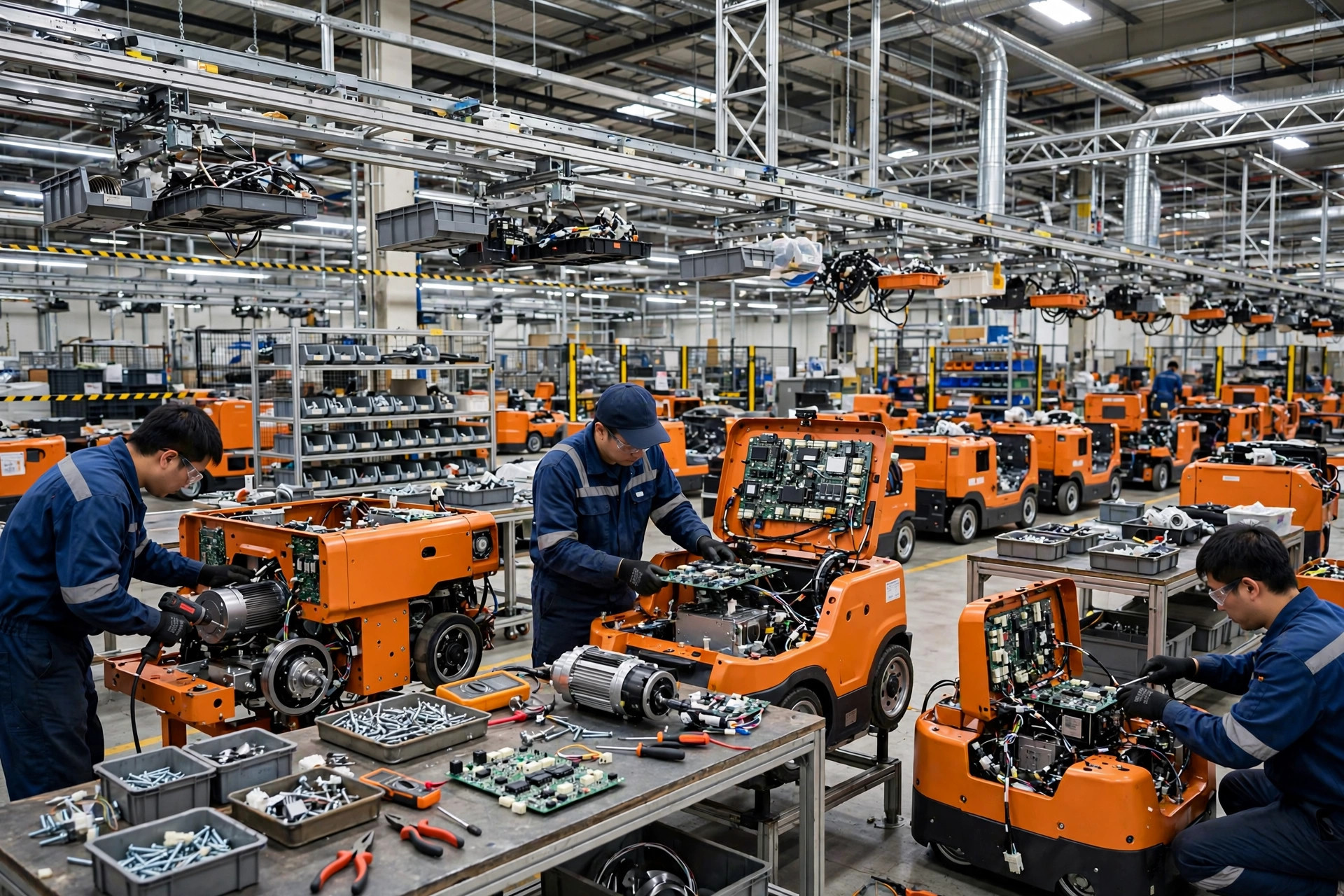
That sounds straightforward, until you realize Customs applies a fourth, unwritten test: how complex was the processing? Snapping together off-the-shelf modules and tightening a few screws in Vietnam won't pass. But if the Vietnamese plant does full vehicle commissioning, sensor calibration, safety testing, firmware flashing with validation, and load testing — producing a finished machine ready for customer delivery, with complete process records — then you have a real shot. I say "a real shot" deliberately. The final answer still comes from a ruling.
Run your own operation through this checklist before you ship anything. If you can't answer one of them, slow down:
- Did the name change? Components in, a finished machine out — a genuinely different product description?
- Did the physical character change? Appearance, structure, performance specs — completely different from the components?
- Did the use change? From "spare parts" to "equipment that works independently"?
- Is the processing complex enough that "simple assembly" can't explain it? Calibration, testing, software integration, load runs?
- Do you have standalone process documentation proving every step actually happened and added value?
Number four is where most plans die. A lot of owners think "but I really did assemble it in Vietnam," and Customs' unspoken reply is: could a skilled worker finish your assembly in half an hour?
The Usual Ways This Blows Up
These playbooks all have profiles in the inspection playbook. Don't assume you're the first to think of them:
Relabel and repack: goods ship from China and only get new packaging and labels in Vietnam — the cartons are never even opened. Highest failure rate. A bill-of-lading and logistics trail check exposes it in a minute.
Screwdriver assembly: components arrive in Vietnam, workers tighten a few screws and plug in a few cables, total labor under an hour. Customs looks at the time records and process complexity, and rules no substantial transformation.
Does flashing firmware count as processing? No. Burning firmware or loading software alone doesn't change the product's physical character or use. Trying to pad your processing depth with this won't work.
Split shipments: breaking one machine into two shipments at different times that "reunite" in Vietnam before declaration. Customs looks at the full trail and the composition of the final product — splitting shipments doesn't change the determination.
One more word on enforcement risk: over the past couple of years, Customs has been noticeably stricter with automation equipment arriving from Southeast Asia. Penalties for false origin declarations scale as multiples of the duties involved, and large or egregious cases can carry criminal exposure. For the current penalty tiers and enforcement posture, go by the latest official policy — I'm not inventing numbers here.
The Compliant Path to Lower Duties
Drawing the red line first: transshipment to evade duties is a hard red line — covered in a dedicated article on this site, so I won't go there. Below is only the compliant route.
First, design the process, not the paperwork. If you want origin to legitimately land in a third country, put genuinely value-adding work there: full machine commissioning, load testing, safety validation, customized systems integration. Not to "pad the process count" — because your supply chain actually needs a factory there that can deliver finished machines. Keep complete labor-time and test records. They're your armor when Customs comes knocking.
Second, get a CBP ruling before you scale. This is the most important step in the whole process, and the one most often skipped. A ruling is binding — Customs issued it, and future inspections follow it. How to apply:
- Put together the complete BOM and process-flow documentation — every operation and labor hour in the third country, spelled out.
- Search CBP's CROSS database for prior rulings on similar products as a reference point.
- Write the ruling request letter: what the product is, what the processing chain looks like, and why you believe it constitutes substantial transformation. Submit it with your evidence package.
- Once you have the ruling, file it and declare strictly in line with it. Get the ruling in hand before you ship at volume.
Third, build the evidence chain — don't skip a single item. This is what Customs asks for during an inspection, so build it in advance:
- BOM (bill of materials)
- Process documentation: SOPs for every operation
- Labor-time records, by operation and by batch
- Test reports: raw records of calibration, load testing, safety testing
- Inbound documents: component purchase invoices, bills of lading
- Photos of the third-country plant and production lines, plus worker training records
Miss any one of these and all you have at inspection time is your word. Customs doesn't listen to stories — it reads files. Keep these records for at least five years from the date of entry; if Customs opens an audit two years later and your files are gone, the ruling won't save you.
One piece of advice you can act on tomorrow: if you're already considering a third-country route, spend a few thousand dollars on a pre-assessment with a customs attorney, and apply for a ruling whenever you're unsure. Compared with a container racking up charges at the port every day, that money is well spent. On origin, the compliant path works and the shortcut doesn't — that's the surest conclusion I've drawn from watching these cases over the years.