If you searched "argentina import rules after SEDI elimination 2026," here's the short version: Argentina killed SEDI — its advance import declaration system — effective February 26, 2025. But don't confuse "no more pre-approval" with "no more preparation." I've watched too many people read "deregulated" as "do whatever you want," then pay for it in inspection delays and back taxes at the port of Buenos Aires.
This one cuts both ways. Argentina has cut import barriers harder than almost any South American market in recent years — lower tariffs, dead certificates, refundable guarantees. But customs moved its muscle from pre-clearance blocking to post-clearance auditing. What you experience as freedom is risk, deferred: it used to be "show your ticket at the door"; now nobody checks at the door — but they audit the books on the way out.
What actually changed in Argentina's import rules after SEDI
Let me get the facts straight.
SEDI (Sistema Estadístico de Importaciones) replaced the old SIRA in December 2023: before shipping, the importer filed a sworn online declaration; authorities had up to 30 calendar days to respond (SIRA's was 60), after which approval was automatic; declared FOB values and quantities carried a ±7% tolerance. In February 2025, ARCA and the Secretariat of Industry and Commerce issued Joint General Resolution 5651/2025, repealing SEDI outright — along with its founding resolutions (5429/2023 and 5466/2023). Every declaration previously registered under SEDI became null and void, effective February 26, 2025.
Post-SEDI, imports go back to the standard flow: file the import destination declaration in the MALVINA (SIM) system through the VUCEA single window. No advance declaration needed.
But SEDI's repeal is only one part of the deregulation package:
First, tariff cuts. Decree 908/2024 slashed duties on 89 products: auto and motorcycle tires 35%→16%, motorcycles 35%→20%, small appliances 35%→20%, canned food 35%→13%, industrial inputs like PET and ABS plastics down to 2%. If you import small appliances or auto parts, your landed-cost model just got rewritten.
Second, the used-goods certificate CIBU is gone. Decree 273/2025 killed a 30-year-old requirement — importers of used machinery file a sworn declaration in SIM instead of proving no equivalent local production exists. But used-goods extra-zone duty (DIE) rises 100% over the new-goods rate, capped at 35%. No more certificate, possibly higher duty. Classic two-sided deal.
Third, reference valuation prices are gone. General Resolution 5582/2024 (October 9, 2024) scrapped the 15-year-old "valuation criteria" system: below-reference declared values no longer require posting a guarantee before release. Now it's risk-based post-clearance selection — and any guarantee demanded must be auto-returned within 120 days. Money no longer sits frozen, but know your exposure if selected.
One more that people miss: the PAIS tax — pre-collected at 7.5% on most imports — expired on December 22, 2024. If you have overpaid PAIS balances from 2024, ARCA opened refund channels. Confirm current windows and terms on ARCA's official site.
Stocking rhythm: approval is gone, so how much safety stock can you cut?
This is where SEDI's repeal hits warehouse operations hardest.
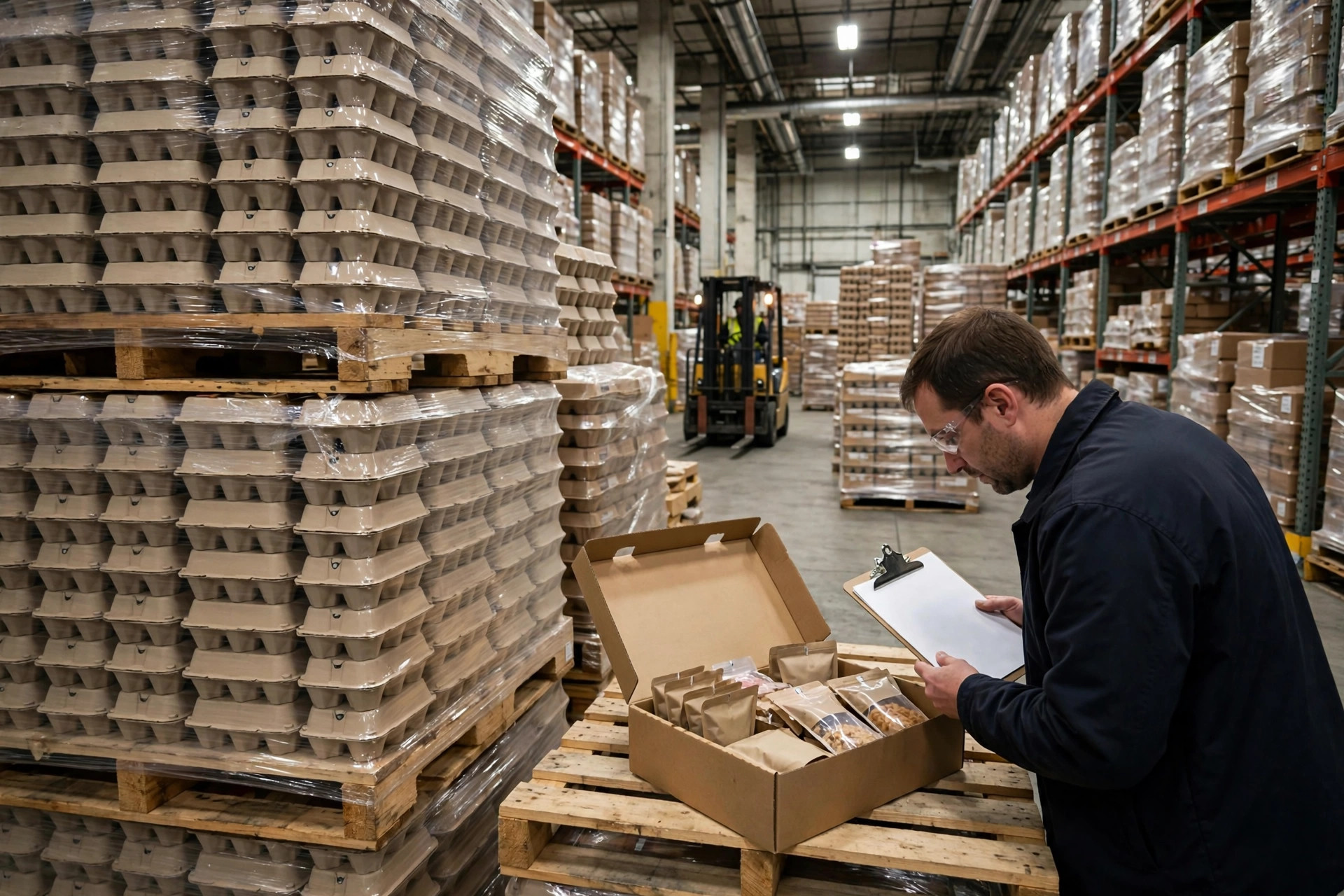
Under SEDI, you couldn't ship until the declaration cleared, which forced importers to have documents ready at least 30 days out. That forced discipline is gone. Shipping schedules are free now — but I've seen too many importers invert the sequence: it used to be "documents first, then book the vessel"; now it's "book the vessel, fix documents at arrival." Then the container sits at Buenos Aires burning through its free storage days.
This April, a Shenzhen small-appliance seller ran its first post-SEDI shipment from Guangzhou to Buenos Aires. The team had prepared for a 30-day declaration lead time, discovered the declaration was gone, and concluded "no preparation needed." Invoice and certificate of origin weren't ready. The container got selected for inspection, documents didn't match, and it sat at the port 9 extra days. Every day of approval time they saved got paid back to the port.
My recommendation: convert the old 30-day SEDI approval wait into a 21-day document lead time. Twenty-one days before shipment, invoice, packing list, draft bill of lading, and certificate of origin (critical for Mercosur preference) must be complete, and your broker should pre-confirm tariff classification. You can genuinely cut safety stock by 7–10 days — the approval stage is really gone. But add back a 5–7 day arrival-exception buffer for inspections. Net: your stocking cycle shortens by about a week, not the month some people assume.
Clearance and broker coordination: what do you actually pay him for now?
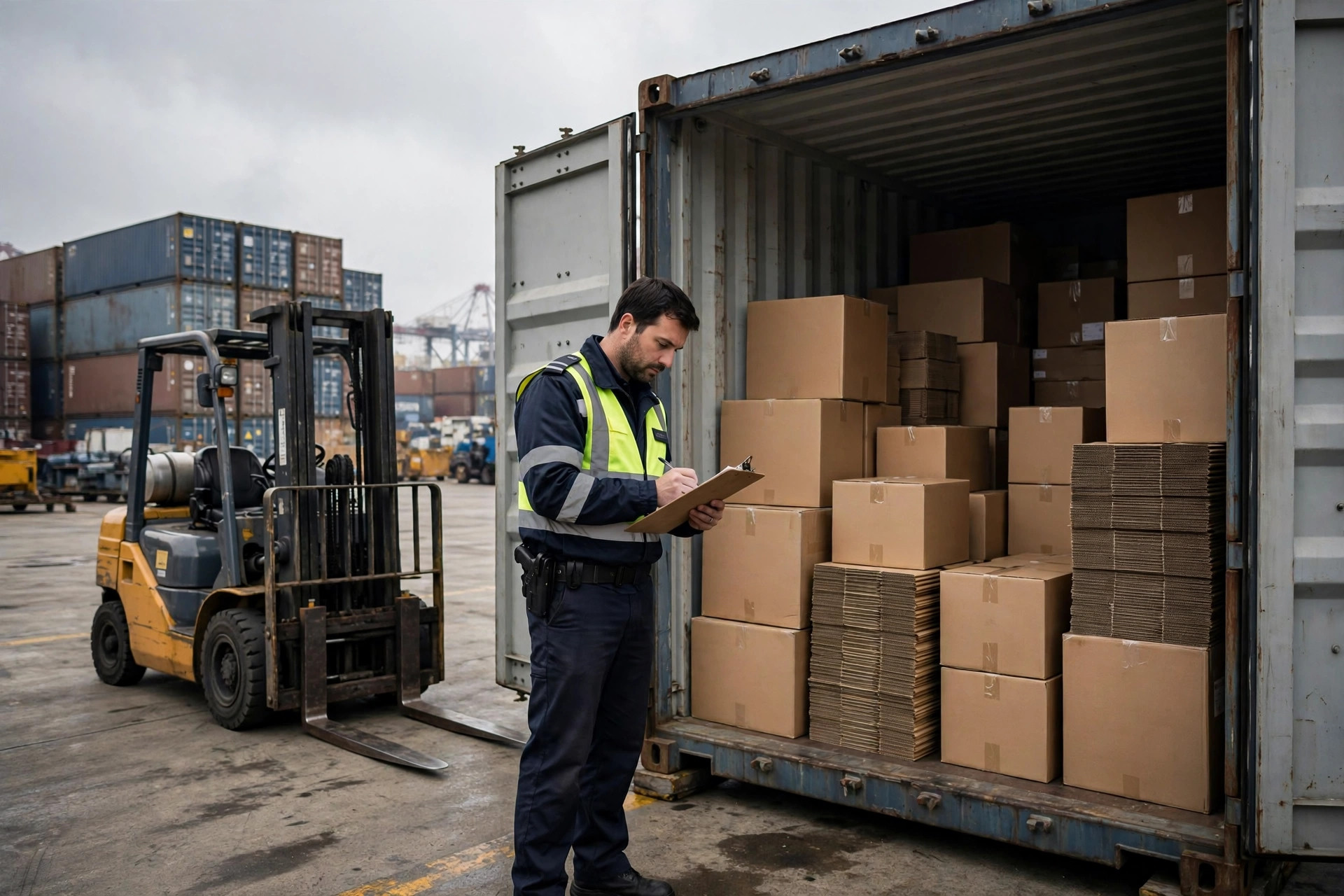
The customs broker (despachante de aduana) is the relationship that changed most after SEDI. His old core value was running approvals: tracking SEDI status, chasing responses, handling tolerance overruns. With approvals gone, a "declaration service fee" pays for work that no longer exists.
Don't rush to cut his fee, though. His value moved from legwork to risk management — and the latter is worth more. Under GR 5582/2024, customs runs risk-based post-clearance valuation audits: prices, classification, origin authenticity. Get selected and it's back taxes plus fines. SEDI's front-loaded approval used to absorb some of that risk; now it sits entirely on you and your broker.
In June, a Rosario equipment supplier importing used excavators assumed CIBU's elimination meant smooth sailing and shipped. Under Decree 273/2025, used-goods DIE runs 100% above the new-goods rate (capped at 35%) — landed cost came in far above estimate because the broker hadn't repriced the duty in advance. No certificate to chase, but the math has to be redone.
So the broker's new KPIs: advance tariff classification (NCM codes) confirmed in writing before shipment; a valuation-risk self-audit mirroring customs' selection logic; and certificate-of-origin authenticity. Rewrite the "SEDI declaration service" line in your agreement into a "post-clearance audit response package": who prepares the defense file if you're selected, within how many days. Put it in writing.
Doing the math: where the SEDI savings leak out
| SEDI era (Dec 2023–Feb 2025) | After repeal | |
|---|---|---|
| Pre-shipment lead time | Declaration + approval, up to 30 days | No approval; ship once documents are ready |
| Guarantees | Posted whenever declared value < reference price | Only if selected post-clearance; auto-returned within 120 days |
| Duty levels | Tires 35%, small appliances 35%, etc. | 89 products cut: tires 16%, small appliances 20%, industrial inputs as low as 2% |
| Used equipment | CIBU approval + proof of no local equivalent | No CIBU, sworn declaration only; but DIE up 100% (cap 35%) |
| Risk location | Upfront: no approval, no shipment | Backend: audits, back taxes, fines |
| PAIS tax | 7.5% pre-collected on most imports | Expired end of 2024; overpayments refundable |
Here's the counterintuitive read most coverage of "argentina import rules after SEDI elimination 2026" leaves out: with approvals gone, it's easier to get in trouble — and penalties land harder. SEDI was "show your ticket at the door": bad ticket, you never got in. Now it's "no ticket check at the door, audit on the way out": the goods are shipped, the money is spent, and a classification or valuation problem hits landed cost that's already committed. For occasional small-lot importers, the new regime is pure upside. For regular replenishment importers, the upside hides a trap: let document discipline slip, and inspection rates plus back taxes will eat your saved lead time with interest.
The decision framework is simple — match it to your import frequency. Occasional small lots: take the win, convert the saved 30 days straight into faster shelf availability. Regular replenishment: 21-day document lead time plus a 5–7 day inspection buffer, net safety-stock reduction of about a week. Large equipment, especially used: have your broker re-run the DIE math under Decree 273/2025 before shipping — don't quote off a 2024 tariff table.
One last piece of advice: SEDI's repeal is one of the few genuine deregulations in recent years — the tariff cuts are real, the approval removal is real, the guarantee refunds are real. But every "real" comes with a condition: your documents and classifications have to survive a post-clearance audit. Customs used to do the gatekeeping for you. Verify current policy on ARCA's official site, and get your broker to confirm the three new KPIs in writing before the next container moves.
By Lao Mi, Supply Chain Veteran (20 yrs)