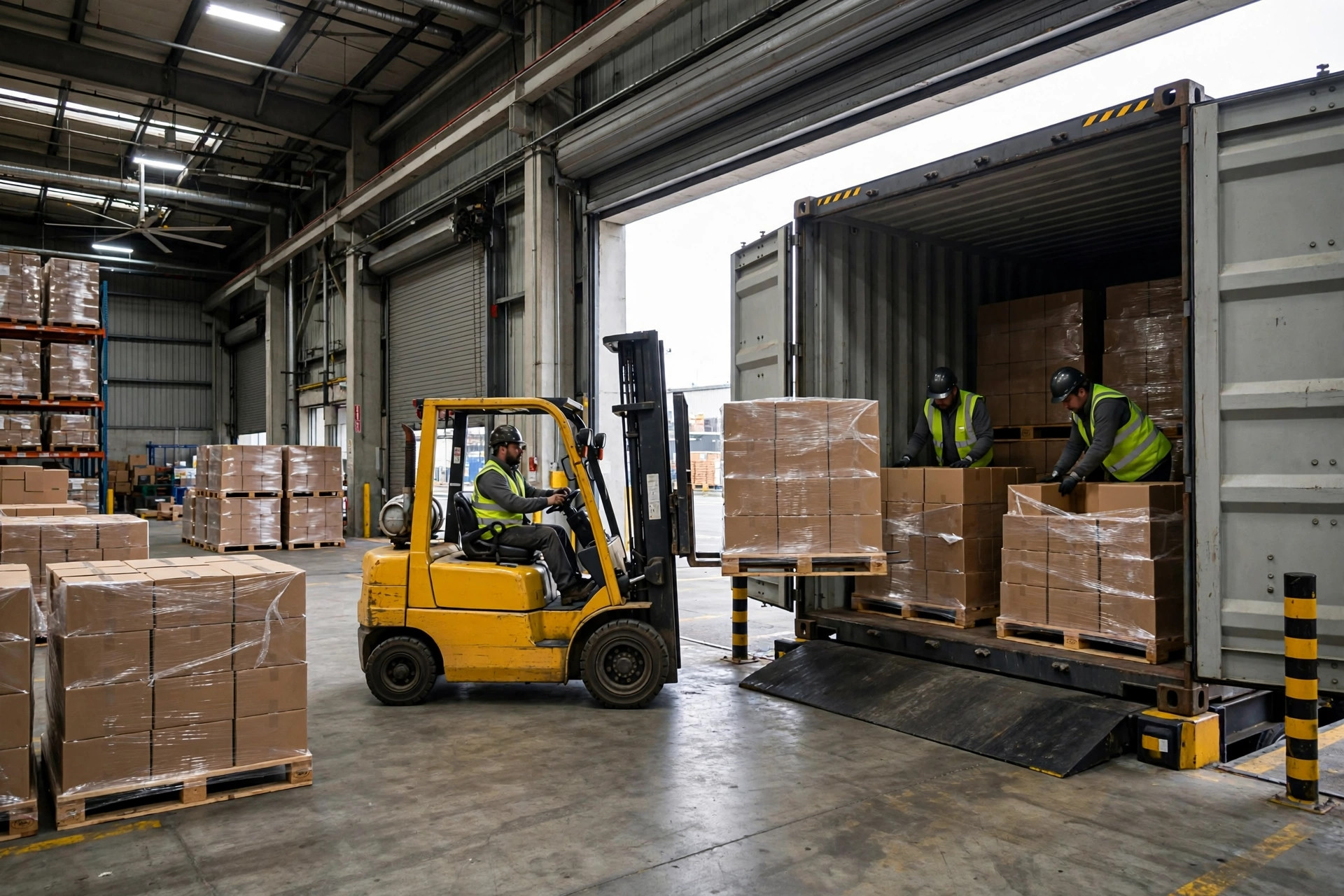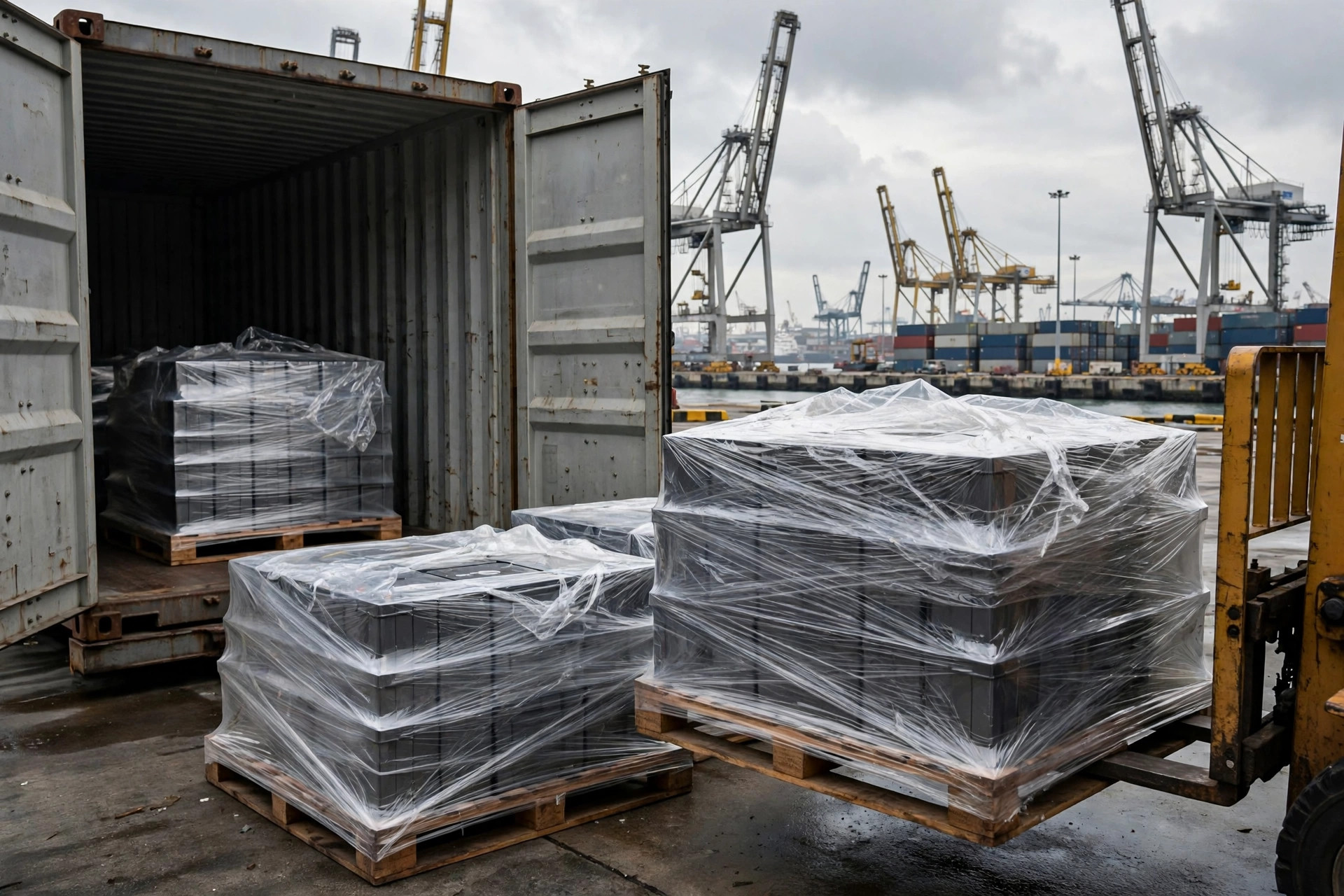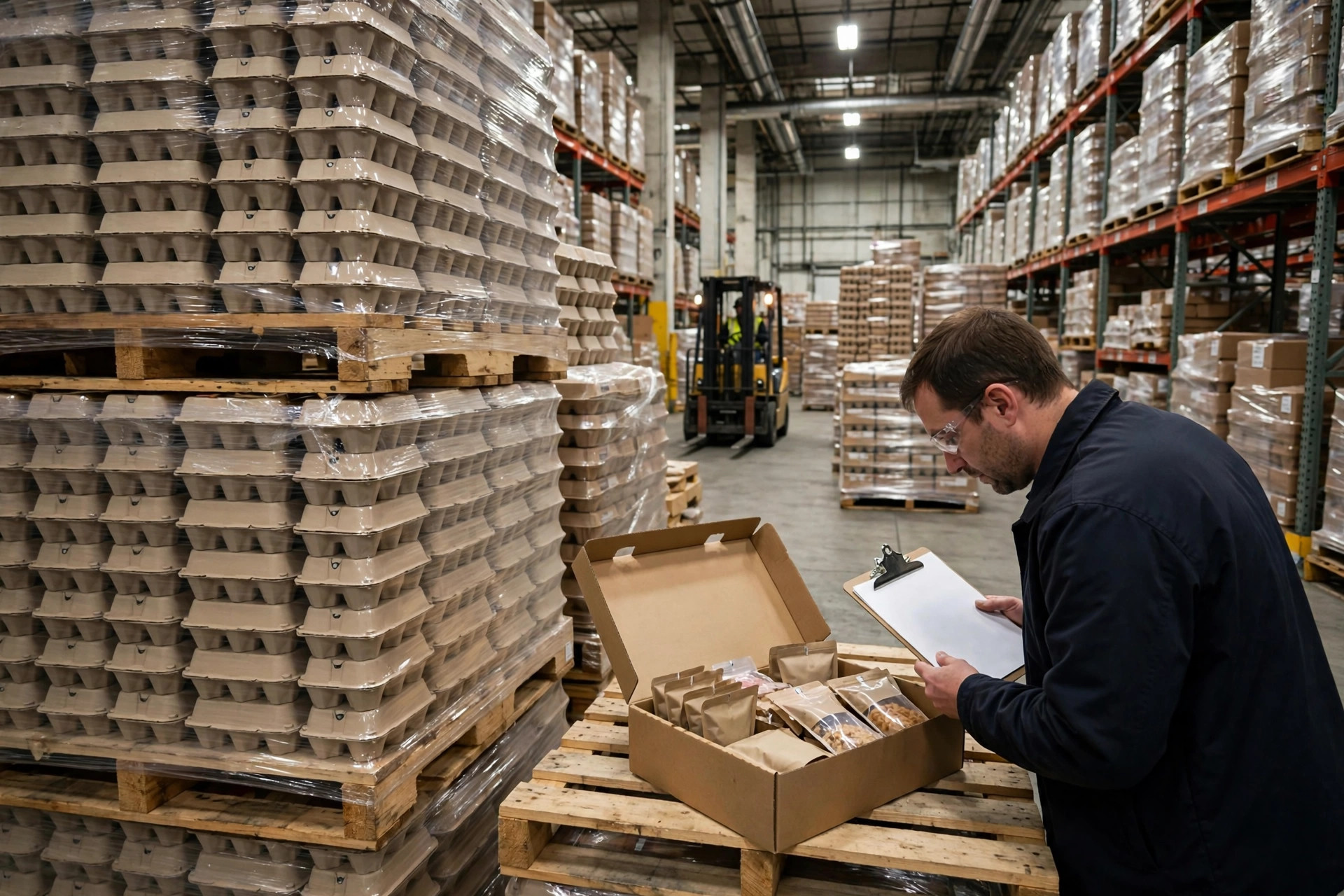
Somewhere around 2023, a pattern started repeating itself in the U.S. food import trade: a fully licensed importer, duties paid, paperwork filed, would get a notice from the FDA demanding the Foreign Supplier Verification Program records for a specific product — within 24 hours. No records, no release. The shipment sat at the port while demurrage ticked upward by the day. According to FDA enforcement records and compliance attorneys who work these cases, FSVP gaps are among the most recurring findings in FDA inspections of food importers. The uncomfortable takeaway: many importers first hear the term "FSVP" on the day they get inspected.
FSVP sits under the Food Safety Modernization Act, codified at 21 CFR 1.500 through 1.514. The logic behind it is straightforward. The volume of food entering the United States has grown far beyond what FDA can physically inspect at the border, so the agency pushed verification upstream — onto the importer. If you bring food into the country, you have to demonstrate that it was produced under safety standards comparable to those applied to domestic food. The border is no longer the checkpoint; your own program is.
Who Counts as the FSVP Importer
This is where the most expensive mistakes happen. The FSVP importer is not "whoever filed the entry." It is a legally defined role: the U.S. owner or consignee of the food at the time of entry. If there is no U.S. owner or consignee at the time of entry, the role falls to a U.S. agent or representative designated in writing by the foreign owner.
Three consequences follow directly. First, hiring a customs broker to handle your entries does not transfer FSVP responsibility — a point FDA enforcement practice has made repeatedly, and the single most common misconception among small and mid-size importers. The broker files; the importer verifies. Second, your Incoterms matter: under FOB terms, title typically transfers to the U.S. buyer at the port of loading, which usually makes that buyer the FSVP importer even if a forwarder runs every operational step. Third, "borrowing" someone else's importer identity is a high-risk game — the nominal consignee becomes the legal FSVP importer with no verification program in place, and the liability lands squarely on them when FDA comes knocking.
A quick self-test: at the time of entry, do you own this shipment in the United States? Are you the consignee on the bill of lading? Have you been designated in writing as the U.S. agent of the foreign owner? One "yes" and FSVP is your homework.
What FSVP Requirements Actually Demand From Importers
The regulation breaks the importer's obligations into four linked pieces, following the framework of 21 CFR 1.504, 1.505, and 1.506. Understanding the chain matters more than memorizing the sections.
First, hazard analysis. For each imported food and each foreign supplier, identify known or reasonably foreseeable hazards — biological, chemical, and physical — and evaluate the severity if they materialized. This is the foundation; every verification activity must grow out of this hazard list. One of FDA's most frequent findings is a hazard analysis that is visibly a template, disconnected from the product actually being imported.
Second, supplier evaluation. Before importing, evaluate the foreign supplier's performance and the risk posed by the food, and maintain a written list of approved suppliers. Importing only from approved suppliers is a hard requirement, not a suggestion.
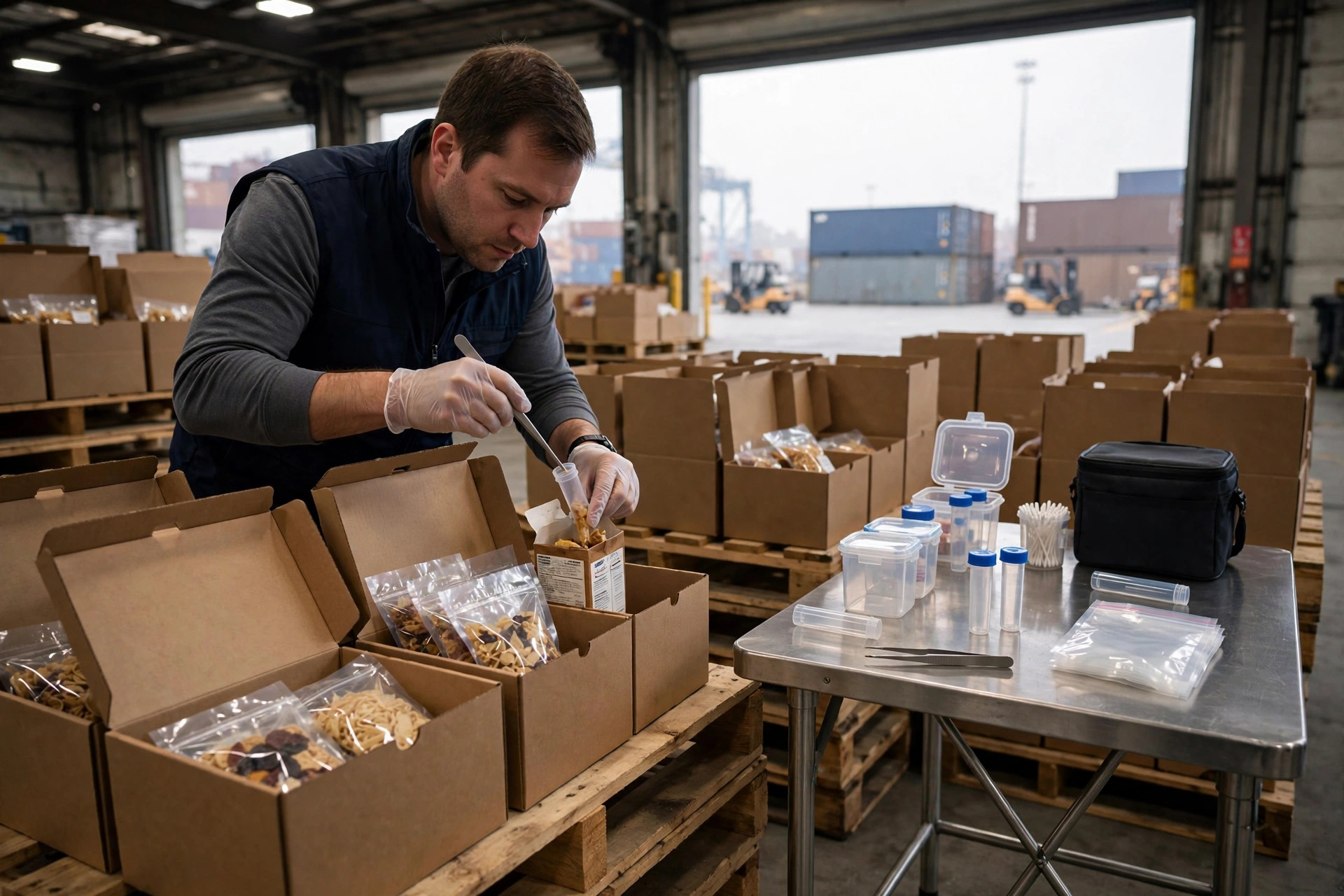
Third, verification activities — the part that costs real money. Based on the risk evaluation, select and conduct appropriate verification: onsite auditing, sampling and testing, review of the supplier's food safety records, or a combination. There is a bright line worth memorizing: when a hazard controlled by the supplier carries a reasonable probability of serious adverse health consequences or death — what the regulation calls a SAHCODHA hazard — the default verification activity is an onsite audit, conducted before the first import and at least annually thereafter.
Fourth, corrective actions and records. Problems found during verification need documented corrective action, complaints need investigation, and all records must be kept at least two years, producible to FDA within 24 hours of a request, with English translations available within a reasonable time. An FSVP is not a write-once file: reassess at least every three years, and sooner if new hazard information emerges.
Choosing Among the Three Verification Activities Without Wasting Money
The practical question every importer asks: which of the three activities should I pick? The table below maps the regulatory requirements against industry practice. Costs are approximate ranges — get real quotes for your situation.
| Activity | Rough cost | When it fits | Where it goes wrong |
|---|---|---|---|
| Onsite audit | Several thousand dollars per audit for an Asian facility, travel and auditor fees included | The default for SAHCODHA-type hazards; high-risk suppliers | Auditor lacks required qualifications; audit scope doesn't cover applicable FDA requirements — an expensive null result |
| Sampling and testing | Roughly a couple hundred dollars per analyte and up | Hazards that are well-defined and testable (heavy metals, pathogens) | No documented sampling rationale; treating an occasional test as a verification program when the frequency doesn't match the risk |
| Records review | Mostly internal staff time | Mature suppliers with a strong compliance history | Records in Chinese with no timely English translation; collecting records without actually evaluating them — which counts as not doing it |
Here is the counterintuitive part: a supplier holding a shiny GFSI-benchmarked certificate does not make you compliant. FDA has said third-party audits can serve as verification activities, but only if the audit scope covers the applicable FDA food safety requirements, the auditor meets the rule's qualification criteria, and — most importantly — the hazard analysis and the choice of verification activities are your own. I have seen cases where an importer paid for a thick audit report, only for FDA to find that the hazard analysis was still the supplier's template with the logo swapped, and the verification activities had no logical connection to the listed hazards. Back to remediation.
Two Scenarios That Show Where the Money Burns
Scenario one, Port of Long Beach, 2022. A small California importer of dried goods and seasonings from Southeast Asia gets an FDA entry review asking for the FSVP records on one product. The company has a broker and third-party lab reports, but no complete hazard analysis in English matching the product. The shipment is detained for over two weeks. Demurrage accrues at roughly a couple hundred dollars a day, plus rush testing and a compliance consultant. Afterward, the owner did the math: two weeks of detention cost more than two or three years of FSVP document maintenance would have.
Scenario two is subtler. An importer of fresh produce from Mexico has a supplier with a complete third-party audit report. The importer figures "it's already been audited, we're fine" — no independent hazard analysis, no written rationale for the verification approach. During an inspection, FDA finds no logical chain between the verification activities and the identified hazards: the audit flagged pesticide residue risk, but there is not a single corresponding sampling record. "Activity without a chain" is one of the most common FSVP findings FDA issues.
Is FSVP actually expensive? An importer with five SKUs and three suppliers typically spends in the low tens of thousands a year on audits, sampling, and staff time. One two-week detention — demurrage, rush testing, counsel, customer claims — can easily exceed that. Compliance is a fixed cost; non-compliance is a random catastrophic one.
Three Myths That Refuse to Die
Myth one: "our broker handles all of that." Brokers handle declaration and clearance. FSVP is food safety verification. Two entirely different obligations — and assuming the broker covers it is the highest-frequency misjudgment in the trade, with a long trail of enforcement cases to prove it.
Myth two: "we're just traders, we never touch the goods." FSVP keys off owner-or-consignee status at entry, not physical handling. A pure trading company that is the importer of record owes the full program.
Myth three: "our supplier is famous and fully certified." Reputation and certificates are inputs to supplier evaluation, not substitutes for an FSVP. The regulation demands your hazard analysis, your verification choices, your records. Someone else's documents don't count at FDA.
An Open-Ended Thought
The trend is visible: FDA enforcement is shifting from border sampling toward system traceability — importer identification, entry data screening, and records requests are linking into one continuous chain. FSVP is only one piece of the FSMA puzzle; the traceability rule and other pieces are still landing. For importers, the real change isn't another document — it's a change in the game itself, from "as long as the goods get in" to "provable across the whole chain."
One question worth sitting with: once FDA fully connects importer identification with entry screening, how much longer can food imported under borrowed identities keep moving? The cheapest time to get compliant is usually right before enforcement tightens.
By Dr. Chen, Supply Chain Researcher