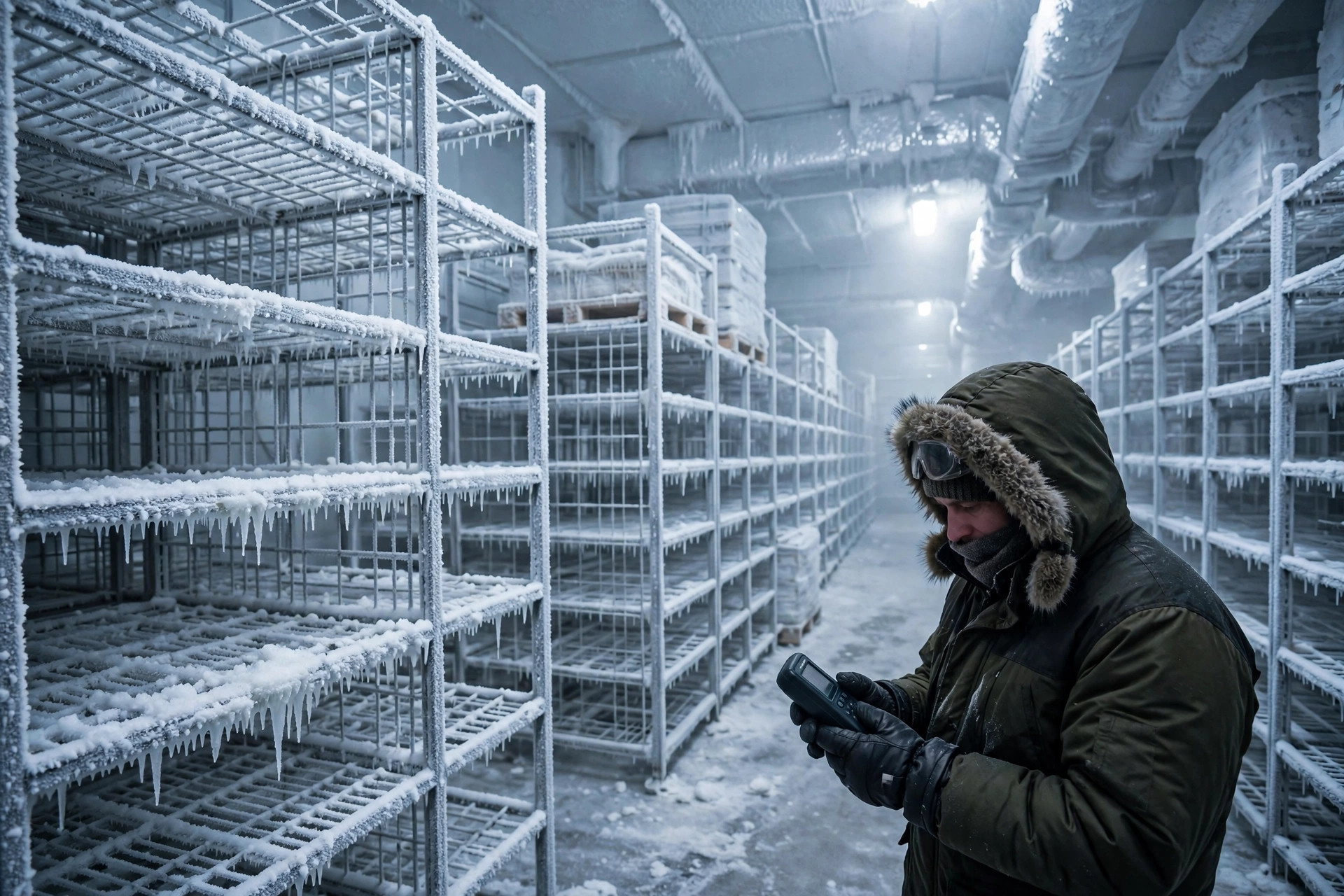
When people talk about pet food compliance, the conversation usually starts and ends at the factory — formulations, labels, manufacturing audits. Warehouses tend to assume the rules stop at their dock doors. Under FDA's 21 CFR 507, the Current Good Manufacturing Practice regulation for animal food, that assumption doesn't hold. According to FDA's stated enforcement approach, a facility that only holds and distributes animal food may be exempt from some Subpart C (hazard analysis and risk-based preventive controls) requirements, but Subpart B — the CGMP provisions themselves — still applies. The exact boundaries of the exemption shift with FDA's latest guidance, so verify against the agency's current postings, but the direction is unambiguous: pet food warehouses are inside the compliance perimeter, not outside it.
First, Figure Out Where Your Warehouse Sits Under 21 CFR 507
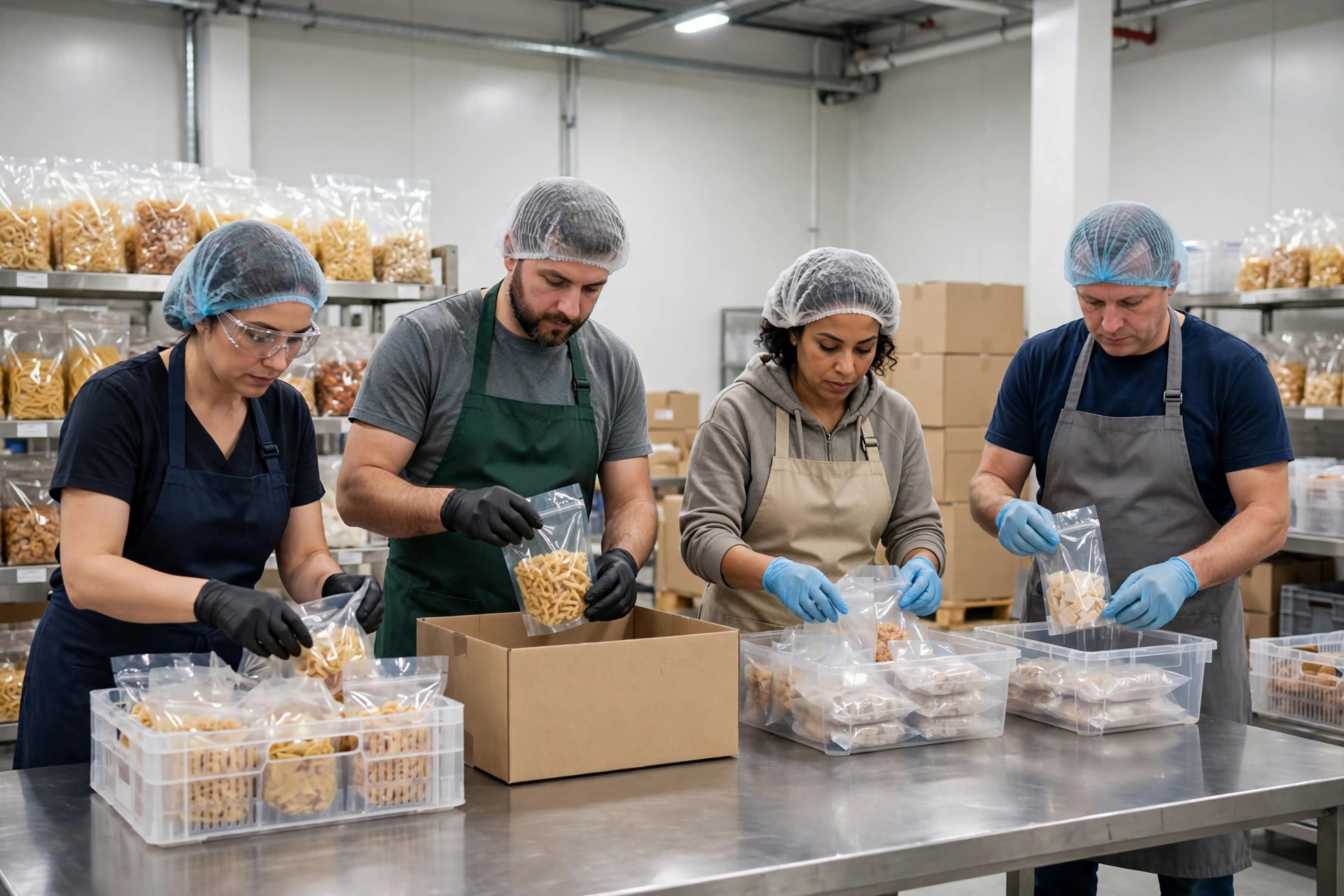
21 CFR 507 defines "facility" broadly: anyone in the U.S. who manufactures, processes, packs, or holds animal food sits inside the FSMA registration system. The dividing line that matters for a warehouse is whether you touch the product's identity. A pure storage-and-distribution operation — no breaking bulk, no repacking, no relabeling — can claim the Subpart C exemption. The moment your team repacks, relabels, blends, or re-kits product inside the four walls, your legal identity flips from "warehouse" to "processor," and the full weight of Subpart C lands on you.
The logic is risk-based, not role-based: FDA assigns obligations by what you actually do to the product, not by what your website says you are. In spring 2024, a Dallas-area 3PL that handled pet food fulfillment learned this the expensive way. Its value-added service — swapping outer cartons and applying new labels for a client — was classified as manufacturing during an inspection. The facility was told to stand up a full preventive-controls plan, a four-month remediation that cost it two major accounts in the interim. The lesson isn't "don't offer value-added services." It's "map every in-warehouse operation against 21 CFR 507 before you price the service."
Thing One: Pet Food Compliance Starts with Pest Control and Sanitation — the Cheapest Line Item, and the Easiest to Fail
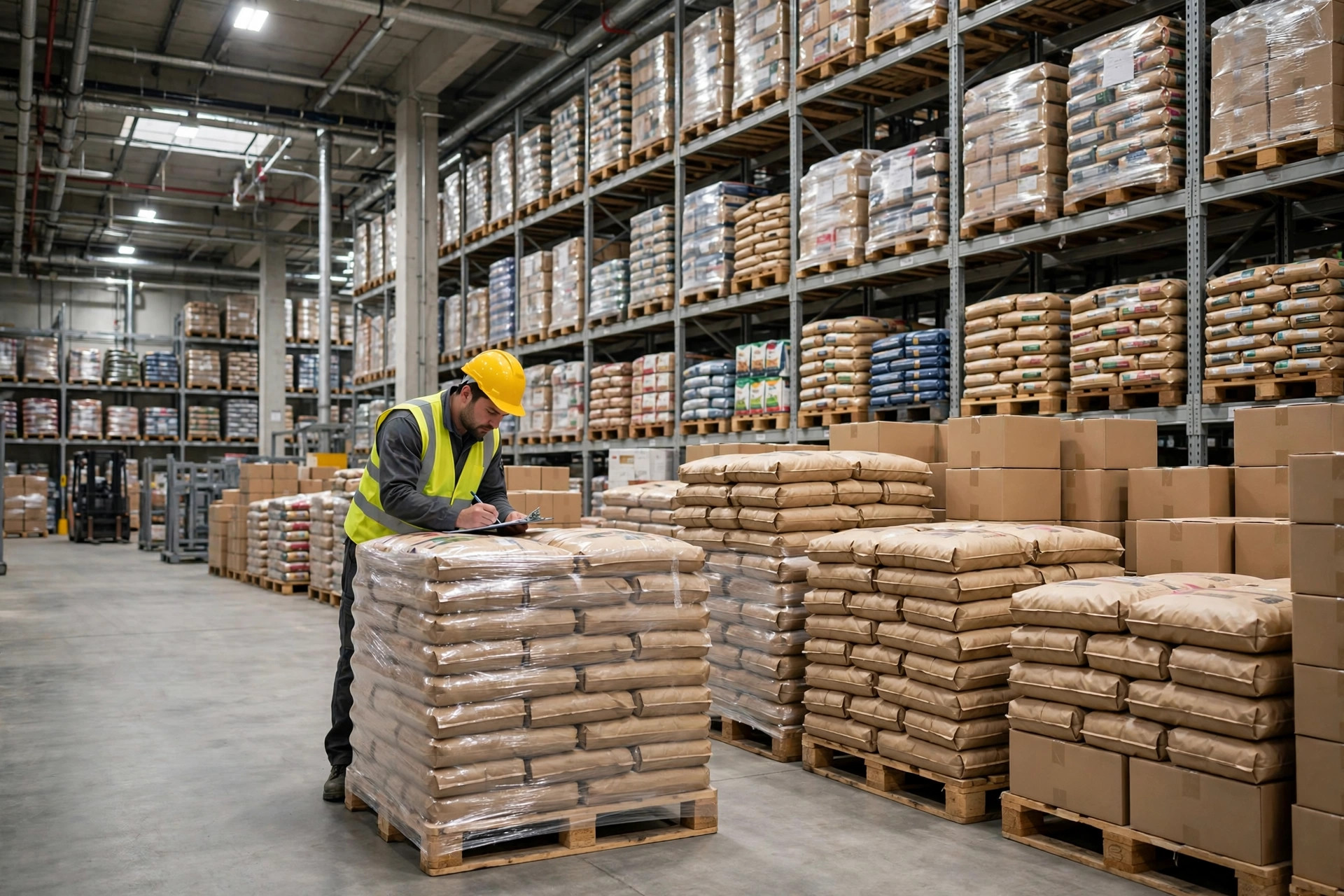
According to FDA's published animal-food inspection data, the most common observations issued to holding facilities aren't about sophisticated process controls. They're about sanitation: evidence of pest activity, deteriorating floors and walls, drainage and refuse handling. The reasoning is straightforward — an investigator's first impression comes from the physical plant, and the physical plant is the one thing you can't cram for.
A regional pet food distributor in California's Central Valley provided the textbook case in fall 2023. An investigator found rodent activity evidence under pallets, then found a two-month gap in the pest-control operator's visit logs and no written pest management plan on file. The result was a formal compliance letter, followed by escalated customer audits. The warehouse had to pull more than 400 pallet positions for deep cleaning and evidence sweeps, halting outbound shipments for three days. Here's the counterintuitive part: plenty of operators will spend six figures on automated racking yet hesitate to spend a few hundred dollars a month on professional pest management with documentation — while the latter is precisely where inspections bite. The spending and the risk are completely inverted. That's the classic trade-off misjudgment in warehouse compliance.
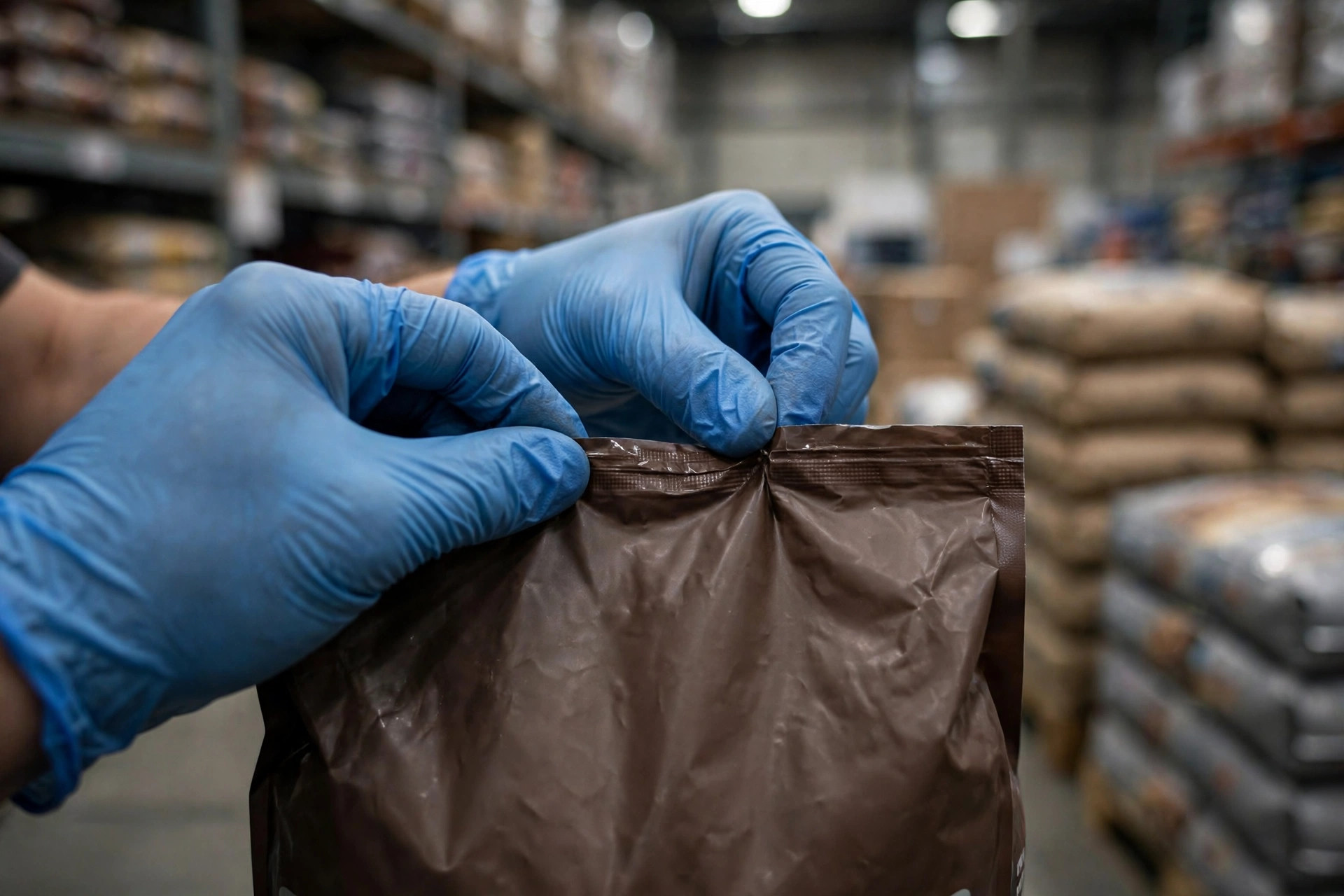
The fix itself is unglamorous: written sanitation operating procedures, a contracted pest-control provider with visit logs, pest-proofing at inbound doors and docks, and a quarantine area for damaged packaging. The hard part isn't doing it. It's doing it every time, and writing it down every time.
Things Two Through Four: Lot Traceability, Cross-Contamination, and Temperature — One Recall Settles the Math
Pet food recalls in the U.S. are not rare events, and Salmonella contamination has historically been among the leading triggers. When an upstream brand initiates a recall, the warehouse has hours — not days — to answer three questions: how much of this lot did we receive, where is it, and who did we ship it to. Fail to answer, and you face customer claims at best and a finding of record-system failure at worst.
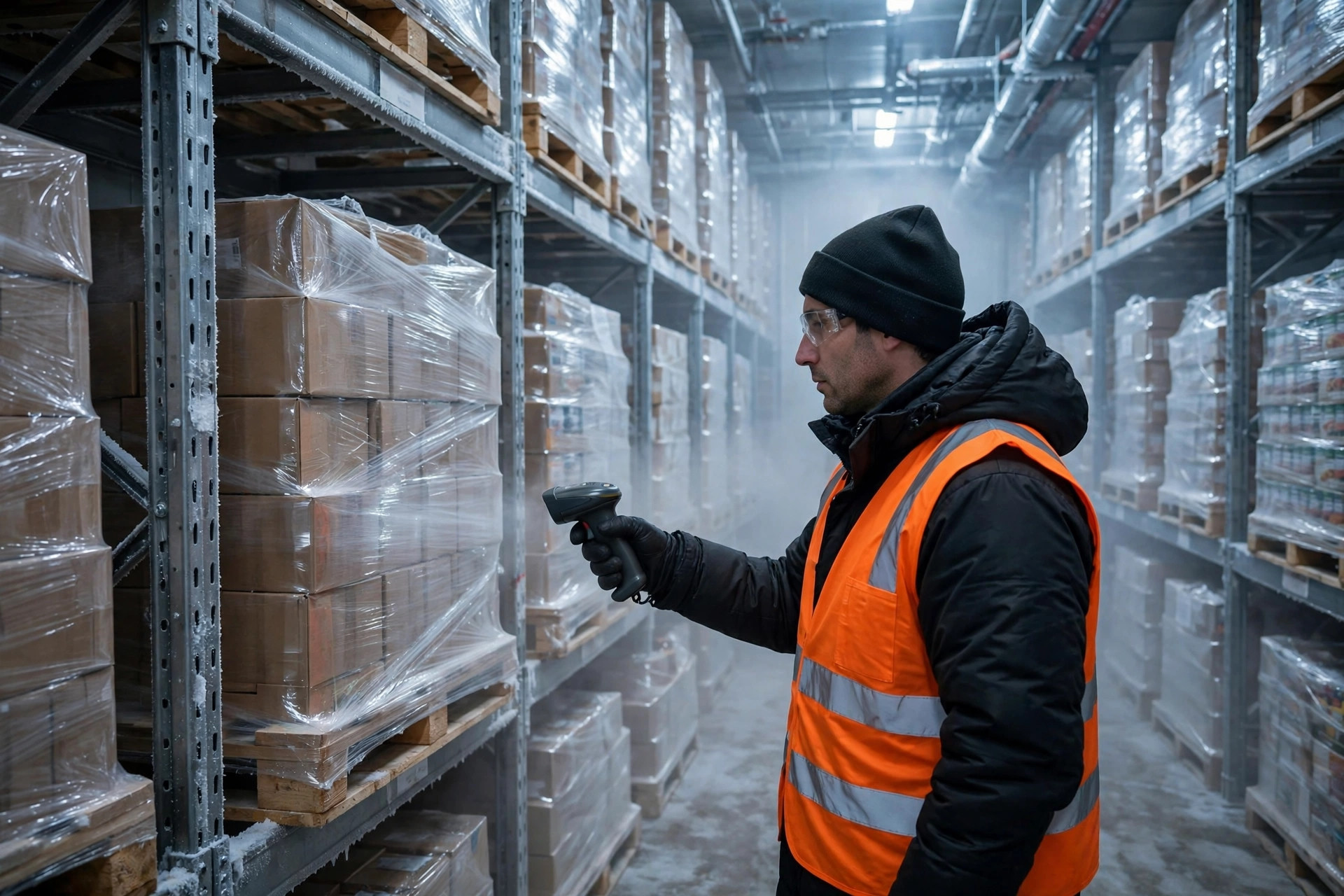
Run the numbers. Take a 20,000-square-foot pet food warehouse shipping roughly 800 cases a day. Installing lot-level traceability — mandatory lot fields in the WMS, barcode scanning, retained receiving and shipping records — runs about $15,000 to $40,000 one time, after which the ongoing cost is mostly scan labor. Now price a mid-size recall where poor traceability forces a full-warehouse hold: 1,200 pallets frozen pending investigation, with storage and tied-up capital costs compounding daily. Three days of a frozen building can exceed the entire cost of the traceability system — before counting the accounts you lose afterward. Traceability isn't an expense; it's insurance. On record retention, the regulation calls for at least two years of records — verify the current requirement on FDA's site.
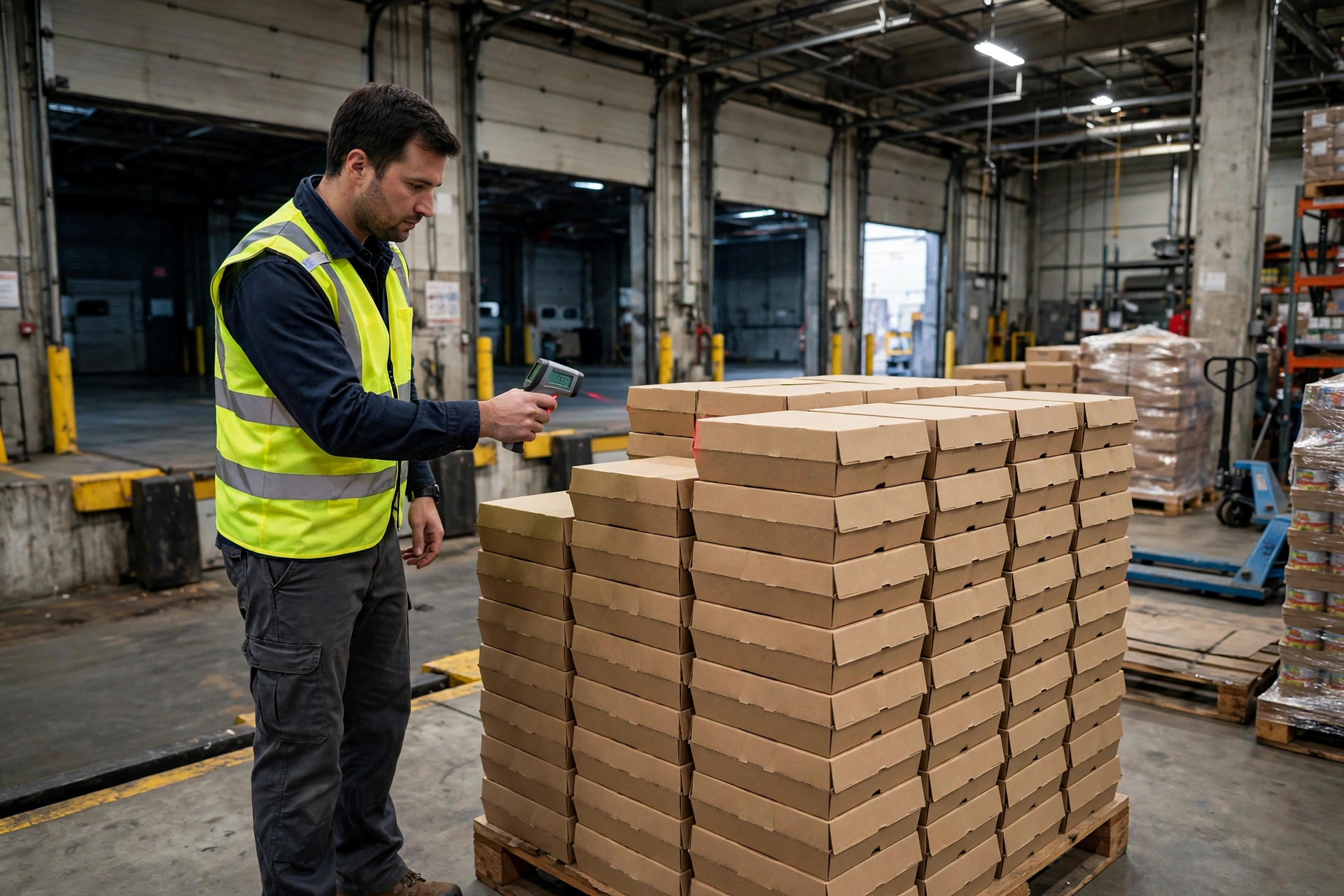
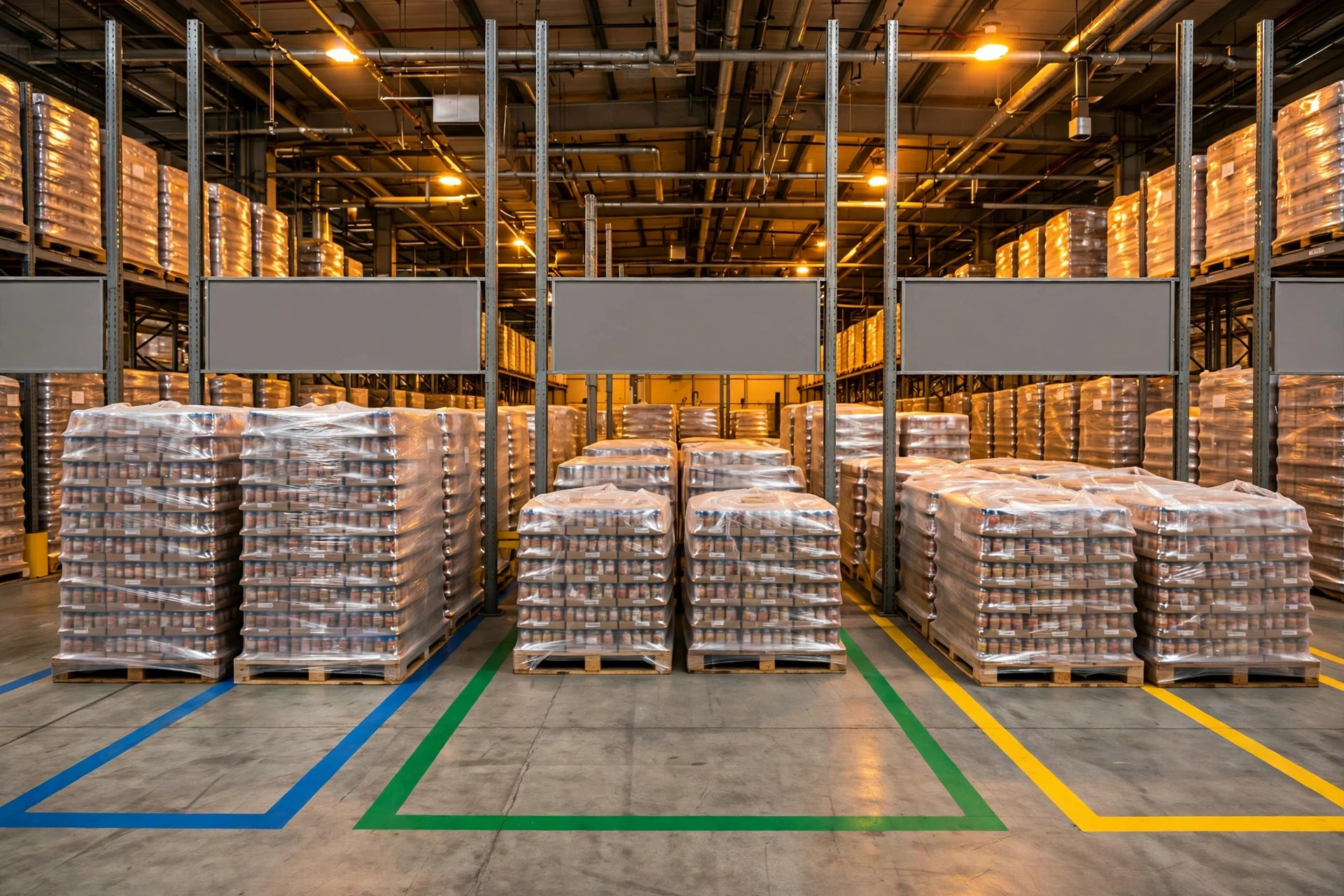
Cross-contamination is subtler. One building may hold poultry-meal, fish-meal, and plant-protein formulas side by side, plus treats and complete diets. The CGMP provisions of 21 CFR 507 require preventing cross-contact, which in warehouse terms means location zoning, isolation of damaged packages, and documented FEFO (first-expired, first-out) execution. In 2024, a Midwest 3PL learned this when two different formulas' damaged-case rework ended up staged on the same pallet — a customer auditor flagged it as a cross-contamination risk, and the contract didn't renew. Temperature deserves the same attention: high-protein, high-fat kibble formulations are more vulnerable to mold and pest pressure in hot, humid conditions, and summer temperature monitoring logs, ventilation, and moisture controls are exactly what an investigator will ask to see. None of these controls are expensive. What's expensive is not having thought of them.
Thing Five: Training Records and Supplier Files — and Why Compliance Is Moving Down the Supply Chain
This is where 3PL warehouses fail as a group. CGMP requires that personnel handling animal food receive training appropriate to their duties — with records. "We did it but didn't write it down" is, in inspection logic, the same as "we didn't do it." Supplier verification files — who you buy from, their compliance credentials — need to be maintained as a system. Plenty of warehouses run a clean floor and still fail on paper.
| Action item | What to implement | Evidence to keep | Cadence |
|---|---|---|---|
| Scope determination | Inventory every in-warehouse operation against the exemption boundary | Operation list, compliance memo | Annual / on business change |
| Pest control and sanitation | Contracted PCO, written pest management plan | Visit logs, corrective actions | Monthly |
| Lot traceability | Mandatory lot fields in WMS, scanning | Receiving/shipping lot records | Every transaction |
| Cross-contamination and temperature | Location zoning, damage isolation, temp monitoring | Temp logs, FEFO records | Daily / per order |
| Training and supplier files | Role-based training, supplier qualification archive | Sign-in sheets, supplier files | Quarterly |
Connect the observations and the attribution is a single line: FDA's regulatory center of gravity for animal food is drifting from manufacturing toward distribution. Pet food in the U.S. is a highly branded, recall-sensitive category, and brands inevitably push compliance pressure down to their 3PLs — leading pet food brands are already asking warehouse bidders for 21 CFR 507 self-assessment checklists. My judgment, with a two-to-three-year horizon: being able to produce a Subpart B evidence package will become a quiet gate in pet food warehousing bids, and early movers will price in a moat. The caveat is real — enforcement posture is still evolving, so verify exemption boundaries and record requirements against FDA's latest publications.
One open question to close on: if your building handles both pet food and general consumer goods, where exactly does the breakeven sit between zoning costs for cross-contamination control and the economies of mixed storage? That may be the next calculation worth doing properly.
By Dr. Chen, Supply Chain Researcher