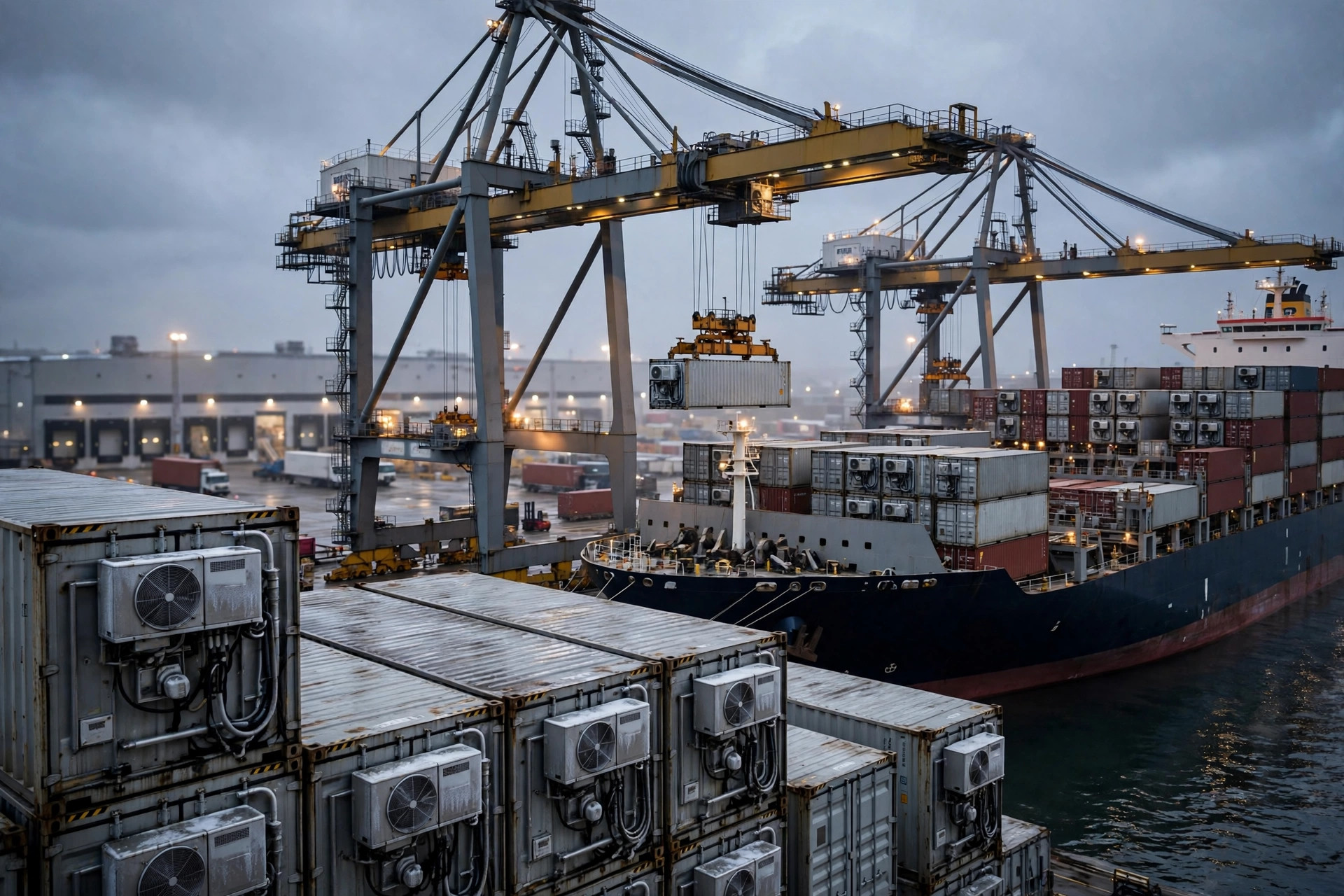
Last fall at the Port of Long Beach, I watched a reefer container full of frozen food sit in the terminal for four days. Could not be picked up. Nothing was lost, no capacity problem — the FDA Prior Notice filing had gone wrong. Demurrage kept ticking, the reefer burned electricity around the clock, I made two empty trips to the port, and the shipper ended up paying close to ten thousand dollars extra. Money burned for nothing.
The worst part was the scene at the terminal gate that day. I rolled up at my appointment time, the system scanned the container, and it came back on hold — no release. Trucks were stacking up behind me, dispatch was barking on the radio, and all I could do was pull aside and wait. The shipper was frantic on the phone, saying the broker was handling it, asking me to hold on. I waited six hours and drove home empty after dark. After all these years, this is the situation I dread most: it is not a road problem, it is a paperwork problem, and no amount of driving skill fixes it.
Let me tell you something I have learned after all these years on the road: for food import containers, the real risk is not on the highway. It is in the few hours before arrival. FDA Prior Notice is the advance "heads-up" you must give the FDA before any food shipment reaches a US port. Get that heads-up wrong, and the container does not enter the country.
What FDA Prior Notice Actually Is
Since the Public Health Security and Bioterrorism Preparedness and Response Act of 2002, nearly all food imported into the United States — animal feed included — requires an electronic prior notice filed with the FDA before arrival. The filing covers: what the food is, the FDA product code, who made it, the country of origin, the expected port and date of arrival, and who the importer is. It goes through FDA's electronic system (PNSI) or a broker's ABI/ACE system, and it only counts once you have a confirmation number.
The timing is strict. Federal regulation 21 CFR 1.279 sets hard minimums:
- By road: at least 2 hours before arrival
- By rail: at least 4 hours before arrival
- By air: at least 4 hours before arrival
- By water: at least 8 hours before arrival
For ocean freight there is also an earliest-filing limit: no more than 15 calendar days before expected arrival via PNSI, and no more than 30 days via ABI/ACE. File too early and a schedule change makes the whole thing stale — you start over.
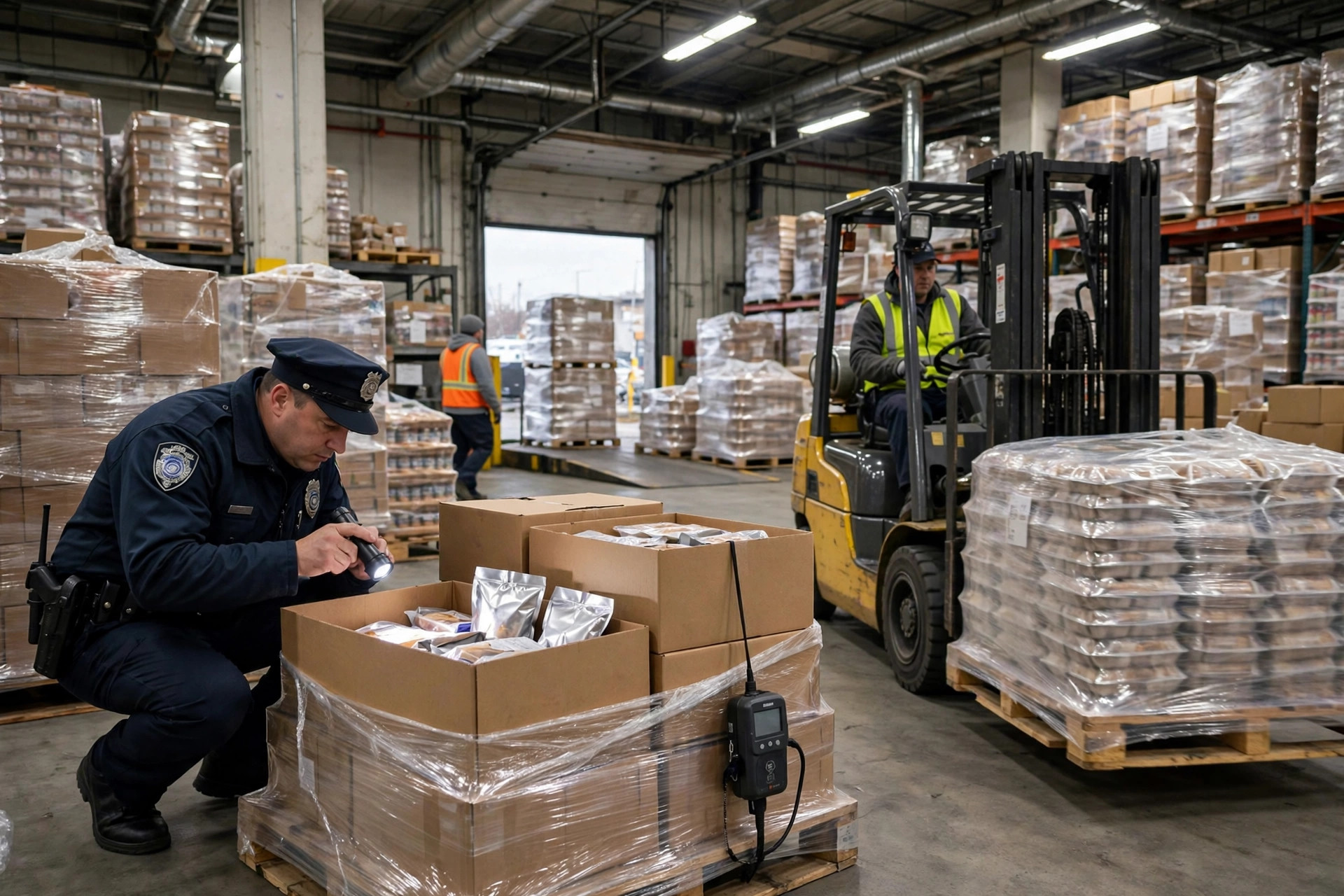
When a Container Gets Held, Whose Money Burns
The shipper of that reefer walked me through the damage later, and I still remember it. Four days held by the FDA:
| Where the money went | Roughly how much |
|---|---|
| Terminal demurrage | A few hundred dollars a day, more for reefers |
| Reefer power and temperature monitoring | Burning every hour, cannot be switched off |
| Two wasted driver trips to the port | Fuel and time, gone |
| Warehouse receiving plan wrecked | Reserved dock slots sat empty, rebook everything |
Nearly ten thousand dollars in four days. And what does one correct prior notice filing cost through a broker? A fraction of that. Anybody can do this math.
Here is what it tells you: prior notice looks like the broker's job, but the bill lands on the whole chain. The shipper pays demurrage, the driver burns empty miles, the warehouse's receiving schedule collapses, and every downstream delivery slides. A driver sits six hours at the terminal gate doing nothing — who pays for that time? Nobody.
Three Traps I Have Seen With My Own Eyes
Trap one: wrong product code. The FDA product code is not the same thing as the customs HS code. Some shippers just paste the HS code in, the system kicks it back, and the filing never existed. Trap two: expired facility registration. Foreign food facilities must be registered with the FDA and renew every two years. Some factories forget, and the whole container gets held at the port. Trap three: mismatch with the customs entry. Product name or quantity in the prior notice does not match the customs declaration, FDA spots the inconsistency, and the container goes into examination.
Earlier this year a snack importer in Los Angeles got smart about it. They made prior notice a fixed pre-loading routine: documents go to the broker the moment the cargo is loaded, the filing goes in the day the vessel sails, and any ETA change triggers an immediate update. All last year, their food containers cleared the port the same day they arrived. Not one held. Hard? No. It is just a process.
One thing I see constantly: drivers accept food container jobs with no idea whether prior notice was even filed. Ask dispatch, dispatch says ask the shipper, the shipper says the broker is handling it — around it goes, and nobody can produce a confirmation number. That no-man's-land is where trouble breeds. My habit now: for any food container job, the prior notice confirmation number goes into the handoff details right next to the bill of lading number, treated as mandatory.
The counter-intuitive part: many people think filing earlier is always safer. It is not. File too early and a schedule change voids it; file too late and the container gets held. The sweet spot is to have every document ready before loading, file the day the vessel departs, keep a comfortable cushion beyond the 8-hour minimum, and update the filing the moment the ETA moves.
Reefers Carry an Extra Layer of Risk
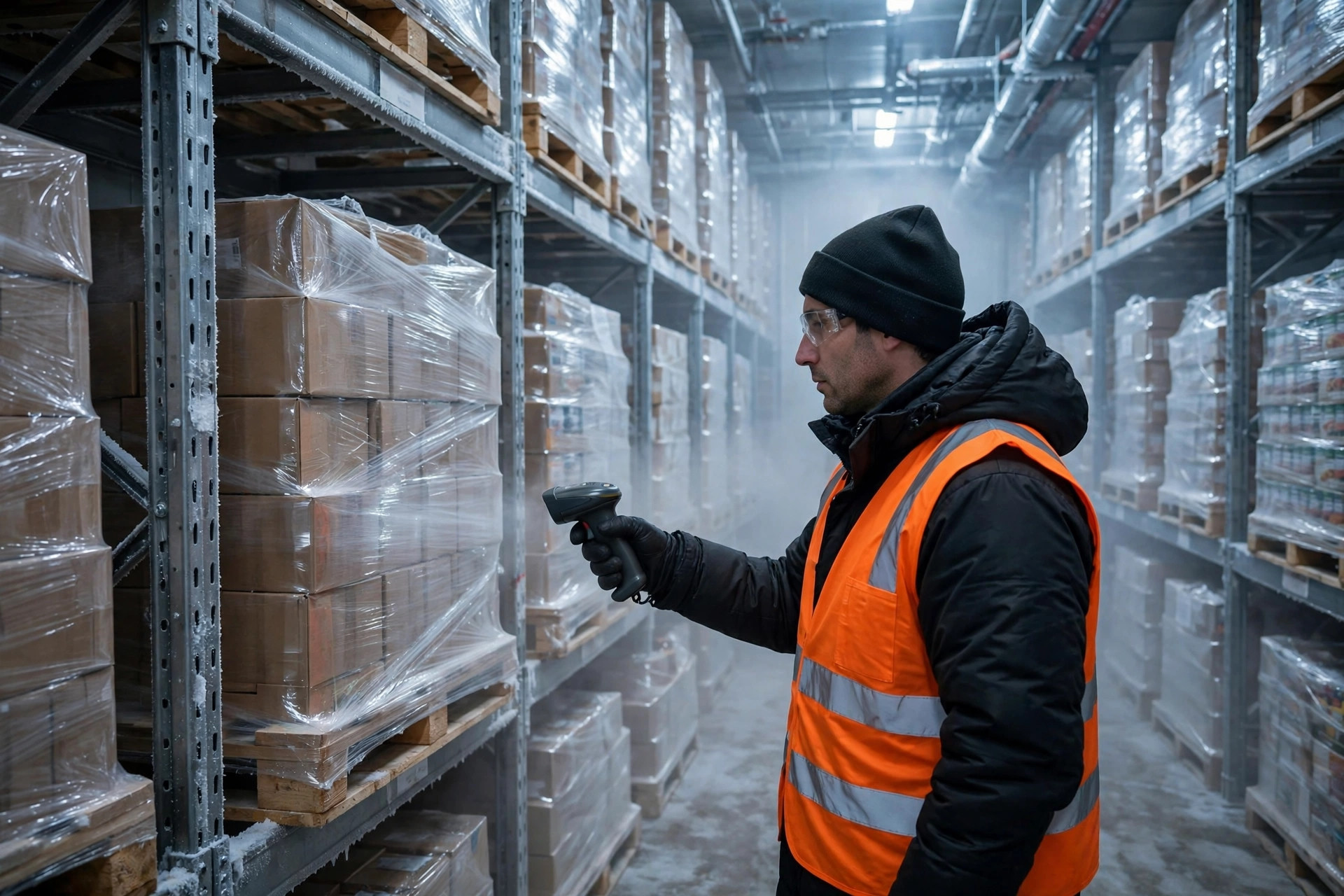
A dry container on hold burns demurrage. A reefer on hold burns demurrage plus carries cargo risk. The unit stays plugged in at the terminal, the temperature logger records everything, and if there is a power interruption or a temperature excursion, the receiving warehouse may reject the load even after it is released. For that shipper last fall, the real fear was not the money — it was opening the doors after four days and checking the temperature curve on cargo worth hundreds of thousands of dollars. If the cold chain broke, demurrage would have been the least of it.
So food importers should hold themselves to the reefer standard: a mistake on a dry box costs money, a mistake on a reefer can cost the entire load. Build prior-notice confirmation into the warehouse appointment as a precondition, and leave extra cushion on reefer appointments.
Making FDA Prior Notice Routine: Three Pieces of Advice
First, make prior notice a fixed step before the vessel sails, not something you remember when the ship is almost here. The document list is short: product code, facility registration number, country of origin, arrival details. Get them from the supplier early.
Second, agree with your broker on who files and who receives the confirmation number. Too many shippers assume "the broker will handle it" while the broker assumes "the shipper hasn't sent everything yet." That gap is where containers go to die. Get the confirmation number in hand and share it with everyone involved.
Third, drivers and warehouses should ask one question before accepting a food container job: is the FDA prior notice filed, and do we have the confirmation number? One question saves four days of trouble. Warehouses should add "prior notice confirmed" to their appointment conditions for food containers — otherwise trucks pile up at the gate with cargo that cannot be released.
There is an old saying: it is not slowness that kills you, it is standing still. Every extra day a container stands in the terminal burns real money. FDA Prior Notice is not hard. The hard part is taking it seriously.
By Shifu Zhao, Trucking Veteran (15 yrs)