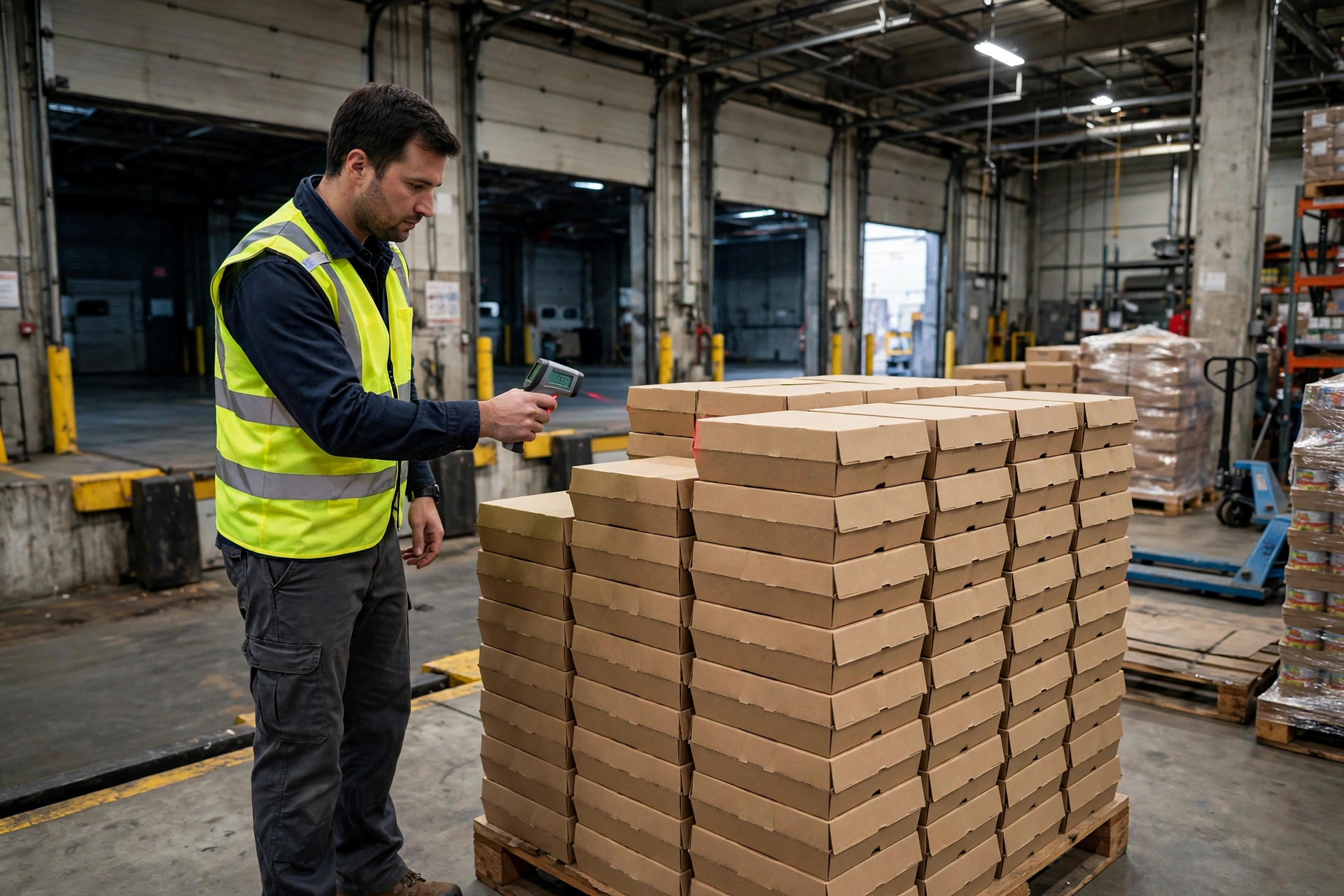
Last month, a frozen-dumpling startup founder named Kevin walked up to my dock door in Eastvale, California, and asked if my warehouse could handle his inbound. I run 32,000 square feet, four dock doors, me plus two full-timers and a part-timer. Kevin's question was simple: do we have an inbound rejection process — written criteria for when a load is too warm or too busted to accept, and records to prove it? I said "absolutely" so fast it should have been illegal. The truth? We had no food SOP at all. We had a clipboard, a $29 infrared thermometer gun, and vibes. He gave me two weeks to write one before his first truck arrived.
The big 3PLs win food accounts with QA departments and lab coats. We had to win it with a one-page checklist and the promise we'd actually use it. What follows is the whole thing — our temperature lines, our damage rules, the fights with drivers, and the rejection log an FDA inspector read for ten minutes and left alone.
One disclaimer: I'm a warehouse owner, not a food-safety lawyer. Regulatory numbers here come from the FDA Food Code as I understand it — if any look off, check the latest policy on the official FDA website.
Our Inbound Rejection Line for Temperature: How Cold Is Cold Enough
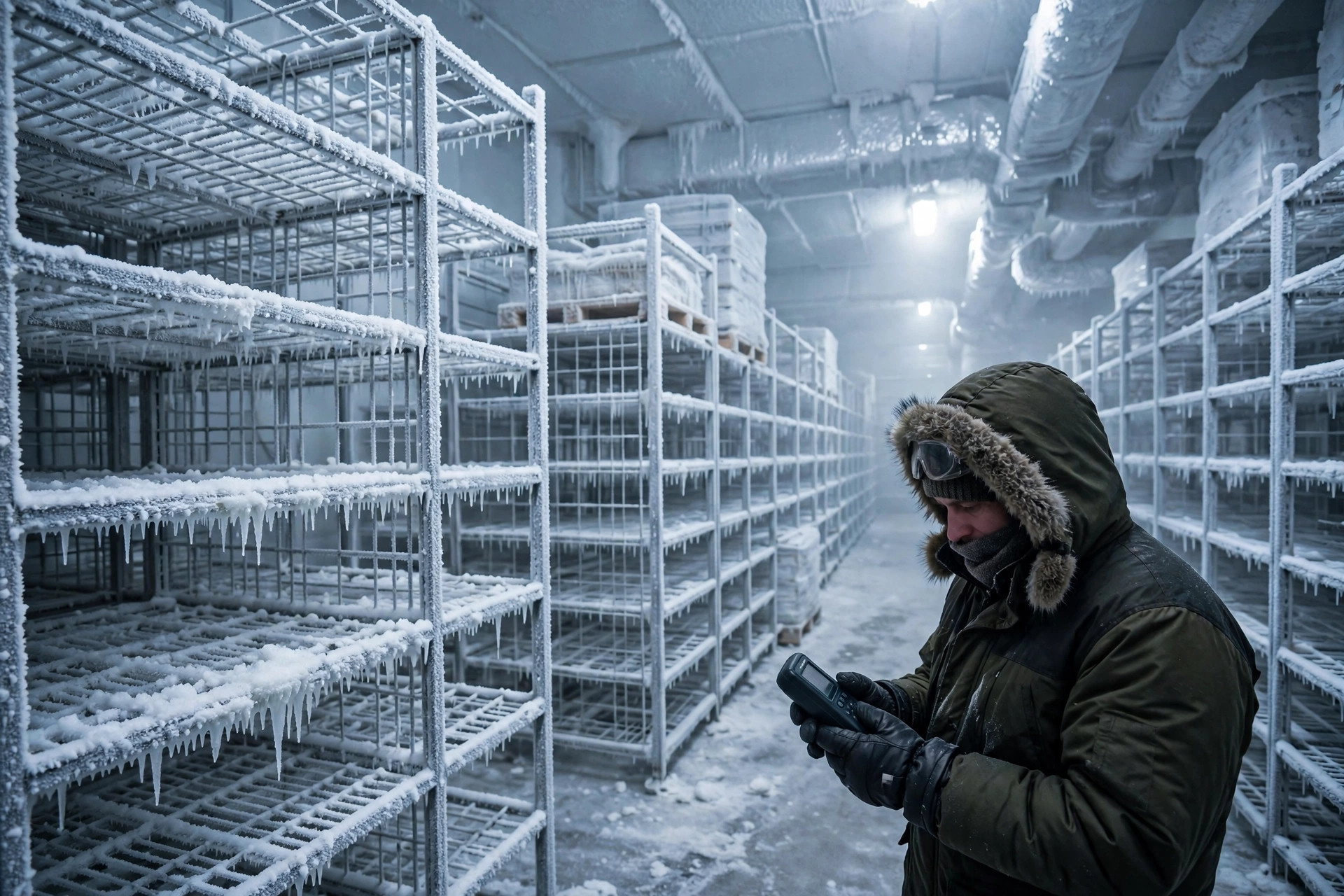
Temperature was the scary one, because there's no negotiating with a thermometer. For chilled foods, the cold-holding line in the FDA Food Code is 41°F — product sitting above that is in the danger zone, and we're not taking it. For frozen goods, our house rule is simpler: it arrives frozen solid, pulp temp at or below 0°F, bags hard as rocks.
Here are the actual decision tables taped to our receiving clipboard:
| Pulp temp — frozen goods | Our call |
|---|---|
| 0°F or below, bags hard, no frost inside the bag | Accept. Photo the probe reading, log it. |
| 1–10°F but still rock hard | Conditional accept. Pull 4 more cartons, call the client, they decide. |
| Above 10°F, or soft spots, puffy bags, frost inside the bag | Reject the pallet. Photos, log, same-day notice to client and supplier. |
| Pulp temp — chilled goods | Our call |
|---|---|
| 41°F or below | Accept, log it. |
| 42–45°F | Hold. Call the client before we finish unloading. |
| Above 45°F | Reject. |
Those aren't FDA quotes — they're our house rules, and they sit comfortably inside the FDA's lines. A small warehouse can't afford its own food-safety counsel, so we set the line stricter than we need and let the client loosen it if they want.
September 18, 2026, 7:40 AM. Kevin's first reefer backed into door 3 with 18 pallets of frozen potstickers. We probed two cartons per pallet like the checklist said. Pallet 14: pulp temp 28°F, frost crystals inside two bags, one bag puffed up like a little pillow — the classic thaw-and-refreeze signature. The driver leaned on the dock: "Come on, man, it's still cold. I've got four more drops today." I rejected the pallet. Twenty-five minutes of pure awkward while he called his dispatcher and I stood there with my clipboard.
That afternoon Kevin called — and he wasn't mad. His previous 3PL, he said, "accepted everything and billed me for the sorting." We got his second truck because we said no to his first pallet. Counterintuitive, but there it is: the fastest way to keep a food client is to reject their product.
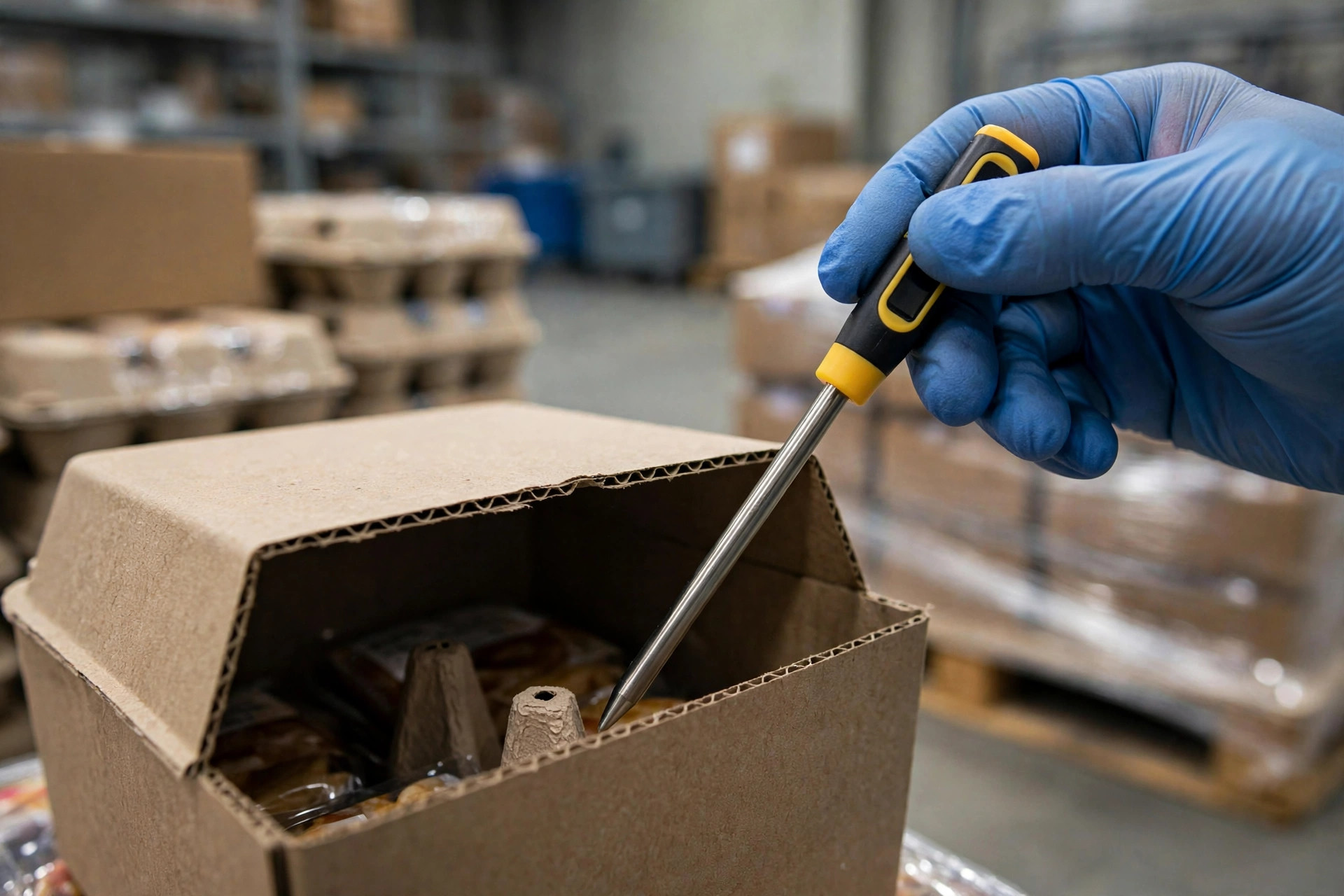
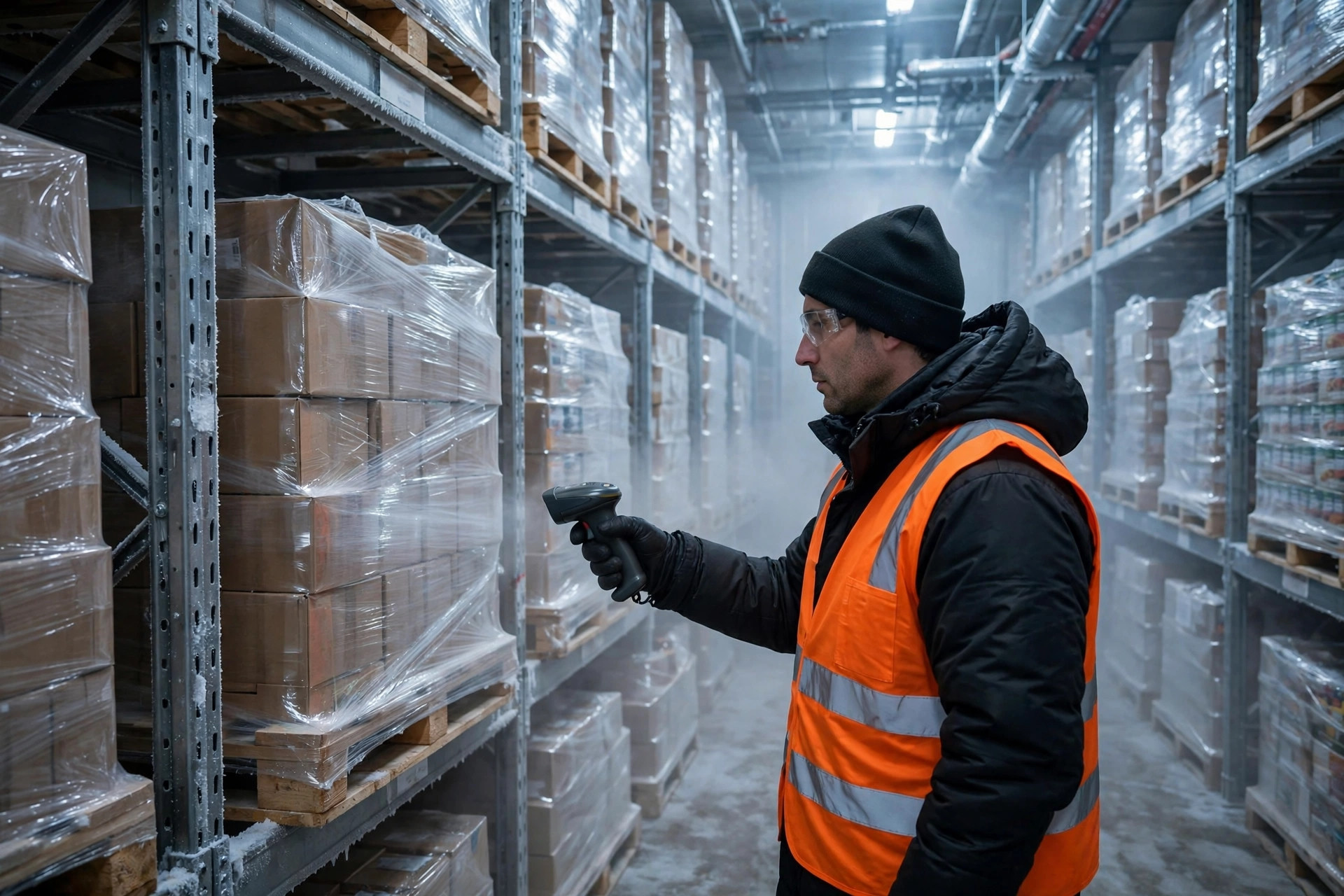
The scrappy toolkit behind all this cost less than a tank of gas: a $29 infrared gun for surface scans plus an $18 probe thermometer for pulp temps, because IR alone lies — the surface can read cold while the core is warm. Once a month we dunk the probe in an ice-water bath; it has to read 32°F, and if it's off by more than 2 degrees, we buy a new one. At eighteen bucks, thermometers are disposable. The checklist itself is a laminated one-pager: probe two cartons per pallet, photograph the reading with the pallet tag in the frame.
Package Damage: Our Rejection Cheat Sheet for Busted Cartons
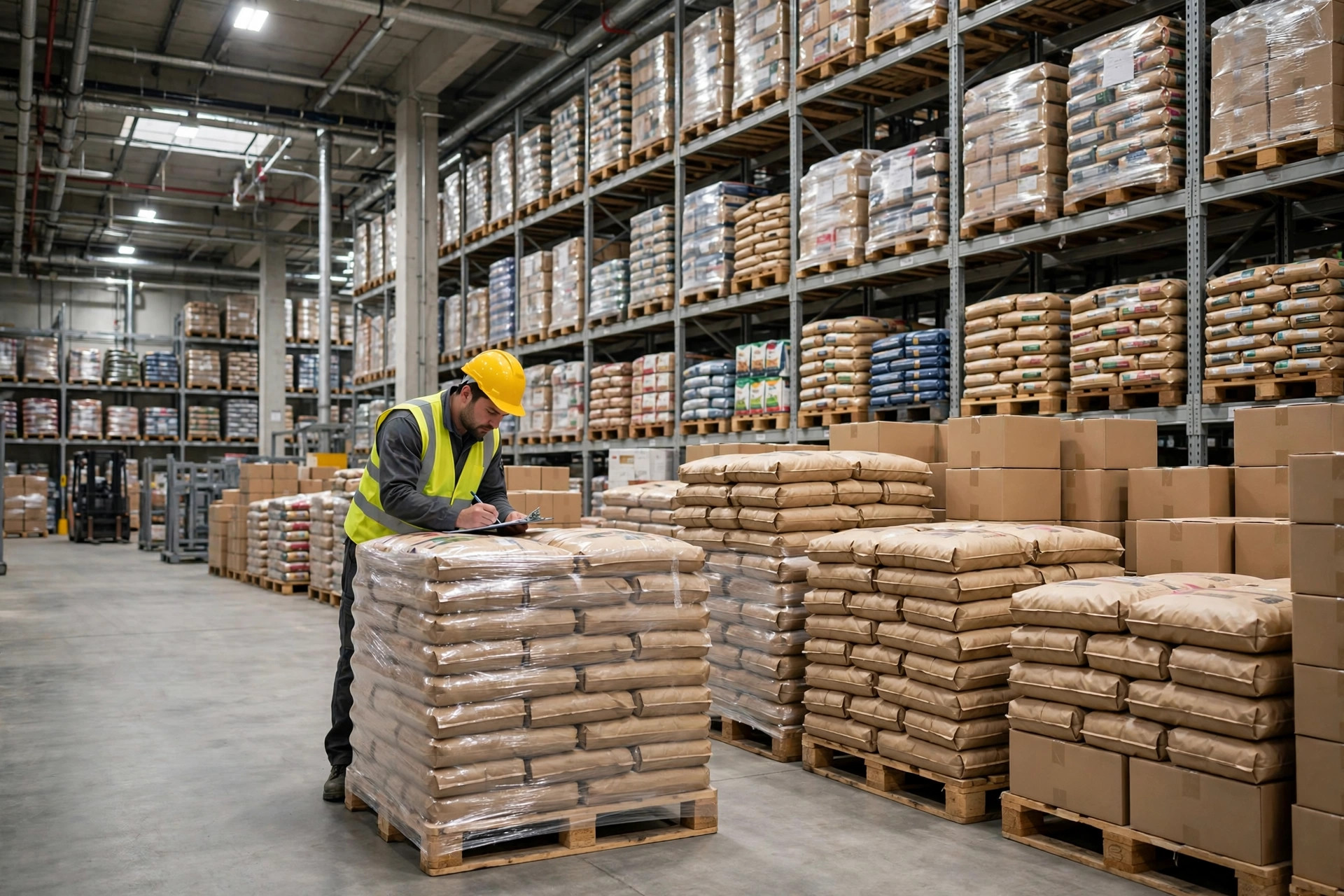
March 12, 2026, 2:15 PM: 240 cartons of granola bars from a supplier near Fresno. My dock guy flagged it before the doors were even open — 17 cartons crushed on the corners, 3 with oil stains seeping through, one pallet's stretch wrap torn clean open. The driver shrugged: "Just note it on the BOL and take it all, I'm already running late."
We sorted it on the dock, right there on his clock: 223 cartons accepted, 17 rejected and loaded back onto his truck. Timestamped photos of every damaged carton, the damage written on the bill of lading with the driver initialing it (he hated that part), and an email with the photos to the supplier before 6 PM. Two weeks later the supplier credited all 17 — and I'll tell you exactly why: the photos existed. No photos, no credit.
Our dock cheat sheet, also laminated, also one page:
- Crushed corner that breaks the inner seal → reject.
- Any leak, stain, or oil spot → reject.
- Tape cut and resealed → hold, photograph, client decides.
- Torn stretch wrap with exposed cartons → re-wrap and inspect each carton, reject what's crushed.
- Any sign of pests → reject the whole shipment, call the client immediately, don't sort it.
The mindset shift that took me longest: with food, packaging damage isn't cosmetic. A micro-tear in a bag is a contamination doorway, and "it looks fine otherwise" is not a food-safety argument.
The Driver, the Supplier, and Learning to Say No
This is the part nobody writes SOPs about. Drivers get paid per drop, and every minute you spend probing cartons is money out of their pocket. The supplier's rep will call and say the return freight is on you — and sometimes it genuinely is, which is why the client has to be in the loop before the truck pulls away. Our dock script, word for word: "It's the receiving SOP your client signed off on. I'm just the guy with the clipboard." Copy the client on the rejection email the same day, with photos. Suddenly it's the client's own standard, not me versus the driver.
Here's the trade-off math that finally made saying no easy:
| Reject on the dock | Accept a bad pallet | |
|---|---|---|
| Dock time | ~25 minutes of awkward (~$15 of labor) | 3+ hours of sorting (~$65 of labor) |
| Product | $0 lost | Up to a full pallet's wholesale value — Kevin's was about $3,200 |
| Disposal | $0 | Your hauler's fee, plus your whole afternoon |
| Client relationship | "These guys protect my brand" | "Why did you accept warm dumplings?" |
| Worst case | One grumpy driver | A customer complaint — or an FDA finding with your name on the receiving log |
Twenty-five minutes of tension now versus days of cleanup later. My little warehouse can't afford to burn that kind of money, so we spend the awkward minutes instead.
The Rejection Log an FDA Inspector Actually Read
February 2026, we got a routine FDA inspection — we're a registered food facility, so this was always coming. The inspector didn't ask about our thermometers. He asked for receiving records: what had we rejected in the last few months, and why. I opened a Google Sheet and slid the laptop over. Date, PO number, supplier, product, quantity received, quantity rejected, reason, temp readings, photo links, who made the call, client notified yes or no. He scrolled for maybe ten minutes, asked two questions, and moved on.
I'd spent the morning terrified he'd laugh at a spreadsheet. He didn't. Lesson two: FDA inspectors don't expect a 32,000-square-foot warehouse to run a lab. They expect a paper trail — what came in, what you turned away, and why, kept at least two years under the FSMA record rules (check the latest policy on the official FDA website for the exact retention language). Our system is a free spreadsheet plus a Drive folder named by date. Every rejection email goes out the same day to supplier and client, photos attached. The email is the record; the spreadsheet is the index. Total software cost: zero dollars.
Kevin's second truck comes next week. I'll be out there with my probe thermometer and laminated checklist, and I'll probably reject something and feel bad about it for an hour. But for a warehouse our size, saying no is the product. The big guys sell square footage; we sell the fact that somebody with a $29 thermometer gun gives a damn about your dumplings. Small warehouses have their own way of surviving — ours just involves saying no a lot.
By Xiao Ma, Small Warehouse Owner