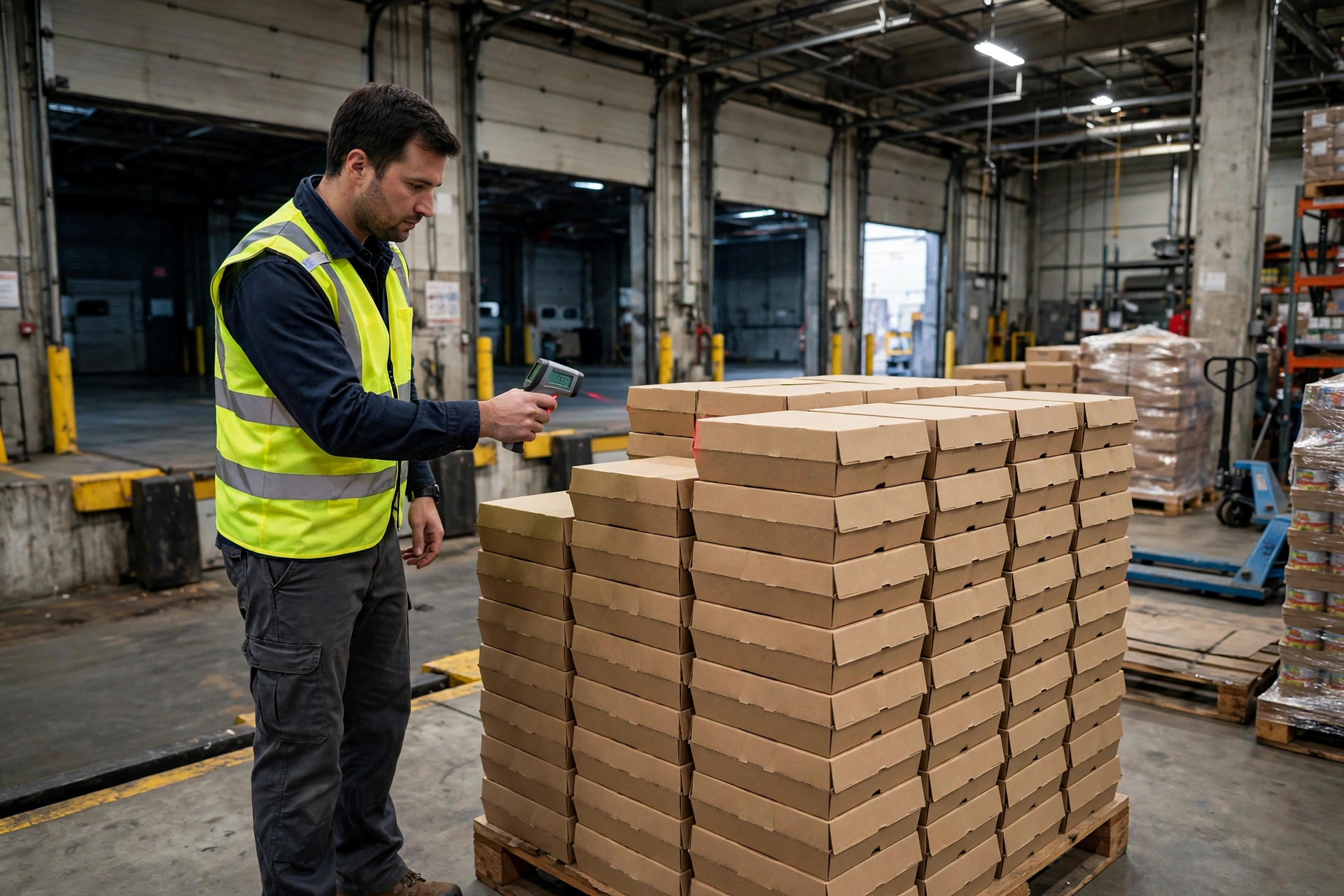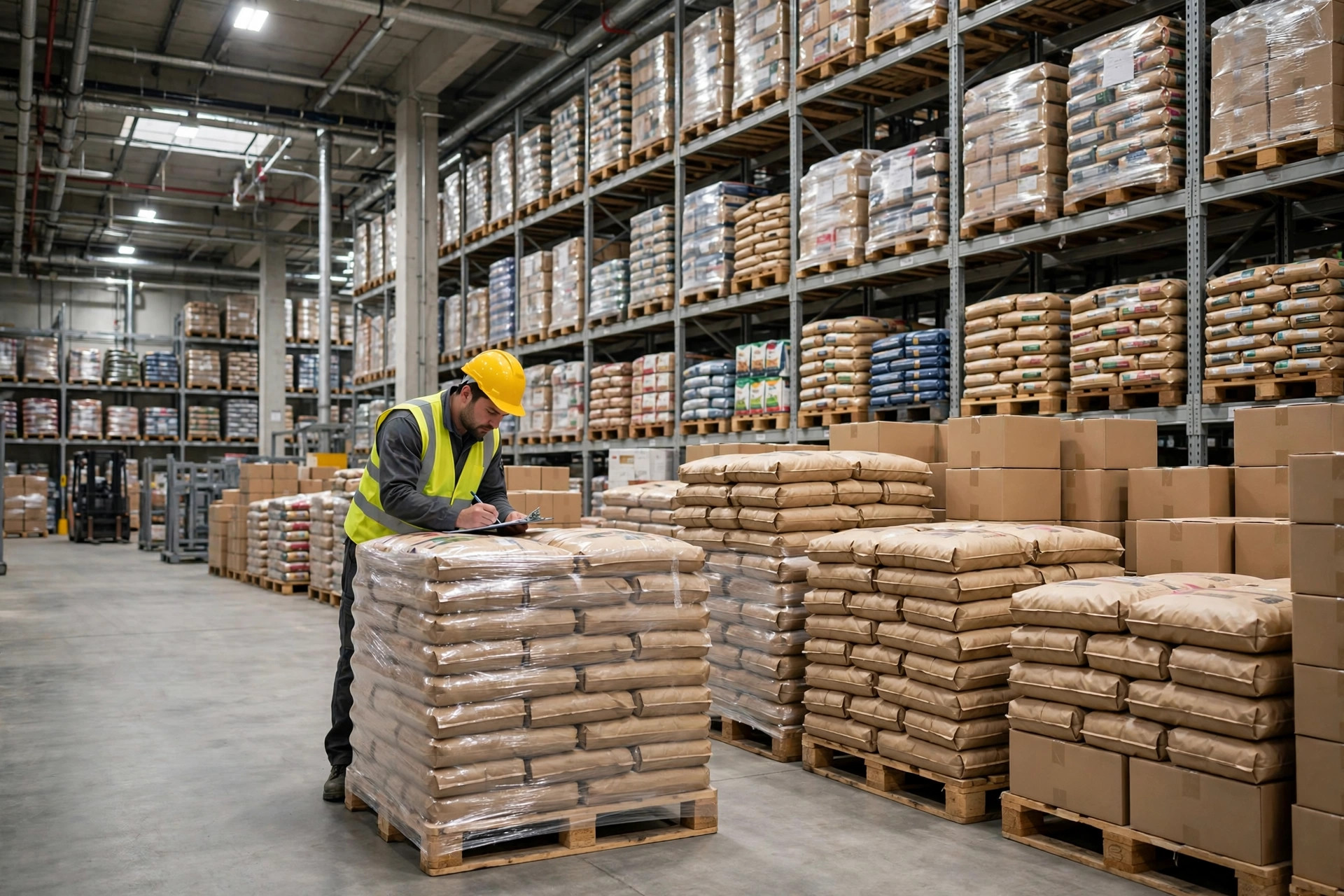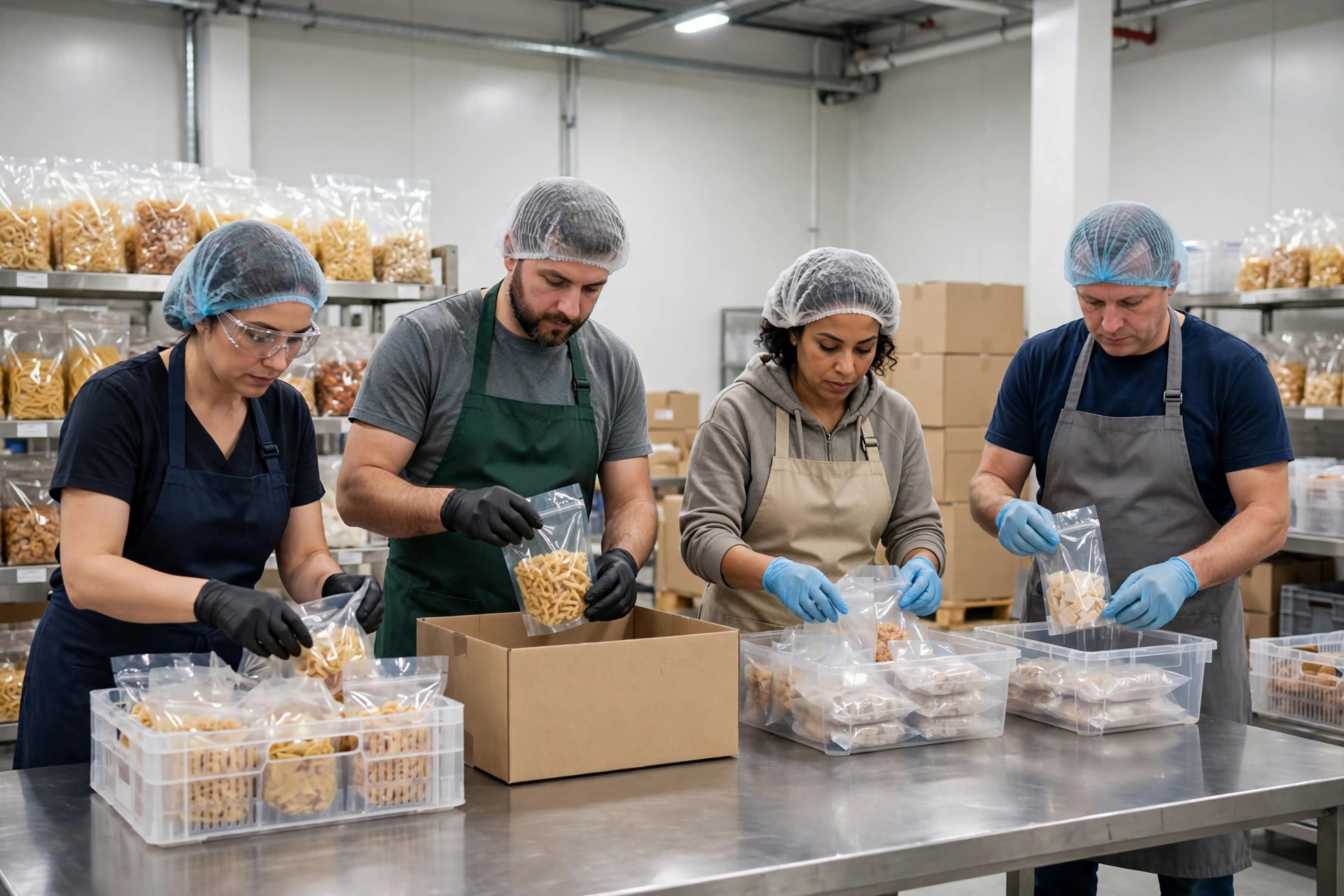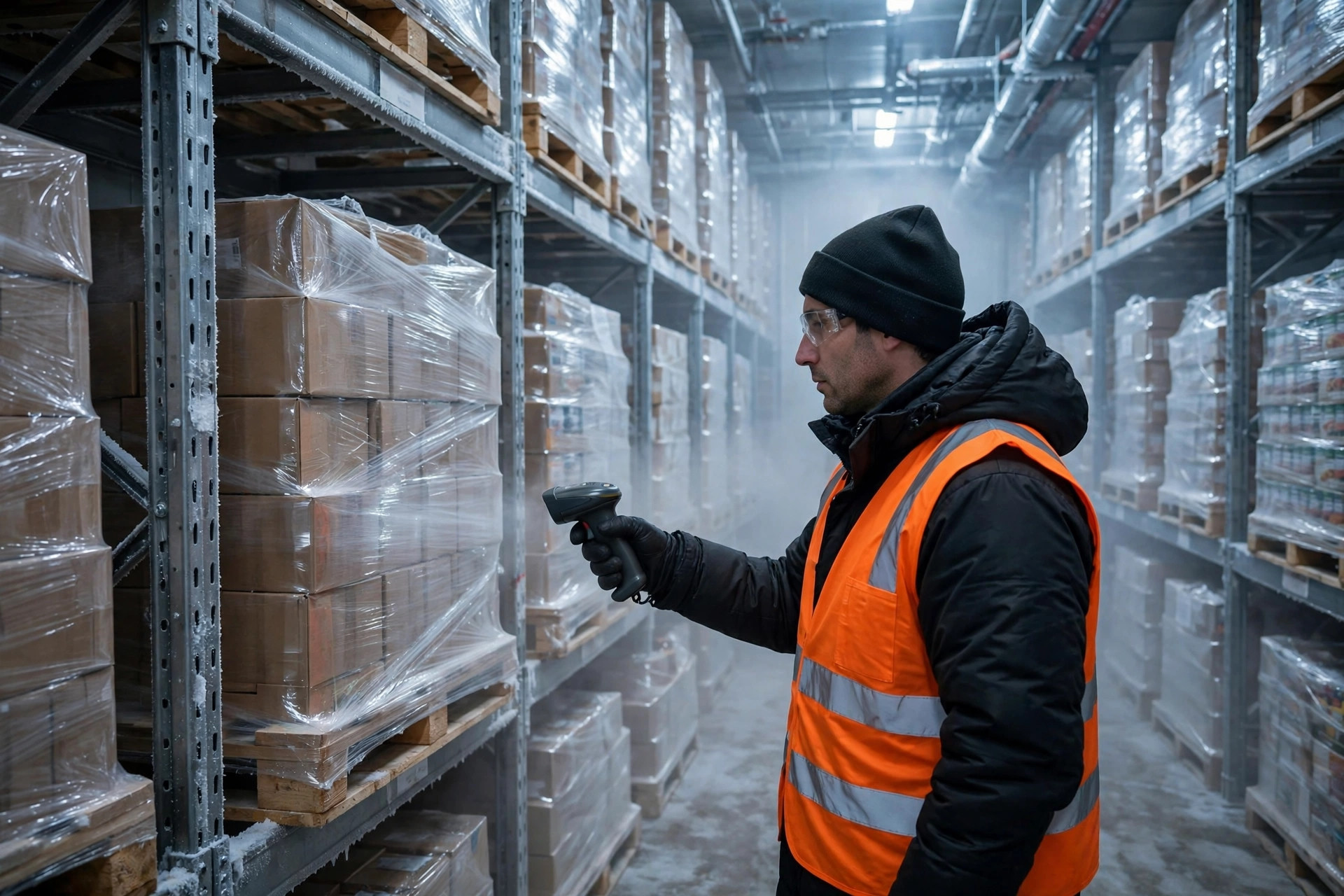
Mock recalls are one of those things nearly every food warehouse claims to do and almost nobody takes seriously. In my visits to food-focused 3PLs along the US East Coast, I keep running into the same pattern: the quality manual says "at least one mock recall per year," the quality manager gives every department a week's notice, everyone tidies up their data in the system, the drill runs its course on the day — 47 minutes, or two hours — "drill passed," the report gets filed, and everyone moves on until next year. What such a drill measures is less the warehouse's traceability capability than the departments' ability to cooperate on cue.
The Numbers Worth Taking Seriously
To understand why recall drills matter, start with the line FDA has drawn. Under the Food Traceability Final Rule (FSMA Section 204(d), widely known as FSMA 204), any firm that handles foods on the Food Traceability List must, upon FDA's request, produce complete records within 24 hours — and during an outbreak, a recall, or another public-health threat, those records must arrive as an electronic sortable spreadsheet. That is 24 hours to hand the spreadsheet over, not 24 hours to start gathering it. Records must be retained for two years, and the whole architecture rests on traceability lot codes (TLCs) carrying their key data elements (KDEs) through every critical tracking event (CTE).
Note that FDA has proposed pushing the rule's compliance date back by 30 months from the original January 20, 2026 — check FDA's website for the latest status. But the delay does not change the underlying shift: FDA has turned "how fast can you produce complete traceability records" into a hard, verifiable compliance metric.
Here is the contrast that makes this interesting. FDA sets no hour-level deadline for initiating a recall — recalls in the US are overwhelmingly voluntary under the framework of 21 CFR Part 7, where the standard is "promptly" rather than a specific number of hours. So there is no countdown clock on starting a recall, but there is a 24-hour legal clock on proving you found everything, accurately. What the regulator actually grades is not your posture of responsiveness, but your data.
Two Scenes: 47 Minutes, and a Recall That Had to Grow
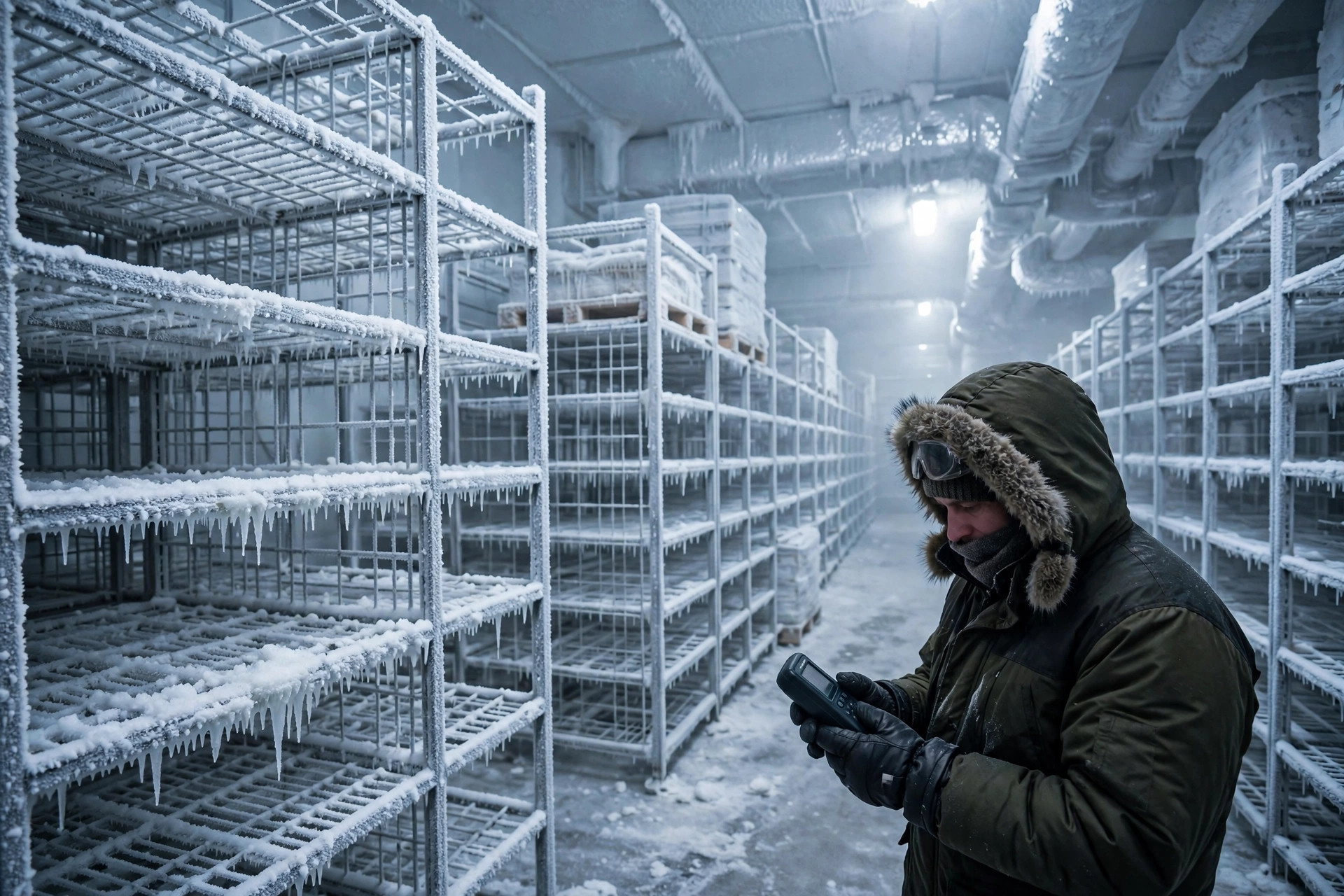
Early in 2025, a frozen-food 3PL in New Jersey ran an unannounced mock recall. At 9:00 AM, the quality manager picked a chicken lot received three months earlier and demanded a complete answer — "where is every case of this lot right now" — by noon. The timeline: by 9:07 the system had locked all four receiving records tied to that traceability lot code — 620 cases in total; by 9:21 outbound orders had been traced to three customers with quantities and ship dates; by 9:38 the team had caught 12 cases broken down during a mixed-pallet operation in February and folded into other pallets, the break-bulk records leading straight to them; by 9:47 a complete affected-lot list sat on the quality manager's desk. Forty-seven minutes, zero paper records consulted.
The site manager's debrief was blunt: the secret was lot-code granularity at receiving — TLCs combining supplier lot with receiving date, and every split and mixed pallet leaving a trace in the system. They had welded shut the links most likely to break.
The counter-example comes from a lettuce packing operation in California's Central Valley and a real recall in 2024. A batch of packaged lettuce tested suspect, the company launched its recall with full confidence — the system showed the lot had shipped to just two customers. Then FDA got involved and found that one shipment had been re-palletized before loading: a forklift driver had combined two pallets of different lots to cube out a trailer, and the move lived only in a handwritten note on the paper outbound form, never entered into the system. The recall scope was forced from one lot to three. The two extra lots were perfectly fine, yet the company absorbed logistics and destruction costs several times the original plan, not to mention the harder-to-quantify damage to customer trust. The irony: this company's mock recall the previous year had "passed" — because the drill had used the same clean system data, and nobody had ever gone looking for the handwritten note.
A Drill Scorecard: Where the Bar Sits
From these observations, here is a scoring framework food warehouses can use for self-assessment. One caveat: the thresholds below reflect common industry practice, not FDA's written requirements — FDA only mandates the 24-hour record delivery; how strict a company's internal drill standards are is its own decision.
| Dimension | Excellent | Acceptable | Failing |
|---|---|---|---|
| Lot-location time (notice to all affected lots identified) | ≤ 60 minutes | ≤ 2 hours | > 2 hours, or cannot lock in one pass |
| Lot completeness (coverage of receiving/shipping documents tied to affected lots) | 100%, including break-bulk and mixed-pallet records | ≥ 95%, gaps closable within 24 hours | Unexplained breaks in the chain |
| Documentation readiness (TLC and KDE field completeness) | 100% electronic and exportable | ≥ 90%, paper portions retrievable same-day | Key fields missing or paper forms unfindable |
| Notification chain (time to notify all downstream customers) | ≤ 4 hours | ≤ 24 hours | > 24 hours |
| Drill realism | Unannounced, includes split/mixed-pallet exceptions | Announced but covers exception scenarios | Only walks through "clean" system data |
The single message of this scorecard: a drill's value is not in passing, but in finding the broken links. A drill program that scores "excellent" every time is probably just re-validating a process that was never broken — while the real risk sits in the one corner the drill never covers.
A Counterintuitive Finding: Paper Is Always the Slowest Link
Across my site visits, one pattern repeats: the longest-consuming step in recall location is almost never the system query. It is the paper. The supplier lot hand-written on a receiving form, the quantity jotted on a sticky note during a split, the single line in an outbound form's remarks column — these off-system data points are harmless in daily operations, but in a recall each sheet of paper can mean hours of searching and a chain break you cannot evidence away.
Hence the counterintuitive judgment: passing a drill does not mean you would pass a real recall. A drill tests whether known data can be retrieved; a real recall tests whether unknown breaks can be contained. The first is a system capability, the second is a process-integrity question. A warehouse can post a beautiful 47-minute drill time and still be forced to expand a recall over one re-palletized load — the problem was never the software, but the actions that were never digitized.
Underneath sit three structural fractures in food-warehouse lot management. First, lot-code granularity breaks between inbound and outbound: receiving logs supplier lots, shipping logs internal lots, and nothing forces the two coding schemes to reconcile — the system can tell you how much shipped, but not exactly which supplier lot it was. Second, supplier lots and customer shipment lots live as two parallel records in the data model, linked only by someone's mental note in a remarks field; when that person leaves, the link dies. Third, lot-purity-breaking actions — mixed pallets, splits, re-boxing — are treated as "exceptions" in most operating procedures, and exceptions get recorded casually. Yet a recall investigates nothing but exceptions.
The Trend: The 24-Hour Clock Is Rewriting the Game
Zooming out, what FSMA 204 really changes is not any single compliance requirement, but the data game across the food supply chain. Traceability used to be internal craftsmanship — invisible to the outside world, practiced or not at a company's discretion. The 24-hour delivery rule turns it into an externally verifiable, comparable metric: FDA never needs to set foot in your warehouse; one records request letter exposes your data capability completely.
Three trend judgments follow. First, recall drills will migrate from annual ritual to routine capability testing — likely quarterly, and shifting from announced rehearsals to unannounced spot checks, because only the latter measures true readiness. Second, paper records' living space will keep shrinking; digitizing KDE data is not a question of whether but of when — the compliance-date delay buys time, not exemption. Third, a 3PL's traceability capability will become a differentiator in winning business: when food brands choose a 3PL, "how long did your last mock recall take" will sit next to the rate card, and warehouses that can show a sub-one-hour record will carry visibly more pricing power.
In the end, locating every affected lot within two hours was never a technology problem. It is an organizational one: whether a company is willing to record every "exceptional" action, admit the breaks in its own process, and pay the cost of fixing them. Technology only renders the order that already exists; it cannot create order.
Which leaves an open question for every food-warehouse operator: if FDA's records request arrived tomorrow morning, how much of your critical information still lives on some piece of paper, or in someone's memory? And would you dare to run your next drill unannounced?
By Dr. Chen, Supply Chain Researcher