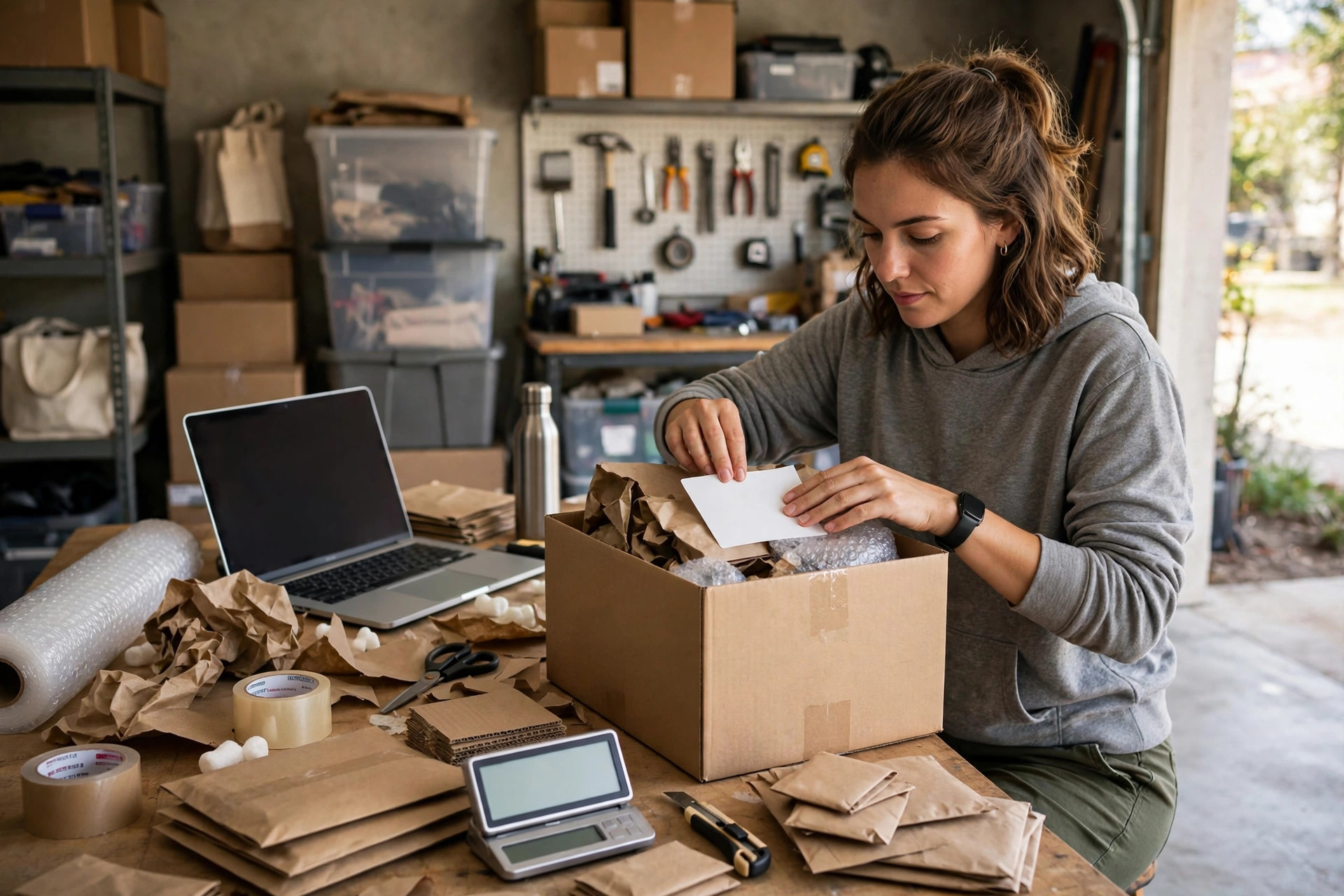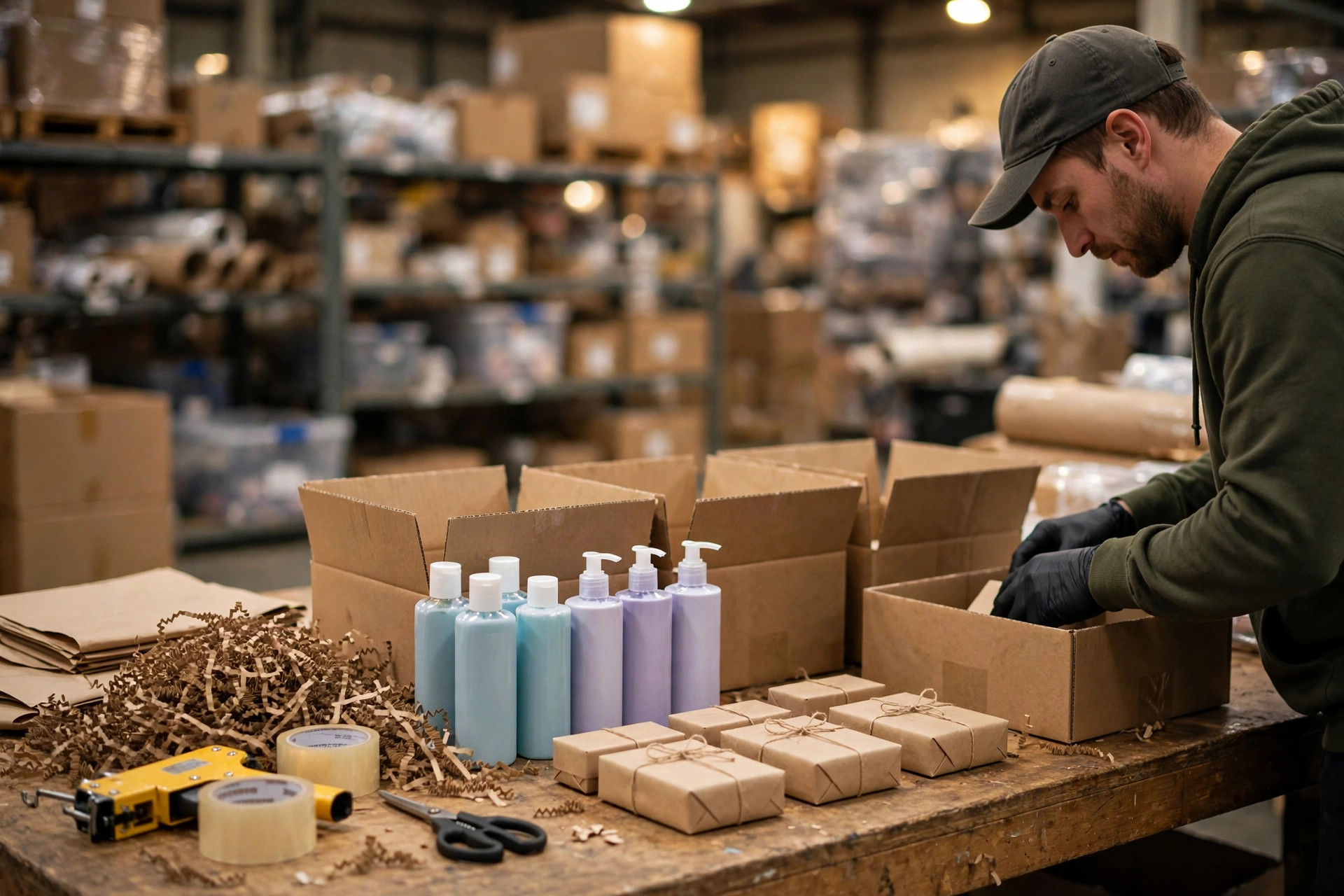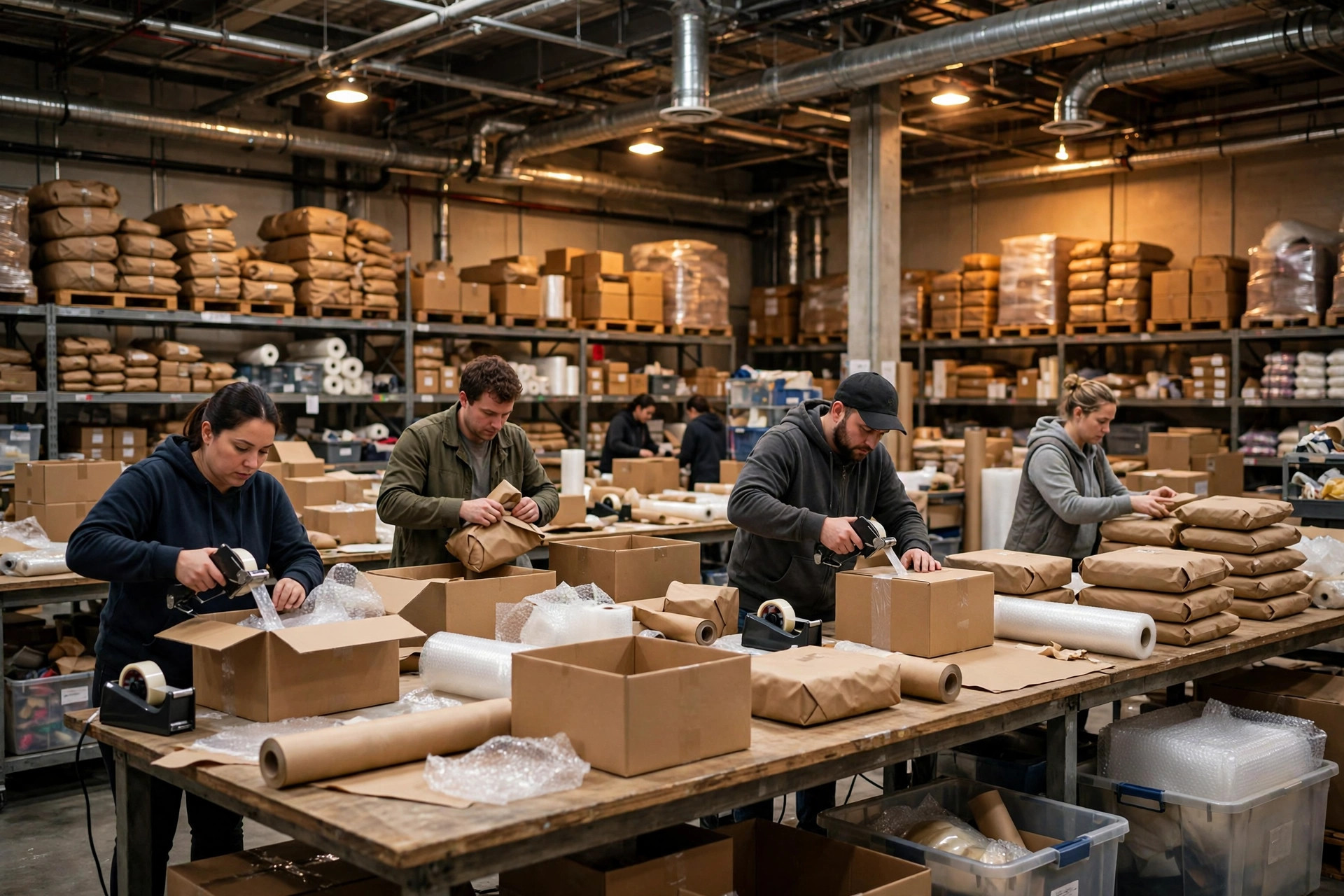
Let me be blunt: most sellers losing money on lazada fulfillment are not losing it on traffic. They lose it at the warehouse door. Goods get rejected, labels get misread, returns never make it back to saleable stock, and you pay the freight twice while your listing goes out of stock. I learned this the hard way. In September 2024 I sent 800 home-storage units to the Malaysia warehouse, and the first 300 came back because the outer-carton label did not match the system order number. Relabeling plus a second leg of freight cost me over RMB 4,000, and that product basically worked for nothing that month.
So this piece is not about which fulfillment model to pick or when to replenish. If you need that bigger picture, start with this guide to Lazada's Southeast Asia warehouse and fulfillment models and then come back here. This piece is only about the prep work you do in your own warehouse before the goods move: labeling, quality checks, kitting, and how returns flow back.
Get Three Documents to Agree Before Lazada FBL Inbound
Nine times out of ten, a rejection is not a product problem. It is a paperwork problem. My rule now is simple: before anything ships, one sheet reconciles three things — the purchase order, the SKU in the system, and the physical carton label. In March 2025 I shipped 1,200 phone stands to the Thailand warehouse and 40 units of the wrong variant slipped in. QC only checked the top layer, the warehouse held the whole shipment for three days, and we paid to unbox and re-sort it. The labor cost more than the goods were worth.
My low-tech fix works: two people cross-check at outbound. One scans, one looks at the actual product, and the scanned SKU has to match the packing list line by line. A carton that does not match gets held. Do not think "the warehouse will sort it out" — the warehouse will reject it, and rejection costs double. One more trap: thermal labels. Damp thermal paper smudges, and if the warehouse scanner cannot read it, it cannot read it. There is no goodwill exception. Scan 20 labels from every batch before dispatch. If one fails, reprint the batch. It takes five minutes.
Labels, QC, and Kitting: Where lazada fulfillment Eats Your Labor
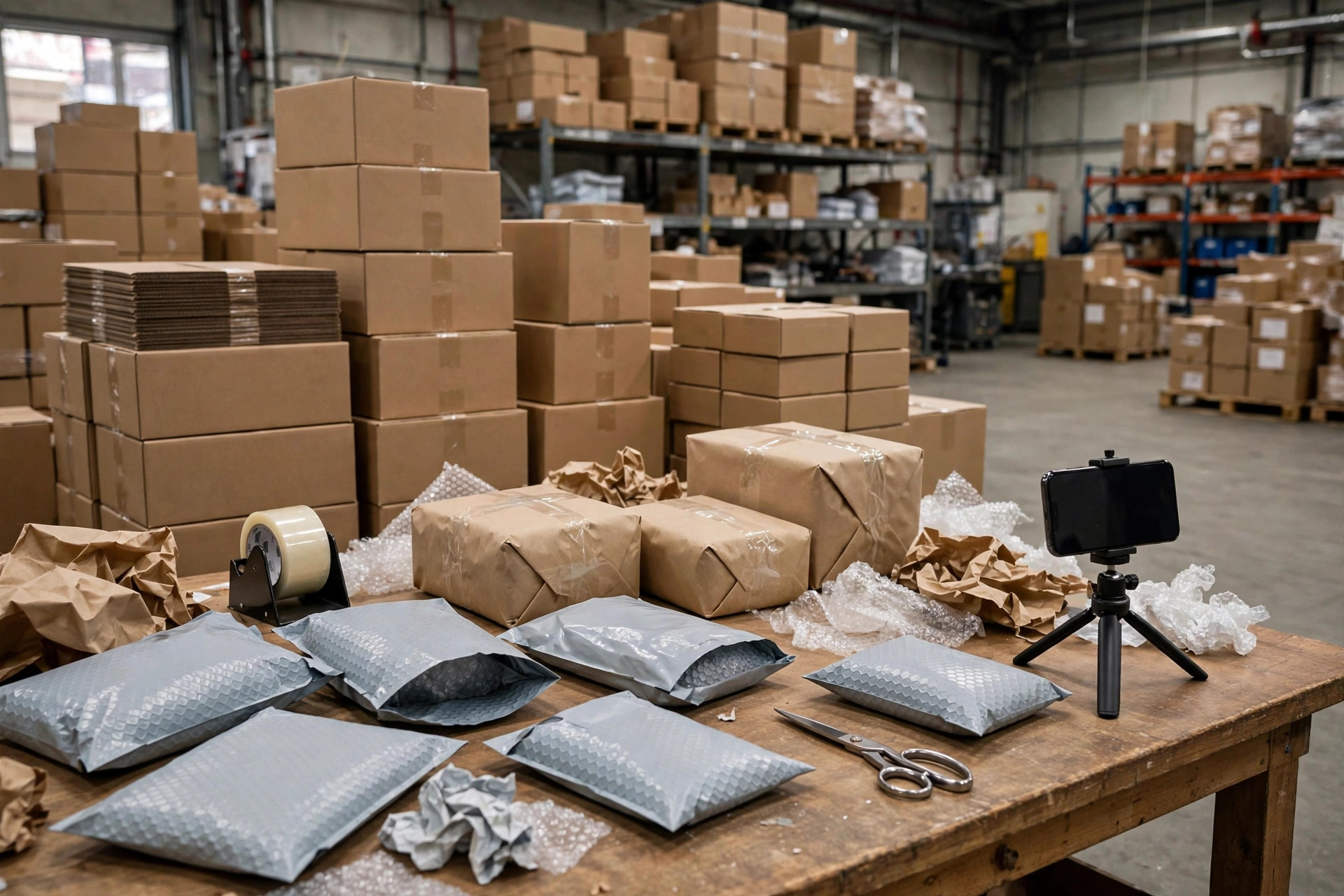
Labels first. Lazada has requirements for FBL product and carton labels — placement, clarity, and format — and the current official policy is the only source that counts; do not rely on a screenshot from another seller last year. I got burned in late 2024 when labels were stuck over the sealing tape. The tape shifted in transit, the labels went crooked with it, and the scan rate collapsed. Now the rule is fixed: the product label goes on a flat area of the front of the pack, never over a crease or a seal, and the carton label goes on two sides of the outer carton so one damaged label does not kill the carton.
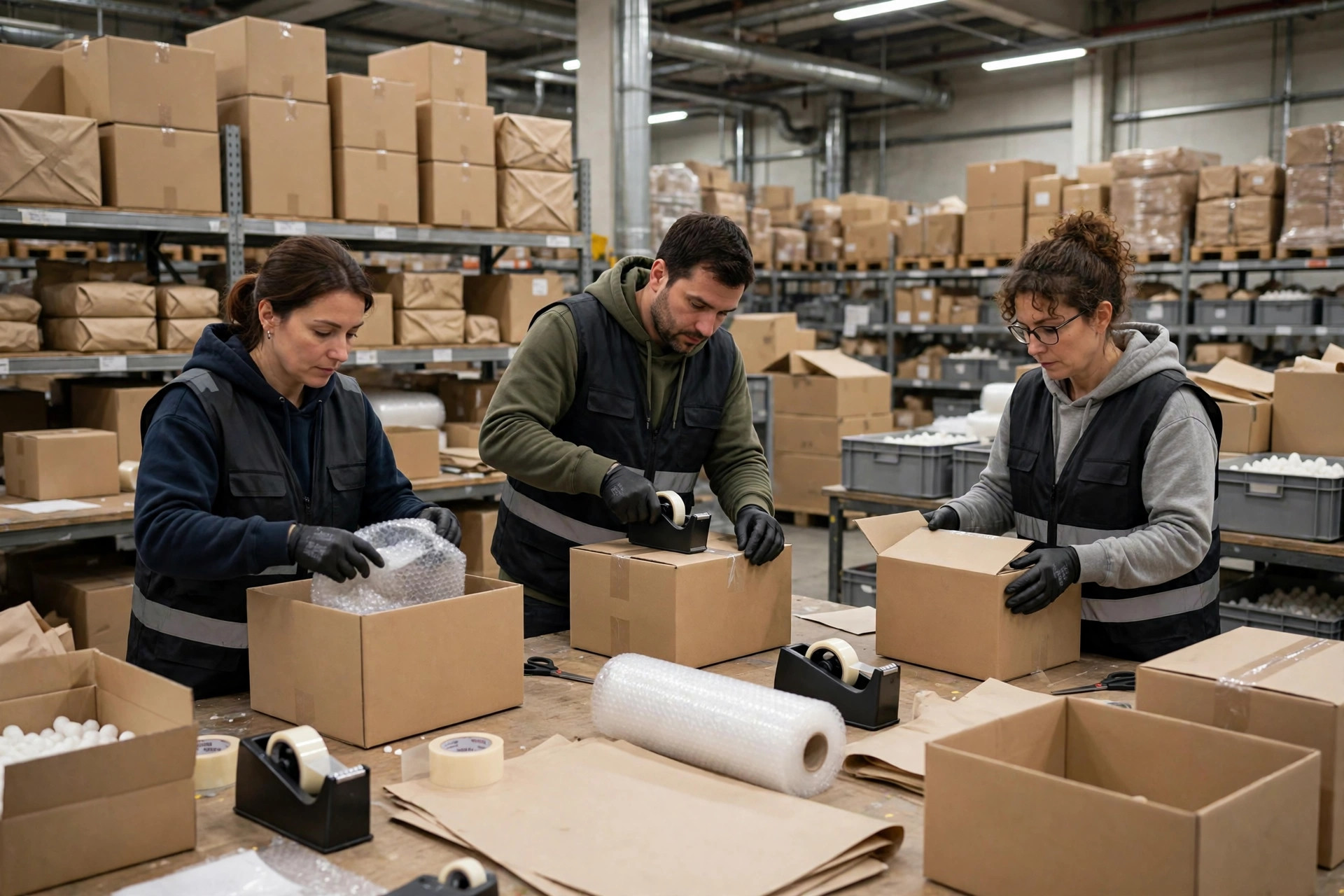
QC cannot stop at looks. My checklist has five items: function, appearance, all accessories present, packaging tough enough for transit, and barcode scannable. In June 2025 I sent 500 small appliances to the Vietnam warehouse. Everything worked, but nobody tested the packaging for drops. After a long first leg, close to one in ten arrived damaged, and replacements ate the margin. Now every batch gets a drop and crush test on five sample cartons. If the packaging fails, we reinforce it on the spot instead of waiting for the warehouse to complain.
Kitting is where the accounting quietly breaks. Sell two items as a set and the system must know the set SKU and how stock deducts, before you ship. Otherwise the warehouse ships by single-item logic, the buyer gets one piece short, and a bad review plus a refund arrive together. Before kitting I now work it out on paper: what is in the set, how many of each, can it ship if one component is short, and what happens if it cannot. Only then do we start packing.
| Step | Most common mistake | What I do now | What one mistake costs |
|---|---|---|---|
| Labeling | Label on the seal, blurry barcode | Flat front placement, sample scans before dispatch | Rejection, relabeling, second freight leg |
| QC | Looks only, no packaging test | Five checks plus drop testing | Inbound damage, replacements |
| Kitting | Set SKU never built in the system | Deduction logic worked out first | Short shipment, review, refund |
| Documents | Packing list vs. physical SKU mismatch | Two-person cross-check | Held shipment, unbox and re-sort |
Returns Are Part of lazada fulfillment — Price Them Before You Ship
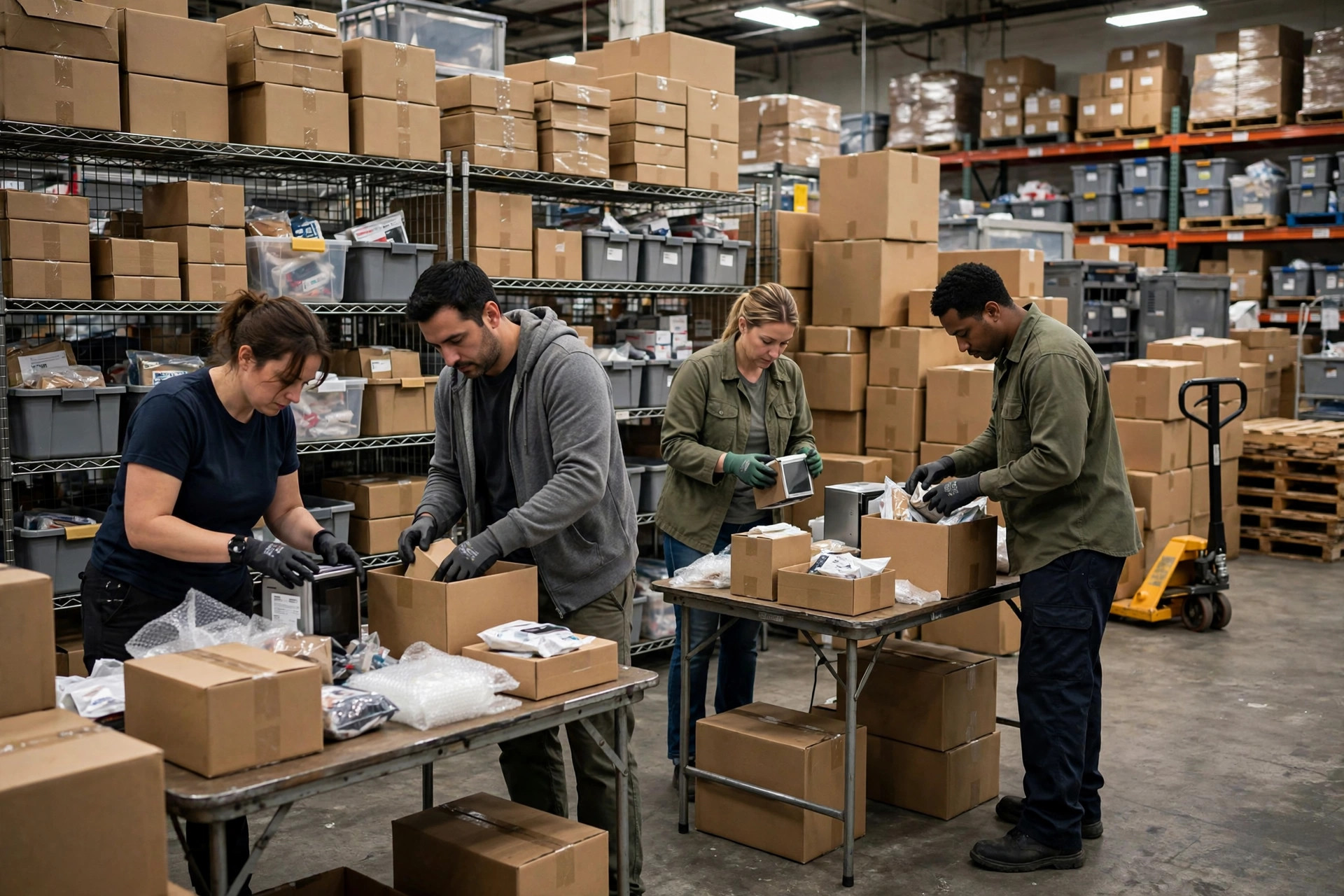
Most sellers budget the outbound leg and forget the return leg. An FBL return is not "it came back, done." Returned stock has three destinations: resellable as-is, needs repair or repacking, or scrap. In the fourth quarter of 2024 I ran the numbers on one storage-box product with a return rate above one in ten. About six in ten returns went straight back to saleable stock, two in ten needed new packaging, and more than one in ten had to be scrapped. If you have not planned that flow before inbound, returns pile up in the warehouse, storage fees keep running, and nothing sells.
Here is the counter-intuitive part: a very low return rate is not always good news. I had a product with almost no returns, and it turned out the return process was so awkward that buyers skipped it and left bad reviews instead. A bad review hurts a listing far more than a return does. So now I would rather make returns easy and clearly explained, get the resellable units back on sale fast, and keep the review score intact. Before any large inbound, decide three things: what counts as resellable, what goes straight to scrap, and who does return QC and how fast. If those are not decided, ship a small batch first, run one full returns cycle, and only scale when it works.
One more case from this year. In August 2025 a friend selling baby products sent 600 bottle brushes to the Philippines warehouse. Labels and QC passed, but kitting failed: a free mini-brush was never added to the set definition, so the system shipped the main item only and buyers never got the gift. Customer service took more than forty complaints in a week. We rebuilt the set with the gift as its own sub-SKU and the complaints stopped. That is the whole lesson: half a day spent reconciling documents before inbound is far cheaper than a week of firefighting after it.
Three warnings to close with. First, do not run your first FBL shipment the week before peak season — a new process plus peak volume is asking for trouble, so get it working a month early. Second, do not pick first-leg freight on price alone; cheap freight with high loss and damage rates will hand every saving back in returns. Third, keep evidence: packing lists, label photos, QC sheets. When the warehouse disputes something, evidence is what gets you heard. This approach works — I have tested it myself: after two shipments run this way, my first-pass inbound rate rose from just over 70% to above 90%, and resellable returns got back on sale twice as fast.
By Ah K, E-commerce Seller (5 yrs)