Selling on Lazada in Southeast Asia? Here is the one sentence that matters: Lazada warehouse fulfillment in Southeast Asia is "platform-controlled, seller-constrained." You don't get many choices — but one wrong choice tanks the whole operation. This guide covers how LGS cross-border logistics works, how to time inventory per market, how to handle returns, and how it compares to Shopee and TikTok Shop. Conclusion first: start with LGS direct shipping to validate products, switch to overseas warehouses once monthly sales stabilize, lock warehouse space 45 days before any mega campaign, and decide your returns plan on day one.
The Three Rules of Lazada Fulfillment
I've seen this failure three times, same script: a seller treats Lazada like "Taobao in another language," keeps all inventory in China, then a mega campaign hits — LGS linehaul queues up, customs stalls, penalties kick in, and the margin evaporates. Conclusions up front:
- Model: Lazada Global Shipping (LGS) is the official cross-border logistics arm, and cross-border sellers can barely avoid it. But local warehouses (official or third-party) are mandatory once you scale.
- Rhythm: Every market stocks differently. Singapore and Malaysia need front-loaded inventory; Thailand and Vietnam have volatile customs; the Philippines' island geography demands extra buffer.
- Returns: Shipping returns back to China rarely pays. Nearly every seller ends up destroying or reselling locally — decide before the first shipment, not after the returns pile up.
How LGS Works and How to Use It
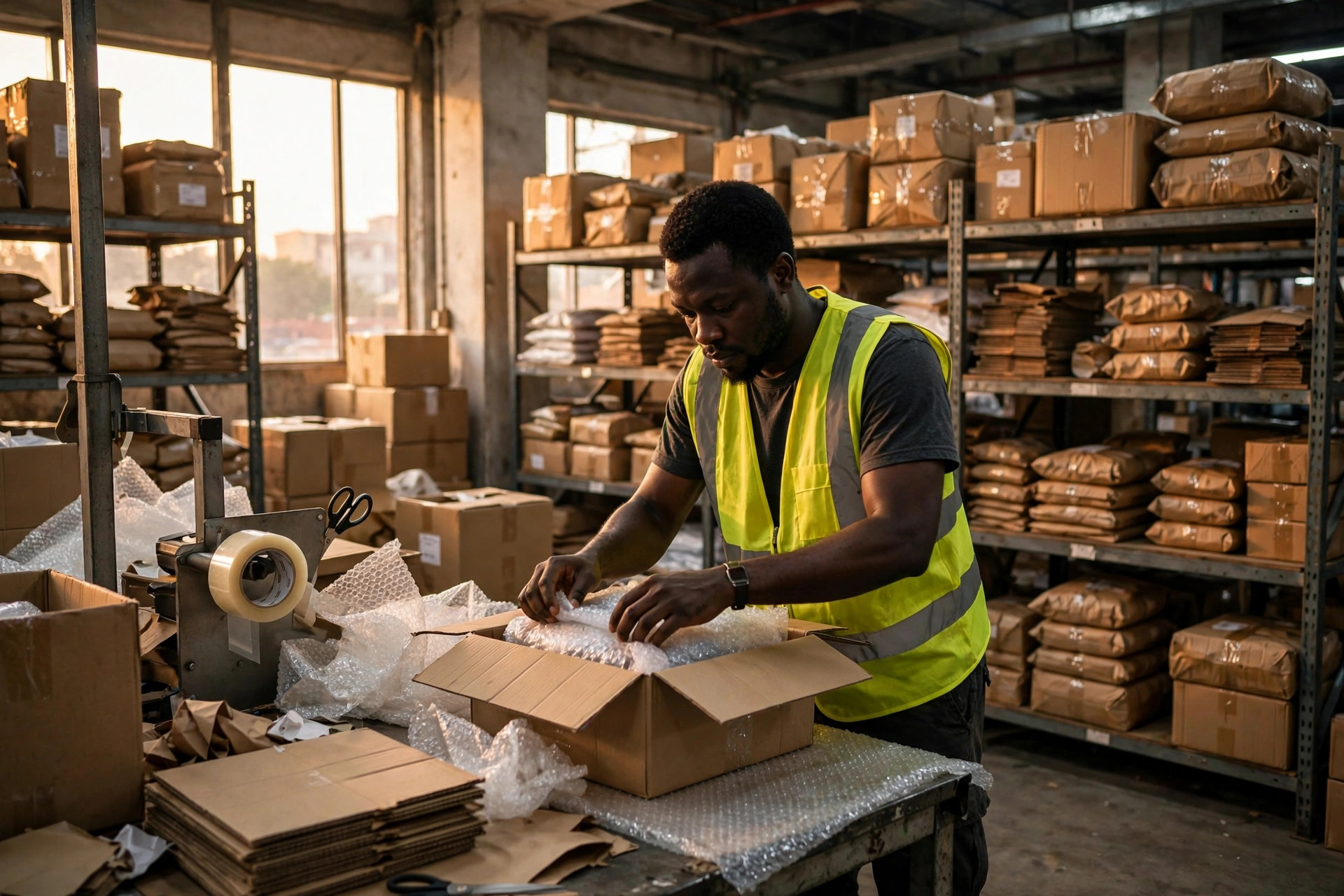
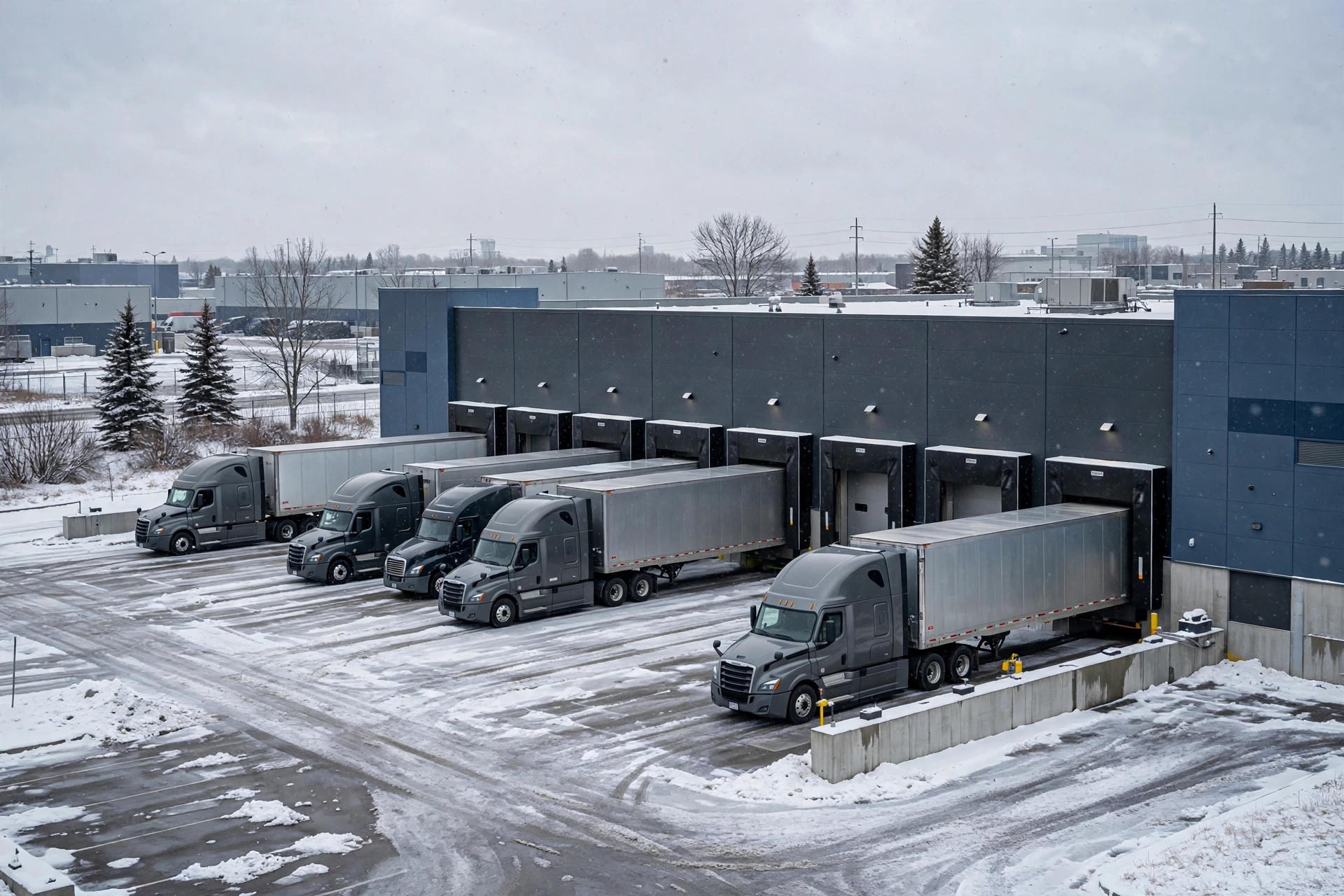
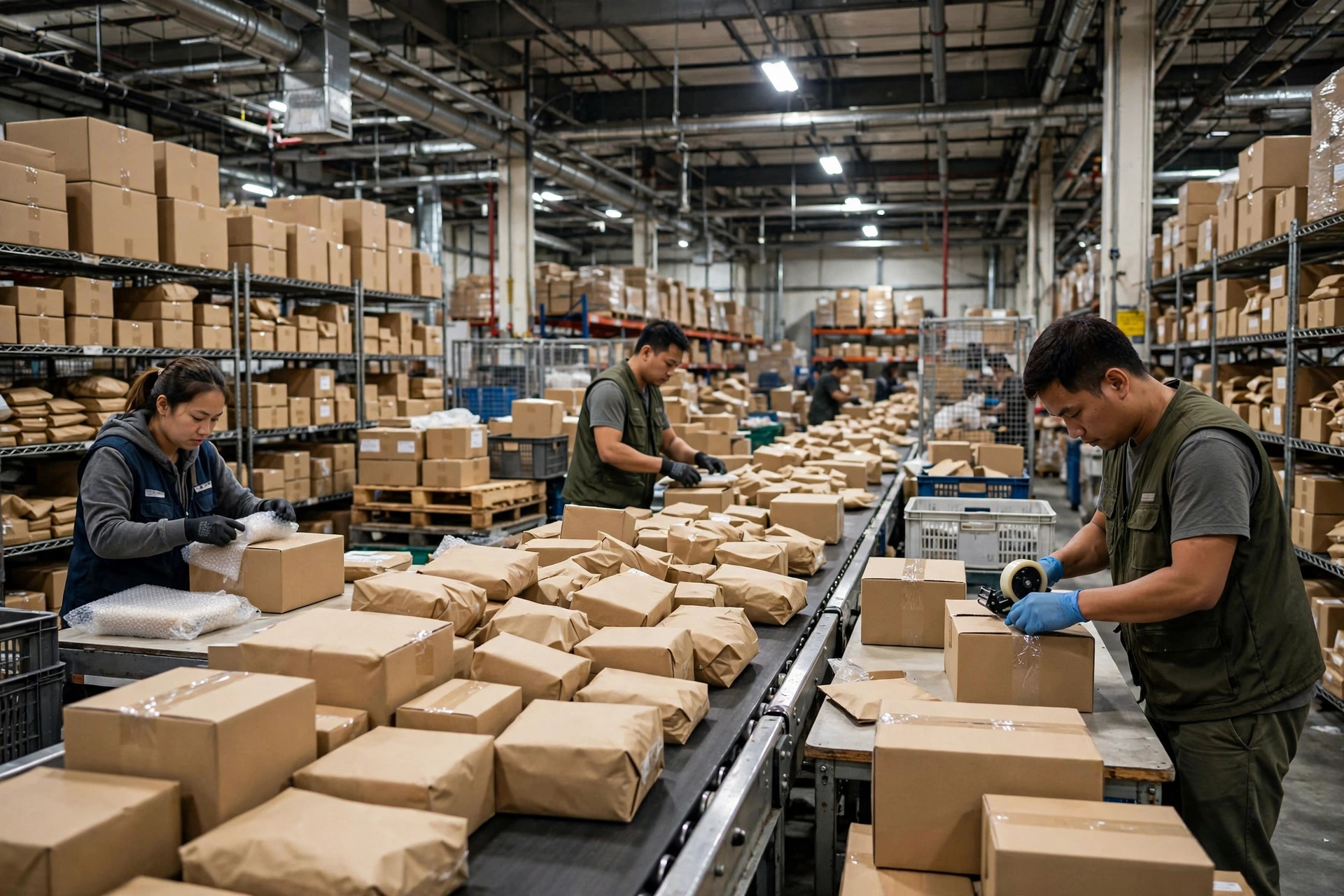
LGS runs a fixed flow: domestic pickup → domestic sortation hub → cross-border linehaul → last-mile delivery in the destination country. The seller's job is two steps: get goods to the LGS domestic consolidation warehouse and print the labels. Linehaul, customs, and last mile all happen inside the platform's system.
The trade is clear. Upside: it's hands-off, tracking is end-to-end, and campaign delivery promises only apply to LGS orders. Downside: you can't manage linehaul queuing, peak-season congestion is routine, and the fee structure is set by the platform.
Three alternatives:
- LGS direct shipping (from China): for new stores, test SKUs, low-ticket items. Zero overseas warehouse cost, longest lead times, messiest returns.
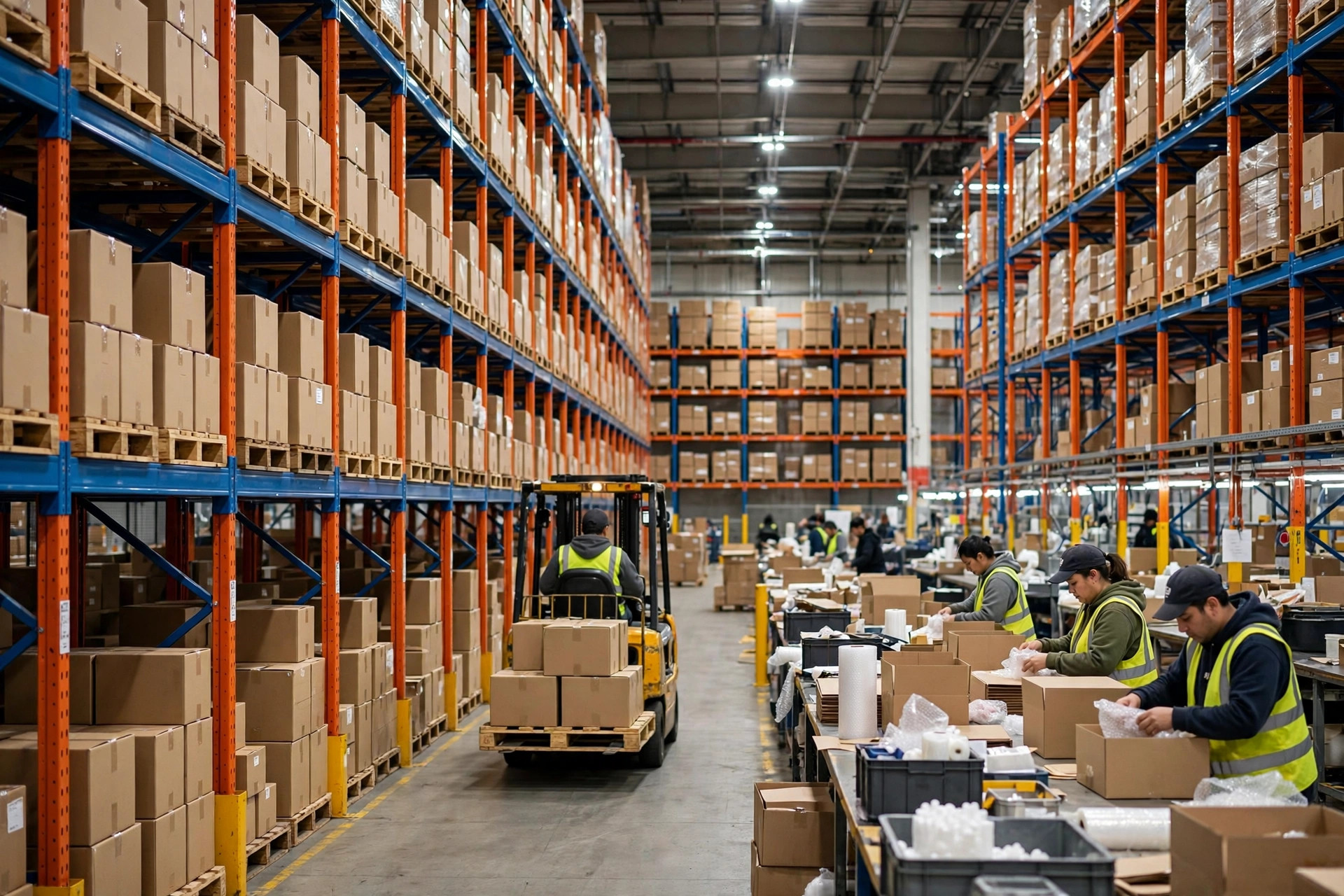
- Official local warehouses: stock in the destination country, local orders ship locally. Fastest delivery, "ships from local" badge, visibly higher conversion. Cost is working capital plus warehousing fees — check latest official rates on the seller center.
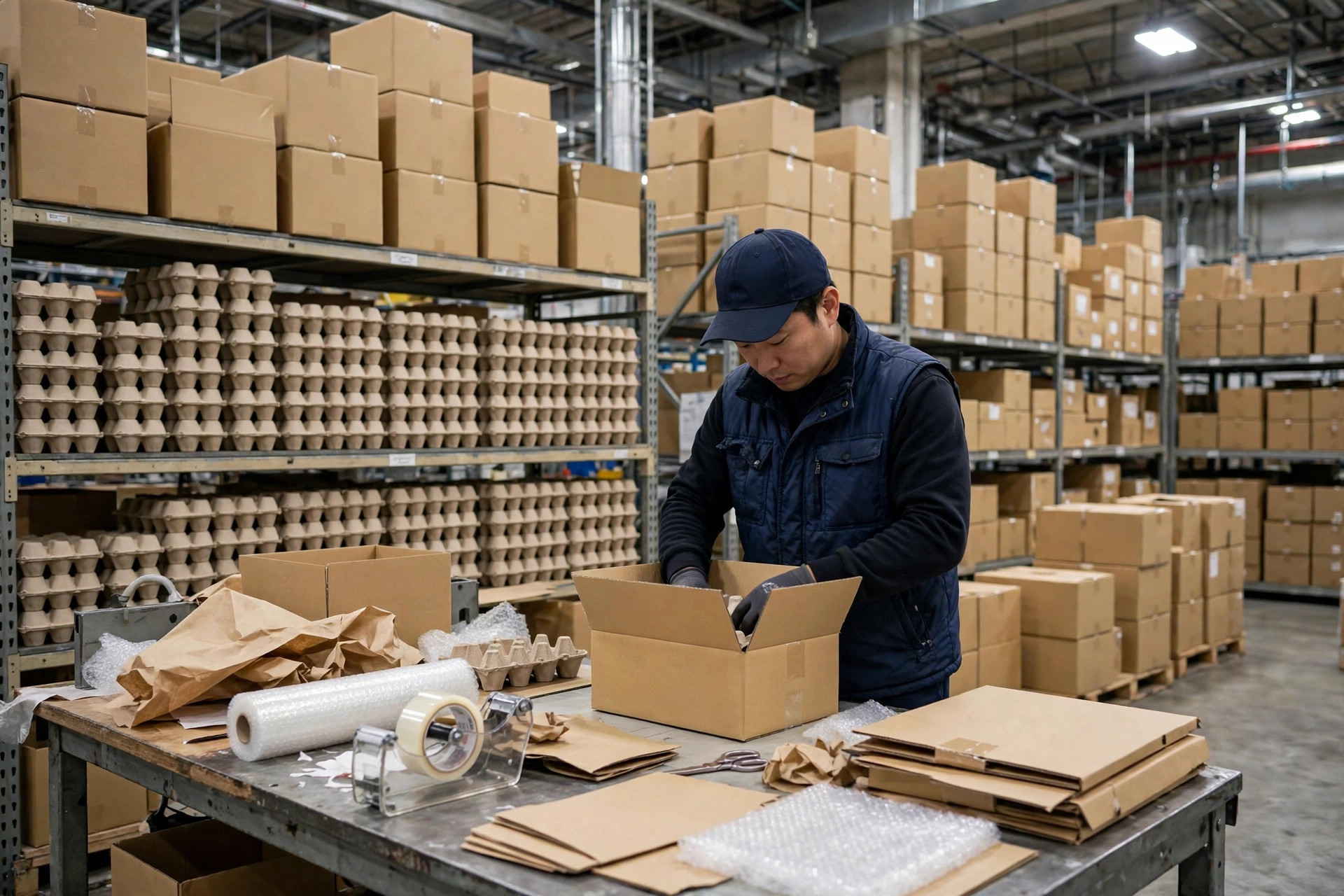
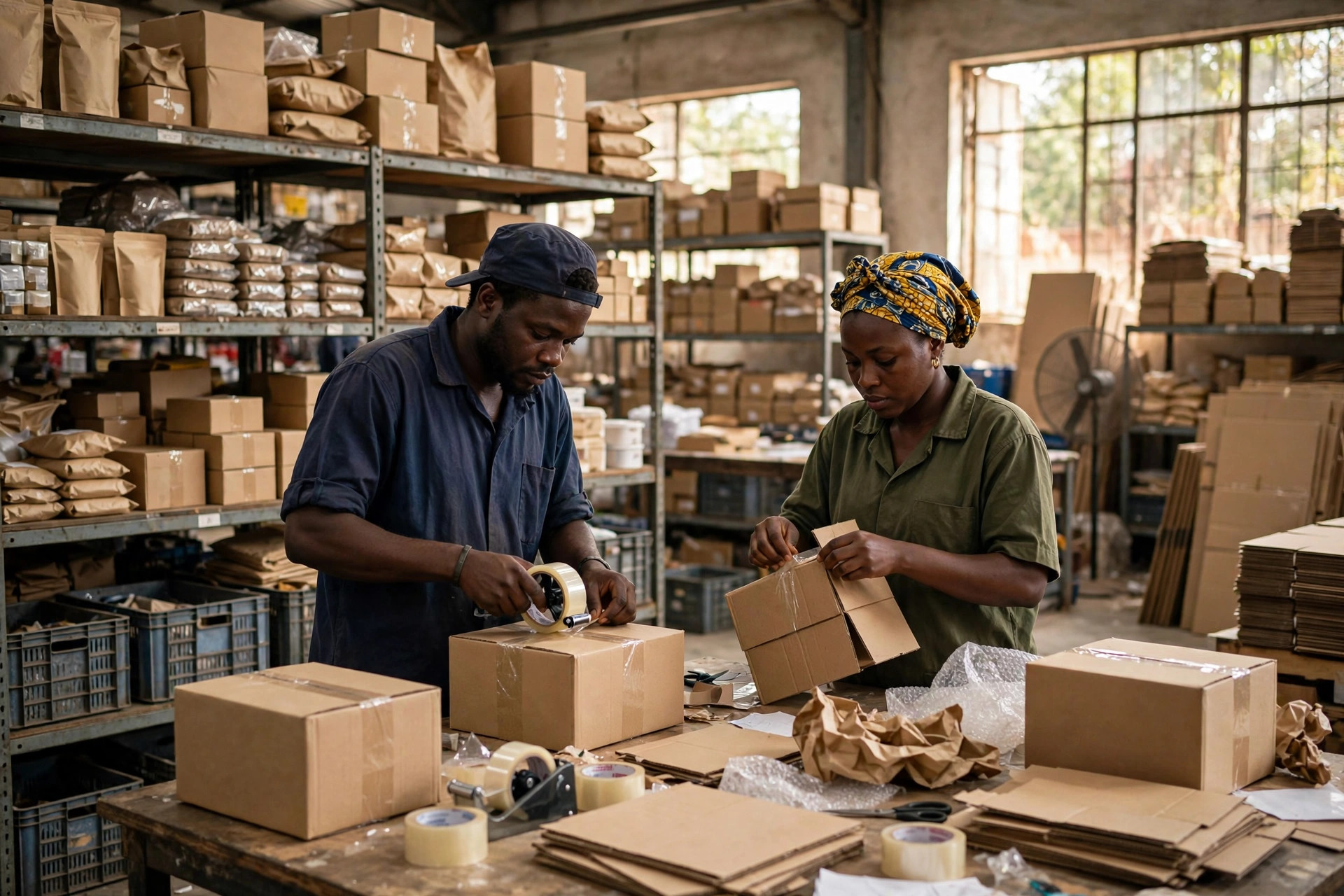
- Third-party overseas warehouses: maximum flexibility — one warehouse can serve Lazada, Shopee, and TikTok Shop. But you manage inventory and integrations yourself, and WMS integration plus stock sync is a hard requirement. This is my home turf: I've watched too many sellers run three warehouses on spreadsheets and fail every stock count.
Decision framework by monthly orders: under 500, stick with LGS direct; 500–2,000, evaluate third-party overseas warehouses; above 2,000 or for campaign hero SKUs, go straight to official local warehouses or a top-tier third-party facility. High-ticket categories can move earlier.
Stocking Rhythm by Market: Six Countries, Six Temperaments
Lazada covers six core markets — Singapore, Malaysia, Thailand, Vietnam, the Philippines, Indonesia (confirm current coverage on the official site). Never one plan for all six.
Step 1: separate "fast" from "slow" warehouses. Singapore and Malaysia: best infrastructure, smooth customs — stock aggressively, safety stock at 15–20 days of sales. Thailand and Vietnam: frequent customs shifts — keep 25–30 days. Philippines: archipelago, heavy transshipment — 30 days minimum, plus 10 extra buffer days for hero SKUs. Indonesia: huge but most complex — validate via LGS first, then commit inventory.
Step 2: lock warehouse space 45 days before mega campaigns. Campaigns (3.3, 9.9, 11.11, 12.12 — check the official calendar) drive the bulk of annual volume. Non-negotiable timeline: first-leg shipment departs 45 days out; goods received and sellable 30 days out; at 15 days out, only fine-tuning replenishment — no bulk first-leg shipments, because campaign linehaul will be congested.
Step 3: ABC-classify SKUs. A-items (top 20%) get full overseas coverage. B-items split half LGS, half overseas. C-items go LGS only. I've seen this mistake three times: sellers push C-items into overseas warehouses, they sit six months, and storage fees exceed the goods' value.
Step 4: build a stocking calendar. One sheet per market: market / hero SKUs / daily sales / in-transit days / safety-stock days / reorder point. Review weekly; any sales swing over 30% triggers immediate replenishment review. Tedious — and item one on every go-live checklist I've written.
Returns: Decide on Day One
Real case, late 2024: a Shenzhen home-storage seller hit 3,000 monthly orders in Thailand at an 8% return rate, all flowing back through LGS. Returns piled up at a Bangkok transit hub; the platform offered destroy or ship back to China. Return shipping cost two to three times the goods' value. He chose destruction and burned a small fortune in three months. His post-mortem: "If I'd known returns were this expensive, I'd never have shipped so many fragile SKUs in the first batch."
Three things about Lazada cross-border returns:
- Shipping back to China rarely pays. Verify current rates on the official site, but the working rule is "every returned unit loses money."
- Local disposition is the norm. Resellable units go back on the shelf; lightly defective units clear at local discount; dead stock gets destroyed. Negotiate the returns SOP and fee schedule with your warehouse partner before opening the store — put it in the contract.
- Cut returns at the source. The hotspots: wrong sizing (apparel), "not as described" (electronics accessories), broken packaging (fragile goods). Localize size charts, shoot real comparison photos, reinforce fragile packaging — three moves that shave 2–3 points off return rate, worth more than any returns-handling scheme.
Counterintuitive take: high-return categories should move to overseas warehouses earlier. Under LGS direct, return cycles are long and bad reviews drag conversion down. With a local warehouse, a return is back on the shelf within three days. A baby-products seller I worked with ran a 12% return rate that looked terrifying — but solid local reselling kept actual inventory loss under 3%.
Comparison: Lazada vs Shopee vs TikTok Shop Fulfillment
Different fulfillment logic per platform — wrong playbook, disaster. Rates change quarterly; verify on each official site. Directional judgment:
| Dimension | Lazada | Shopee | TikTok Shop |
|---|---|---|---|
| Cross-border logistics | LGS: closed, platform-controlled | SLS: similar, markets more independent | Multiple partners, relatively open |
| Local warehousing | Official + third-party coexist | SLS + third-party; "ships locally" badge matters | Official network later; third-party dominates |
| Delivery promises | Campaign promises bound to LGS | Late penalties vary sharply by market | Speed affects traffic recommendation directly |
| Returns | Reverse costly; local disposition default | Policies differ per market | Buyer-friendly disputes; check category rates first |
| One stock pool | Third-party warehouses serve all | Same | Same — label rules differ |
The trade-off: Lazada rewards stocking (platform handles logistics, you handle rhythm and assortment). Shopee rewards market focus (each market is its own mini-platform). TikTok Shop rewards speed (a slip gets traffic throttled).
Go-Live Checklist: Seven Items Before Opening a Lazada Store
Check every box. Don't open with one missing:
- LGS account active + consolidation warehouse address confirmed; label printer tested
- Hero markets selected (1–2, not all six); quantities by ABC class calculated
- Warehouse partner signed: returns SOP, fee schedule, WMS integration in the contract
- Campaign calendar worked backwards: ship date, sellable date, replenishment cutoff fixed
- Listings localized: local size charts, real comparison photos, fragile packaging confirmed
- Returns plan set: resale flow, clearance channel, destruction approver named
- Stocking sheet built: market / SKU / daily sales / safety stock / reorder point, weekly reviewer named
Three Classic Failures — One Last Nag
First, never ship first-leg freight two weeks before a mega campaign. I've seen this three times. Every time it's "it should make it." It never makes it. Congested linehaul honors the queue, not your plan.
Second, don't plan Southeast Asia inventory with a China mindset. Shoppers here accept 7–10 day lead times. You don't need double stock for "extreme speed" — you need zero stockouts. A stockout kills ranking, which hurts far more than two slow days.
Third, the official site is the source of truth, not this article. Fees, LGS rates, and policies change quarterly. This is methodology and framework — verify every number in the seller center. After all my years in implementation consulting, the biggest lesson: processes are reusable; numbers must be checked fresh, every time.
By Lin Xiao, WMS Implementation Consultant