Let me start with a rant: every time someone asks about self-fulfillment vs outsourced fulfillment, a crowd shows up to say "just use a 3PL, leave it to the professionals." Easy to say — but who pays? I have sold on independent stores for five years and done both routes. Today I am laying out the actual math, so you can find where the cost line really sits.
Short answer first: there is no universal answer. The breakeven lives in your own order volume and product mix. Here is the math from my own experience.
My in-house math: at 300 orders a month, outsourcing was absurdly expensive
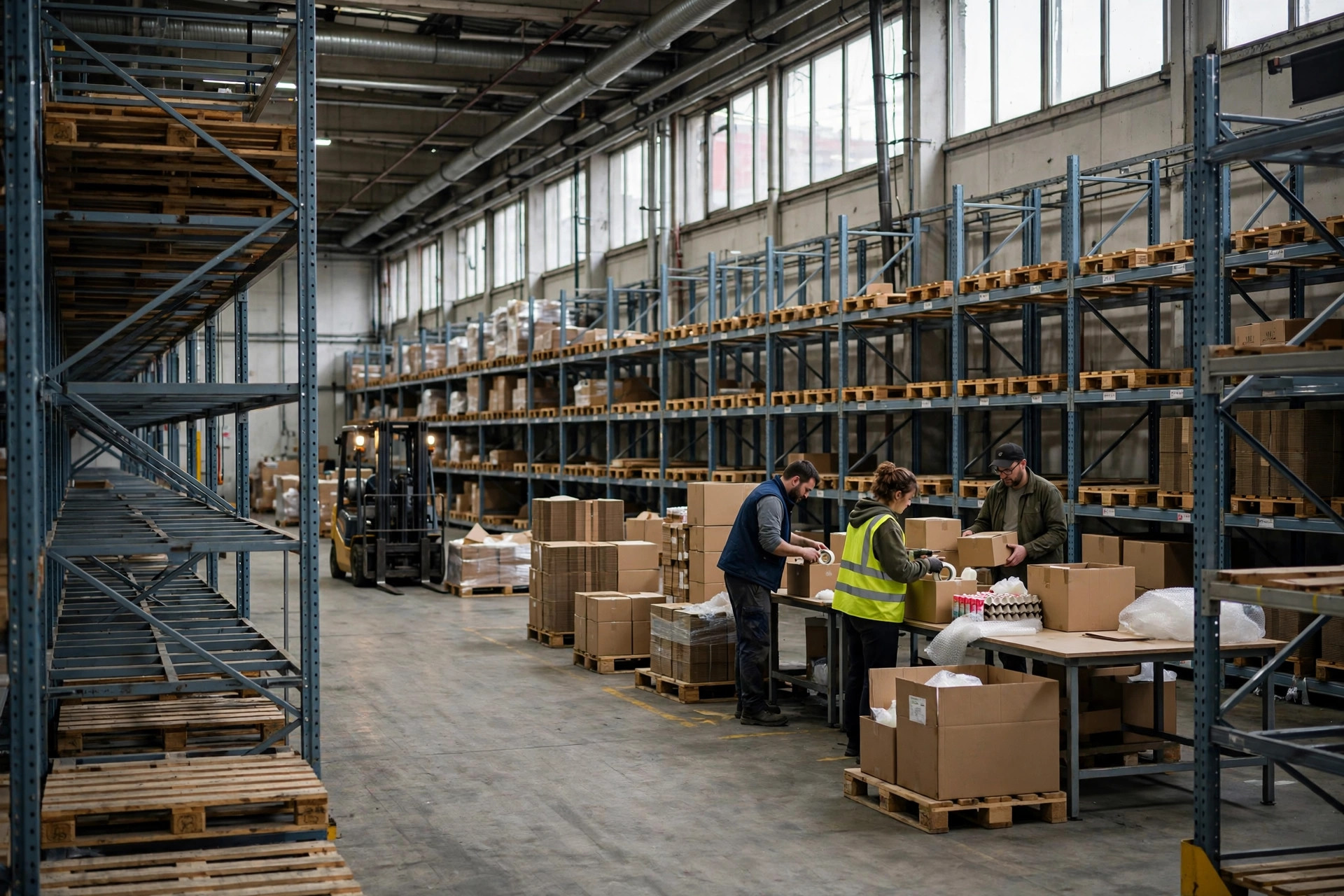
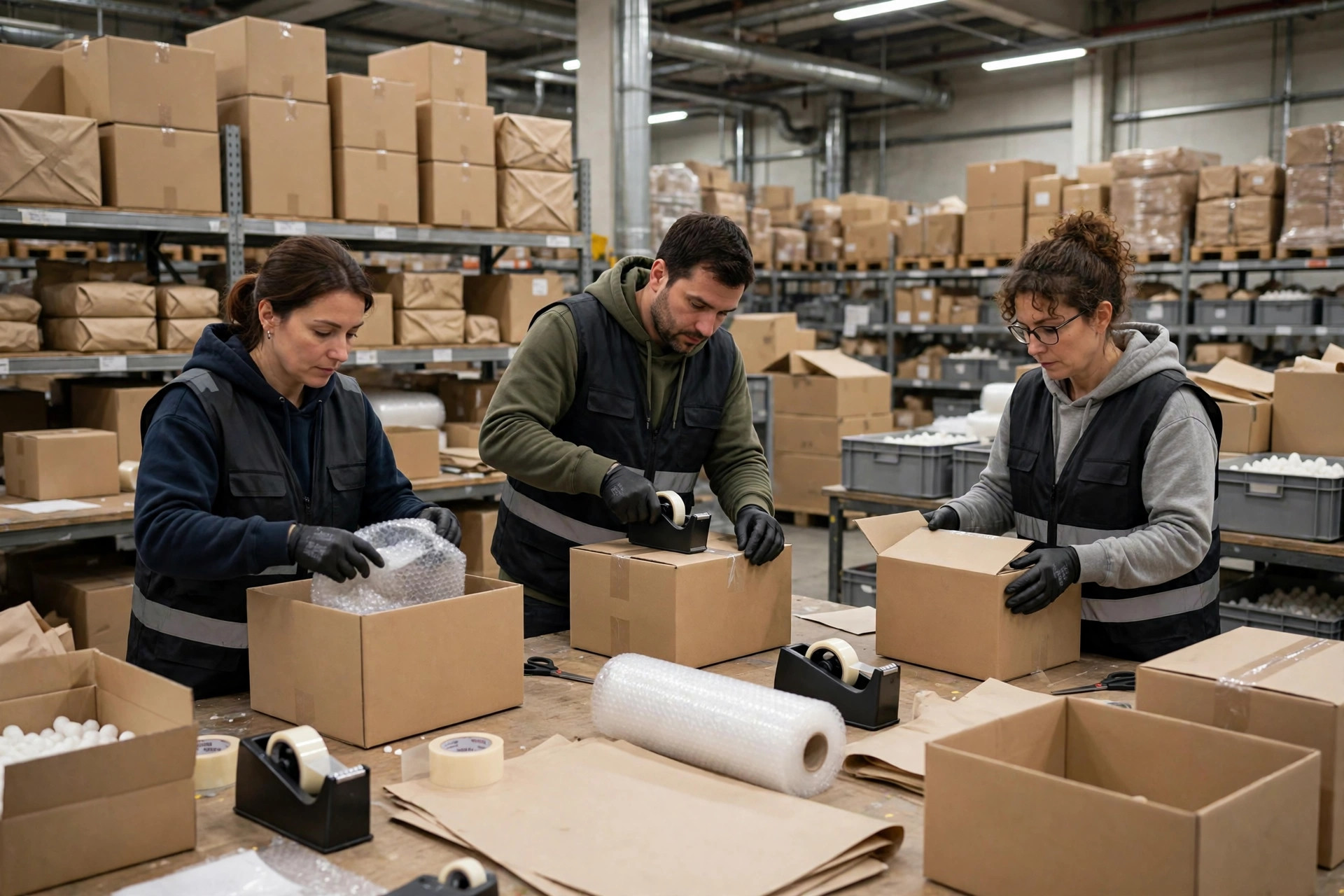
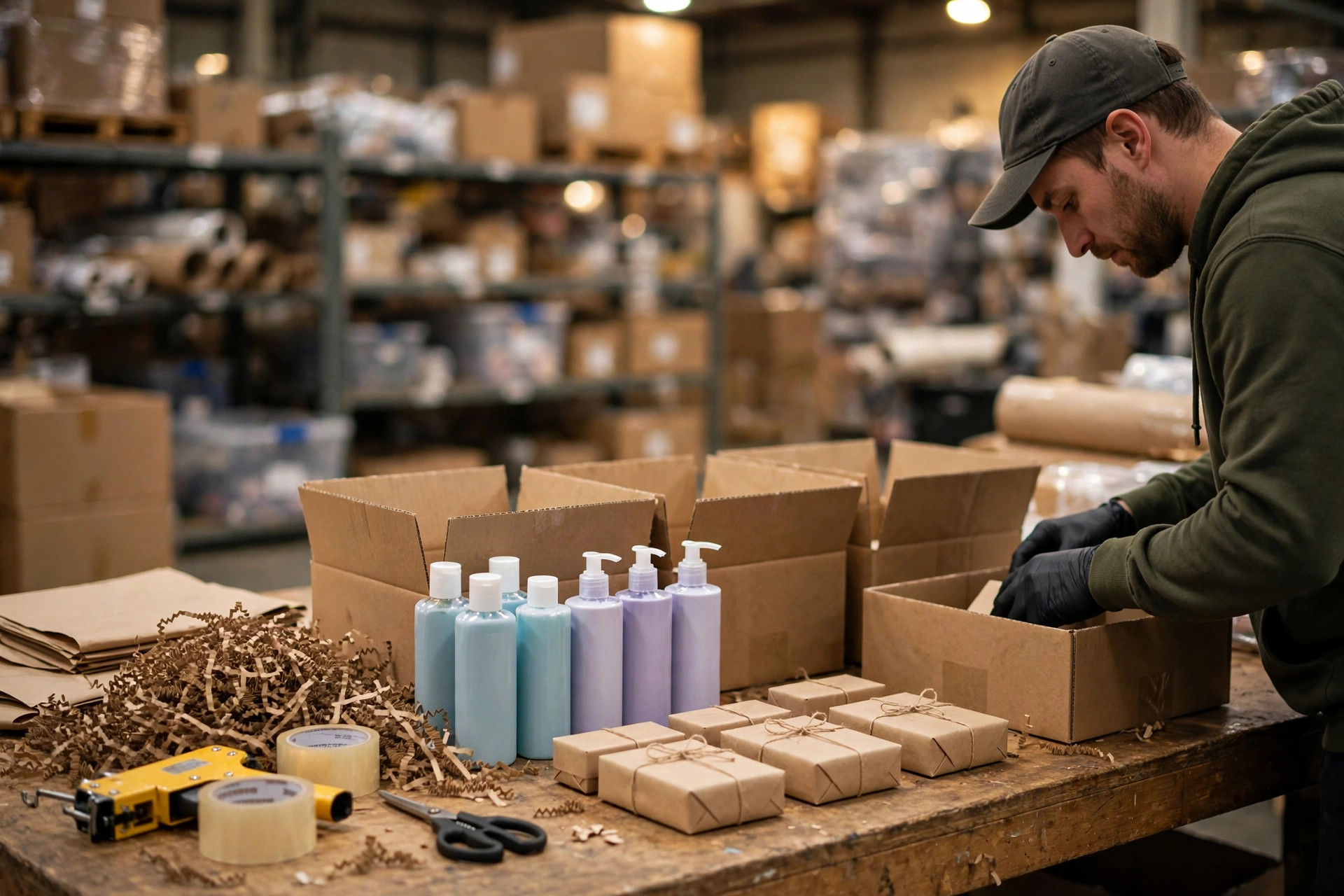
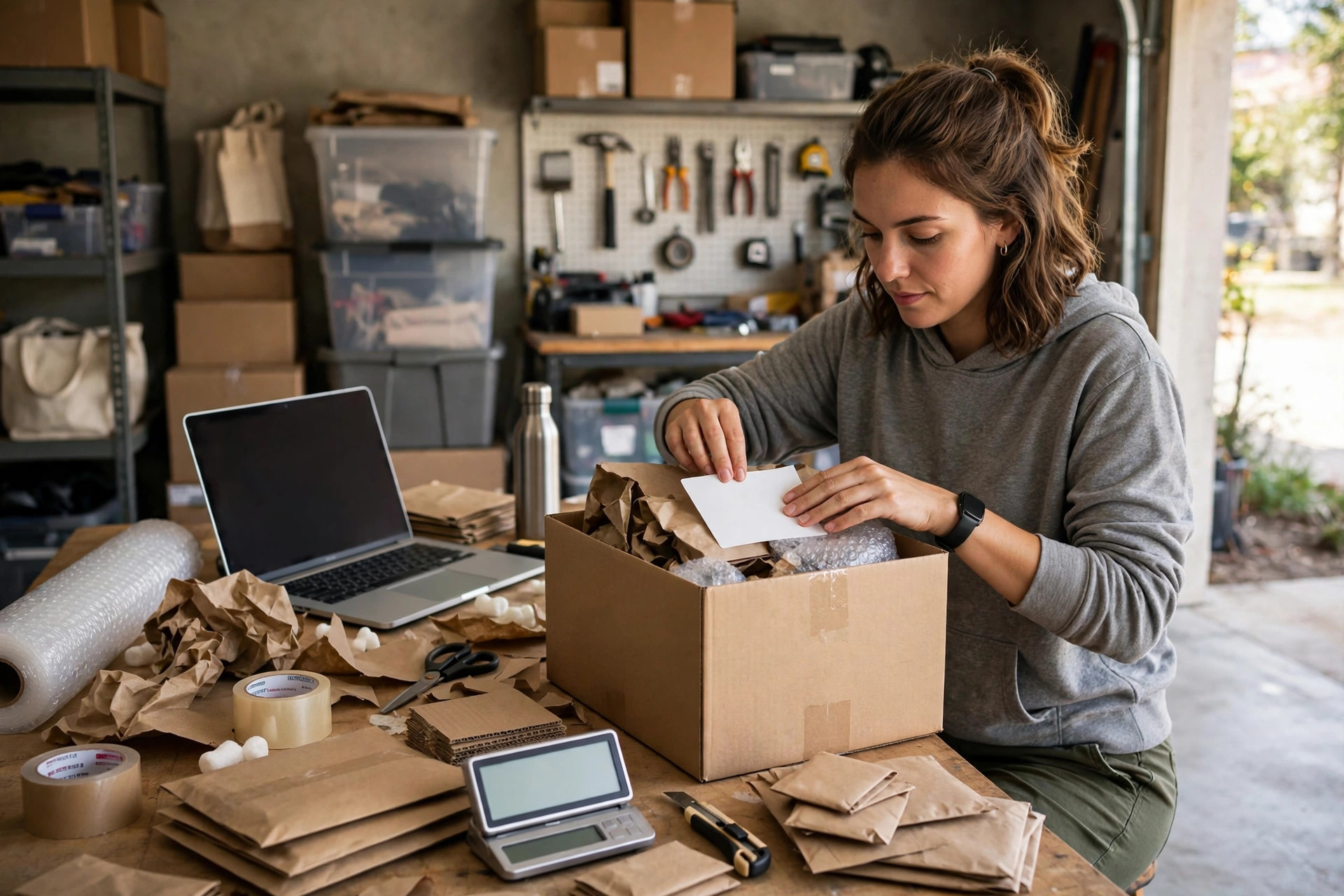
In the first half of 2024, my independent store sold small home goods, around 300 orders a month, average order value about $35. I shipped from a small rented garage: packaging about $1.20 per order, shipping at a discounted rate I had negotiated, averaging $7.50 per order, and labor — me plus one part-timer — working out to roughly $3 per order. Total in-house cost: about $11.70 per order.
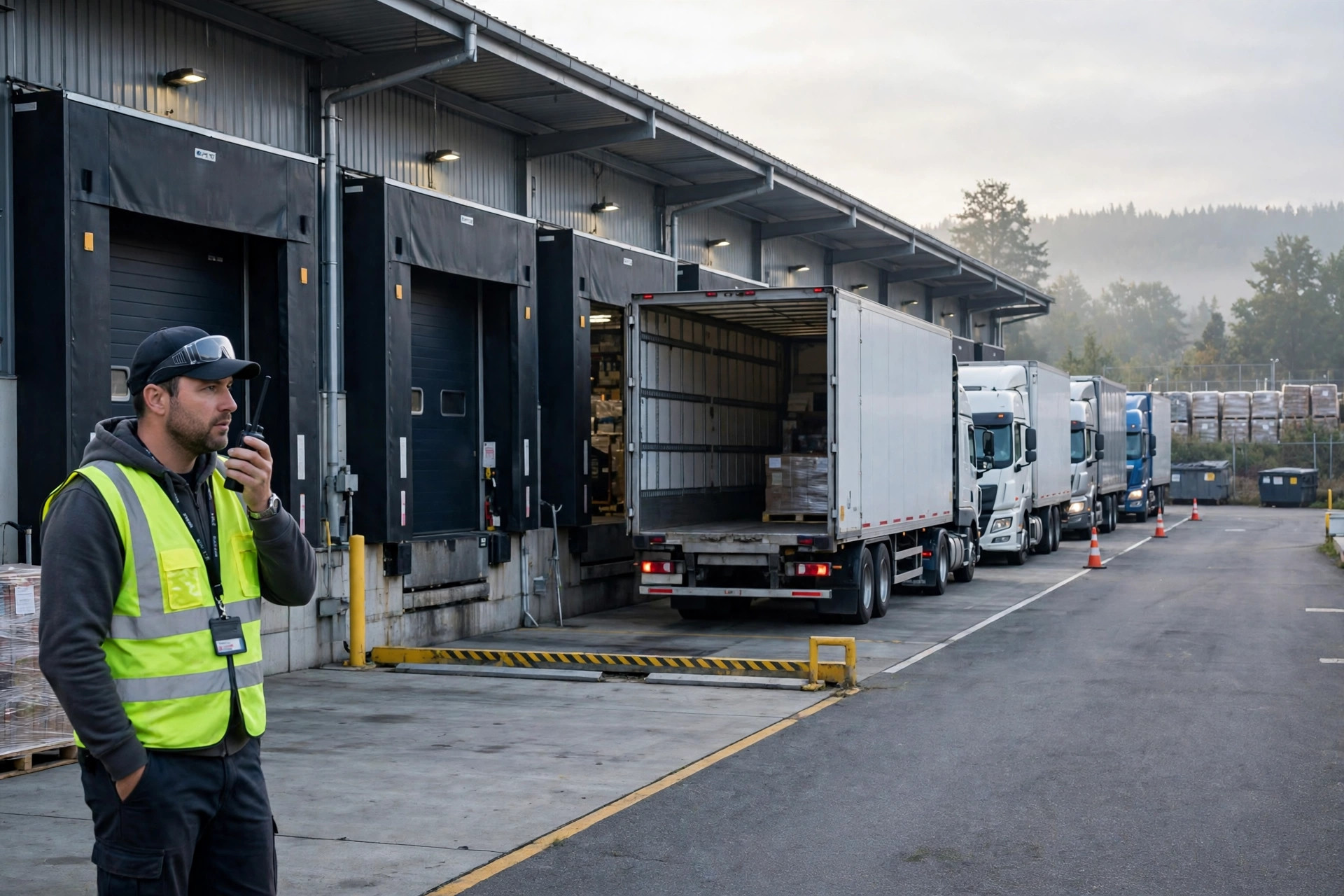
A 3PL came calling then. Their quote: receiving and putaway billed separately, monthly storage per pallet plus per-SKU fees, and a pick-and-pack fee starting at $3.50 per order, before packaging and shipping. At 300 orders that meant $1,050 a month in pick-and-pack fees alone, plus storage and extras — roughly 40% more than shipping it myself. I turned them down on the spot. At that volume, outsourcing meant working for someone else.
Here is the first counterintuitive point: outsourced fulfillment is not automatically the "scaled-up" option — at low volume, it is the more expensive one. A 3PL's pricing carries a lot of fixed cost, and when volume is small, those fixed costs spread across few orders and push the per-order price through the roof.
A friend's turning point: past 800 orders a month, what broke first was not money, it was people
Now my friend's story. She runs an apparel independent store, and in late 2024 her volume hit 800 orders a month, average order value around $42. She started by shipping it herself too, renting about 200 square meters and hiring two full-time packers. On paper, shipping it herself cost her about $12 per order versus a 3PL quote of about $14 — so she kept carrying it herself.
Then a big promotion week doubled her normal volume. Packers worked till midnight, mispick rates climbed, and returns and support complaints followed. When she reviewed those two months later, the repeat business lost to mispicks and late shipments cost more than outsourcing would have. She switched to a 3PL in early 2025 and never blew up a peak season again.
The lesson: the breakeven is not just the per-order price. It is also the "breaking point" cost — can your team absorb volatility? What is a rising mispick rate worth in lost repeat orders and ratings? Leave those out, and self-fulfillment always looks cheaper. That cheapness is fake.
Self-fulfillment vs outsourced fulfillment: three variables draw your line
Here is the cost split, so you can plug in your own numbers:
| Cost item | In-house shipping | Outsourced (3PL) |
|---|---|---|
| Labor | Packer wages, rising linearly with volume | Bundled in the per-order fee, no hiring for spikes |
| Storage | Fixed rent, paid even at low volume | Per pallet/SKU, expensive when volume is small |
| Packaging | Bought yourself, bulk discounts apply | Partly included, partly billed extra |
| Shipping | Your own negotiated discount, weak at low volume | 3PL volume rates, usually lower |
| Mispick/late cost | On you, and it spikes in peak season | Contracts include remedies, but you must negotiate them |
| Your time | Daily warehouse firefighting, stolen from product and marketing | Time freed up, but you must audit the 3PL's invoices |
And the decision framework is three variables:
- Monthly order volume. Under 300 orders, shipping it yourself almost always wins. Above 800, seriously negotiate with a 3PL. Between 300 and 800, the next two variables decide.
- Average order value. Under $25, fulfillment eats too much margin — add a 3PL's per-order fee and profit gets thin, so ship it yourself if you can. Above $50, fulfillment is a smaller share of margin, and the time outsourcing frees up is worth more.
- Product shape. Bulky, heavy, assembly-required, or customized products make 3PL fees jump, and self-fulfillment wins. Standard small items with many SKUs and volatile demand are where outsourcing's flexibility pays most.
Running my own numbers backwards, my breakeven sat around 700 orders a month: below it, shipping it myself cost less per order all-in; above it, the labor and mispick losses outsourcing avoided started to win. That number is mine, not yours — fill in your numbers in the table above and your own line will show up.
Pitfalls before you sign: five charges to pin down first
Finally, a few tips I personally tested — the charges most often missed before signing:
First, how are receiving and putaway billed — per carton, per unit, or per SKU? Some quotes look great until receiving fees land.
Second, long-term storage tiers: what happens to the rate after 90 days, 180 days? Slow movers get punished hardest here.
Third, returns processing: per order or per unit? For high-return categories, this line cannot be ignored.
Fourth, shipping reconciliation: are the carrier discounts the 3PL negotiated actually passed through to you? Demand a monthly shipping statement.
Fifth, the exit clause: if you part ways, how does inventory move out, what does the move cost, and do you get your data? Skip this at signing and it hurts most at goodbye.
One more thing: never switch everything at once. My advice is to move about 30% of SKUs over for one month first, then compare mispick rates, delivery times, and the real invoice. No sales pitch beats one month of your own actual bills.
Shipping it yourself as an independent store is not a badge of honor or a rookie mistake. Small volume, ship it yourself; big volume, outsource; in between, run the framework above. This one I tested myself, and it works.
By Ah K, E-commerce Seller (5 yrs)