Everyone selling on TikTok Shop US is arguing about the same thing this year: cross-border store or local store? Most people obsess over which one is easier to register. Wrong question. The real gap is fulfillment — cross-border vs local fulfillment — and it's the part that decides whether you actually make money. I've run both: nearly two years on a cross-border store, then I switched to a local store early this year. Here are the 3 differences that matter, no fluff.
First, the rant: TikTok Shop US is basically two different games now. Traffic pools, review standards, campaign eligibility — cross-border and local stores don't play by the same rules. And fulfillment is where it bites hardest. The platform grades your shipping performance and bakes it into your shop score. Slow shipping doesn't just annoy buyers; it quietly throttles your traffic, and no ad budget fixes that.
Case one. In 2024 I ran a cross-border store selling an interactive pet toy out of Shenzhen. Orders shipped direct from China, 9 to 12 days to the buyer's door on average. Conversion hovered around 3%. When I actually read the bad reviews, two out of three were complaining about the same thing: "too slow." Same product, a friend ran it through a local store in 2025 with 3-day US delivery — 5.8% conversion. Same product, similar price band, nearly double the conversion. The only real variable was fulfillment.
Difference 1: Local Stores Ride FBT Warehouses, Cross-Border Stores Ride Direct Mail
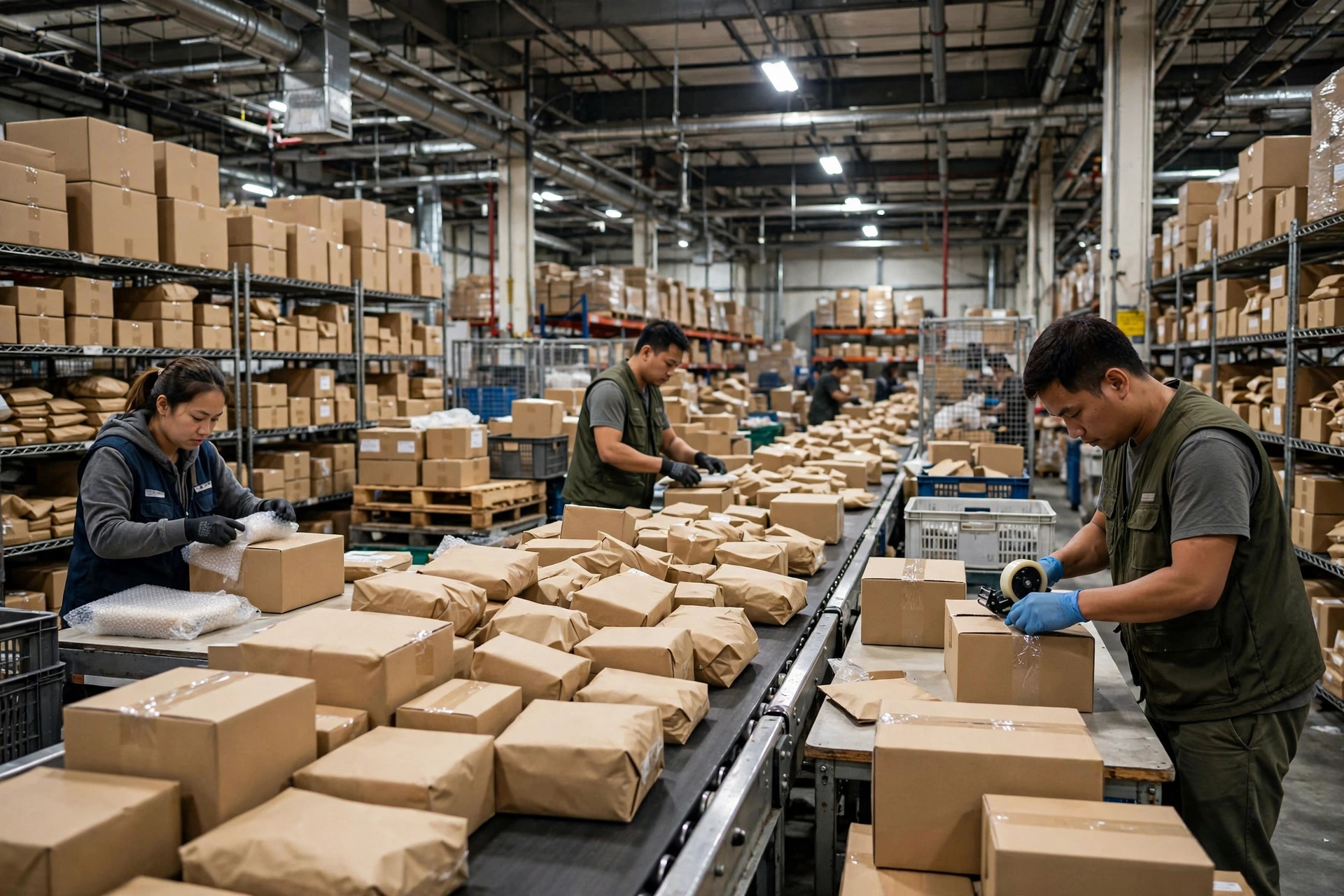
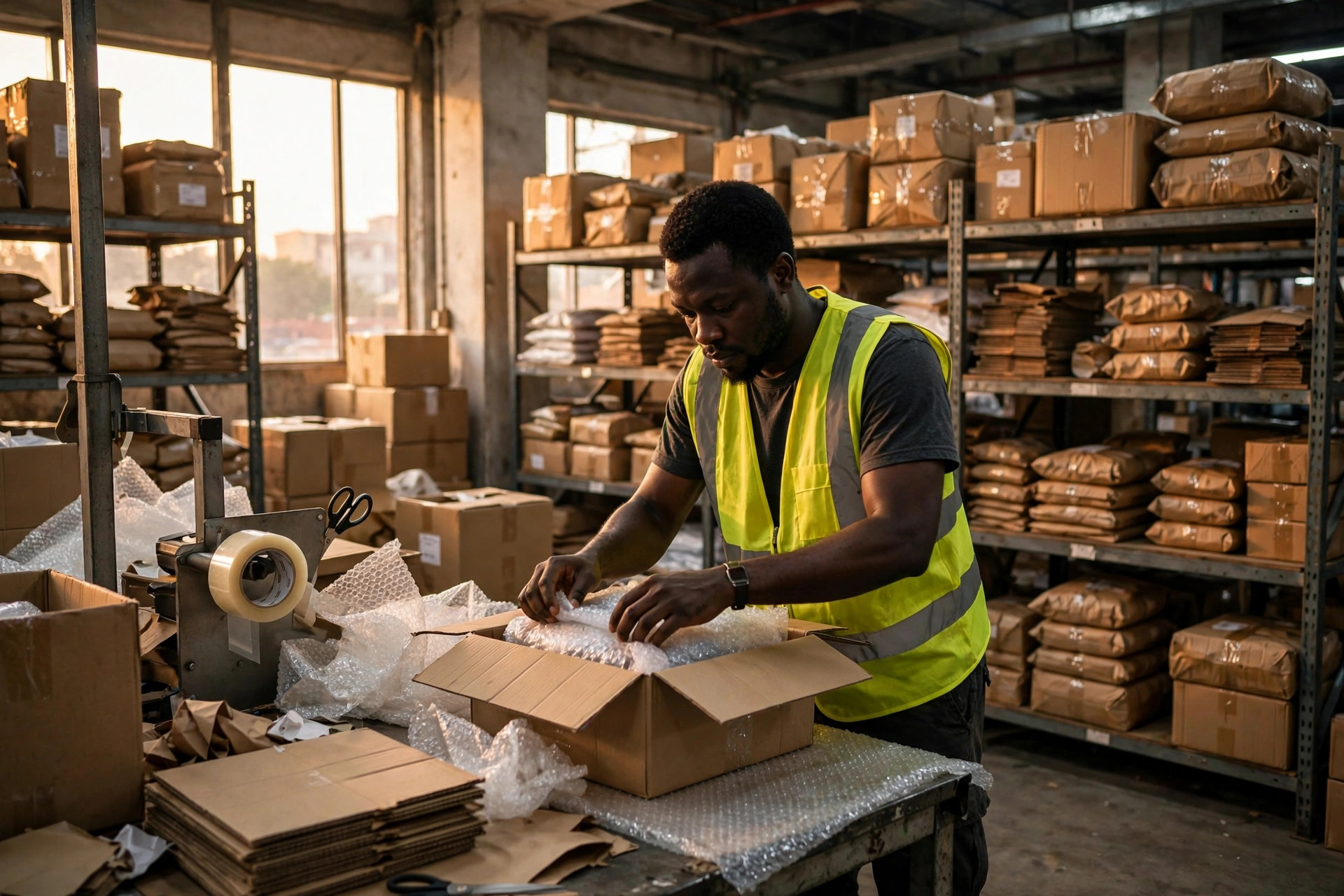
Cross-border fulfillment looks like this: you stock inventory in China, your China warehouse packs each order, and it flies direct to the US buyer through a cross-border line. You own the whole chain — first mile, customs clearance, last mile. When any link blows up, it's your problem, and you're answering buyer messages across a 15-hour time difference.
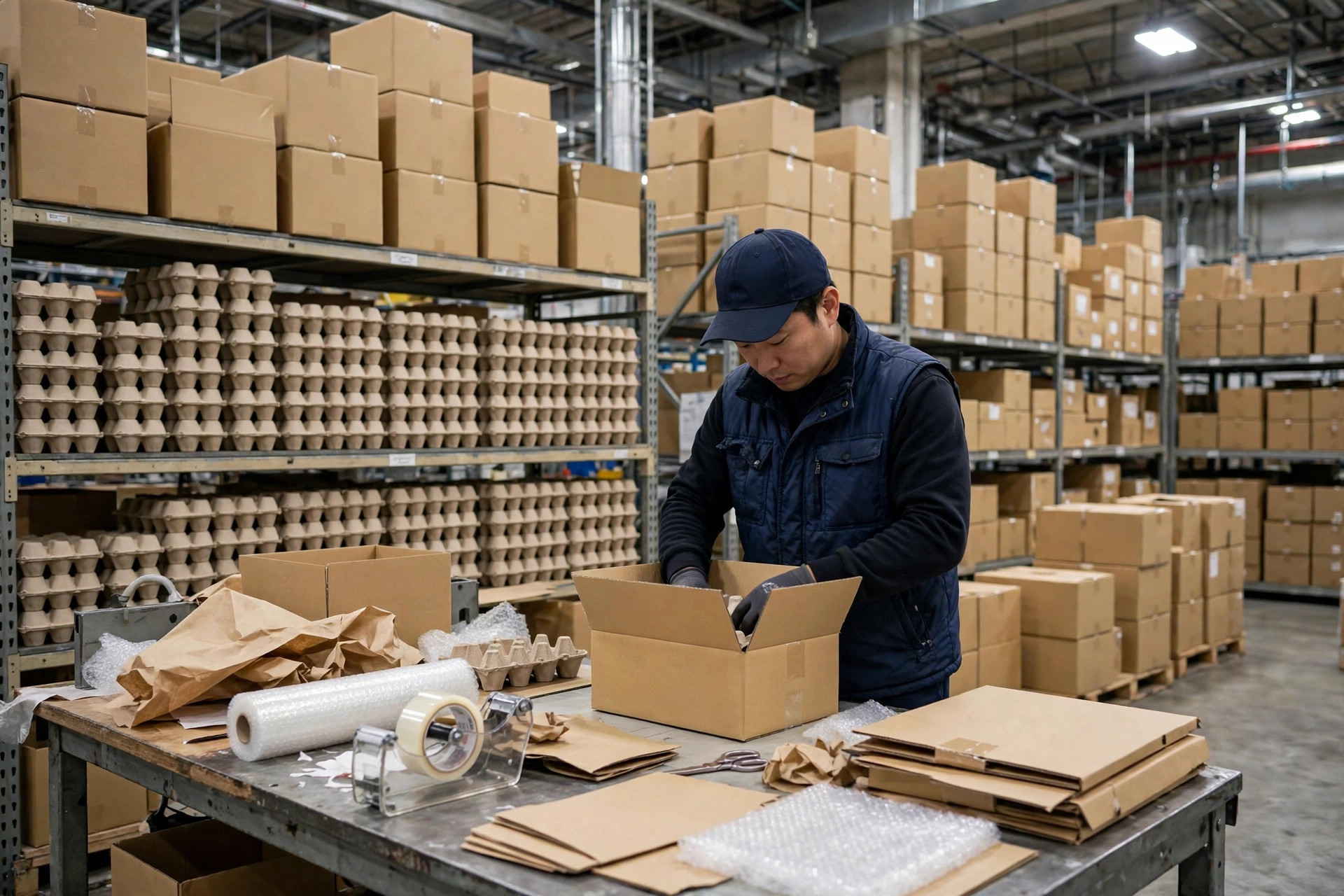
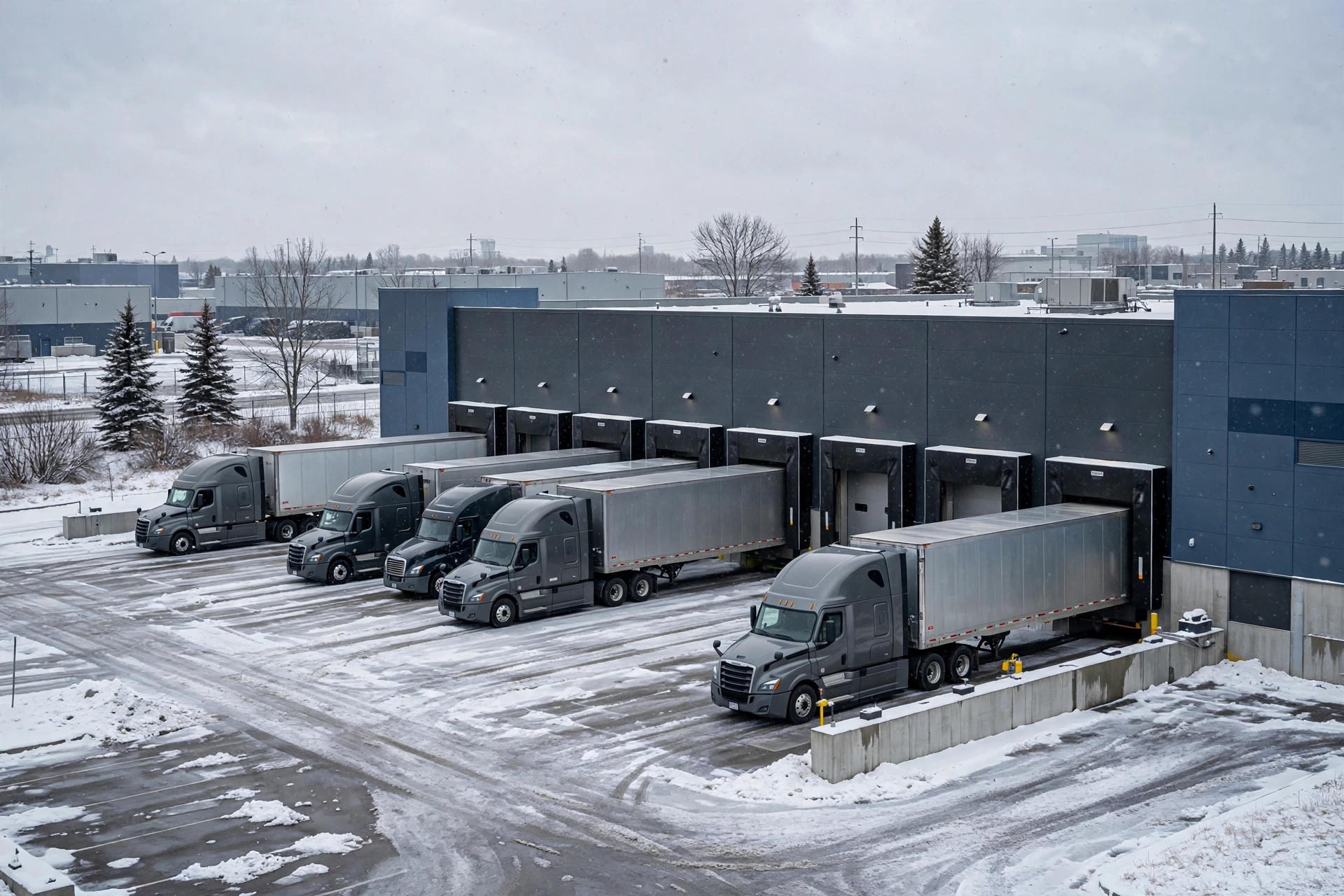
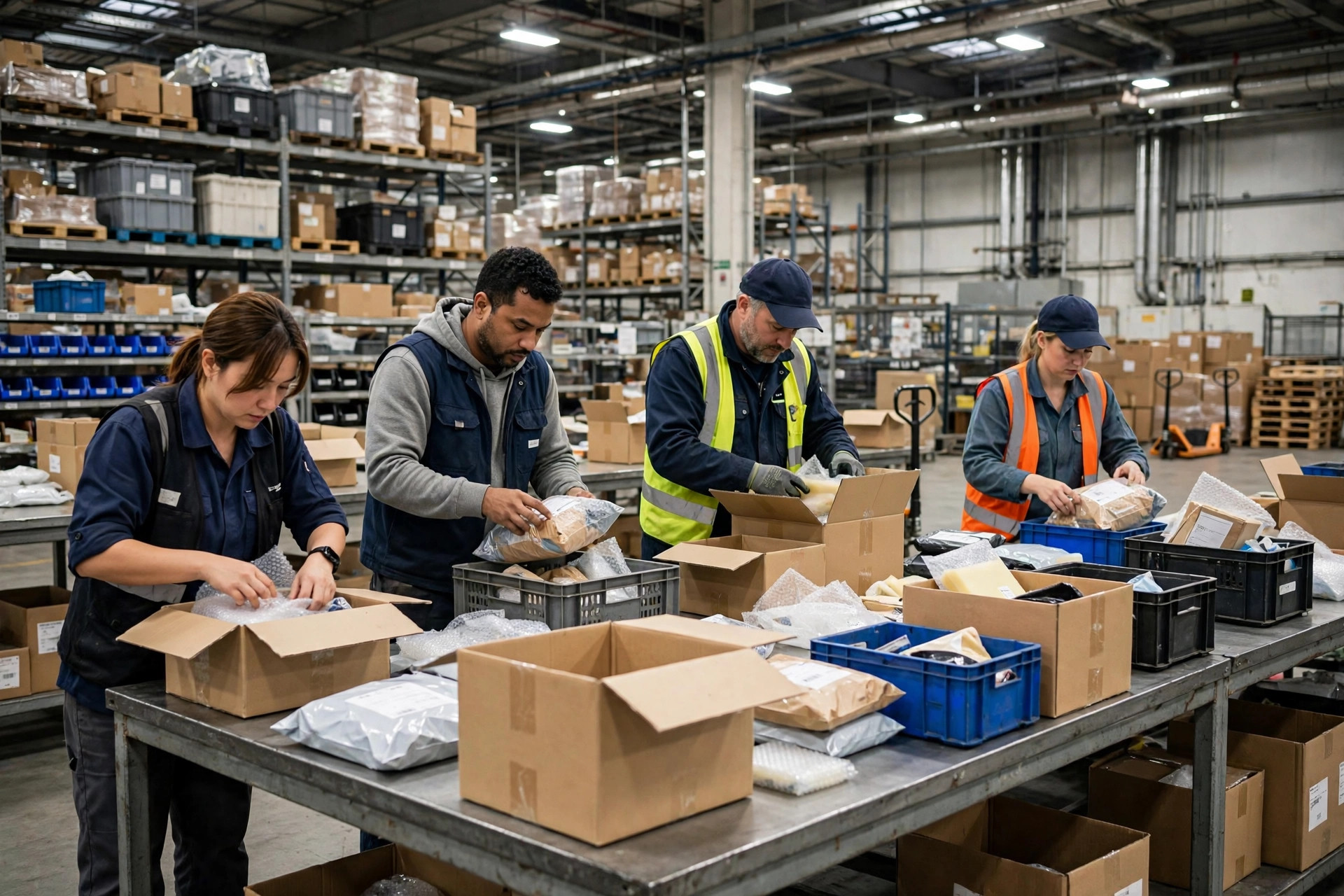
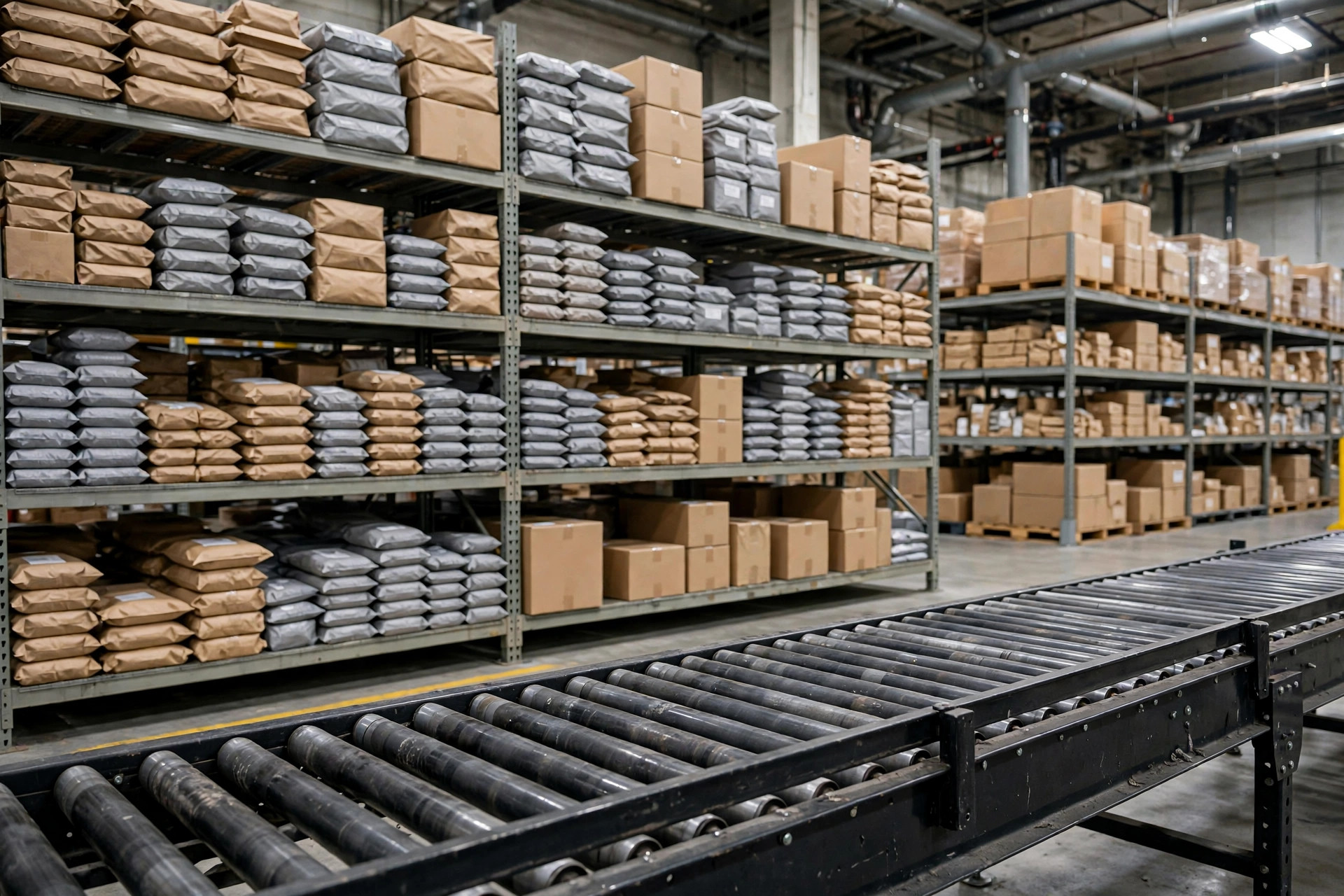
Local fulfillment looks like this: you ocean-freight inventory into the US in bulk, it lands in TikTok's own fulfillment network (FBT, Fulfilled by TikTok) or a third-party 3PL warehouse you picked yourself, and the US warehouse picks, packs, and ships each order. Your job shifts to "get stock into the warehouse ahead of time." The per-order grind belongs to the warehouse.
Sounds way easier? It is — but the price is inventory commitment. Cross-border, if a product flops, you just stop shipping it and the bleeding stops. Local, one ocean shipment is thousands of units, and if they don't sell, they sit in a US warehouse burning storage fees every single day.
My first ocean shipment went out in February 2025 — 2,000 units, and I rewrote the customs paperwork three times before it cleared. By June I'd sold just over 1,100. Nearly 900 units sat in a warehouse in Ontario, California. Storage plus dead stock tied up close to $15,000 of my cash. That's my store's numbers, not a benchmark — your mileage will vary a lot by category.
One caveat: FBT's inbound requirements and fee schedule change all the time. I'm not quoting rates here because they'd be stale by the time you read this — check TikTok Shop's official policy before you move.
Difference 2: Delivery Speed Is Scored, and Slow Gets Punished
The platform scores shipping performance. Late shipment and fake tracking numbers get penalized, and enough penalties cost you traffic and campaign eligibility. The exact scoring rules change, so check the official policy — but the logic never changes: slow equals fewer impressions.
During the 2024 holiday rush, my cross-border line got stuck in a 5-day backlog at the origin warehouse. My shop score dropped more than 4 points and organic traffic fell nearly 30% over the next two weeks. Recovery took a full month, and that month's ad spend was basically burned.
Local stores ship same-day or next-day from the US warehouse, with 2–5 day last-mile delivery. Buyers are happier, bad reviews drop, and returns drop too. My local store's return rate is a little over 4%; the cross-border store ran above 7%. And here's the kicker: cross-border returns often cost more in freight than the product is worth, so you just tell the buyer to keep it — a total loss. Local returns go back to the warehouse, get inspected, and can be resold.
Difference 3: The Unit Economics Look Completely Different
Here's my own math on that pet toy — $19.99 retail, about 0.5 lb per unit:
| Cost item | Cross-border (direct mail) | Local (US warehouse + FBT/3PL) |
|---|---|---|
| Inbound / first mile | Per-parcel direct line, priced per order | Ocean freight amortized across thousands of units |
| Storage | China warehouse, negligible | US warehouse billed per pallet or unit; dead stock burns cash |
| Last mile | International leg + US last mile bundled per parcel | Domestic US last mile, cheaper per unit |
| Returns | Brutal — usually abandoned | Returned to warehouse, resellable |
| Cash tied up | Low — ship as orders come | High — 30 to 60 days of forward stock |
The uncomfortable conclusion: per-unit fulfillment is usually cheaper for local stores. But the "total cost" of going local includes two monsters — cash locked in inventory and dead-stock risk. Cross-border costs more per unit but stays asset-light; when it fails, it fails small.
That's the trade-off, stated plainly: cross-border trades higher per-unit cost and slower delivery for lower risk and lower cash commitment. Local trades cash and inventory bets for speed, conversion, and lower per-unit cost. No free lunch — pick the price you can afford to pay.
Pitfalls: Ask Yourself 3 Questions Before Switching to Local
- Can your product's sell-through support 30–60 days of forward stock? Never move a slow, unproven SKU to local — it will bury you, no negotiation.
- Have you modeled the full chain — ocean freight plus US storage plus last mile? Comparing last-mile rates in isolation is a rookie move.
- FBT or a third-party 3PL? FBT is hands-off but rigid; a 3PL is flexible but you're the one managing it. Check current inbound rules and fees on the official site, and don't trust a broker's pitch deck.
One more trap people forget: a local store needs a US business entity and a US return address. Don't leave entity setup, tax, and compliance costs out of the math — that's several thousand dollars before you ship a single unit.
The Contrarian Take
Everyone says local is the future and cross-border is dead. I disagree.
Cross-border has one advantage local can never steal: speed to market on new and long-tail products. Your factory is next door — a new design can be listed and tested tomorrow. A local seller? One ocean cycle takes 25–35 days; they're a full month slower at testing. For high-margin, exclusive, niche products, cross-border sellers live comfortably — buyers will happily wait 10 days for something they can't get anywhere else.
Flip it: for commodity products, proven winners, and high-repurchase SKUs, it's a speed and price game. Go local and don't look back.
It's not one replacing the other. It's two different playbooks. Pick based on your product, your cash, and which risk you can stomach.
This actually worked for me: I run both now. The local store carries winners and repeat-purchase SKUs; the cross-border store tests new products and long-tail SKUs. When something tests well, I bulk-ship it by ocean and graduate it to local. Since I settled into this rhythm, this year's overall profit is way ahead of last year when I was pure cross-border.
By Ah K, E-commerce Seller (5 yrs)