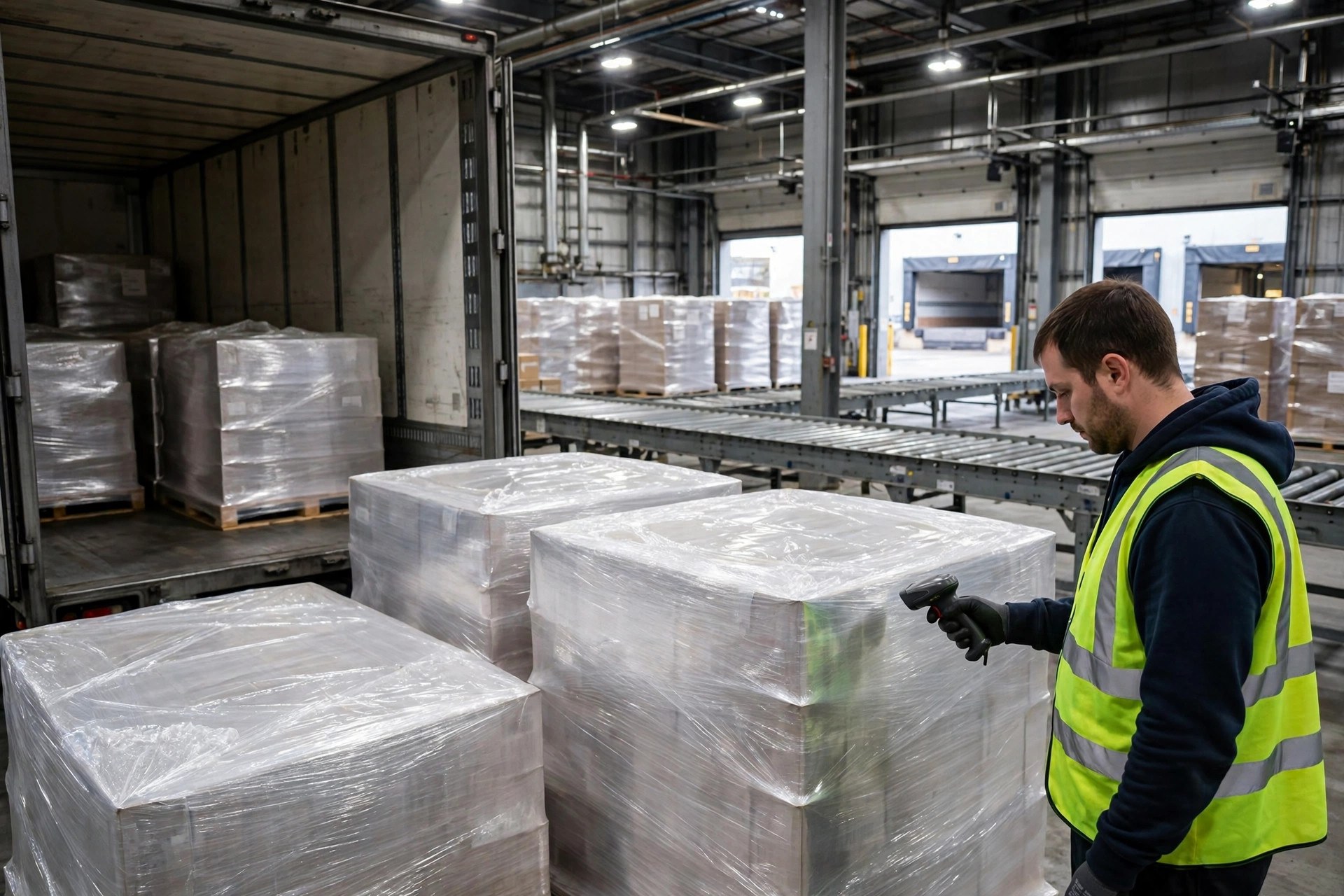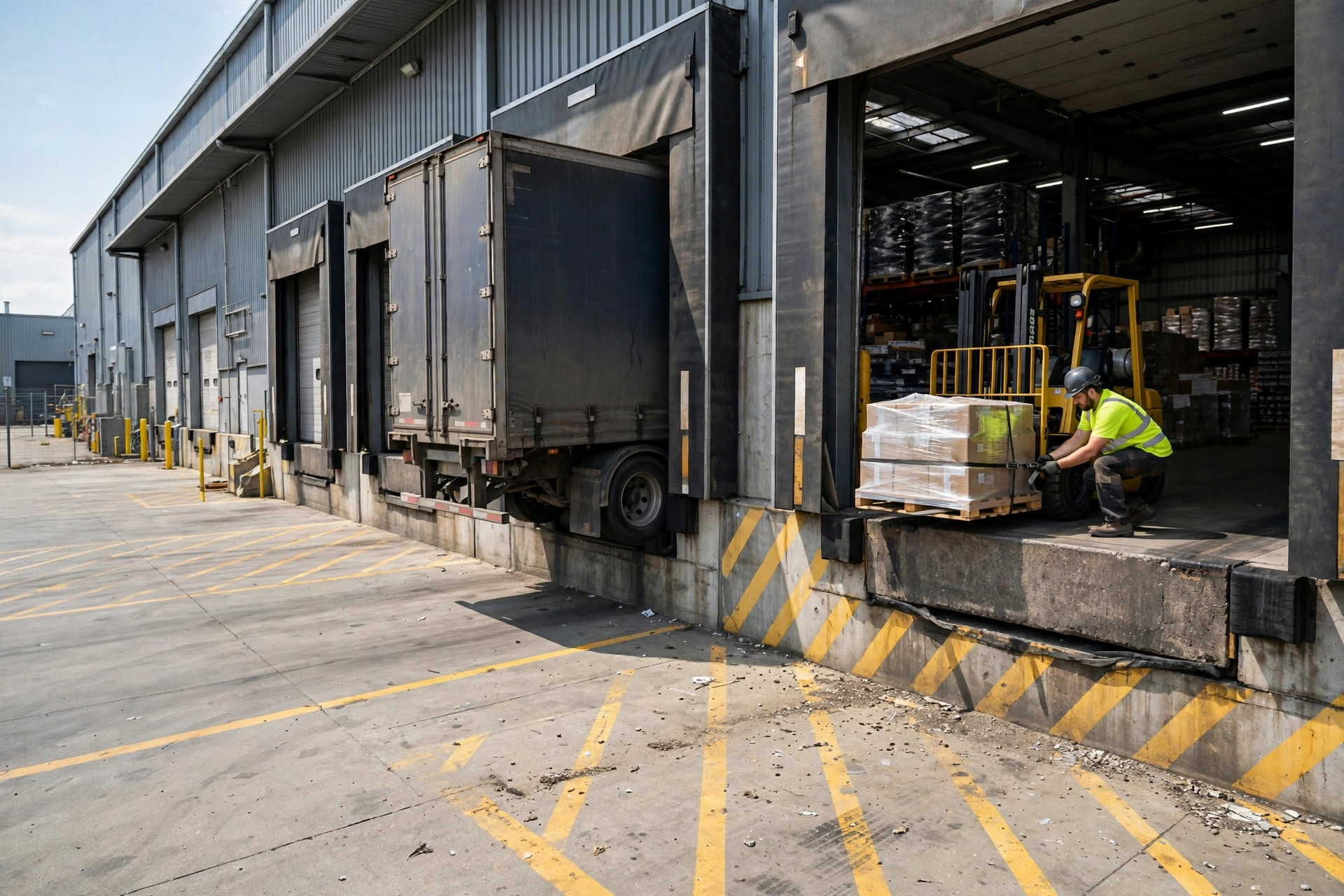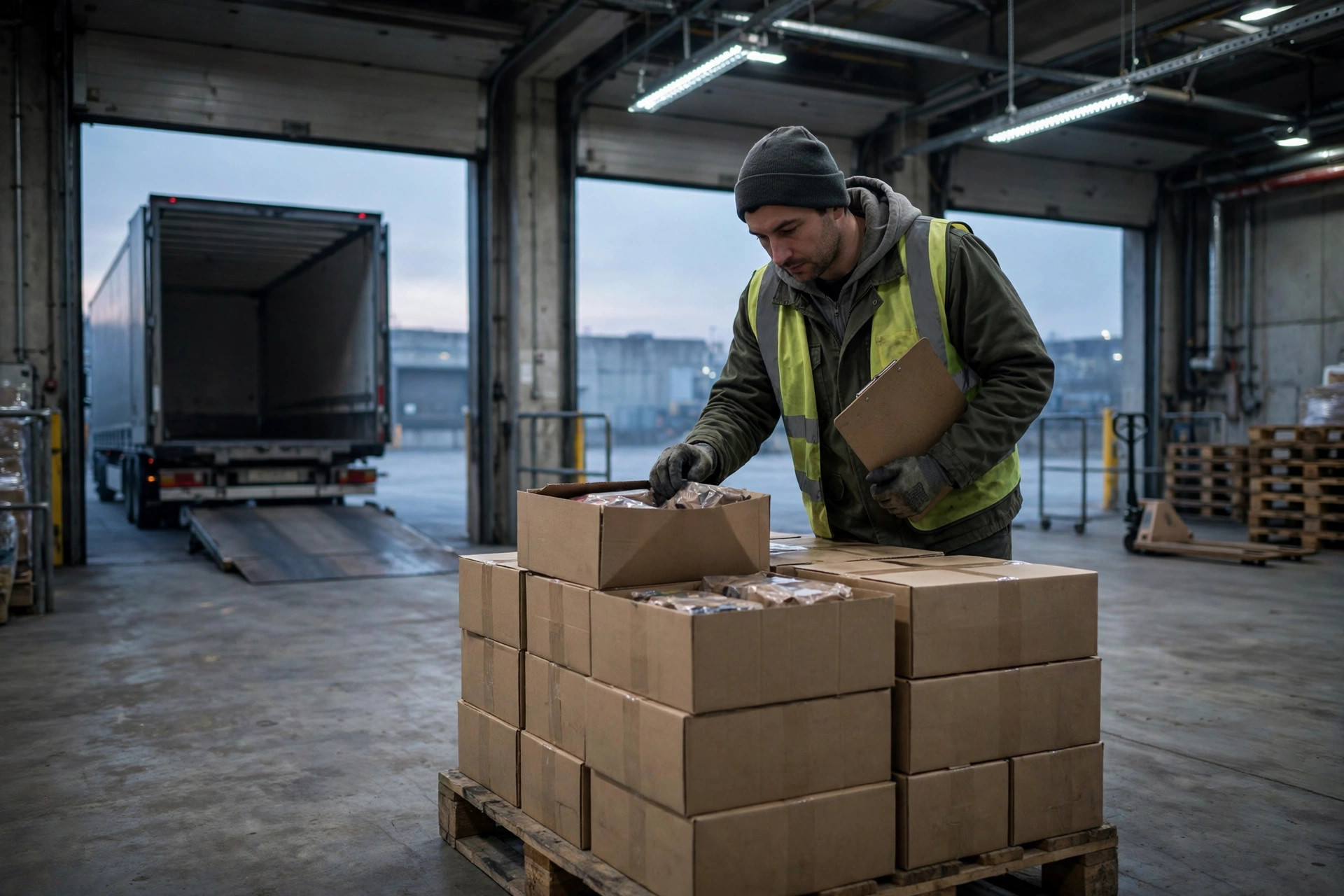
7:40 AM. I walk into the receiving area and Lao Zhao, our QC lead, stops me cold: "Boss, 800 cartons on this one. Incoming QC — full inspection or sampling?"
The truck rolled in at 6:30. The driver's half asleep in the cab, says he's got another pickup in Ontario. Eight hundred cartons are stacked on the dock like a small mountain — unloading alone takes over an hour. Full inspection means two people tied up until mid-afternoon. Sampling is faster, but last month's carton fiasco is still fresh: we sampled, passed the lot, and the cartons turned out too weak to stack four high. One stack collapsed, crushed 40-plus cartons underneath, and returns plus repacking cost us several thousand dollars.
Real talk: in all my years running warehouses, I've been asked "full or sample?" dozens of times. It sounds like a technical question. It's actually a math question. Here's our math, books open.
Full Inspection Broke Our Backs; Sampling Broke Our Nerves
Two scars taught us this lesson.
Scar one: sampling. Last November, peak-season buildup, a supplier we'd worked with for over a year sent 1,200 cartons of retail boxes. We sampled per routine and released them. Turns out the board was a grade thinner. Stacked four high, they buckled — not one or two cartons, a whole pallet stack. Forty-plus cartons underneath got crushed. E-commerce returns and bad reviews poured in all week, and I spent the week on the phone with customer service. The part that still burns: the supplier shrugged and said, "Well, your sampling said it was fine." I remember that sentence to this day.
Scar two: full inspection. This March, a new supplier's first shipment — 2,000 cartons. I ordered a full check. Four people, two full days. Three trucks backed up at the dock, drivers cursing in the group chat, and I had to borrow two people from the picking team, which delayed peak orders by half a day. And the kicker? Three days after the full inspection, we still found a mixed carton in the warehouse. Full inspection — for nothing.
Here's the thing: looked at alone, both approaches are right. And both are wrong.
The Math: What Full vs. Sampling Actually Costs
After the second scar, I had Lao Zhao run the numbers. Take a 2,000-carton shipment — all figures measured in our own operation:
| Full inspection | Sampling | |
|---|---|---|
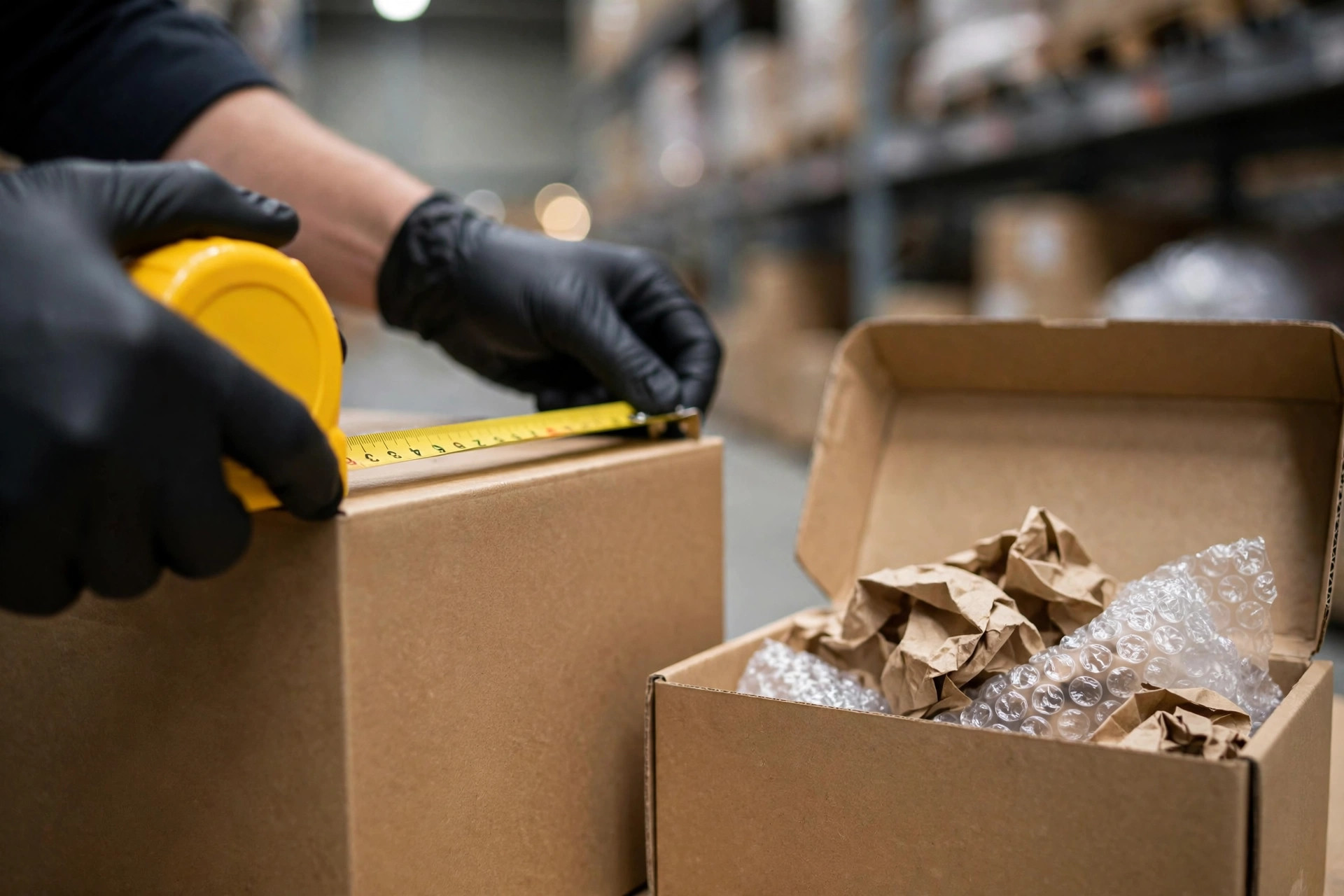
| Method | Open each carton, check appearance, count quantity, measure key dimensions — about 2–3 minutes per carton | Look up the sample size in the AQL table (for a 2,000-carton lot it's typically a hundred-plus cartons) and inspect each sampled carton to the same standard |
| Labor | ~80–100 person-hours — 4 people for 2 days | 6–8 person-hours — 1 person, half a day |
| Direct cost | Two days' wages for 4 people, plus dock occupancy and truck waiting time | Negligible |
| Miss risk | Low but not zero — by carton 300, the eyes aren't the same eyes that checked carton 30 | Statistical miss probability, but the method itself is sound |
| Biggest trap | The illusion that "we checked everything, so we're fine" | A clean sample doesn't mean a clean lot — and suppliers may relax if they know you only sample |
Note: I won't recite AQL table numbers from memory — tables vary by company. Look it up when you use it; never trust memory.
The counterintuitive conclusion: the biggest cost of full inspection isn't labor. It's the illusion that checking everything means missing nothing.
People aren't machines. Lao Zhao told me straight: after four straight hours, the eyes checking carton 300 are not the eyes that checked carton 30. Miss rates climb with fatigue. And sampling? We took the saved hours and spent them on two things: first-article verification and supplier grading. Those two are worth far more than touching all 2,000 cartons.
And here's the one that stings most: the most expensive option isn't full or sampling — it's flip-flopping. One incident and you switch to full; two quiet months and you drift back to sampling. Suppliers can't figure out your baseline, so their quality drifts with your standards. Everybody ends up exhausted.
Our Fixed Playbook for Incoming QC: Grade the Supplier First
Our playbook now has four steps, and it doesn't change.
Step one: first-article verification on every shipment.
Don't rush to unload. Open 3–5 cartons first. Appearance, quantity, markings — if any one of them is off, hold the whole shipment and call the supplier. If the first articles fail, there's no point inspecting the rest. This single step has saved us more wasted hours than anything else.
Step two: three supplier tiers.
Tier A: 2+ years working together, no batch incidents in the past year. Normal sampling.
Tier B: new suppliers, or ones that had minor issues and fixed them. Tightened sampling; first shipment gets a full check.
Tier C: suppliers with a batch incident on record. Full inspection, no exceptions. Want back to Tier B? Three consecutive clean shipments first.
Step three: two material tiers.
High-value or safety-critical materials get full inspection, always, regardless of supplier tier. Non-negotiable.
Step four: staff it like humans matter.
Two dedicated QC people; during peak we borrow 1–2 from the putaway team. Lao Zhao's first lesson for every rookie: "Check the corners first" — if a carton's corners are soft, you barely need to look further. And a hard rule: nobody does full inspection more than two days in a row. Using people like machines is just paying for missed defects.
Oh, and the drivers. They always push: "Hurry up, man, I've got another load." Lao Zhao's standard reply now: "You'll roll when we're done — you don't want to haul back a truckload of returns, do you?" The word "returns" usually ends the argument. We're all working stiffs; mutual respect, but the QC gate doesn't move.
A Heads-Up for Fellow Ops Managers
If you're stuck on "full or sample," three reminders:
First, stop agonizing over the method — grade your suppliers first. With grading done, the inspection decision makes itself for the vast majority of shipments.
Second, once the standard is set, don't wobble. Wobbling costs more than full-inspection labor ever will.
Third, QC techs are people. Don't schedule them like machines — a burned-out inspector is the same as no inspector.
That's how we run it in our warehouse. Might not be perfect, but the math is clear and the people are taken care of. How do you run it in yours?
By Chen Feng, Warehouse Operations Manager