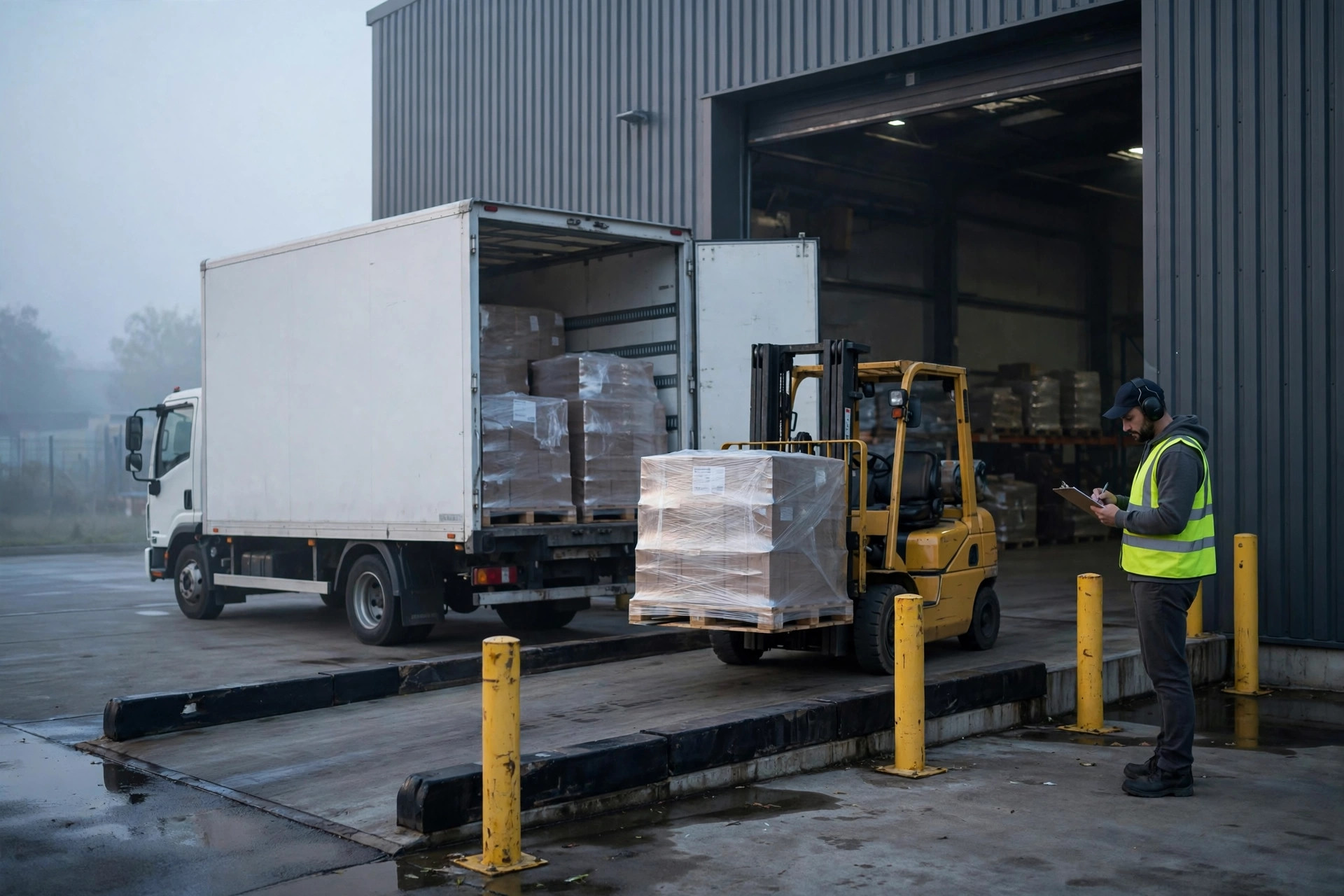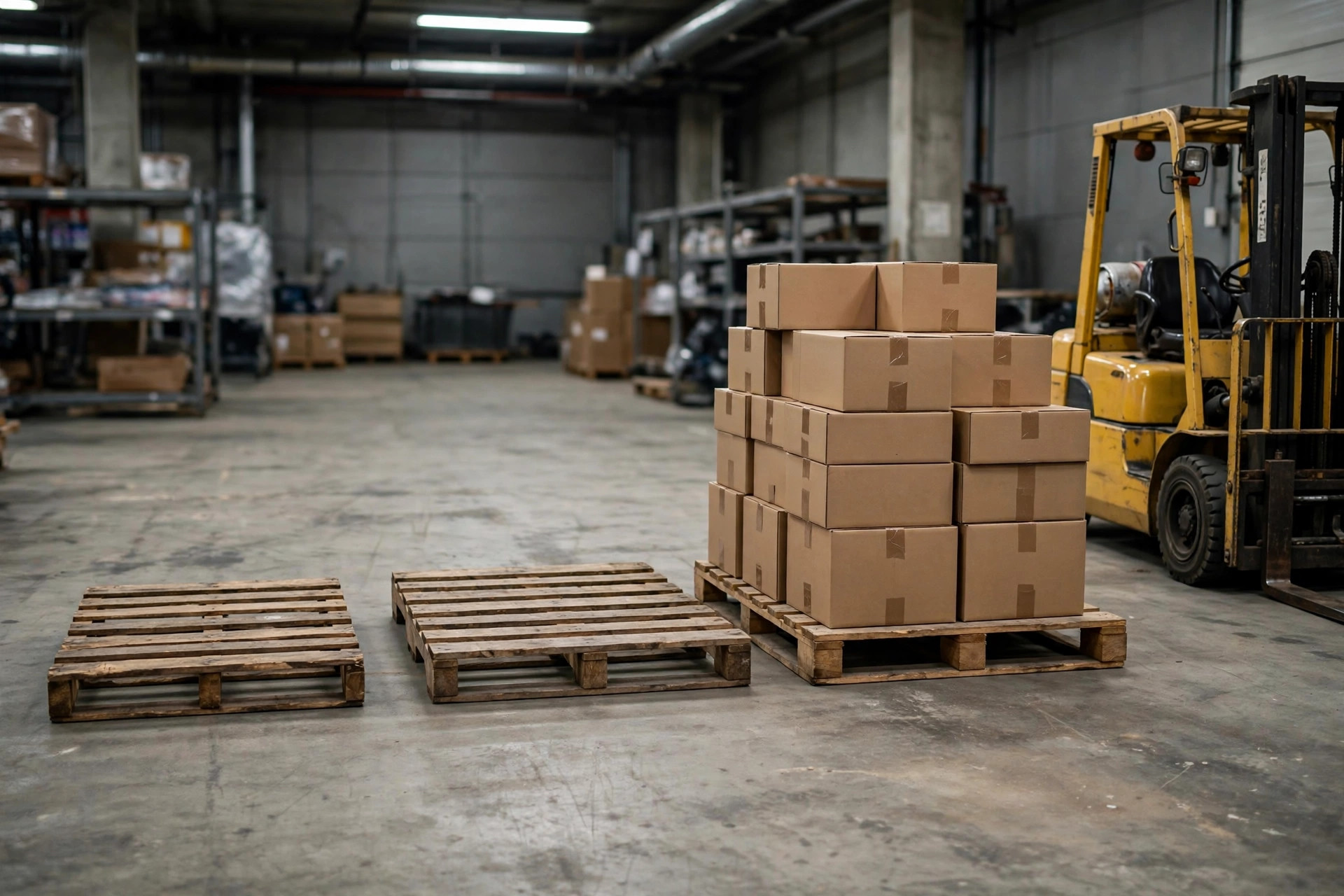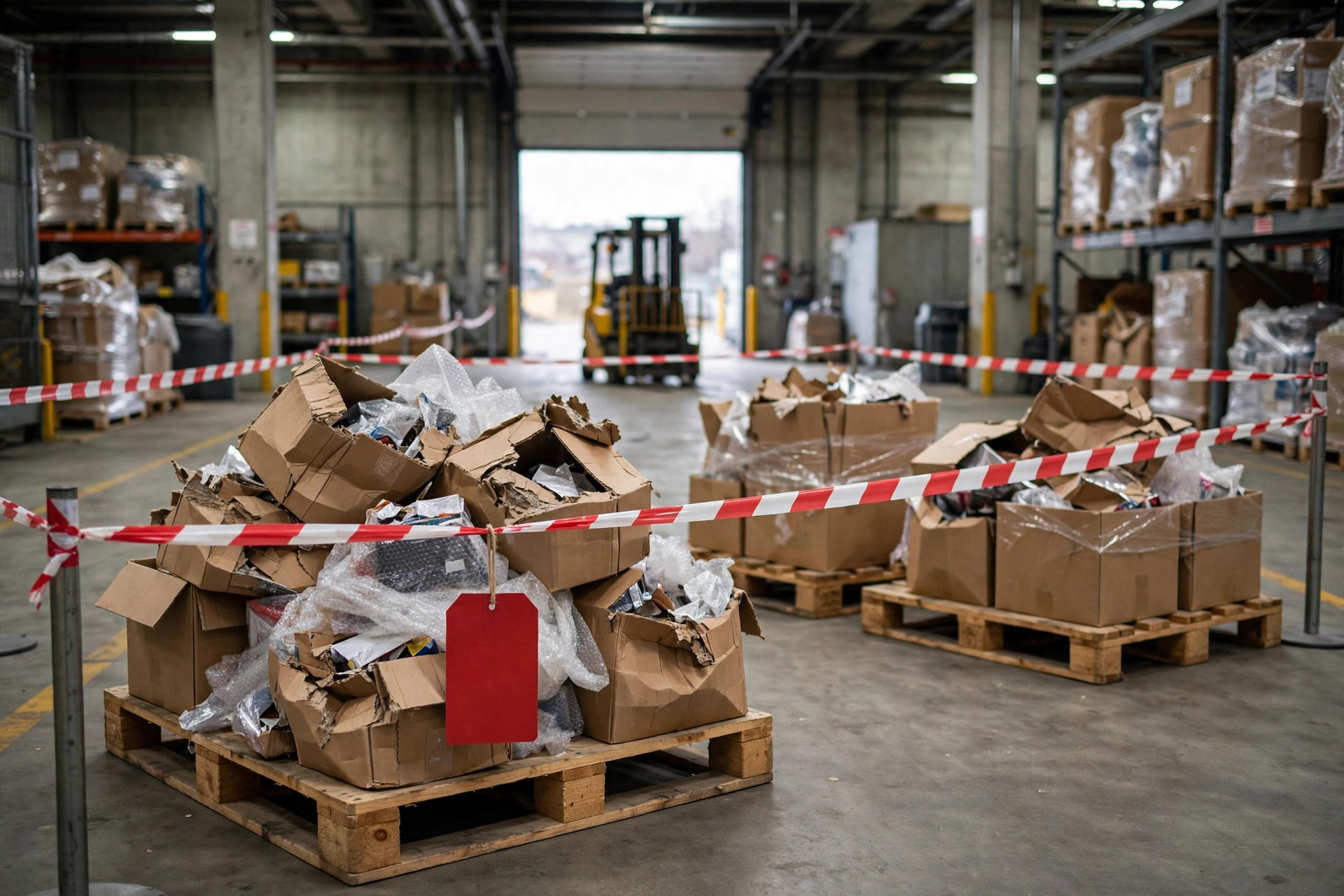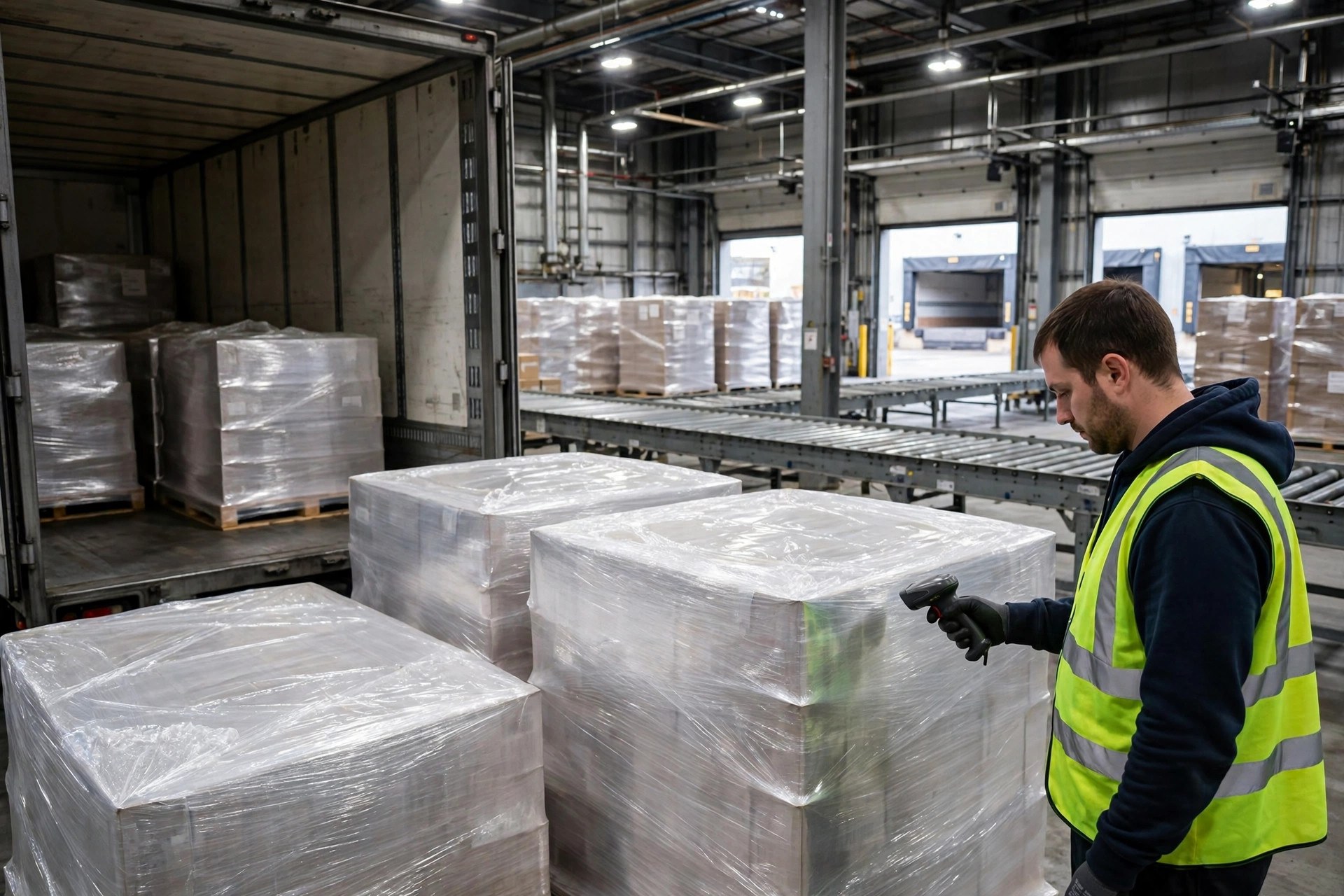
I have been driving trucks for fifteen years, and I can tell you this: an inbound appointment time window looks like a piece of paper at the gate, but it decides whether the whole day runs smooth or falls apart. One fall morning I rolled up to a warehouse outside Langfang at half past three. My appointment was for eight. The guard waved me off: too early, wait on the road. Seven or eight trucks were already parked along it, all early like me. At eight the gate opened, but the receiving crew was only two teams. Trucks went in one at a time, and by noon mine still had not been called. After all these years on the road, I have figured it out: an inbound appointment time window does not manage trucks. It manages how many hands are working in the warehouse, and when.
An Inbound Appointment Time Window Is Really a Staffing Schedule
Most warehouses schedule the window by asking when the gate opens and when the truck arrives. They never schedule the people. The crew clocks in at eight, three trucks show up at eight, and the same few folks have to unload, count, and drive the forklifts for all three. So the trucks queue, the crew sweats, and everybody curses everybody. I once talked it over with a supervisor. He said the crew roster and the appointment sheet were two separate pieces of paper, made by two different people. Appointments followed what customers asked for. The roster followed fixed shifts. Nobody ever laid the two side by side.
Two winters ago I delivered to a warehouse in Qingdao, appointment Tuesday at ten in the morning. I got there at nine thirty. Four trucks were already waiting, all four booked for ten. The morning crew was four people, and they also had to cover outbound. There was no way they could swallow four trucks at ten. My truck did not get unloaded until after one in the afternoon. Later that warehouse changed its ways. No more stacking appointments on the hour. One truck at ten, one at ten thirty, one at eleven, and the crew roster followed the appointments: on heavy days they put on an extra team. Next time I went, my ten o'clock appointment started unloading at a quarter past ten and finished in under an hour. What drivers hate is not waiting. It is waiting without knowing when it ends. Spread the windows out, line the crew up behind them, and the dock stops clogging.
Inbound Appointment Time Windows: What to Do When Trucks Arrive Early or Late
Anyone who runs long haul knows the road has its own ideas: traffic jams, road work, a slow loading dock at the shipper. Arriving right on time is luck. Early or late is normal. The two worst things a warehouse can do are these: turn every early truck away so the road fills up with parked trailers, or let late trucks cut the line so the drivers who showed up on time get punished.
| Situation | How the warehouse should handle it | What the driver should do |
|---|---|---|
| Early, and a dock is open | Bring the truck in and unload. | Check in right away. |
| Early, and no dock is open | Give a firm time: come back at this hour. | Write the time down, and be back a few minutes early. |
| Late, missed the window by a little | Push the truck back in line. Fit it into the next open gap that day. | Call from the road. The earlier you call, the easier it is to reshuffle. |
| Late, will not make it for most of the day | Rebook for the first slot next day. Do not squeeze it in. | Do not count on cutting the line. |
| Drop-and-hook | Drop the trailer; the warehouse unloads on its own schedule. | Confirm before you arrive that the site accepts dropped trailers. |
| Live unload | Unload in the booked window, then the truck leaves. | Stay close by. Be ready when they call you in. |
The rule behind the table is simple: never let one truck's surprise wreck the whole day's plan. An early truck that can be unloaded should be unloaded. One that cannot should get a straight answer about when it can come in, not a shrug. A late truck that missed its window goes to the back of the line. If there is a gap that day, use it. If not, book the first slot tomorrow. What kills the system is the on-the-spot exception: let this one in today, that one tomorrow, and the drivers who followed the rules pay for it.
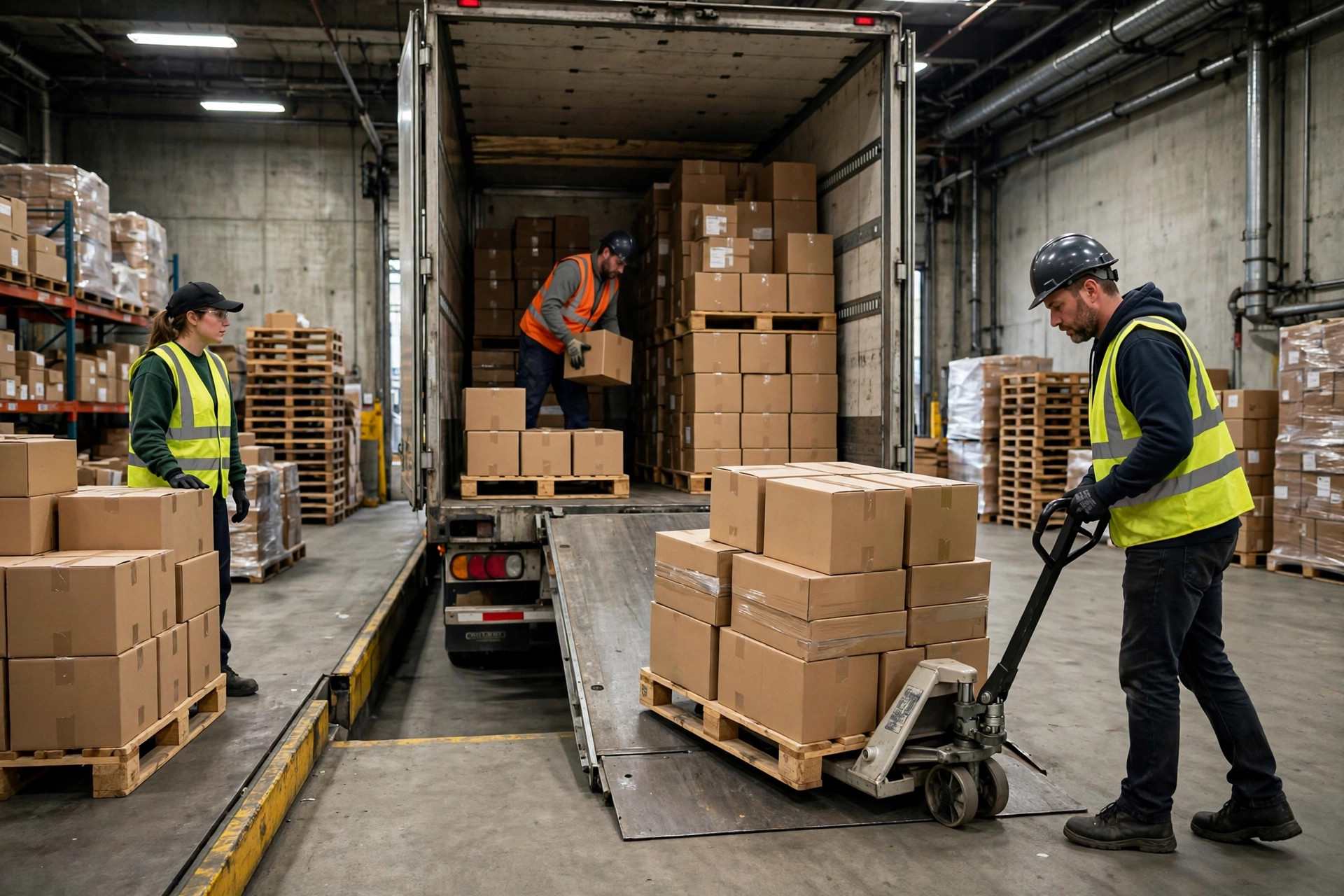
Drop-and-hook deserves its own word. Once I hauled a load to a warehouse in Jiaxing. The shipper had booked a live unload. When I got there, the crew was still working the previous truck and nobody was free. I said, let me drop the trailer, I will take the tractor and go, you unload whenever you are ready. The supervisor said no. That site only did live unloads, and there was nowhere to park a dropped trailer. I sat there for over four hours. Later I learned their yard was small, and a dropped trailer would block other trucks coming in and out. Big yards love drop-and-hook: the trailer drops, the tractor goes off to the next load, the warehouse unloads at its own pace. So before you book a window, ask one question: does this site take dropped trailers? If yes, you can book tighter windows. If no, leave real unloading time in the schedule, and never book two trucks into the same hour.
Peak-Season Discipline for Inbound Appointment Time Windows
Peak season is when every rule starts to bend. Shippers push freight out the door, carriers want an extra run, and the warehouse wishes it could receive two days of freight in one. The worst yard I ever saw had twenty trucks on the appointment sheet on a peak-season day and still ran the usual two receiving teams. The queue backed up onto the main road, and the traffic police showed up. After that, the supervisor drew a hard line: peak-season windows were booked to match receiving capacity. When the day was full, the next truck booked tomorrow, no matter who called in a favor. A truck that missed its window by a wide margin got pushed to the next day, no squeezing in. The first week everybody complained. By the second week the drivers were calmer: the booked time meant something, and nobody had to show up half a day early to hold a spot in line.
Then there is the ASN, the advance shipping notice. That is the shipper's heads-up to the warehouse before the driver even leaves: which day, what time, how many trucks, what freight. I have seen shippers send a notice with nothing but a date on it. The warehouse cannot build a roster from a date. Five trucks show up in the morning, none in the afternoon, the crew is run ragged by noon and idle by three. Put the details in the notice and the warehouse can line the windows up with the crew. Drivers: if you are going to be late, one call from the road lets the warehouse hand your gap to another truck.
A time window is not a gate pass. It is a schedule of what the warehouse can actually receive. You are booking capacity, not a parking spot. Shippers booking a window should ask the warehouse: how many people on the receiving crew that day, how many forklifts, how many trucks can you unload? Warehouses setting windows should look at when the crew starts, how many hands, how long one truck takes. If those two sides do not match, the window is just paper.
A word to shippers: when you send the ASN, do not just put the date. Put the time, the truck count, the freight, and whether you need a live unload. A word to warehouses: the appointment sheet and the crew roster have to be one sheet. Whoever books a window has to make sure there are hands on the dock when that window comes. Once a window is booked, honor it. One on-the-spot exception breaks the rule for everybody.
Fifteen years on the road taught me this: what clogs a warehouse gate is never the trucks. It is the work that was never scheduled. Get the windows straight, line the crew up behind them, and trucks come and go like they should. There is an old saying among drivers: slow is fine, standing still is what kills you. A truck rolling down the road earns money. A truck parked at the gate burns it.
By Shifu Zhao, Trucking Veteran (15 yrs)