Amazon changed the rules again. And this time it hit inbound. Starting January 1, 2026, Amazon's US fulfillment centers stopped offering all prep and labeling services. Read that again: the warehouse used to fix your crooked labels and bad boxes for a few cents a unit. Now nobody fixes anything. Non-compliant shipments just get hit with the Amazon FBA inbound defect rate — averaging $0.60 a unit, and several dollars a unit for larger items.
Here's my take up front: in 2026, inbound compliance isn't a "nice to have." It's the line between profit and bleeding out. One bad shipment, and the defect fee is the least of your problems. The real killer is rejection — your whole shipment turned away at the dock, hauled back, reworked, and rebooked while your listing sits out of stock for two weeks.
What the Amazon FBA Inbound Defect Rate Actually Charges For
Amazon calls it the inbound defect fee, and it replaced a handful of smaller charges from previous years. It fires in two situations.
First: the freight doesn't arrive as promised. Late, wrong warehouse, never showed up — about $0.60 a unit on average. Second: it arrives but it's non-compliant. Bad packaging, wrong labels, missing prep — charged by size tier, roughly $0.32 to $5.72 a unit for standard sizes, more for bulky items. The tiers move around, so always check Amazon's current published schedule before you model anything.
Quick math: a 500-unit shipment with a systematic labeling error costs you $0.60 × 500 = $300 in defect fees, deducted straight from your account. Sounds survivable? That's just the fee. If the shipment gets rejected, you're paying to haul it back to a prep warehouse, relabel everything, rebook the truck, and grab a new appointment slot. Two weeks gone. In Q4, two weeks out of stock costs you many times the fee itself.
Here's the counterintuitive part: the 2026 inbound defect rate isn't really about the money. It's about Amazon removing the safety net. Their prep service used to be the last line of defense. The net is gone, and all the compliance pressure landed on sellers overnight. Anyone still shipping with a 2025 mindset is going to pay tuition this year.
Minefield One: Packaging Is Stricter Than You Think
My own scar first. September 2025: a 400-unit shipment of small home goods going from my LA prep warehouse to FBA. The factory used recycled cartons to save money. A few corners got crushed in transit. My forwarder said "Amazon will take it." They didn't. The receiving team flagged the deformed cartons and rejected the entire shipment.
That one cost me three ways: deadhead trucking, rework labor at the prep warehouse, and six days waiting for a new appointment. The worst part was 12 days out of stock — my listing dropped two pages, and it took two more weeks of ad spend to climb back. Since then I have one iron rule: cartons going to FBA must be new boxes, zero crushed corners.
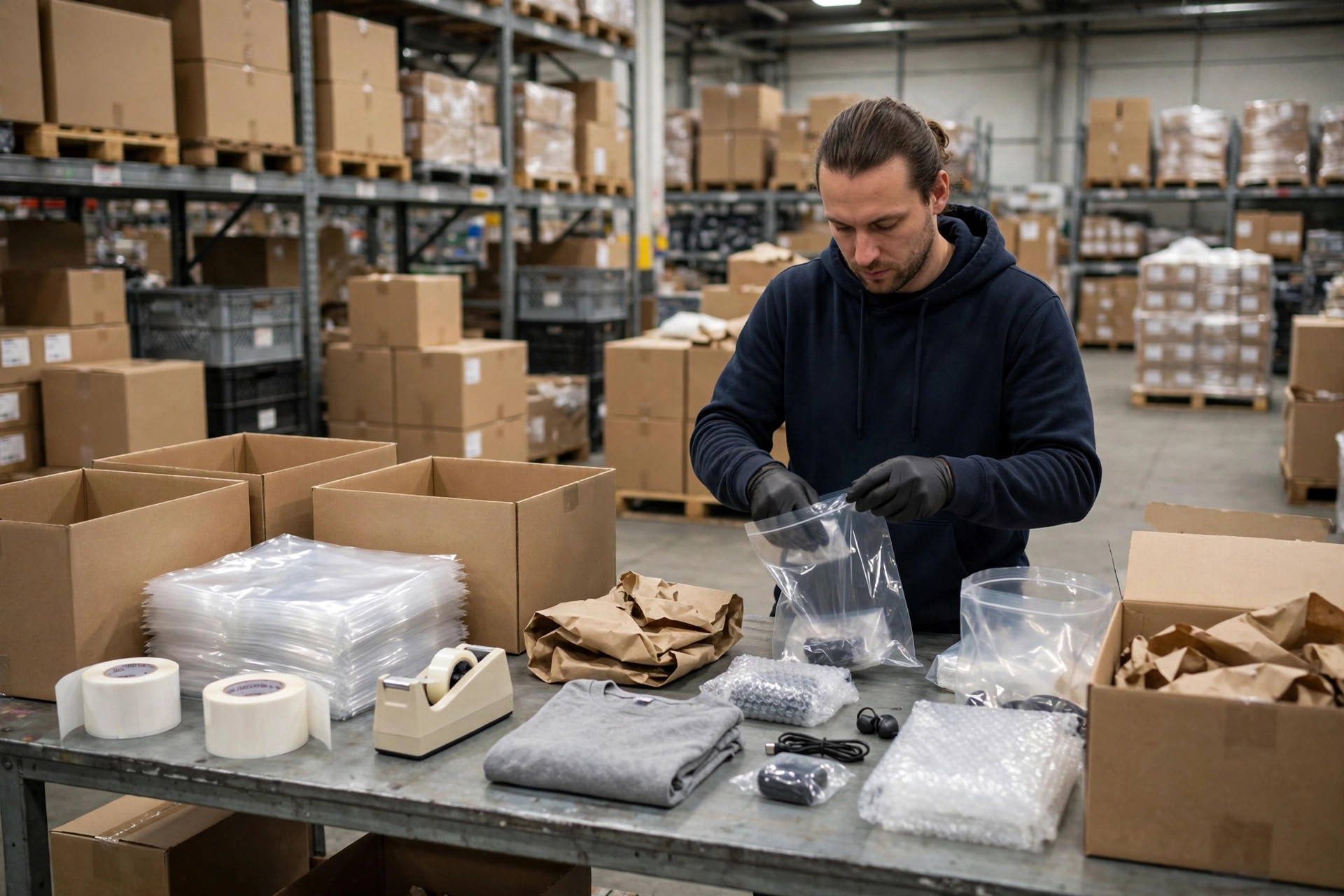
The hard lines on packaging: standard cartons can't exceed 50 lbs, overweight gets rejected on sight. Palletized shipments have strict pallet specs, stretch-wrap rules, and carton label placement — no overhang past the pallet edge. Prep requirements for fragile items, liquids, and powders (suffocation warnings on poly bags, for example) are non-negotiable. Every ASIN's prep requirements show up when you build the shipment plan. Spend ten minutes checking them before you pack, and you'll save thousands later.
Minefield Two: Labels — A Wrong FNSKU Is the Most Expensive Mistake
Labels are the most expensive minefield in 2026 because nobody will relabel for you anymore.
A 3PL in the industry shared a real case: a mid-sized electronics seller was getting about 12% of inbound units rejected over labeling and prep issues — unscannable barcodes, wrong carton labels, mixed labeling standards across SKUs — then doing "emergency surgery" at the US warehouse right when inventory needed to go live. They moved the entire FBA prep and labeling SOP upstream into their China warehouse, with per-SKU packing rules and carton-level QC before the container ever left origin. Rejections dropped under 2%, and the first three containers alone saved them over $5,000 in rework, relabeling, appointment rescheduling, and storage.
One lesson from that case: label problems have to be solved before the freight leaves origin. Once it's on the water, you have no second chance.
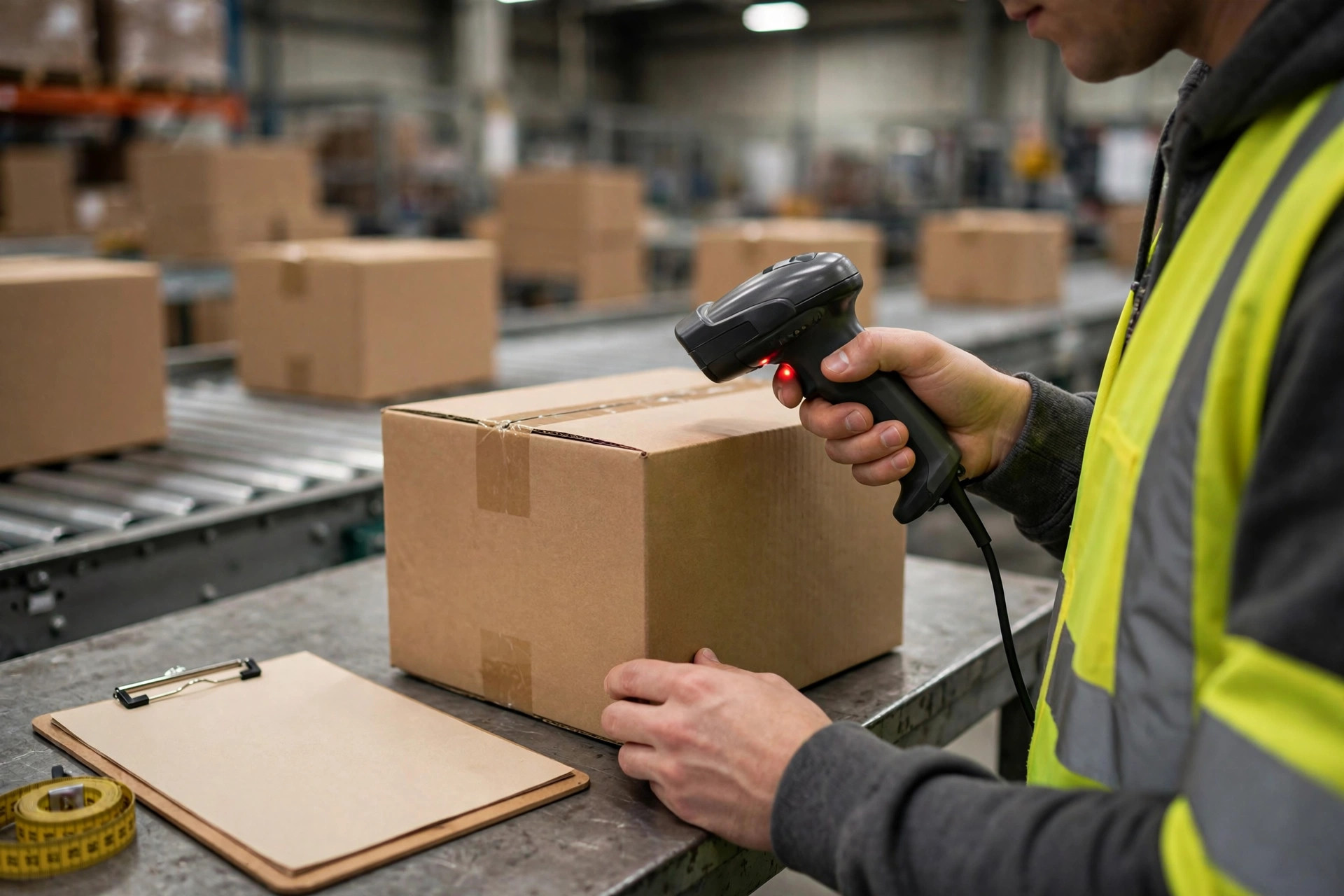
My process now has three gates. Gate one: the factory sends me photos. The FNSKU goes on a flat carton panel — never over the packing tape, never on a seam. Gate two: the forwarder's warehouse scans 10% on receipt. If the scanner can't read it, it doesn't ship. Gate three: I personally verify carton labels against the shipment ID when building the plan. Sounds like a lot — once it's routine, it adds half an hour per shipment. Compare that to a rejection.
And remember: Amazon's US labeling service ended January 1, 2026. The "ship it and fix it later" mindset has to die. A wrong label now means a fine and a rejection, not a do-over.
Minefield Three: Appointments — 30 Minutes Late Means Rejected
A lot of sellers treat the delivery appointment as a formality. It's not.
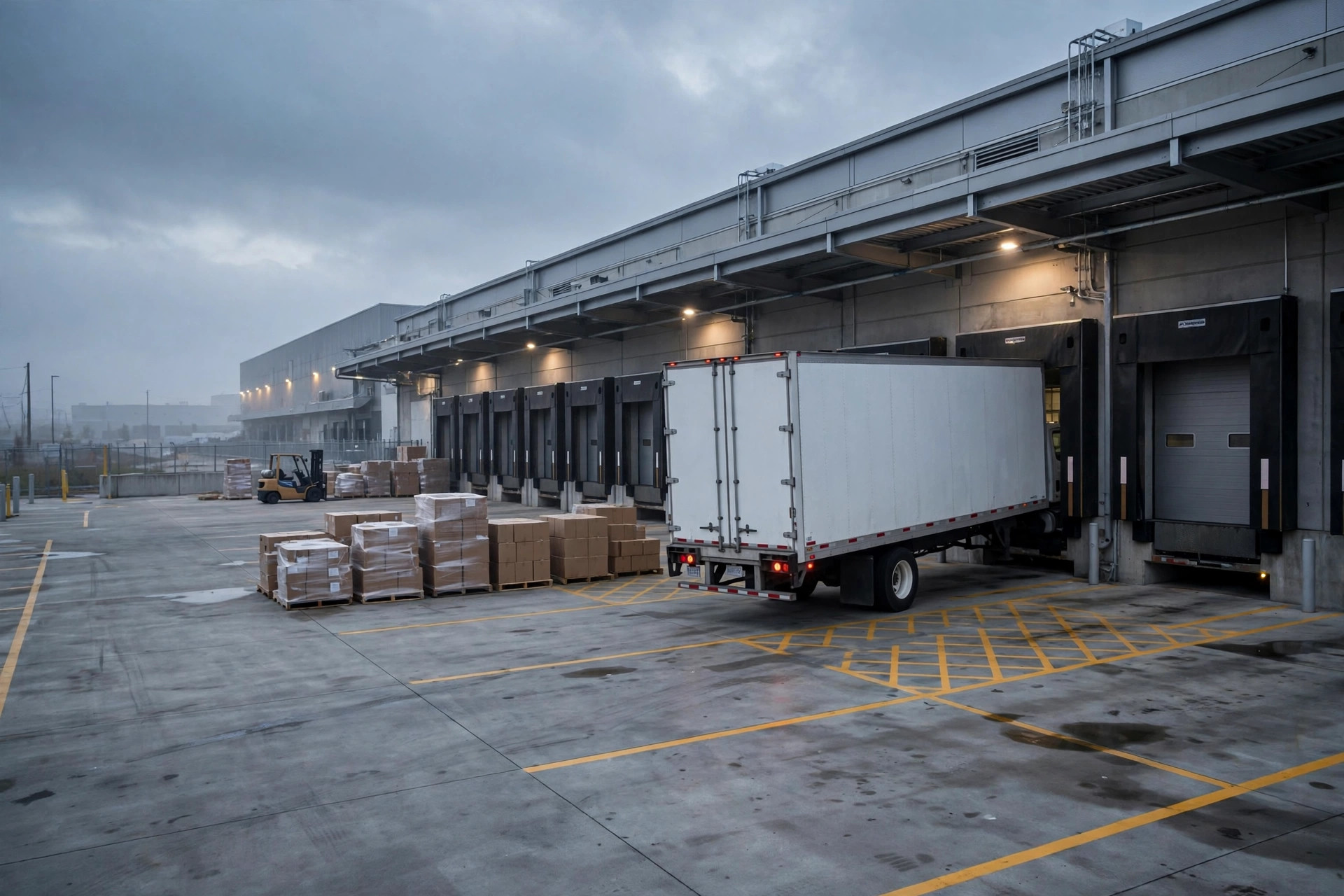
Amazon receives by appointment slot. If your carrier misses it by 30 minutes or more, the warehouse can refuse the shipment outright. No booking, too early, too late — all valid reasons for rejection. Wrong vehicle type (they need rear-unload access and you show up with a side-loader), inaccessible pallets, missing delivery paperwork — same result.
I learned this in November 2025, peak season. The truck hit traffic on the way to ONT8 in Ontario, California and arrived half an hour late. Rejected. The driver sat at the gate for three hours, then hauled everything back to the forwarder's warehouse. The new appointment was five days out. Five days of ad spend burning while the listing sat dead.
My rule for forwarders now: book the FBA truck to arrive two hours early and wait nearby. Never cut it close. Early arrival means parking and resting. Late arrival means no second chance. In peak season (October through December), slots book out — plan a week ahead, not the day before.
My Pre-Shipment Checklist: Keeping My Amazon FBA Inbound Defect Rate at Zero
I've condensed the three minefields into one checklist I run before every shipment:
| Check | Standard | Owner |
|---|---|---|
| Cartons | New boxes, no deformation, no damage | Factory / prep warehouse |
| Carton weight | ≤ 50 lbs | Weighed at packing |
| FNSKU placement | Flat panel, not over tape, scannable | Labeler + 10% scan audit |
| Carton labels / shipment ID | Match the shipment plan | I verify personally |
| Prep requirements | Checked per ASIN (poly bag warnings, etc.) | When building the plan |
| Appointment slot | Confirmed, driver arrives 2 hrs early | Forwarder |
| Delivery paperwork | BOL and packing list on the truck | Forwarder |
I've run this checklist for the better part of a year. Inbound first-pass rate: basically 100%, and my Amazon FBA inbound defect rate sits at zero. The 2026 rule change removed Amazon's safety net, which made inbound compliance a core seller skill. Sellers with solid fundamentals won't pay a cent of Amazon FBA inbound defect rate fees. Sellers still running on "ship it and see" will watch the fines eat straight into margin.
Tested it myself and it works. If you've been hit with a defect fee, tell me in the comments which minefield got you.
By Ah K, E-commerce Seller (5 yrs)