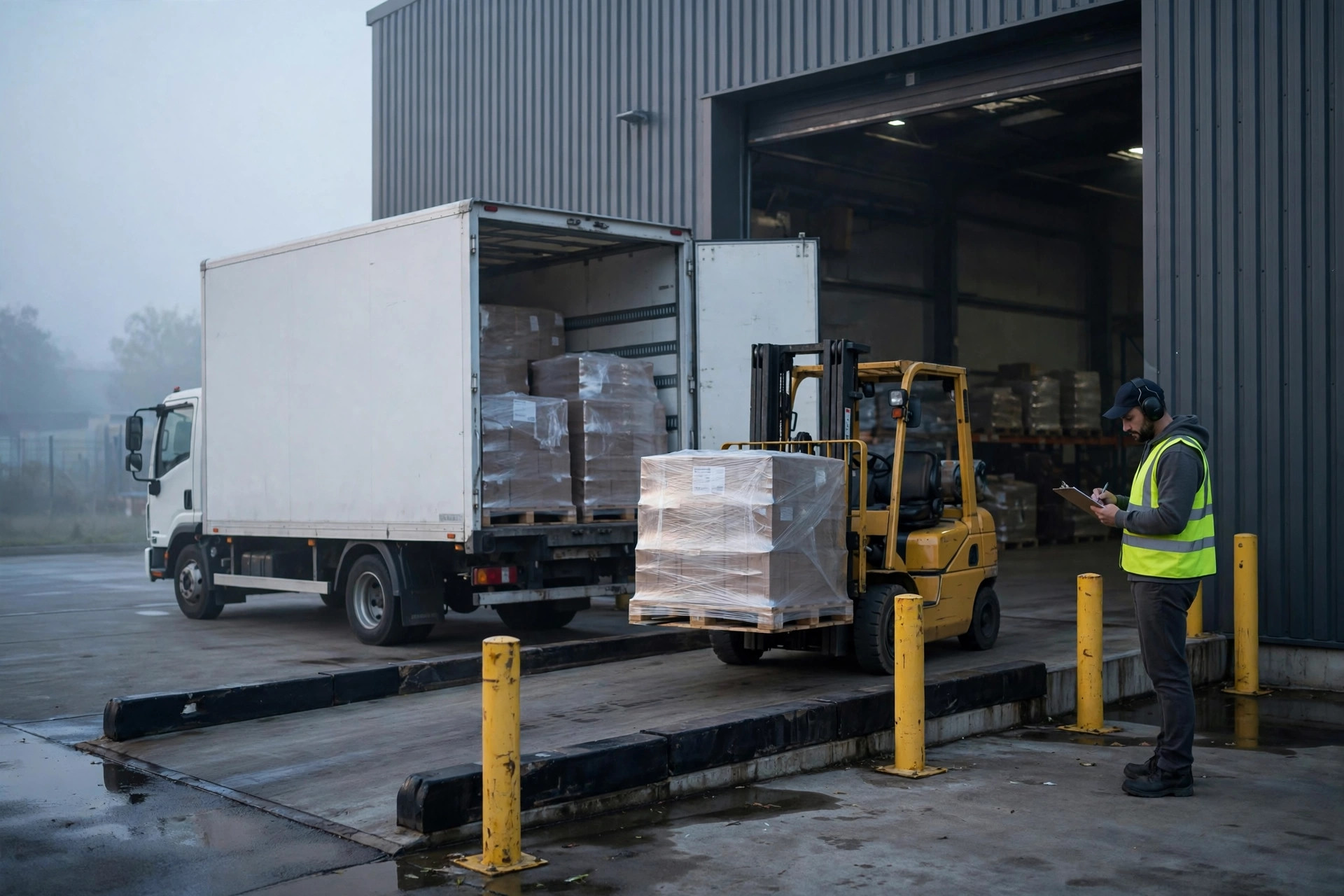
We had a client, a small home-appliance brand, that nearly got into a shouting match with its supplier right outside the warehouse. A shipment of electric kettles arrived, and a spot check found hairline cracks along the seam. The defect rate was not huge, but nobody wanted to sign off saying the rest of the batch was fine. The supplier's rep said the cracks were cosmetic and we should just start selling. The purchasing manager refused: if those kettles reached consumers, who would pay for the returns and bad reviews? Both sides dug in for two days while the pallets sat in receiving. That is when I realized most companies treat a return to vendor RTV warehouse process as little more than "call the supplier and tell them to come pick it up." Very few actually run it as a process.
An RTV looks like a return. Underneath, it is an allocation of responsibility. Inbound goods fail — damaged, short-counted, defective — and you have to decide whether to send them back, how to send them back, who pays the freight, and how the books get cleaned up. The warehouse executes the move, but whether you lose money on it was usually decided months earlier, in the contract language, and in whether anyone kept evidence along the way.
Return or Accept? Do the Math First
Let me tell you about another client, a home-goods seller. They bought shelving units from a new supplier, and the contract allowed a full-batch return if damage crossed an agreed threshold. It did — but the damage was minor edge scuffing that disappeared once assembled. The warehouse supervisor wanted to return the lot; the sales director wanted to accept it because a promotion was starting and a stockout would cost far more. They accepted, negotiated a discount on the damaged portion, and got replacement parts. Both options were compliant. The only question was which cost less.
So my first rule is: before you stamp anything "non-conforming," run three numbers.
First, the cost of returning. Who pays the return freight? How long will a replacement take? How much dock and storage space is this batch eating while it sits there? If the supplier is far away, round-trip freight plus a second round of inspection labor can easily eat the margin on the whole order.
Second, the cost of not returning. If you accept with a concession, will these units create downstream trouble? Will e-commerce return rates climb? Will complaints, marketplace penalties, and brand damage pile up? Those hidden costs are often far larger than freight. That is especially true for anything electric, or anything that touches food. Once a quality flaw leaks out to consumers, the cleanup bill multiplies.
Third, the relationship cost. Is this a long-term supplier or a first-time vendor? Is this a one-off slip or a pattern? Returning a full batch on a first order usually means the supplier bakes the risk into the next quote. Giving a reliable long-term partner some grace on a rare mistake can buy you faster replenishment next time.
I use a simple decision table with clients, and it turns most "return or accept" fights from emotional arguments into arithmetic:
| Situation | Suggested action |
|---|---|
| Defect affects safety, compliance, or core function | Return firmly, no concession |
| Cosmetic-only flaw, does not affect use, and you urgently need stock | Accept with discount plus replacement parts |
| Short count, mixed batches, wrong labels | Quarantine and photograph first, then confirm replenishment or return with the supplier |
| Same supplier repeats the problem in a short window | Return, and trigger a supplier review — do not treat it as a one-off |
That table is not gospel, but it forces everyone to price the same trade-off. Most warehouse-versus-purchasing arguments happen because each side is only counting its own cost.
The RTV Process Is Five Steps, and Every Step Has a Trap
Disposition, quarantine, notification, return paperwork, and financial settlement. Five steps that sound simple. Each one hides a trap.
Disposition is where evidence matters most. Who made the call, against what standard, at what sample rate, with what photos or video? All of it needs a written record. The most expensive failure I have seen goes like this: the warehouse tells purchasing verbally the batch is bad, purchasing tells the supplier verbally to come pick it up, the supplier shows up and says it looks fine. With no record, the warehouse has to unpack and re-inspect everything. Disposition is not a sentence. It is a record with a time, a place, a decision-maker, a basis, and images.
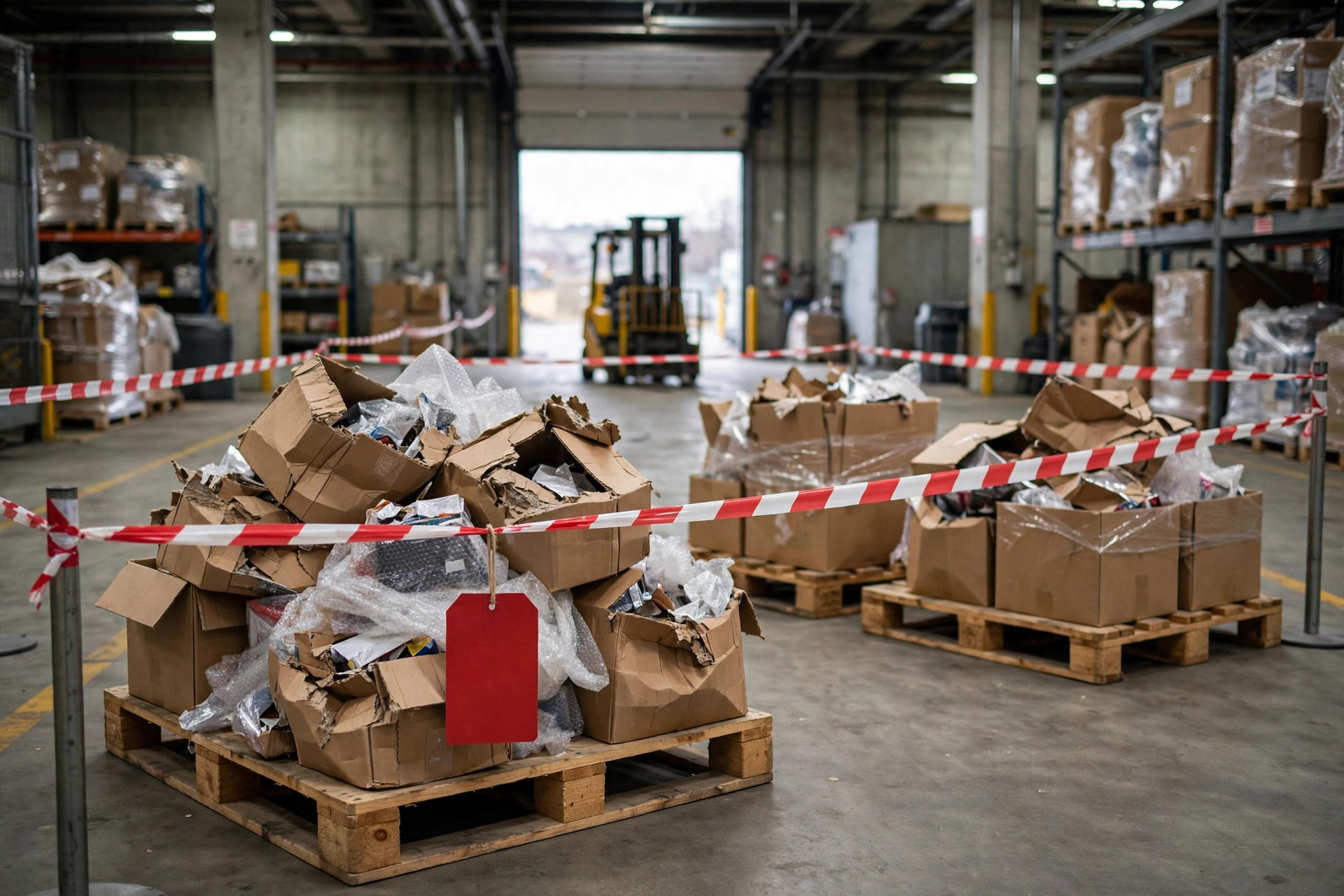
Quarantine comes next, and it is the step people skip most often. Non-conforming goods must be physically separated from good stock, and locked in the system so they cannot be picked and shipped by accident. One client learned this the hard way. A batch marked for return was temporarily stacked next to good stock because the quarantine area was full. A night-shift picker misread the label and shipped more than a dozen orders from it. Customer service spent the next day apologizing. A full quarantine area is not an excuse. Rope off a temporary zone, post clear signage, and change the inventory status to locked — all three, at the same time, no exceptions.

Notification is about form. A phone call can start the conversation, but the formal notice has to be in email or a system document, stating the batch, quantity, problem description, disposition basis, and the expected response deadline. Verbal notice has no audit trail, and "I never got it" is a perfect defense. Put a response deadline in writing, and spell out what the warehouse may do if the supplier misses it. That one sentence changes the whole dynamic.
Return paperwork is step four. An RTV outbound move needs its own return document, never mixed into normal outbound orders. The document should show the return reason, quantity, batch, carrier, and tracking number, ideally with loading photos attached. Before the truck leaves, the warehouse and the carrier count together and sign. Once the goods leave the dock, responsibility moves with them, and an unsigned handover is the same as no handover.
Financial settlement is the last step, and the one that drags longest. The goods are gone, but the books still show them. Purchasing must confirm whether the payment comes back as a refund, a credit against the next order, or a replacement shipment, and inventory and payables must be adjusted in the same cycle. I have seen RTV goods leave months earlier while the system still showed them on hand. The RTV loop does not close when the truck leaves. It closes when the books are clean.
Who Pays Freight and How the Books Clear Belongs in the Contract
Here is the insider part, the thing that causes most RTV disputes: the root cause is rarely in the warehouse. It is in the contract, signed months before, that never spelled out the details.
Too many warehousing and purchasing contracts say only "defective goods may be returned." Who pays return freight? Who pays inspection cost? How long does the supplier have to respond? What happens if the supplier never shows up? None of it is written down. When trouble arrives, the 3PL warehouse sits in the middle, purchasing says "just send it back," the supplier says "first prove it is our fault," and the warehouse takes heat from both sides.
Here is the counterintuitive part: returning faster is not always cheaper. Some companies treat a fast return as a sign of strong execution, so the moment goods look bad they ship them back. The supplier has not finished its internal process, nobody at the other warehouse accepts the delivery, and the goods come right back. Two round trips, all on your freight bill. The cheaper sequence is often slower: disposition with evidence, written notice, agreement on who pays freight and by when, then ship. A half-step delay can save real money.
Another detail only the vendor side usually knows: freight responsibility should be written as "the responsible party pays," not as a blanket "the supplier pays." Some defects happen in transit, which makes the carrier responsible, not the supplier. Make the supplier pay for a carrier-caused defect and the argument starts all over again.
Financial settlement deserves the same treatment. The contract should pre-agree the menu — refund, credit against the next order, or replacement — and when each one applies. Without a written credit window, the next order arrives and the supplier says, "I do not recognize that credit."
An RTV is not a warehouse-only job. It is four-way coordination among purchasing, the warehouse, finance, and the supplier. The warehouse can make disposition, quarantine, and paperwork airtight. Purchasing and legal have to make the return clause detailed. When both sides do their part, RTV becomes a routine process you just run.
Next time you negotiate a contract, ask these three questions. First, what is the disposition standard for non-conforming goods, and what evidence is required? Second, does the contract say return freight and inspection cost are paid by the responsible party? Third, if the supplier misses the response deadline, does the warehouse have the right to dispose of the goods as agreed? Get those three answers in writing, and the next RTV dispute will not turn into a shouting match at the dock door.
By Susan, 3PL Sales Director