The Lacey Act: Plant Declaration Rules for Wood and Furniture Imports
Late 2024, my team was installing an automated storage system for a North American furniture importer. Midway through, the project manager dropped a line I'll never forget: "This project's delayed — CBP held our container for two weeks. Nothing to do with your equipment."
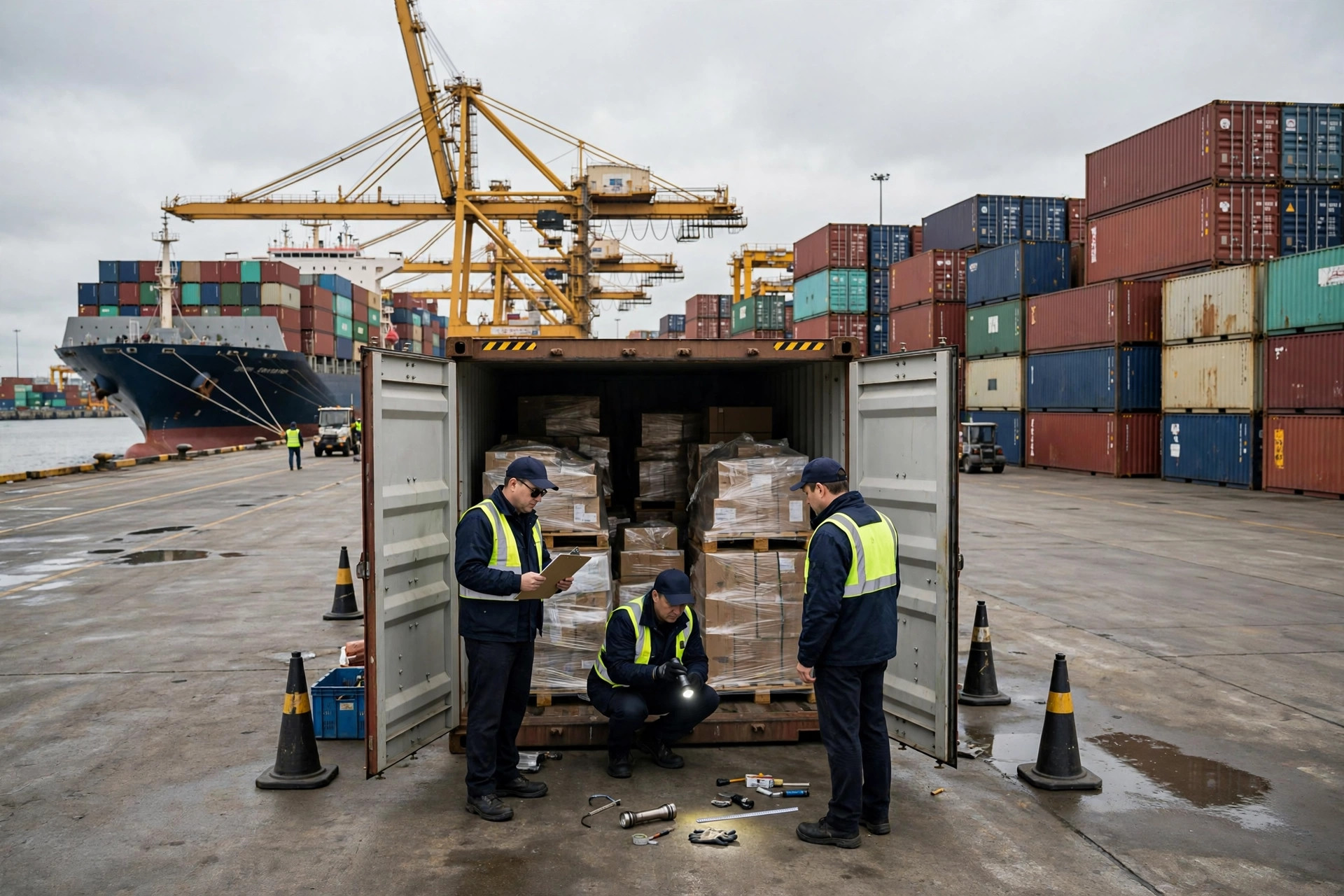
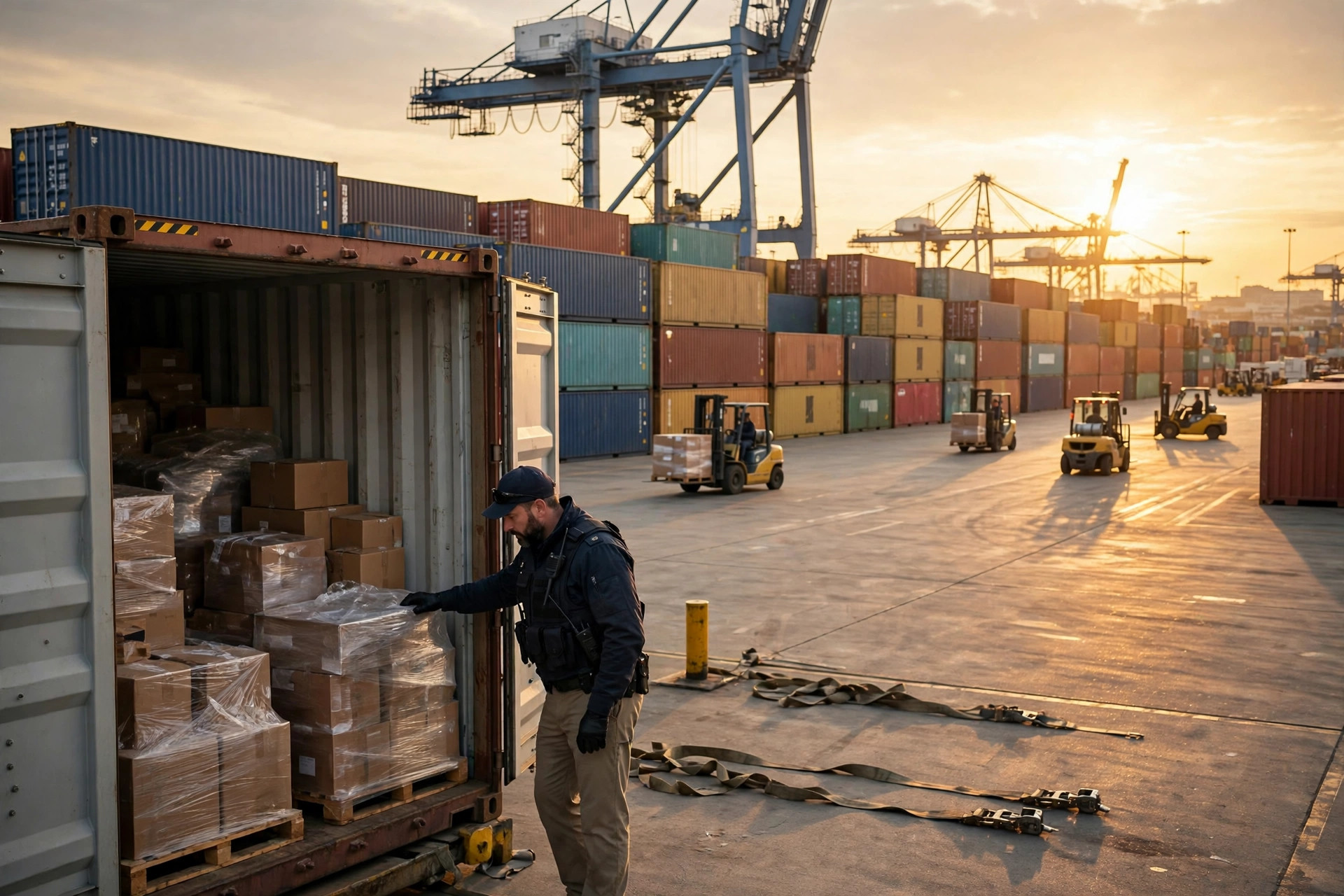
The cause caught me off guard: a botched Lacey Act plant declaration. An entire 40-foot container of oak dining tables and solid-wood bed frames sat at the Port of Long Beach for two weeks, demurrage stacking up at several hundred dollars a day. All the warehouse automation in the world is useless if the goods never clear the gate.
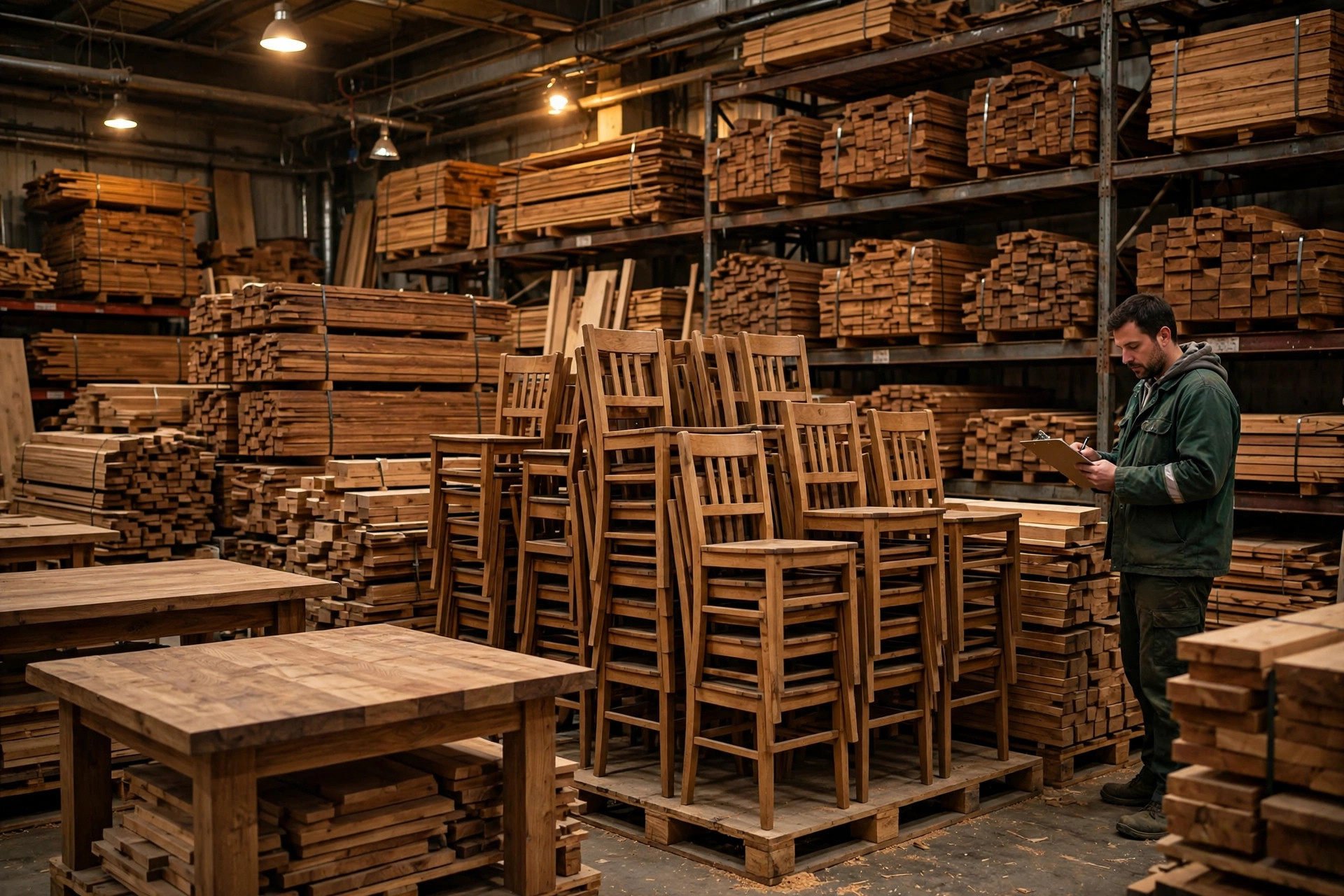
So here's the thing an automation engineer has to tell you: if you import wood products or furniture into the US, you can skip botany class, but you can't skip the Lacey Act. Because at its core, the Lacey Act isn't really about plant quarantine — it's a data declaration war. And data declarations are something I understand intimately: it's the same logic as WMS master data governance.
First, the mechanics: what the Lacey Act actually is
The Lacey Act dates to 1900 and originally covered wildlife trafficking. The 2008 Farm Bill amendments pulled plants and plant products under it — timber, wood products, furniture, the whole lot. Enforcement sits with APHIS (Animal and Plant Health Inspection Service), with CBP holding the line at ports of entry.
The mechanism is simple. Think of it as a data gate at the border: importing any product containing plant material means filing the PPQ 505 (Lacey Act Plant and Plant Product Declaration Form), telling the US government the scientific name of the plant, the country where it was harvested, the quantity, and the value. The declaration travels with your customs entry, filed through the ACE system.
If you like analogies — and I do — picture a sensor feedback loop on a conveyor line. No data comes back, the controller doesn't release the pallet. The Lacey Act works exactly like that: incomplete data, no release.
In December 2024, APHIS's declaration requirements entered Phase VII, widening the net of covered plant products again. Which tariff lines get pulled in next is a moving target — always verify against the latest APHIS and CBP publications rather than trusting secondhand interpretations.
Then the selection boundary: what must be declared, and how
Not every shipment triggers this. The boundary comes down to two checks: does the product contain plant material, and does its tariff classification fall within the declaration's scope? Wood products (HTS Chapter 44) and furniture (HTS Chapter 94) are the danger zones. Composite materials and even paper packaging deserve a look at their actual composition — "it's just a cardboard box" is a classic trap.
Here's the declaration checklist, the whole thing in one table:
| Element | What to file | Where it blows up |
|---|---|---|
| Scientific name | Genus + species, e.g. Quercus robur for oak | Filing "oak" or "hardwood" with no scientific name gets bounced |
| Country of harvest | Where the wood was cut | Harvest country ≠ manufacturing country: assembled in Vietnam from Laotian timber means Laos |
| Quantity | In metric units | Unit soup — mixing imperial and metric |
| Value | Declared value | Mismatch with the commercial invoice triggers examination |
| Tariff code | HTS classification | Wrong classification means wrong scope determination |
The real killers are the first two fields: scientific name and country of harvest. When the factory hands you a packing list that says "rubberwood," your broker has nothing to file, and the whole entry stalls.
Real case, early 2025: a solid-wood vanity manufacturer in Guangdong shipped a container to Houston worth well into six figures. The timber had been sourced from Myanmar via Thailand, and every document said Thailand. CBP flagged it — scientific name didn't line up, country of harvest looked wrong — and the container went into a Lacey Act compliance hold. New broker, re-filed declarations, supporting paperwork: the cargo sat for nearly a month. As an engineer, I'll call it what it is: not a legal problem, but a broken data chain. Nobody captured the source data at origin, so everything downstream was manual firefighting.
Now the hot take: compliance is data engineering, not lawyering
I've watched too many importers chase the wrong fix: paying lawyers for compliance training, then making the same mistakes the next quarter. Why? Because Lacey Act compliance is fundamentally a data engineering problem — same as WMS master data:
Every wood SKU needs a "plant identity card": scientific name, country of harvest, supplier chain. That master record should be created the moment the purchase order goes out, not when the goods are at the port and someone emails the factory asking "what is this wood actually called?"
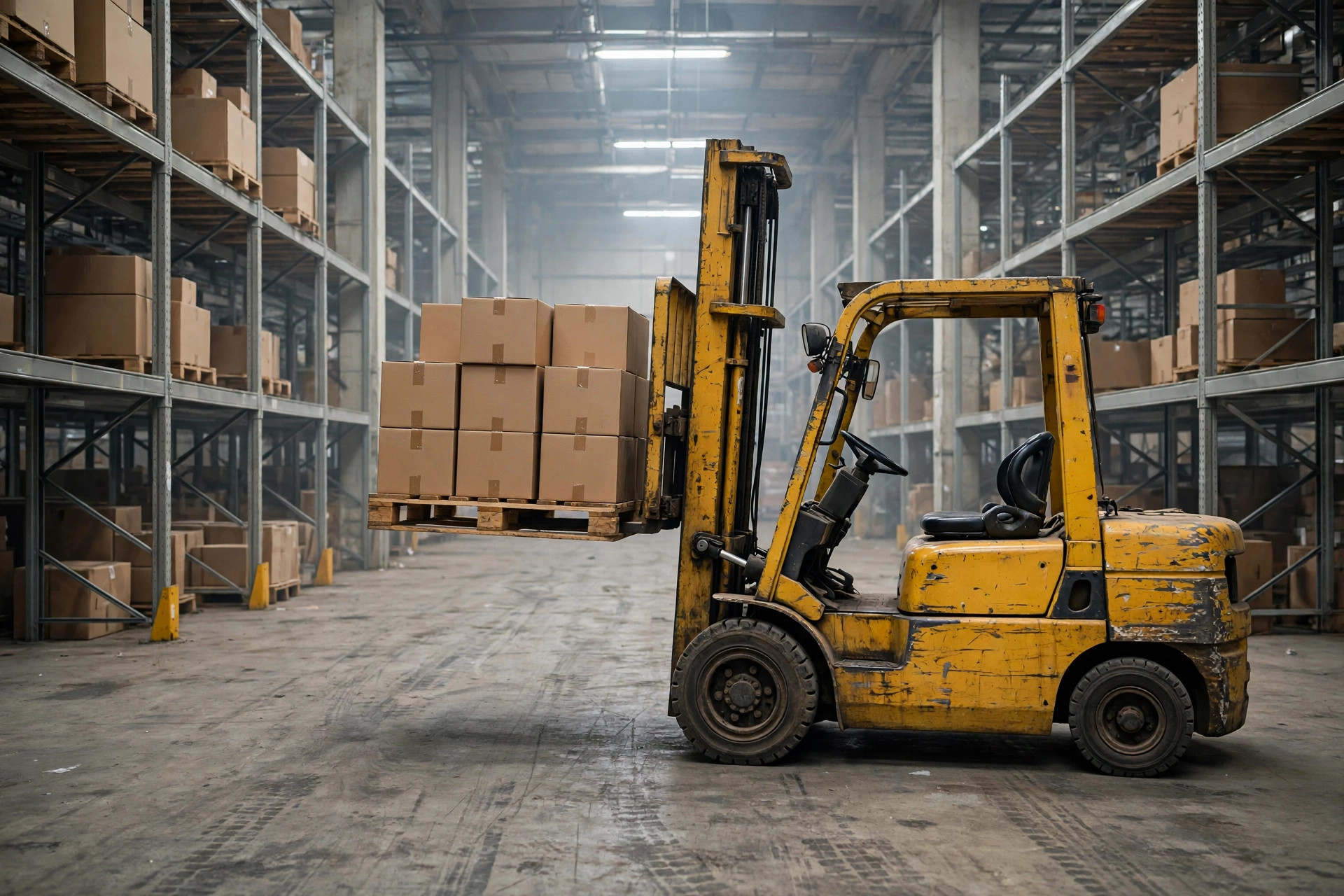
A suggestion for fellow automation folks: when you integrate WMS or ERP for an importer, build the Lacey Act fields (scientific name, country of harvest, quantity, value, tariff code) straight into the SKU master data template and the receiving validation logic. Scan at receiving; the system auto-checks whether the declaration elements are complete. That bakes compliance into the process instead of relying on human memory. Same logic as uptime engineering: preventive maintenance is always cheaper than emergency repairs.
Here's the counterintuitive part: many importers assume the Lacey Act only targets illegal logging, so legally sourced wood is fine. Wrong. The declaration is a procedural obligation — however legitimate your timber, no filed form or wrong fields means holds and fines all the same. Compliance here isn't about the moral character of your wood; it's about whether the declaration action happened. Like a safety interlock on a machine: doesn't matter how careful the operator is, if the interlock isn't reset, the machine doesn't move.
The maintenance traps: three I've seen more than once
First, filing the manufacturing country as the country of harvest. Southeast Asian transshipment is so common that the document chain snaps halfway. Fix: write "provide scientific name and harvest-country documentation" into the supplier contract as an obligation, not a favor you beg for at clearance time.
Second, missing composite products. Veneered board, MDF, plywood — "there's wood in there" and nobody treats it seriously. Anything containing plant material gets checked against the declaration scope first, then you decide. When in doubt, ask your customs broker; don't guess.
Third, nobody tracks the phase expansions. APHIS widens the covered scope in stages; a tariff line exempt today may require declaration next year. Have your broker send a scope update every quarter, or subscribe to APHIS notices yourself. For the details, the APHIS and CBP websites are the source of truth.
Is this money worth spending? One number answers it
Run the math: one 40-foot container held two weeks at port — demurrage and storage alone run into the thousands of dollars, before you count the contractual risk of delayed orders. Building the declaration fields into your master data and having the broker pre-review entries costs next to nothing per shipment.
So whether this money is worth it comes down to a single number: how many days in the past year your cargo was examined or held by CBP over documentation issues. Above zero, the data engineering is worth doing. Zero means you're already doing it — keep it up.
By Da Liu, Automation Engineer