Here is the conclusion first: when you import automation equipment from China, import payment terms and trade terms are two different decisions — do not choose them as one. TT or LC decides when the money moves and who carries the risk if something goes wrong. DAP or DDP decides how far the goods travel, who clears customs, and who pays the duties. The expensive mistake is rarely choosing one wrong. It is mixing the two together, signing, and only then discovering the money is paid, the goods have arrived, and clearance is stuck in your own hands.
Put plainly, this has two sides: the safety of the money and control of the goods. TT hands the money's safety to trust, LC to the bank and the documents, and DAP hands the goods to the destination door — what happens after that door is yours.
TT first: the fee you save is a bet on trust
TT is a wire transfer: part in advance, the balance after the goods are ready, commonly a 30/70 or 40/60 split. Its advantage is one thing only — simple, fast and cheap, with no pile of bank documents. Its disadvantage is also one thing: once the money is wired, the leverage is gone.
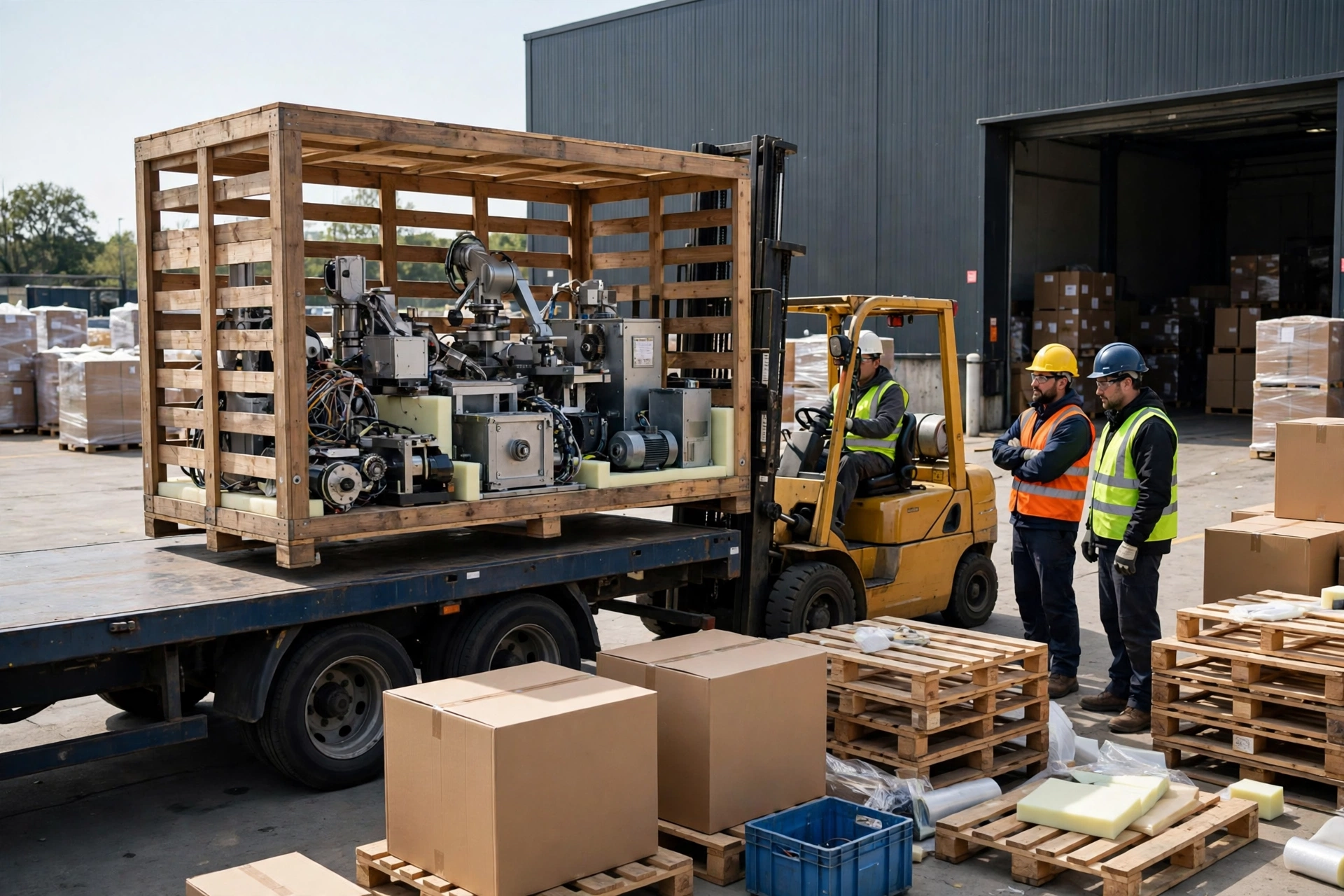
In spring 2023, a buyer ordered a custom automated sorting line from Shenzhen on TT terms: 30% in advance, 60% before shipment, 10% after acceptance. The first two payments went smoothly and the equipment shipped on time. After it reached the US West Coast, commissioning showed the sorter's recognition rate below the contracted standard. The supplier's engineer took three weeks to arrive, then said the fix needed extra parts at extra cost. The buyer held only 10% in retention — his whole negotiating leverage. He paid extra, accepted a lowered standard, and the project went live almost two months late.
I have seen this trap three times, and every time the contract reads the same way: the advance too high, the retention too low, the acceptance criteria too loose. TT itself is not the problem — treating it as the default is. With TT there are only three things to negotiate: can the advance come down, can the final payment be tied to acceptance rather than arrival, and can the acceptance criteria be written into an annex precisely enough to tick off item by item? Standard products in small orders — a 30/70 split is fine. Custom automation with only 10% held back is giving away your acceptance leverage for free.
LC is not a cure-all, but it puts the hard words up front
LC is a letter of credit: the buyer's bank issues it, and the supplier is paid against compliant documents. The advantage is that the bank checks one layer for you: if the documents do not comply, the bank can refuse payment. The disadvantage is cost and friction: issuance fees, advising fees, amendment fees and discrepancy handling fees, all real money — and if one document does not match, the money stops, and the goods can stop with it.
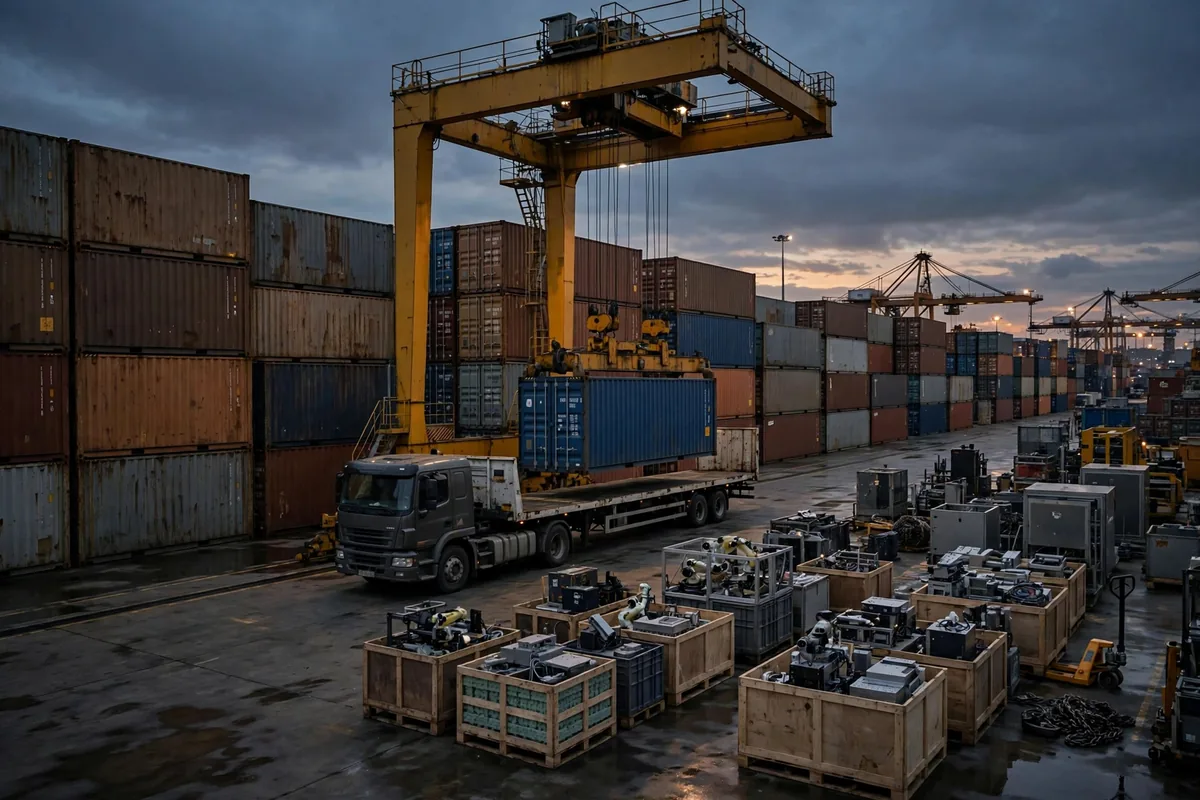
The LC trap is the mirror image of the TT trap: TT fails because the money went too early, LC because a document gets stuck. In early 2024, an importer ordered automated conveyor equipment from Ningbo on LC terms. The equipment shipped on schedule, but the port name on the bill of lading differed from the credit by a single letter, and the bank refused payment. The supplier would not release the bill of lading, and the goods sat at the port for more than ten days while the buyer negotiated an amendment and argued demurrage. The goods were fine. A document was not. Money and goods froze together.
So the question with LC is not whether to use one, but how the document terms are written. Invoice, packing list, bill of lading, certificate of origin, inspection report — issuing party, copies, validity and exact wording must be aligned in advance with supplier and bank. The product name, piece count and gross weight on the bill of lading must match the invoice and packing list word for word. LC costs follow the bank's latest quotation and vary by bank and amount — do not apply someone else's fee schedule to your order.
When does LC fit? First order, large amount, an overseas supplier, an unfamiliar legal environment — LC is insurance bought with fees. A supplier you have worked with for years, a small amount, a short lead time — LC is money spent on trouble. There is no ranking between TT and LC. There is only fit.
| Item | TT wire transfer | LC letter of credit | DAP trade term |
|---|---|---|---|
| What it governs | How the money is paid | On what basis the money is paid | How far the goods go, and who clears customs |
| Who carries the risk first | The buyer pays first, so the risk sits with the buyer | The bank pays against documents, so the documents carry the check | The seller carries the risk to destination; the buyer takes over after delivery |
| Cash tied up | A high advance sends cash out early | Issuing uses credit lines or a margin deposit | It does not set the payment rhythm by itself; read it together with the payment term |
| Document requirements | Low — a remittance record is enough | High — a discrepancy can block payment | Needs the commercial invoice, packing list and other clearance documents |
| When things go wrong | The contract and trust are all you have, and recovery is hard | The bank follows the documents — slow, but there is a paper trail | Responsibility follows Incoterms 2020: whoever's duty it is, bears it |
| Fits whom | Established suppliers, small orders, standard products | New suppliers, large orders, custom equipment | Buyers with clearance capability at destination |
DAP is the step people take for granted
On trade terms, put plainly, one sentence matters: DAP is not delivery duty paid to your door. Do not use it as if it were DDP.
Under Incoterms 2020, DAP means the seller delivers the goods to the agreed destination, ready for unloading on the arriving transport. The seller bears the cost and risk of getting them there. Import clearance, duties and unloading are the buyer's job. That is the line between DAP and DDP: under DDP the seller takes import clearance and duties as well. Under DAP, they do not.
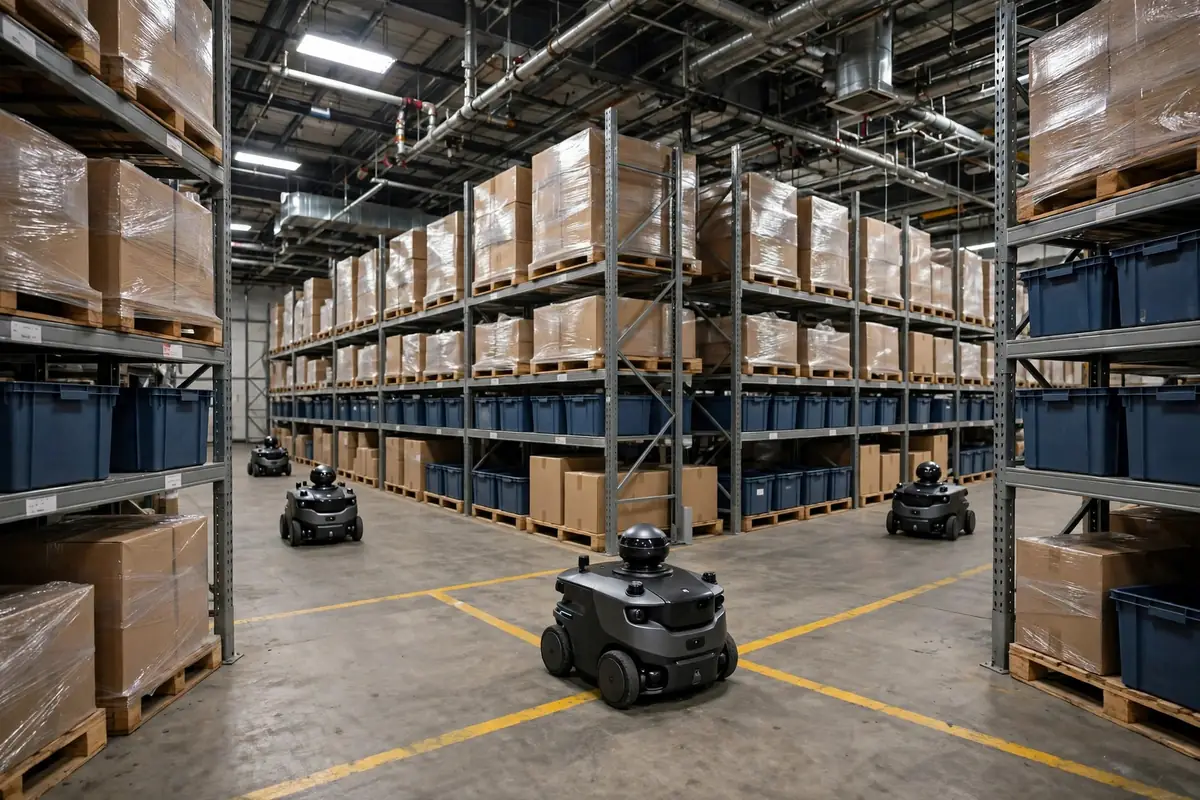
In summer 2024, a buyer imported automated warehousing equipment from China on DAP Los Angeles terms. The price looked clearly cheaper than DDP. After arrival he discovered his broker was unfamiliar with this equipment's classification, the documentation was incomplete, and clearance dragged on for days while demurrage and storage rose. A few items needed separate certification material he had not prepared, costing another week. In the end the DAP saving was entirely swallowed by demurrage and expediting fees, plus two weeks of lost schedule. The cheapest payment method is often the most expensive one. The cheapest trade term is the same.
Before choosing DAP, ask three questions. Do you have a reliable broker at destination who can handle this equipment's classification and certification? Can the supplier produce the invoice, packing list, certificate of origin and certification documents in the form you need? If clearance is delayed, who pays the demurrage — and is it in the contract? If any one has no answer, do not rush into DAP. If you have your own brokerage team and import the same equipment all year, DAP is right — clearing it yourself is cheaper and faster.
One more detail: the DAP destination must be specific. Name a port, and the seller's responsibility ends at the port. Name your warehouse door, and the seller must deliver to the door. A contract naming only a city leaves wide room for argument. Put the destination, the unloading duty and the clearance duty in the contract itself, not only in an email.
How to put the combination together without losing
Look at the payment term and the trade term separately.
First order, custom automation — the steady combination is LC plus DAP: LC guards the money, DAP brings the goods to the door, and you must be ready for clearance, or have a broker lined up. Established supplier, standard equipment, small amount — TT plus DAP can work, but the final payment must be tied to acceptance, with the criteria in a contract annex.
Whatever the combination, four sentences belong in the contract: acceptance criteria precise enough to tick off; the final payment tied to acceptance, not arrival; the document list and wording aligned in advance; and the cost of a clearance delay assigned in writing. With those four, TT is not a gamble, LC does not jam on a document, and DAP does not turn into a demurrage trap.
One last word: in importing, the cheapest line on the quotation is often the most expensive line on the whole order. When something looks cheap, ask who pays the price of that cheapness, and when — before you sign, not after.
By Lao Mi, Supply Chain Veteran (20 yrs)