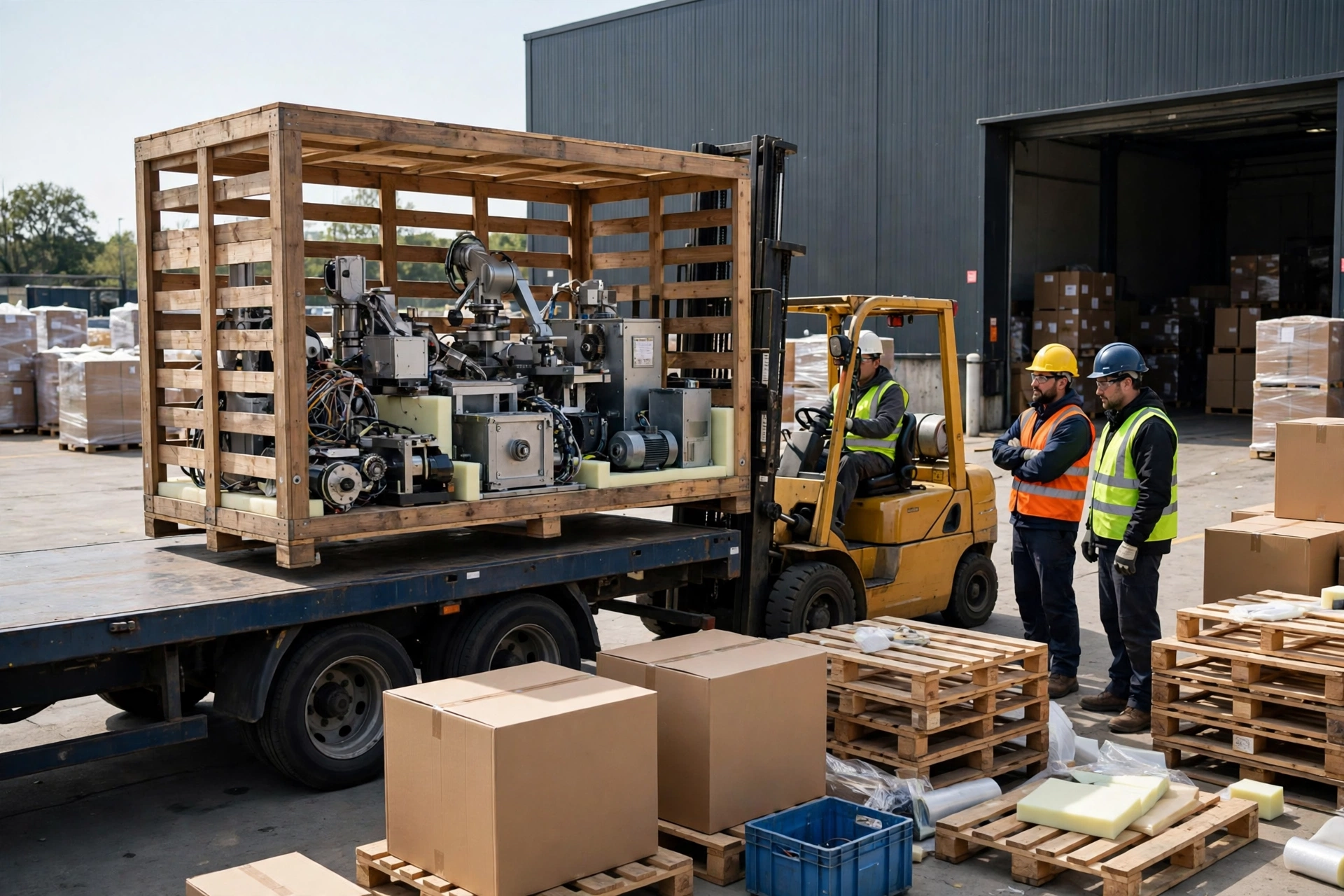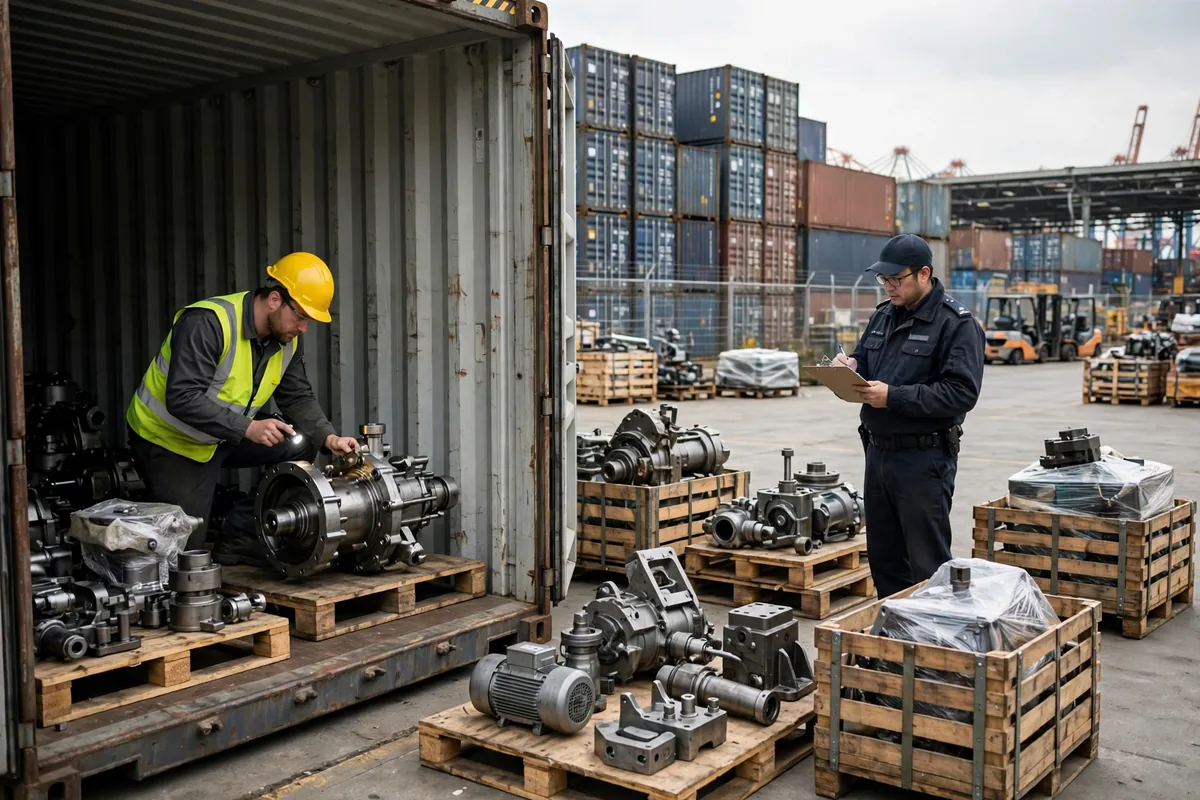
In early 2025, an outdoor-lighting importer came to me with a tariff engineering warehouse import cost question: could changing his product legally cut the duty on his lamps? The owner arrived holding a customs entry like it had insulted him. His lamps sold fine, but once duty landed, the margin on his quote sheet was paper-thin. He asked whether we could do something on the warehouse side — different packaging, ship it in pieces, anything. I told him the warehouse can help, but the real answer to his problem is not in the warehouse. It is in his product drawings. Tariff engineering sounds like a gray area to most people, and it is exactly the opposite: it is a legal practice U.S. Customs has recognized for more than a hundred years. The whole test is one question — did you change the product itself, or did you only change what the form says about it? A proper tariff engineering warehouse import cost review starts from that question and works backward into design, sourcing, and the warehouse.
Tariff engineering means redesigning a product, its materials, or how it is assembled before import, so the finished article genuinely falls under a different tariff classification with a lower duty rate. Every product entering the United States gets a 10-digit HTS code, and the duty rate follows the code while the code follows what the product actually is. The Supreme Court settled the principle in 1881, in Merritt v. Welsh, a case about sugar: an importer darkened refined sugar so it fell into a lower duty tier, and the Court said that was legal. The rule has not changed since. If the product really changes, the classification follows. If only the description changes, that is something else entirely.
What Tariff Engineering Really Is: Change the Product, Not the Paperwork
Our lighting client's product was a wall lamp with a storage shelf welded to it, classified as a lamp as a whole, at a duty rate that hurt. The designer reworked it so the light head became a detachable unit that clicked onto the shelf. When the shipment arrived, the light head entered as a lamp and the shelf entered as a metal rack, and the combined duty bill dropped sharply. The function did not change, and neither did the customer experience. The structure changed, and the structure was real — any customs officer opening the box could see it. That is the standard move in tariff engineering.
The most famous example is a Columbia women's shirt. Classified as a blouse, it historically carried a 26.9% duty rate. Columbia added a small pocket below the waist, big enough for a tube of lip balm, and in customs terms the garment stopped being a blouse. The rate fell to 16%. Same fabric, same factory, one extra pocket. Converse did the same trick from the other direction, adding a layer of felt to a sneaker sole so the shoe classified as a slipper. Both are old, publicly reported cases, and both make the same point: the tariff code looks at how the product is made, not what you call it on your website.
Here is the counterintuitive part: the biggest duty savings usually happen on the drawing board, not at the broker's desk. By the time the goods are manufactured and the vessel is about to sail, the only thing left to change is the declaration — and the declaration is the one thing you must not touch.
Three Legal Plays in Tariff Engineering
The first play is redesigning the product or changing the material. Swap a fabric, add a functional part, adjust a structure, and the product lands in a lower-duty heading. Apparel and footwear are the classic cases, because the tariff schedule literally writes classification around construction: whether there is a pocket, where it sits, what the sole is made of. The trick is to bring the designer and the customs broker into the same conversation before the drawings are final, so every design change gets the question — does this move the tariff code?
The second play is changing the assembly configuration. A finished machine and a kit of parts can classify very differently. But there is a trap here that has cost clients real money: under the General Rules of Interpretation, an unfinished article that already has the essential character of the finished product is classified as the finished product anyway. Taking it apart only helps if what arrives is genuinely a semi-finished good and the real assembly happens in the U.S. warehouse. Plenty of importers have learned this the expensive way — they paid extra freight to ship in pieces and saved nothing on duty.
The third play is changing the supply chain shape with a foreign-trade zone. Goods admitted to an FTZ are treated as outside U.S. customs territory for duty purposes, so duty is deferred until the goods actually leave the zone for the U.S. market, and goods that are re-exported never owe U.S. duty at all. Assembly and processing can happen inside the zone, and when the finished product carries a lower rate than its imported components, you get inverted tariff relief. This is the deepest form of warehouse cooperation, but it needs zone activation in advance — you cannot just rent a building and call it an FTZ, and any tariff engineering warehouse import cost review that skips the FTZ option is leaving money on the table for steady-volume importers.
Run the numbers on one SKU (illustrative example): $2 million of annual import value at a 25% duty rate means $500,000 a year in duty. Redesign the product into a 10% heading and the bill becomes $200,000 — $300,000 saved a year. If the tooling and certification for the redesign cost $50,000, the payback is about two months. Always confirm the current rates against the latest official policy before running this math — never price this year's savings off last year's tariff table.
What the Warehouse Can Do: Kitting, Labeling, and the FTZ
The warehouse has real work to do here, and every task has a boundary. Kitting is the most common: parts arrive separately and are assembled, labeled, and packed to order, and the assembled state has to match what was declared at entry. Labeling is the same story — country-of-origin marking that is required must be applied correctly, because a wrong, missing, or misplaced mark is its own problem. Repackaging, outer cartons, and split shipments are all fine, as long as the packaging is not used to hide what the product really is.
FTZ work needs more discipline. Inventory inside the zone has to be accounted for separately, every admission and withdrawal leaves a paper trail, and the books must show exactly which goods were re-exported and which entered U.S. commerce. My advice is to bring the broker and the warehouse system in from day one and keep FTZ stock and domestic stock in separate buckets inside the WMS. Do not wait for a customs audit to discover that two sets of books do not reconcile.
The Red Lines: Three Moves That Cross Into Evasion
Three red lines, and crossing any one of them means paying back the savings several times over. First, changing the paperwork without changing the goods. In the Heartland case, an importer added molasses to raw sugar to slip into a lower-duty classification, and the court called it a disguise, not engineering, and sided with Customs. What the goods are is what the entry must say. Second, transshipment to fake an origin. Routing goods through a third country and slapping on a new label does not make them a product of that country — that is origin fraud, not tariff engineering. Third, splitting shipments to chase the small-parcel exemption. The U.S. $800 de minimis exemption was suspended for all countries on August 29, 2025, and Congress has repealed it for commercial shipments effective July 1, 2027. Anyone still splitting orders to stay under $800 is handing Customs a penalty notice. Under U.S. law, penalties for false statements on entry documents can reach four times the unpaid duty. That number is not a scare tactic.
That is why a serious tariff engineering warehouse import cost review starts with the product and the broker, not with the warehouse rate card. The warehouse executes the plan; it does not invent the classification.
So next time you negotiate a contract, ask these three questions. One, when did your broker last review our HTS classifications, and can I see the report? Two, has anyone assessed our top SKUs for tariff engineering, and is there anything in the design we can still move? Three, can your warehouse support kitting and FTZ operations, and does your system keep zone inventory genuinely separate from domestic stock? Ask those three, and you will know within five minutes whether a vendor understands import cost or only knows how to quote you a storage rate.
By Susan, 3PL Sales Director