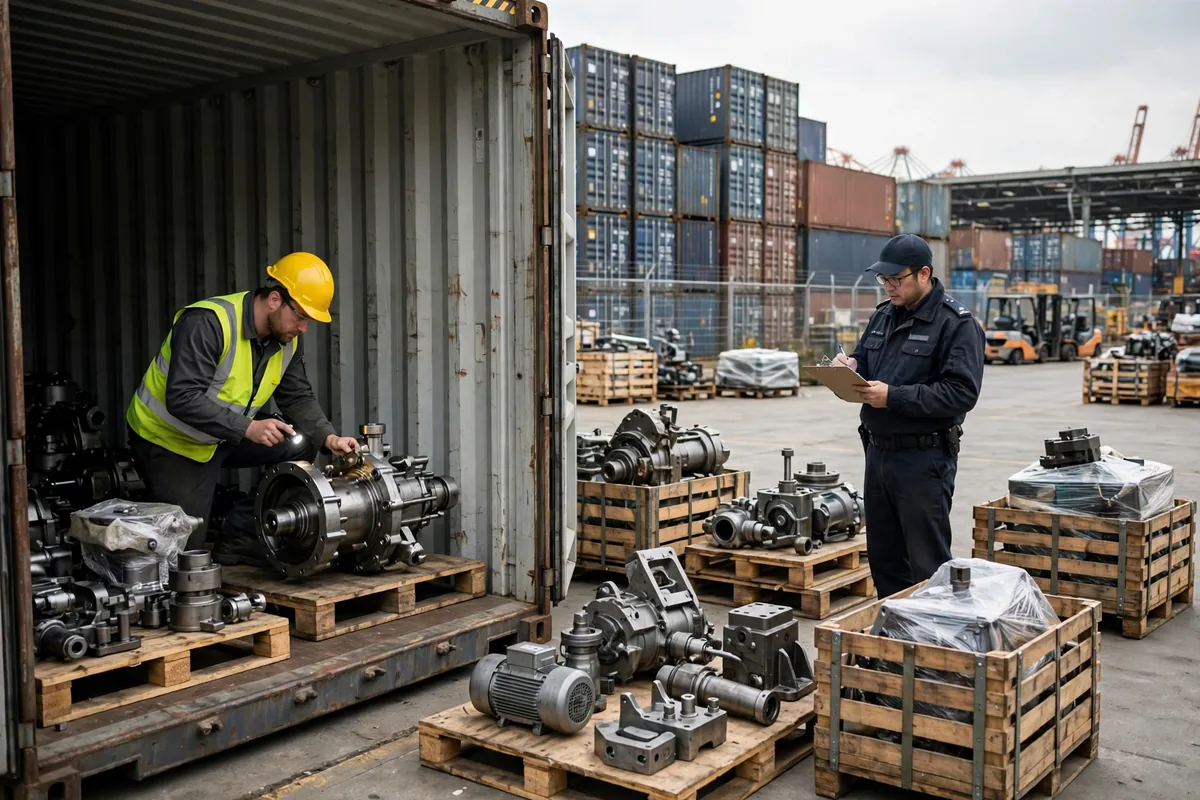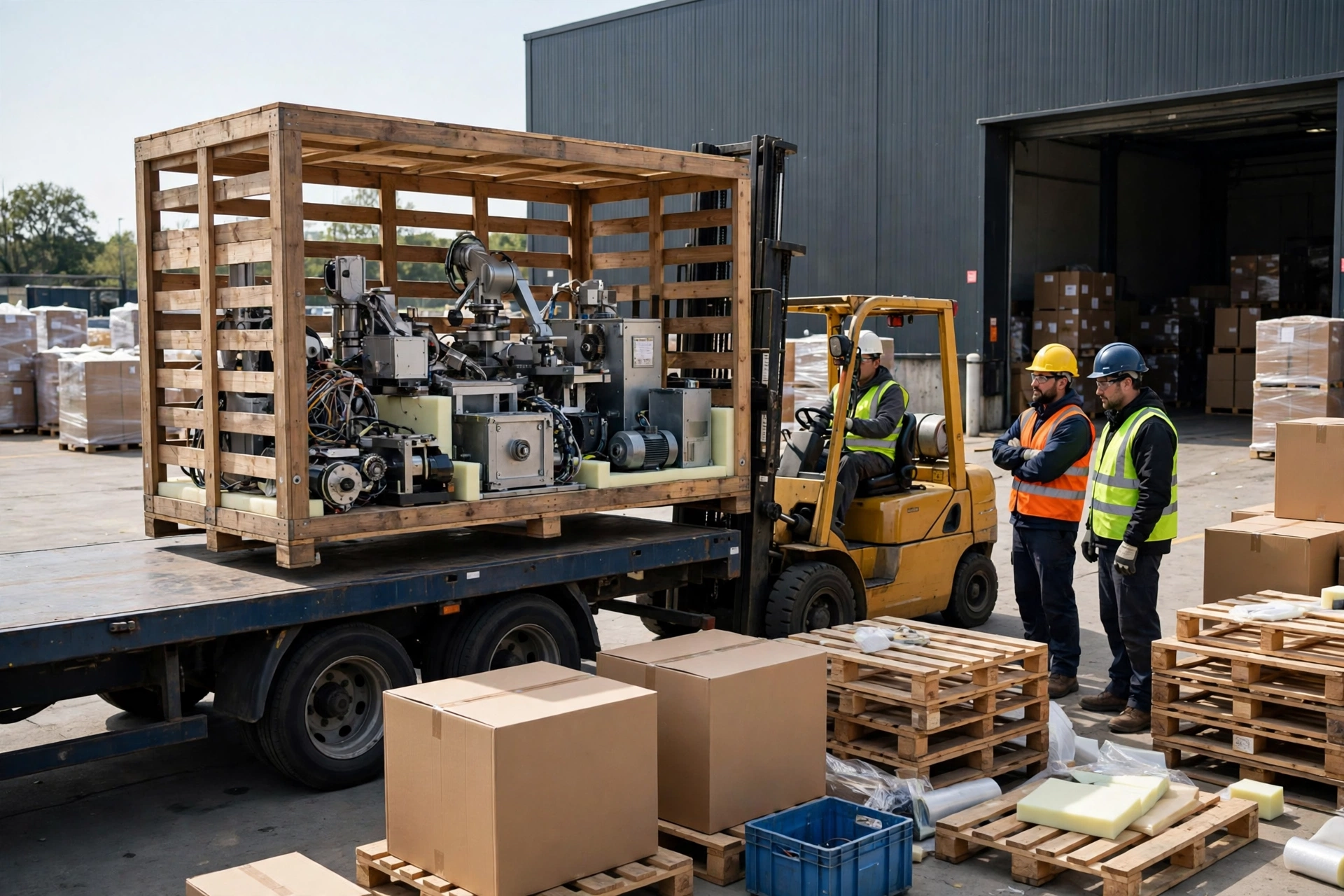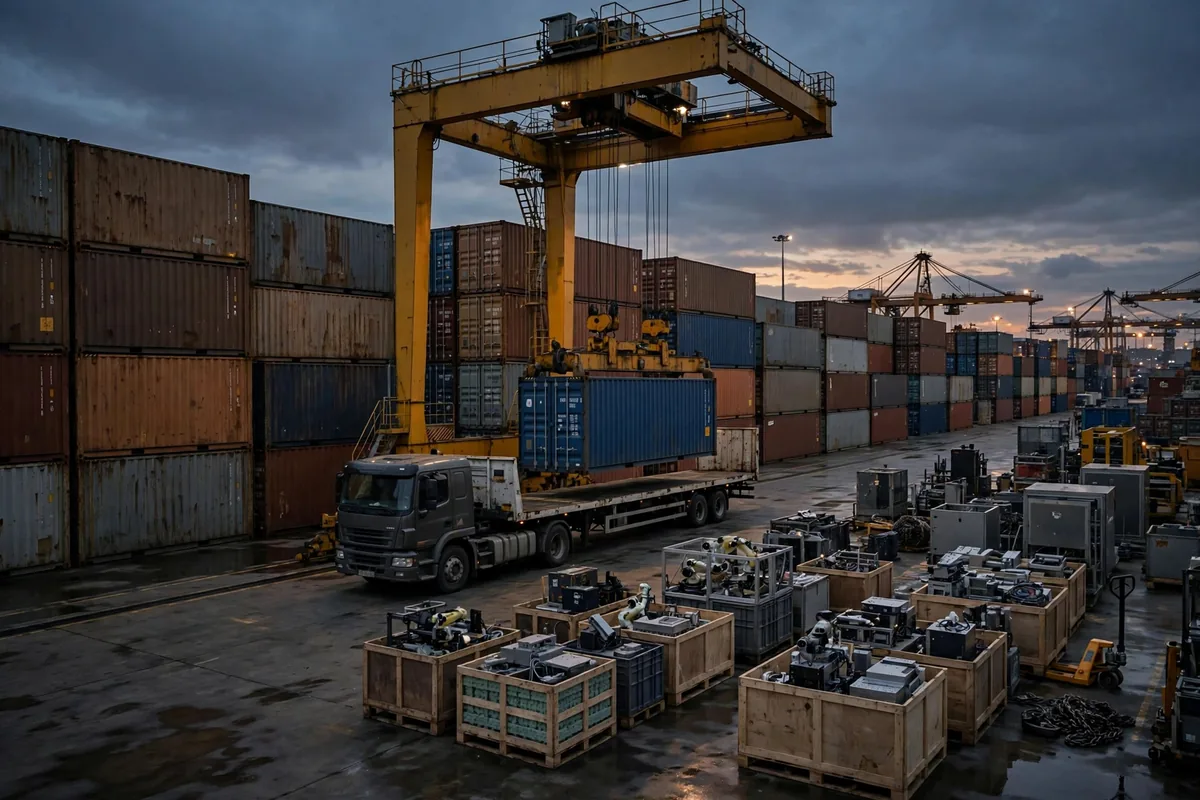
Let me start with our situation, and with the Section 301 tariff bill that nearly killed our first automation purchase. Our warehouse is about 3,000 square meters, twelve people total, and in peak season we survive on pure muscle. In the fall of 2025, I wanted to buy an automatic case sealing machine from China. The factory quoted a little over 60,000 dollars, and I ran the numbers three times and thought it would pay for itself. Then our customs broker ran the duties, and my stomach dropped: the tariffs alone added more than 20,000 dollars, more than a year of our rent. We are a small warehouse. We cannot afford to burn that kind of money.
That day I learned the lesson the expensive way: for Chinese equipment, the factory quote is only the down payment. The Section 301 tariff is the part hiding underwater. So here is the whole bill, laid out flat, so you do not sign a contract and then discover the tax bill is scarier than the machine.
What a Section 301 Tariff Actually Adds to the Bill
A Section 301 tariff is an extra duty the U.S. Trade Representative has charged on Chinese goods since 2018, aimed at technology transfer and intellectual property practices. It is not one rate. It is a stack of rates, and which one hits you depends on your product's 10-digit tariff code. Lists 1 through 3 generally carry 25%. List 4A carries 7.5%. Most warehouse automation equipment falls under machinery codes, which means it usually lands in the 25% bucket.
That is not the end of it. Since July 24, 2026, there is another 12.5% Section 301 duty layered on top for Chinese goods. So the stack is 25% plus 12.5%, and that is before the normal duty itself. There is one piece of good news and one piece of bad news: the good news is that the emergency-powers duties were ended in February 2026 after the Supreme Court ruling. The bad news is that both Section 301 layers are still standing, not a cent less.
Here is a hypothetical example with a clean 100,000-dollar machine. Assume a normal duty of 2.5%, which is 2,500 dollars. The Section 301 list rate of 25% adds 25,000 dollars. The extra 12.5% layer adds 12,500 dollars. Add them up: 40,000 dollars, a 40% tax load. A 100,000-dollar machine costs 40,000 dollars in duty alone, before ocean freight, insurance, and the broker's fee. Once you see that math, you understand: a factory discount of 5,000 dollars is nothing next to getting the tariff code right.
Same Machine, Different Code, Different Section 301 Tariff
The tariff code is where the money hides. The same machine can land on a different list depending on whether it is entered as a complete unit or as separate components. Hypothetical example: on a 100,000-dollar value, a code on the 25% list means 25,000 dollars in Section 301 duty. A code on the 7.5% list means 7,500 dollars. The gap is 17,500 dollars, which would cover about two months of payroll in our little warehouse.
My neighbor, who runs the warehouse next door, learned this the hard way. In the summer of 2025 he imported a conveyor line from China and filed it as one complete unit, because that was the easy way. He paid the full 25% without a fight. Later his broker told him some of the component groups could have been classified separately, on a different list. He bought me dinner and had exactly one sentence for me: ask about the tariff code before you place the order, not after. Whether he ever got any of it back, I have no idea, but that dinner tasted expensive.
Here is the counterintuitive part: the most expensive part of buying Chinese equipment is usually not the equipment. It is the tax you did not know about. The factory quote looks beautiful on paper. The duty bill is the real assassin. And here is the part that stings even more: sometimes buying the parts separately and assembling them yourself does land in a lower duty bracket, but the money you save on duty gets eaten alive by assembly labor and warranty headaches. You can save on tax or save on peace of mind. You rarely get both.
How a Small Warehouse Handles the Section 301 Tariff Without Breaking Rules
Let me be blunt up front: everything below is the compliant path. I do not teach loopholes, and I would not dare. Your broker and your lawyer have the final word. These are just the scrappy methods our little warehouse worked out.
First, get the broker to check the code before you order. Hand over the 10-digit code, ask which list it falls on, and ask whether your product is on the exclusions list. The U.S. Trade Representative is still keeping 178 product exclusions alive, extended to January 9, 2027. If your machine is on that list, the Section 301 layer drops away. Do not guess. That is one phone call to your broker.
Second, split the contract values cleanly. Equipment price, freight, installation, software license: write them as separate lines. Duty is charged on the customs value, and what belongs in that value is your broker's call. The fuzzier the contract, the fatter the tax bill.
Third, if you can wait, wait. Exclusion lists have deadlines, and the rules changed several times during 2026 alone. A machine you do not need tomorrow is worth pricing only after the code and the exclusions are confirmed. The people who rush the order are the ones who end up paying for the policy change. And on the exact rules for your entry date, check the official U.S. government sources for the latest policy. What is true the day I write this may not be true the day you order.
Fourth, compare the full landed cost before you decide. Add the duty, freight, installation, and after-sales support, then compare against a domestic machine or one made in Mexico. Sometimes the Chinese machine looks half the price until you add a 40% duty load, and then the advantage quietly disappears. In the end we did not buy the Chinese sealer at all. We bought a used domestic machine instead. It cost more on the sticker, but there was no duty surprise, and I sleep fine at night.
Small warehouses have their own way of surviving: the big players spread the duty across scale, and we survive by calculating carefully, asking a lot of questions, and moving slowly. The Section 301 tariff wall is not coming down tomorrow, but no wall is too high for someone who knows how to count.
By Xiao Ma, Small Warehouse Owner