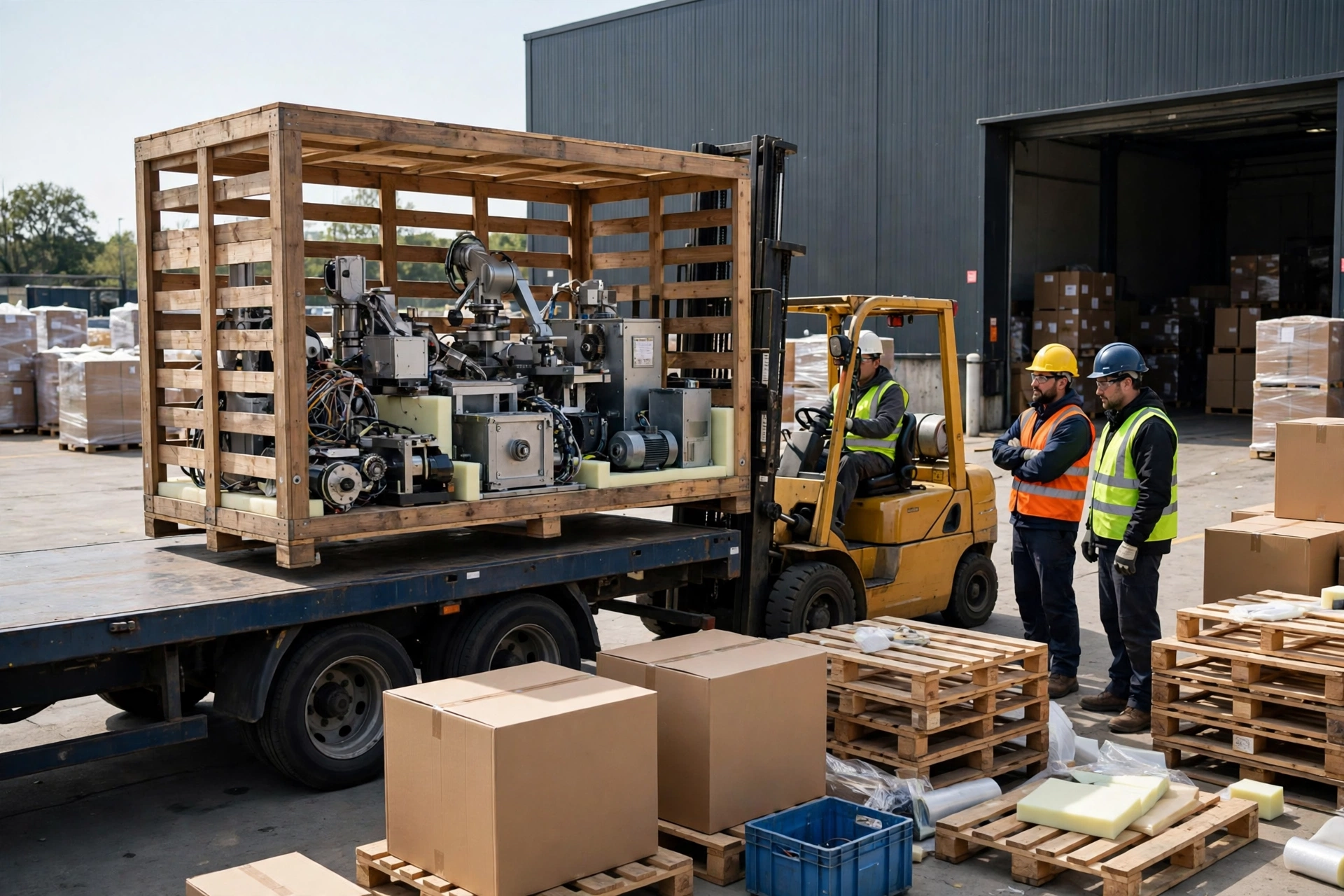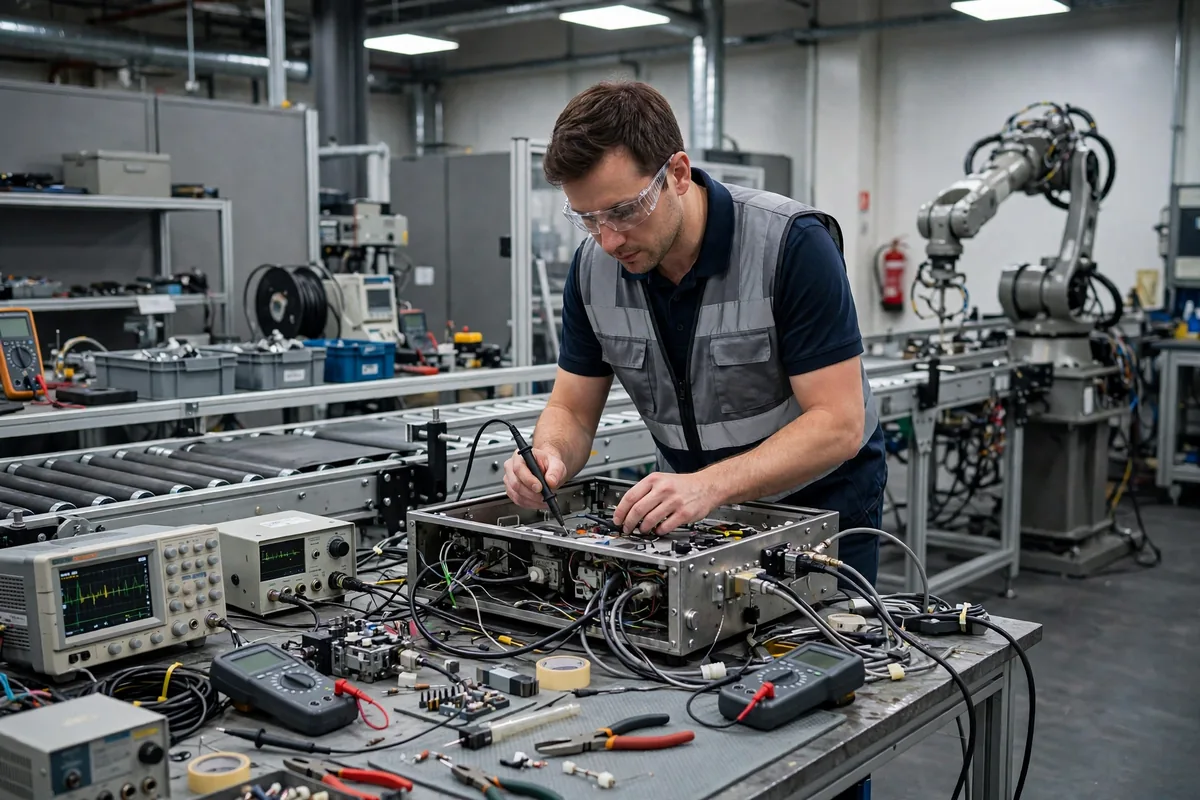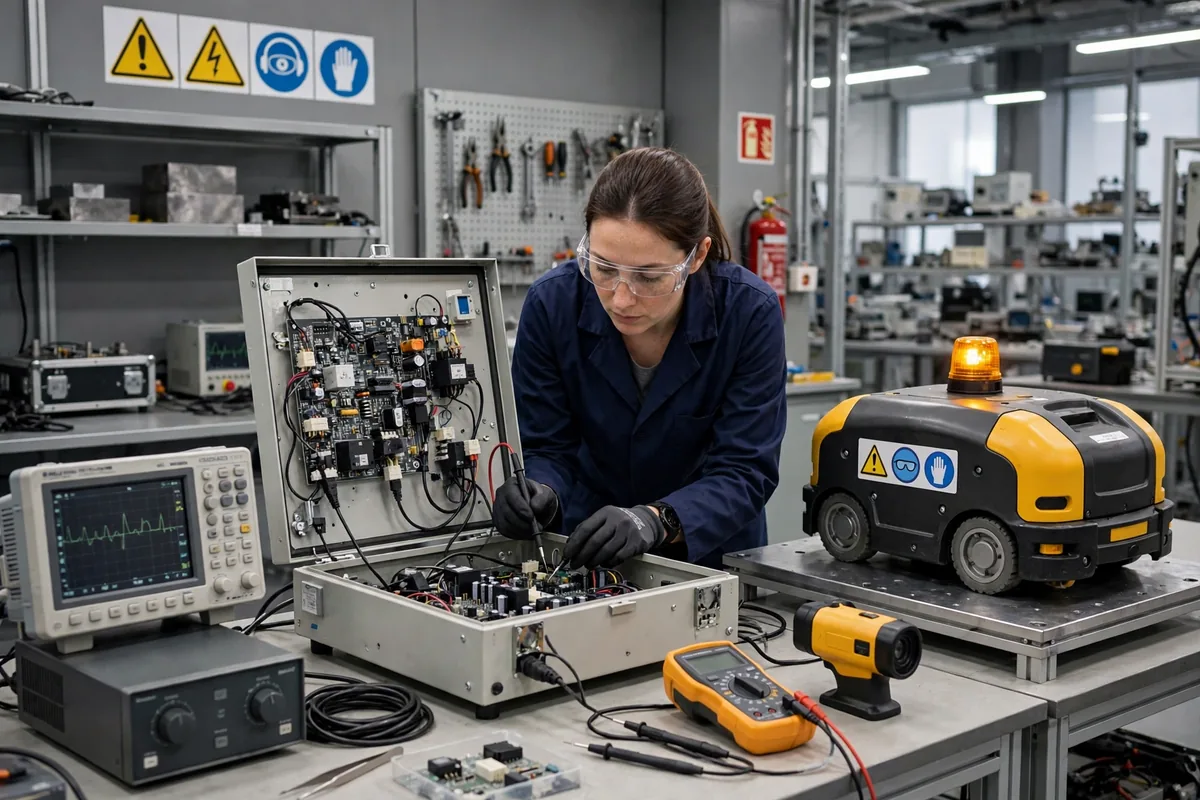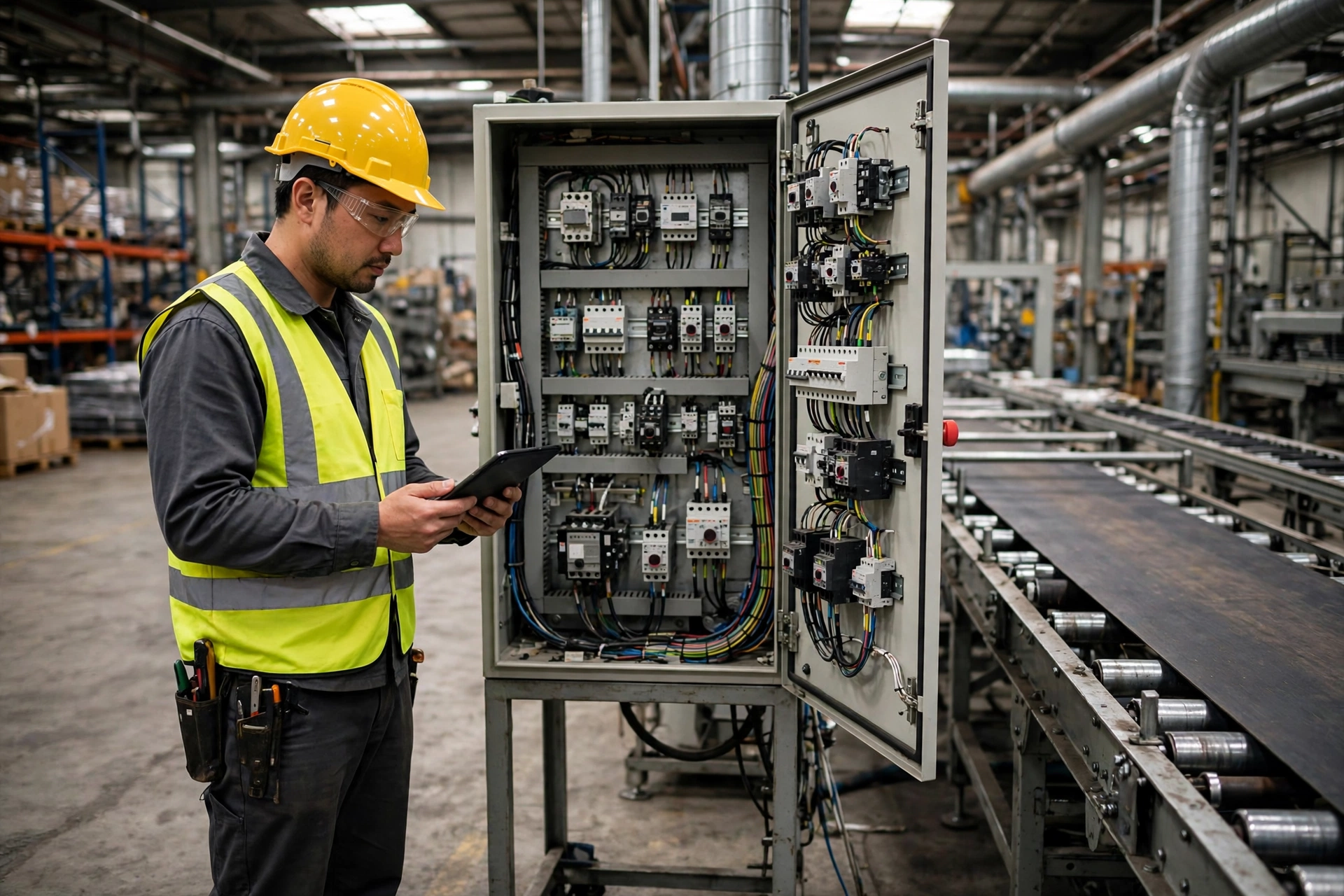
Let me be straight with you. Last fall, on a night shift, I stood at the receiving dock staring at a conveyor control cabinet that had just arrived. Our electrician, Lao Zhang, ran a flashlight over the nameplate, looking for that small certification mark. The customer's inspection checklist was clear: no mark from a US nationally recognized lab, no power-on. The cabinet sat there, the goods were in the building, and nobody dared flip the switch. That night I learned something: picking the wrong certification body costs you more than picking none at all.
Certification Body Route One: Domestic Lab Transfer
First, get the concept right. A domestic lab transfer runs through the IECEE CB Scheme. You test at a qualified lab back home against the IEC standard, and you get a CB test report and a CB certificate. That report is mutually recognized across 50-plus member countries, so when you apply for national certification elsewhere, you do not retest. UL itself is a National Certification Body in this scheme, with issuing points in the US, Canada, Denmark, and Japan.
The big win is avoiding duplicate testing. Your equipment gets tested at home, where your engineers, your samples, and your fixes are all within reach. If something fails, you fix it the same day. And here is the part that matters: transfer does not always mean shipping another sample. Public sources show that with a CB report and certificate in hand, some US bodies will process the application without asking for a physical sample at all — saving not just the test fee, but the ocean freight and the queue time too.
But there is a trap, and I want everyone to hear this: a CB report is not a universal passport. Whether a US body accepts it depends on two things — whether your report was tested against the US national deviations, and whether the body's recognized scope covers your product standard. Miss the US deviations in the report and you will be retesting in America anyway. Another gotcha: the certificate holder is usually the factory, not your brand. Show up to a bid with someone else's certificate and the inspector will catch it the moment they check the directory.
US bodies: UL, ETL — either one works
The rule in the US boils down to one sentence: the equipment has to carry a mark from a Nationally Recognized Testing Laboratory. UL is the most famous name, but it is not the only one. ETL and CSA are also labs recognized by the US Occupational Safety and Health Administration, and their marks carry the same weight. UL is not required by federal law, but retailers, insurers, and the electrical inspector who signs off on an installation all treat it as mandatory. Without the mark, the equipment does not enter the warehouse.
On cost and timeline, public sources give these ranges: a typical product listing runs about $3,000 to $15,000 and takes 6 to 12 weeks; a complex new construction runs about $10,000 to $40,000 over 8 to 16 weeks; and a panel shop seeking UL 508A certification pays about $7,000 to $18,000 in the first year, $2,000 to $5,000 a year to renew, over 3 to 6 months. Confirm the latest pricing on each body's official site — the quote varies a lot by product type and voltage class.
Then there is the ongoing money. Getting the certificate is not the end of it. The body sends inspectors to your factory for follow-up checks, and they do not call ahead. Public sources put each visit at about $1,500 to $3,000, several times a year — budget another $6,000 to $12,000 a year for a single manufacturing site. A lot of people leave this line out of the budget entirely.
One more thing worth saying: a UL mark and an ETL mark carry the same authority, but they do not cost the same. Public sources put UL at roughly $10,000 to $50,000-plus and ETL at roughly $8,000 to $30,000, usually cheaper, tested against the same product safety standards — the difference is which lab issues the certificate. We have two machines running in our warehouse right now, one marked UL and one marked ETL. The inspectors accepted both, and in daily use there is no difference at all. If budget is tight, there is no reason to insist on UL — get an ETL quote first and save what you can. Unless, of course, the customer contract names UL specifically. Then saving money is just buying yourself trouble.
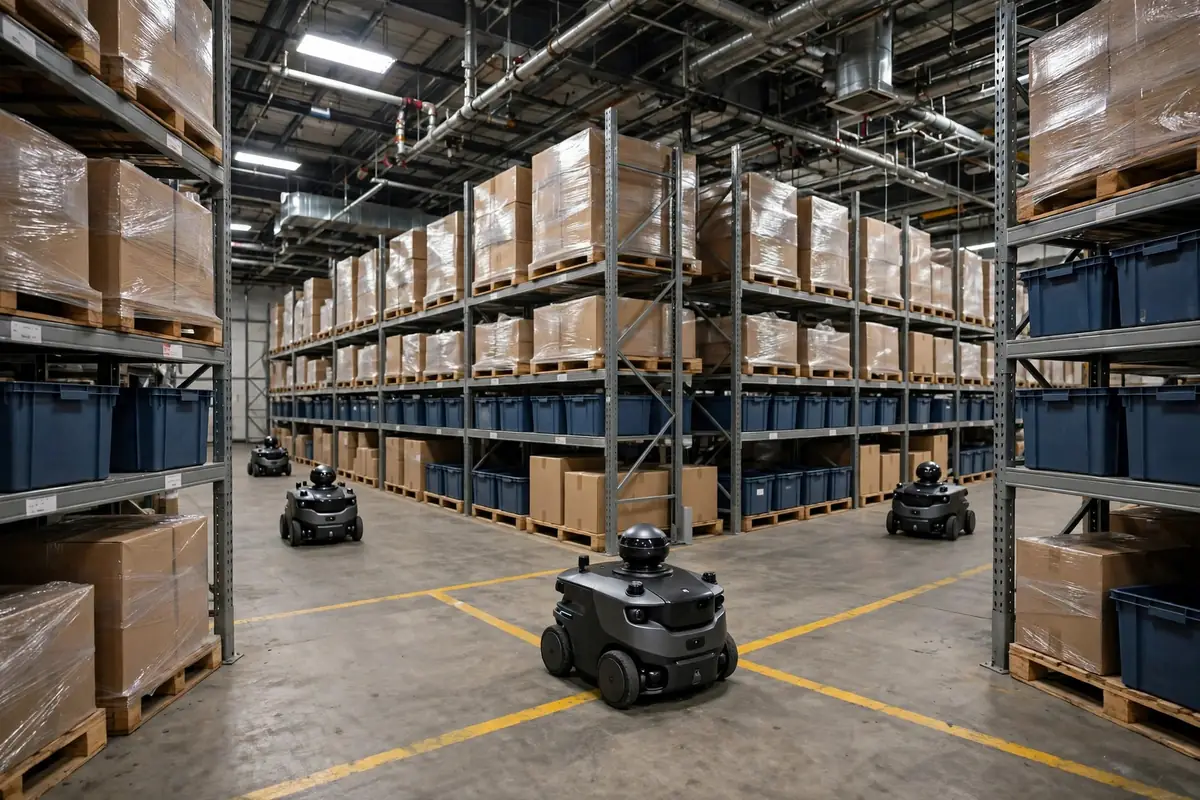
We learned a hard lesson in our own warehouse once. A supplier's conveyor arrived with a genuine certificate and a genuine test report — but the model number on the certificate differed from the delivered unit by one letter. The inspector would not accept it. The machine sat on the dock for two weeks while the manufacturer fixed the paperwork. Since then, our receiving checklist has one more step: model number, certificate holder, and validity date — all three must match before anyone signs.
Two hypothetical scenarios, two different routes
Let me run the numbers with two hypothetical scenarios. These are illustrative estimates built on the public ranges above — get a written quote before you commit to any figure.
The first is a small maker of sorting equipment shipping about 20 units a year to the US, with a finalized design. Domestic lab transfer: testing plus transfer runs about $8,000 to $15,000 over 8 to 12 weeks, no ocean freight for samples, and fast turnaround on fixes. Going to a US body from scratch: about $15,000 to $30,000 over 12 to 16 weeks, with sample shipping and queue time on top. At this scale, transfer wins.
The second is a maker of large stacker cranes shipping five custom units a year, each one built to order. Transfer is the wrong road here: every custom unit differs in structure, a CB report cannot cover all the variants, and you will be doing supplementary tests in the US anyway. Going straight to a US body for whole-machine certification costs more up front, but it settles the models, the factory inspection, and the follow-up in one pass — no repeated hassle on later shipments. At this scale, the US body is the steadier choice.
The counterintuitive judgment is this: certification is not a case of more expensive being better, or faster being better. Paying top dollar for a from-scratch US certification buys you the most widely recognized passport. Paying less for a domestic transfer buys you the best-value ticket in the door. What matters is how many units you ship a year, whether your design is frozen, and which mark your customer asked for by name. If the customer asked for UL and you show up explaining that ETL is "just as good," the logic is correct — and the deal may still be dead.
How to Choose Your Certification Body: A Small Maker's Decision Rule
Here is a decision rule for certification body selection you can use directly, three sentences.
One: your product design is frozen, you ship 10-plus units a year, and no customer has named a specific body — go the domestic lab transfer route. Get the CB report first, then convert it to a US body mark. Shortest time, lowest total cost. Before you start, confirm two things: the report covers the US national deviations, and the target body's recognized scope covers your product standard.
Two: your product is still changing, every unit is custom, or the customer contract names UL — go straight to a US body and certify from scratch. Do not try to save on the test fee first. One rework costs more than the test. And freeze the design before you ship the sample — every design change can force a partial retest.
Three: whichever route you take, write three things into the contract — who holds the certificate, which models it covers, and who pays for the factory inspections. If those three are vague, one sentence from the inspector at the US dock can leave your machine sitting there for two weeks.
One last reminder for everyone in the trade: start certification as early as you can. Labs book four to eight weeks out, longer in the January-to-March and July-to-September rushes. If you only think about certification after the goods are already in the container, nobody can save you. Our rule is simple: the day the equipment order goes out, the certification application goes out with it.
By Chen Feng, Warehouse Operations Manager