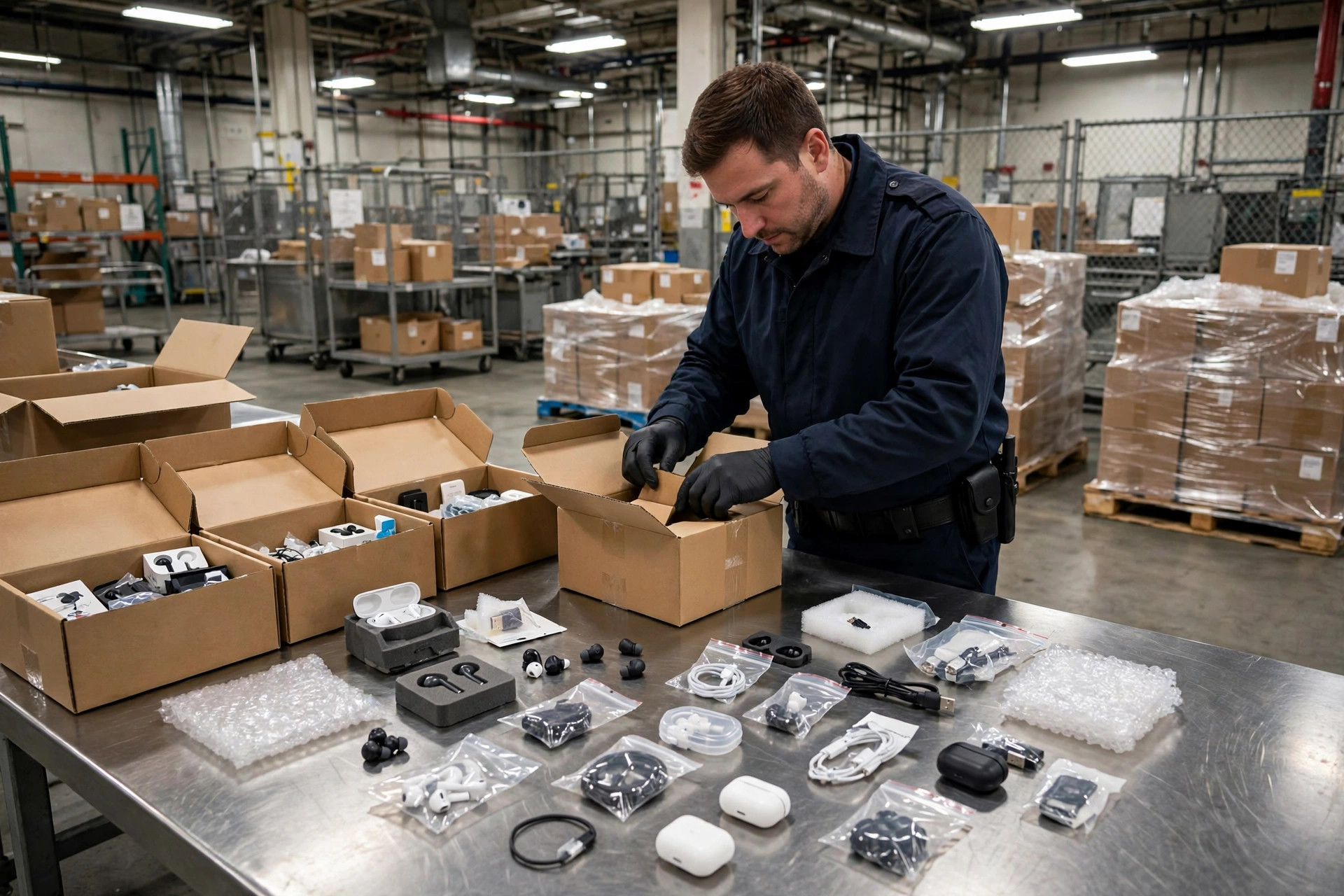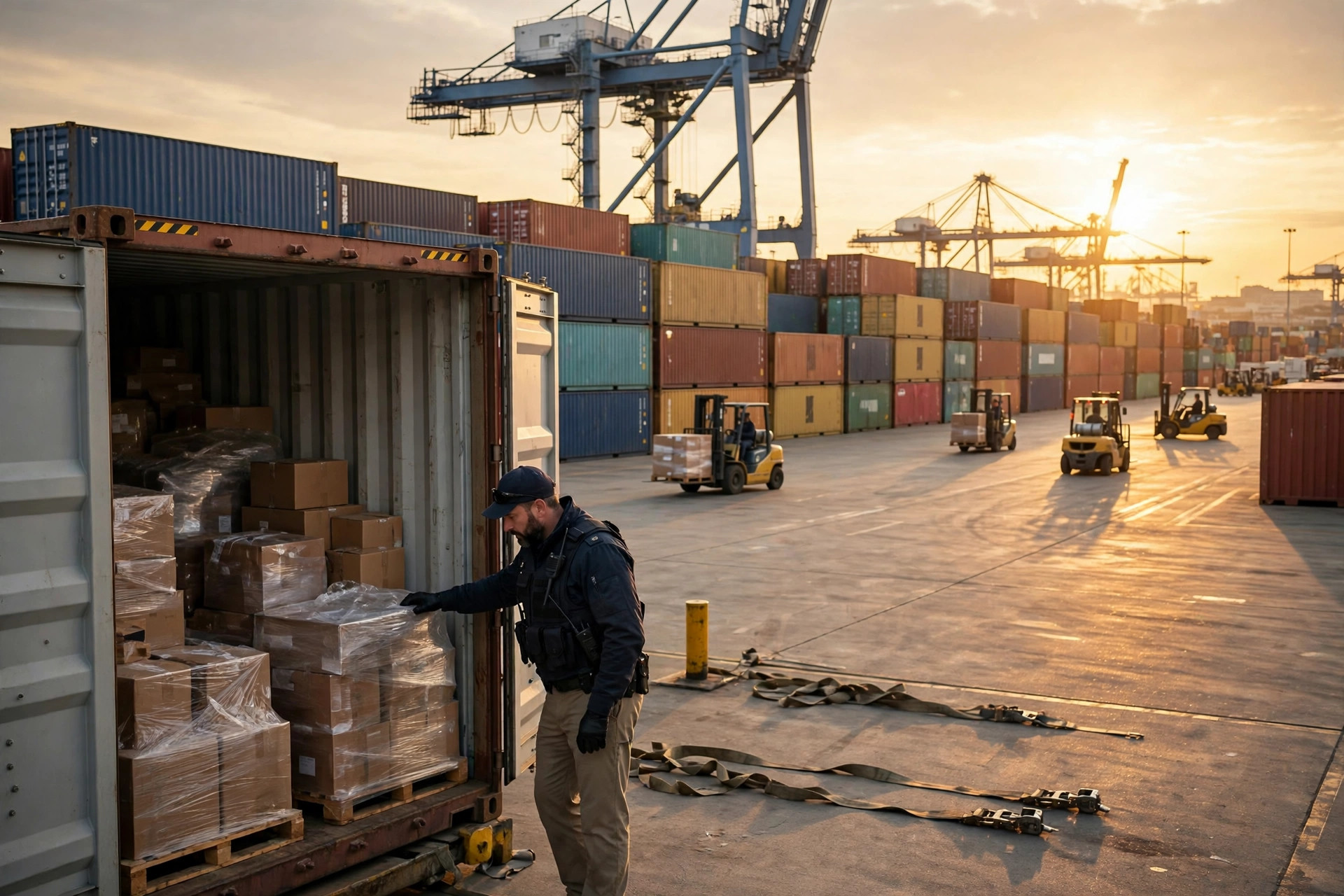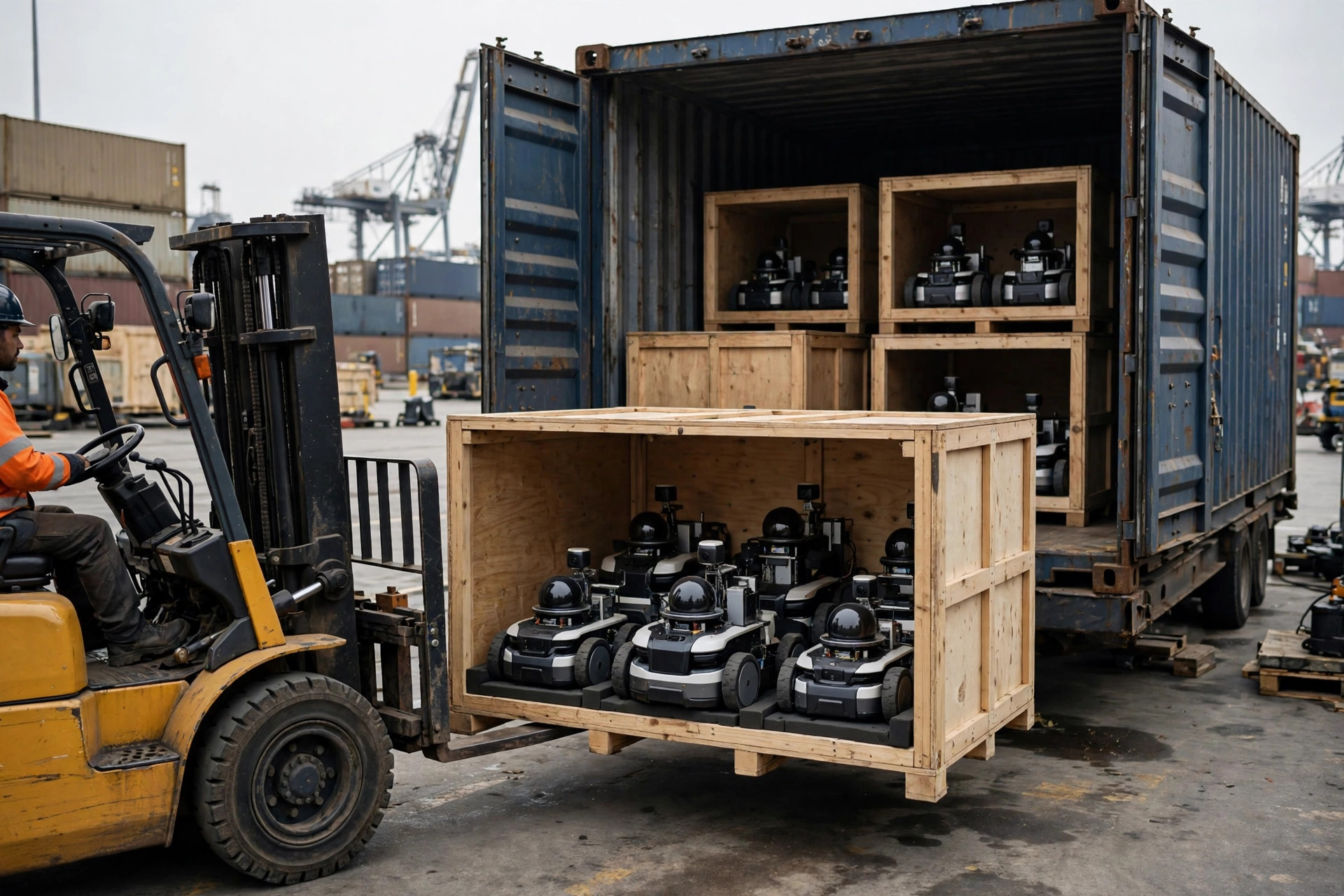
A friend's company imported 20 AGVs from China last year. Fifty thousand dollars apiece, a million dollars of goods on the water. Their broker filed the entry under one tariff code. Then CBP pulled the container for an exam, looked at the machines, and said: wrong code, use this one instead. Ten points of duty separated the two codes. That's $100,000 in extra tariffs on a million dollars of goods, plus storage fees while the container sat waiting. The classification of a single machine punched a hole straight through the project's ROI.
Here's my verdict up front: when American companies import automation equipment from China, tariff classification is the most financially underweighted decision in the whole project. People will spend three months grinding a supplier down 5% on equipment price, then spend zero days confirming the tariff code is right. That's backwards.
What classification is, and why it sets your duty bill
The HTS — the Harmonized Tariff Schedule — is the U.S. customs tariff book. Every imported product has to land on a 10-digit tariff number, and each number carries two things: a base duty rate, and whatever Section 301 additional duties apply.
Section 301 is the extra tariff layer on Chinese goods, rolled out in several tranches. AGVs, automated forklifts, shuttle systems, lithium batteries — most of it is covered. Your real duty burden is base rate plus 301. Two codes can differ by a few points on the base rate and a few more on the 301 layer, and suddenly you're 10 points apart. I won't quote specific rates here — they change, so check the current numbers on the USITC and CBP websites before you rely on anything.
Automation equipment lives in the gray zones of the tariff book, which is why it's a classification minefield. Is an AGV a "vehicle" or a "machine"? It drives itself, so it looks like a vehicle — but it does the work of materials-handling machinery. A four-way shuttle: lifting machinery, or electrical equipment? Lithium batteries imported on their own are batteries, no question; but when they arrive installed in the equipment, are they part of the machine or separate components? Even racking gets tricky — plain steel rack and an automated storage system with electrical controls are entirely different animals in tariff terms. Customs and importers disagree on these boundaries all the time, and customs gets the final word.
Run the math and it gets very real, very fast. A $50,000 machine taxed 10 points higher costs you $5,000 extra. One machine, five grand. Twenty machines, $100,000. That money isn't equipment cost and it isn't freight — it's pure classification cost. You negotiate 5% off the equipment price to save $50,000, and one wrong tariff code eats $100,000. Classification deserves your time.
Getting it wrong costs more than back duties
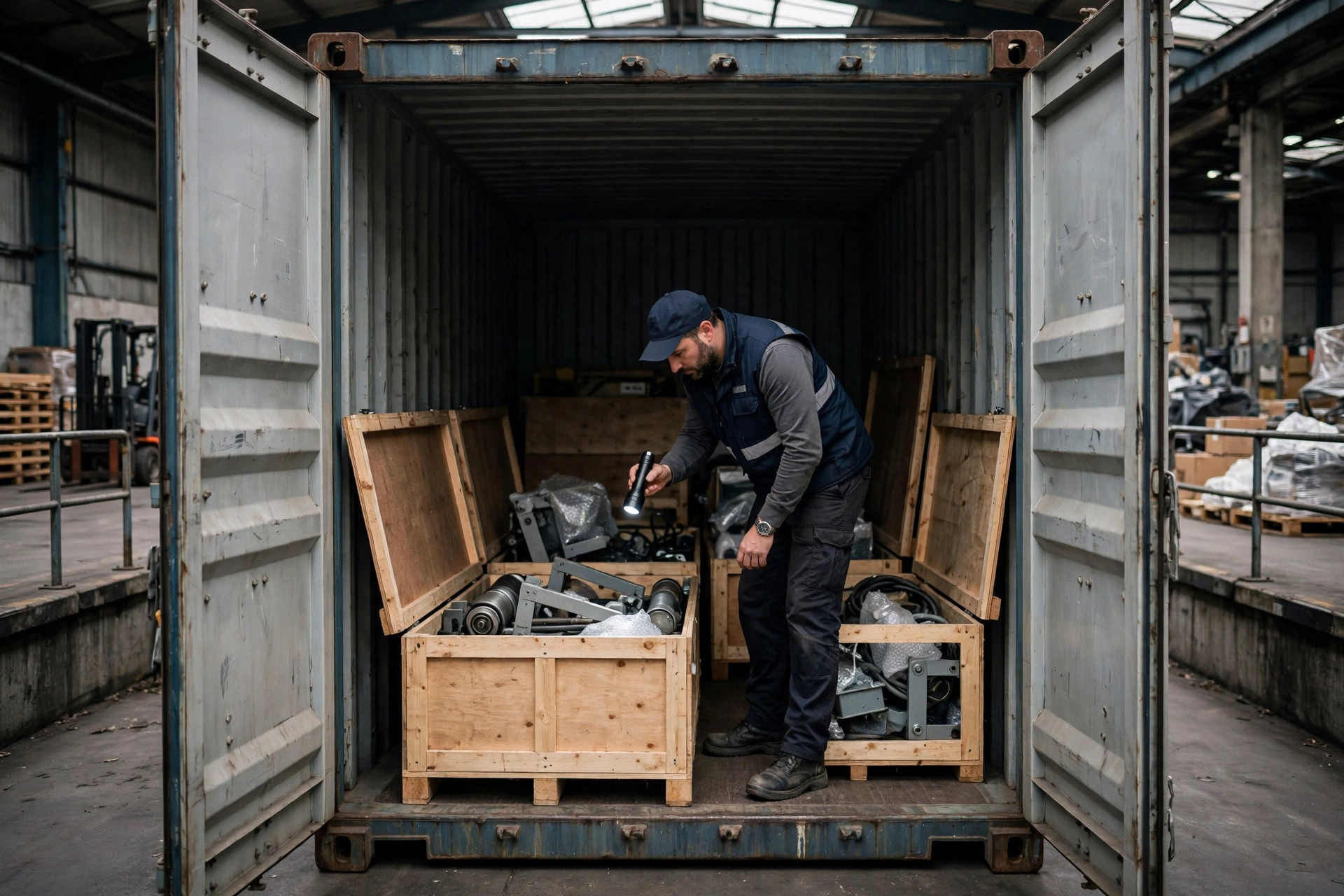
The mild version: CBP doesn't buy your classification, and your container gets held for exam. Demurrage and storage run by the day. A container stuck for two weeks burns thousands of dollars — and worse, your go-live date slides. That's what kills automation projects: the equipment isn't there, and the whole warehouse retrofit schedule falls apart.
Then CBP reclassifies, and the back duties are unavoidable. Here's something a lot of importers don't know: there's a "liquidation" process, and release of your goods doesn't close the book. Customs can revisit your entry for a period after release. Getting through today doesn't mean you won't get a duty bill next year.
The heavy version: if customs decides you deliberately misdeclared to pay less, we're no longer talking about back duties. U.S. penalties for that kind of conduct are severe — fines can run to multiples of the goods' value, and in serious cases your company's ability to import is at stake. I'll leave it there: on classification, stay on the compliant path. Always.
Three compliant ways to lower the bill
First: check it yourself. The U.S. International Trade Commission publishes the full HTS with a free search tool at usitc.gov. Take the code your broker used, spend half an hour, and read the tariff description against your actual equipment. It's the cheapest step in this whole process, and most people skip it.
Second: get it in writing from customs. CBP runs a system called CROSS where you can request a binding ruling. You submit product literature, photos, a functional description, and technical specs; customs issues a written classification decision. That ruling protects you — the next time there's an exam, you produce the ruling and the classification argument is essentially over. The process is straightforward: assemble complete product documentation, describe clearly what the equipment does and how it works, file online, and wait for the response. For automation equipment that sits on tariff boundaries, my advice is simple: on any high-value project, get the ruling. A few weeks of waiting buys you a certain duty number. That's a good trade.
Third: tariff engineering — done inside the compliance lines. Real tariff engineering means making genuine product design decisions that legitimately place the equipment under a lower-duty code: the form it's shipped in, the functional configuration, how it's installed. The rule is one sentence long: it has to be a real commercial and technical decision, backed by complete design documentation. You're not writing fiction to fit a tariff number. Done right, it's a legitimate cost-reduction tool. Done wrong, it's misdeclaration — and the penalties section above was written for exactly that.
One last verdict: classification is not your broker's job alone. Legally, the importer of record is you. If the broker files the wrong code, the back-duty and penalty notices come to you, not to the broker. So you need to understand this well enough to audit your broker's work. That's the bar.
Something you can do tomorrow: pull your last three import entries, look at the tariff codes your broker used, and verify each one yourself on usitc.gov. If a code doesn't match your equipment, ask questions. If the answer isn't clear, file for a binding ruling. Half a day of work might save you the cost of a whole machine.