Here's my verdict up front: if you're taking automation equipment overseas for a trade show or a customer demo, an ATA carnet is the smoothest legal lane for temporary import and export. But smooth doesn't mean free — the real cost isn't the application fee. It's compliance.
The Pit I Watched a Client Walk Into
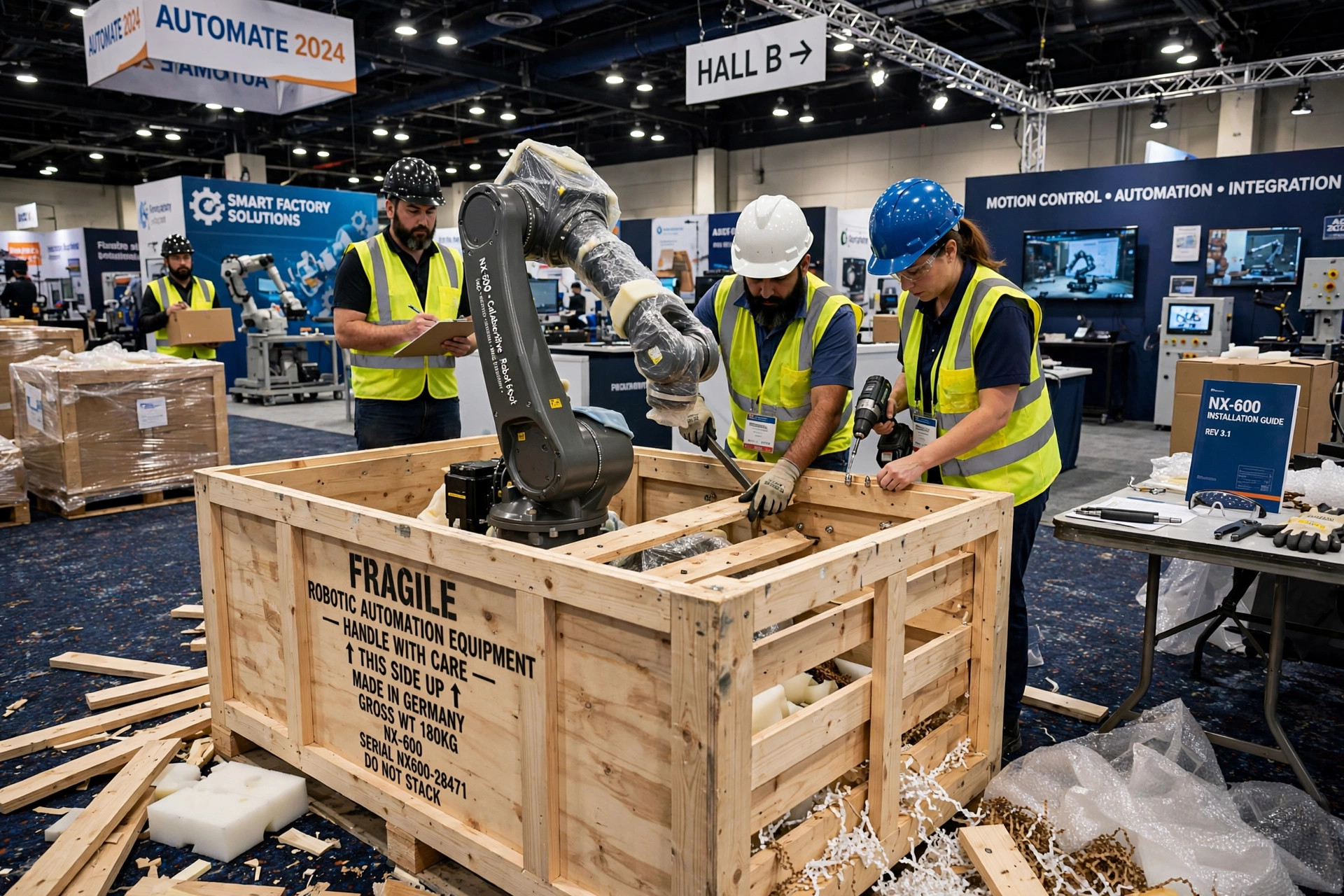
In 2023, a robotics company out of Ningbo — call them N Factory — took two 6-axis robot arms to Automate in Chicago. Combined value somewhere north of a hundred thousand dollars. Before the trip they asked me how to get the machines in. I said: get an ATA carnet. They thought it sounded like a hassle. "We'll just declare them as a normal import, pay the duties, and claim a drawback refund when we bring them back. Same thing, right?"
Not the same thing. The machines went in under a regular import entry, and a big chunk of duties and import taxes got paid up front. The drawback refund took the better part of a year to come back, and it came back short — a few "administrative" deductions here and there. Add up the cost of having tens of thousands of dollars of tax money locked up for months, plus a broker's "complicated case" surcharge when one document didn't match, and they'd spent enough to pay for a dozen carnets.
See, there's always two sides to this. One side is that the carnet sounds complicated. The other side is that people do the math wrong — they treat "refundable" as "free." That's the most expensive misconception in this whole game.
What an ATA Carnet Actually Is
Think of it as a passport for your goods. You apply through your country's issuing body — in China, that's the China Council for the Promotion of International Trade (CCPIT), via its eatachina.com system — and list every machine you're taking out: brand, model, serial number, value. No shortcuts on the details. Then, for one year, that document lets you move those goods in and out of 80-plus member countries without paying import duties or taxes, as long as you bring everything back out before the clock runs out.
Only three categories of goods qualify: exhibition items, professional equipment, and commercial samples. Automation gear going to a show or a customer demo sits squarely in the first two. It's practically built for this.
Using it is a three-step process:
First, get the carnet at home. File the application with company details, carnet particulars, the security arrangement, and the goods list. Per published Chinese procedures, once approved and the security deposit is paid, the carnet is typically issued within about three working days. The security amount is calculated using the destination country's guarantee rate — whichever country you're going to sets the rate, and the final figure is confirmed by the issuing body.
Second, get stamped on the way out. Present the goods and the carnet at your departure port; customs inspects and stamps. Do not skip this. Nine out of ten carnet disasters I've seen trace back to a missing stamp.
Third, enter, use, and re-export on time. Show the carnet at the destination country's customs, get it stamped in; after the show or demo, ship everything back out before the deadline, get the re-export stamp, and close the file with your home customs.
The Math: ATA Carnet vs. Regular Import
Take a $100,000 robot arm going to a U.S. show. The U.S. side has published figures (from the issuing body USCIB and U.S. Customs CBP): processing fees run $255 to $545 depending on goods value; the standard security amount is 40% of the General List value (about $40,000 here), which you can cover with a surety bond instead of cash at a premium of roughly 1% (about $400, minimum $50). China's issuance fees and guarantee rates follow the latest CCPIT standards.
| ATA Carnet | Regular Import Entry | |
|---|---|---|
| Filing cost | Tiered by goods value ($255–$545 in the U.S.) | Broker fee per shipment |
| Duties / security | Security ~40% of value; with a bond, real out-of-pocket is ~1% premium | Full duties and import taxes paid up front |
| Cash tied up | A few hundred dollars in bond premium | Tens of thousands in taxes locked for months |
| Getting it back out | Re-export, get stamped, case closed | File for drawback refund — slow, paperwork-heavy |
| Multi-country tour | One document, valid 1 year, multiple trips | Start over in every country |
Check the latest official schedules before you rely on any figure, but the direction is clear: the higher the value and the more countries on the itinerary, the more the carnet wins. Flip it around, though — one country, low value, and the carnet's fixed costs might not beat a plain entry. That's the trade-off. Do your own math.
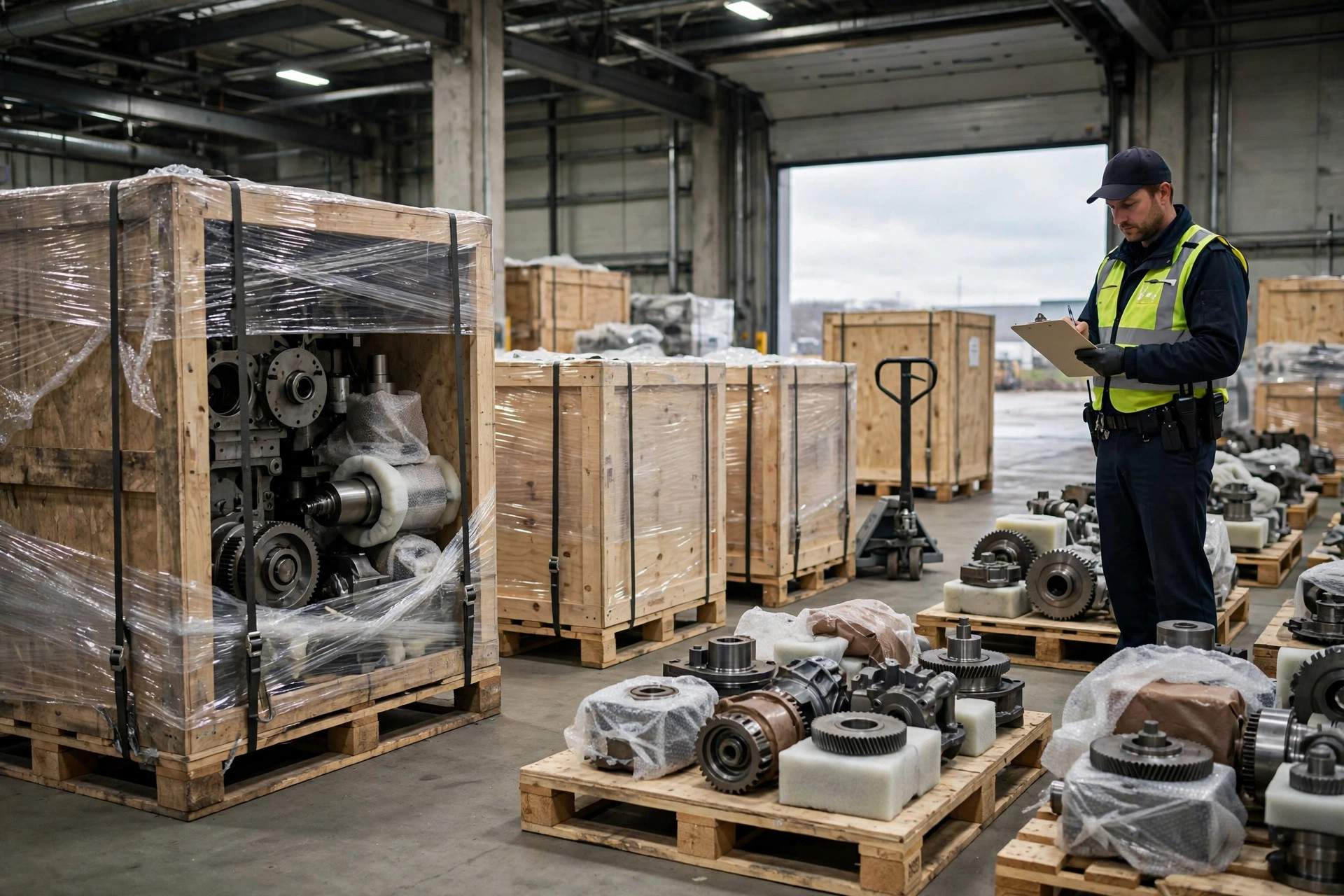
What the Carnet Can't Do: Three Ways People Get Burned
First, the line between what qualifies and what doesn't is hard and unforgiving. No consumables on the carnet: brochures for the booth, lubricants used up on site, spare parts you plan to sell on the spot — none of it belongs on the document. In 2024, a machine-vision company stuffed a few boxes of brochures into its carnet goods list for a German show. Hanover customs opened the crates, flagged the whole shipment, and held it for two days while the booth sat half-built. Write the goods list like your show depends on it, because it does.
Second, every movement needs its paper trail. CBP's published guidance is blunt: present the goods and the carnet to customs at export from the U.S., import and re-export abroad, and re-import home. Miss any leg, and the penalty can be 110% of the duties and taxes owed. I watched a company ship its machines home by courier after a show to save time — no re-export stamp on the carnet. It got treated as a failure to re-export on time, and the assessment that followed made the original carnet fee look like pocket change.
Third, carnet goods generally can't be sold locally. This is the classic trap: the demo unit sits at the customer's site for three months, the customer says, "Don't bother shipping it back — just sell it to us." The carnet can't help you there. The correct move is to contact your carnet issuer and local customs and convert the entry to a formal import, paying the duties owed. Don't sell it quietly and report it "lost" — that's smuggling, a completely different animal, and it's not worth your company's future.
One Line to Close
So before your next show, ask yourself one question: is this machine going over to be seen, or going over to stay? Answer that first. Then decide whether you need this document.
By Lao Mi, Supply Chain Veteran (20 yrs)