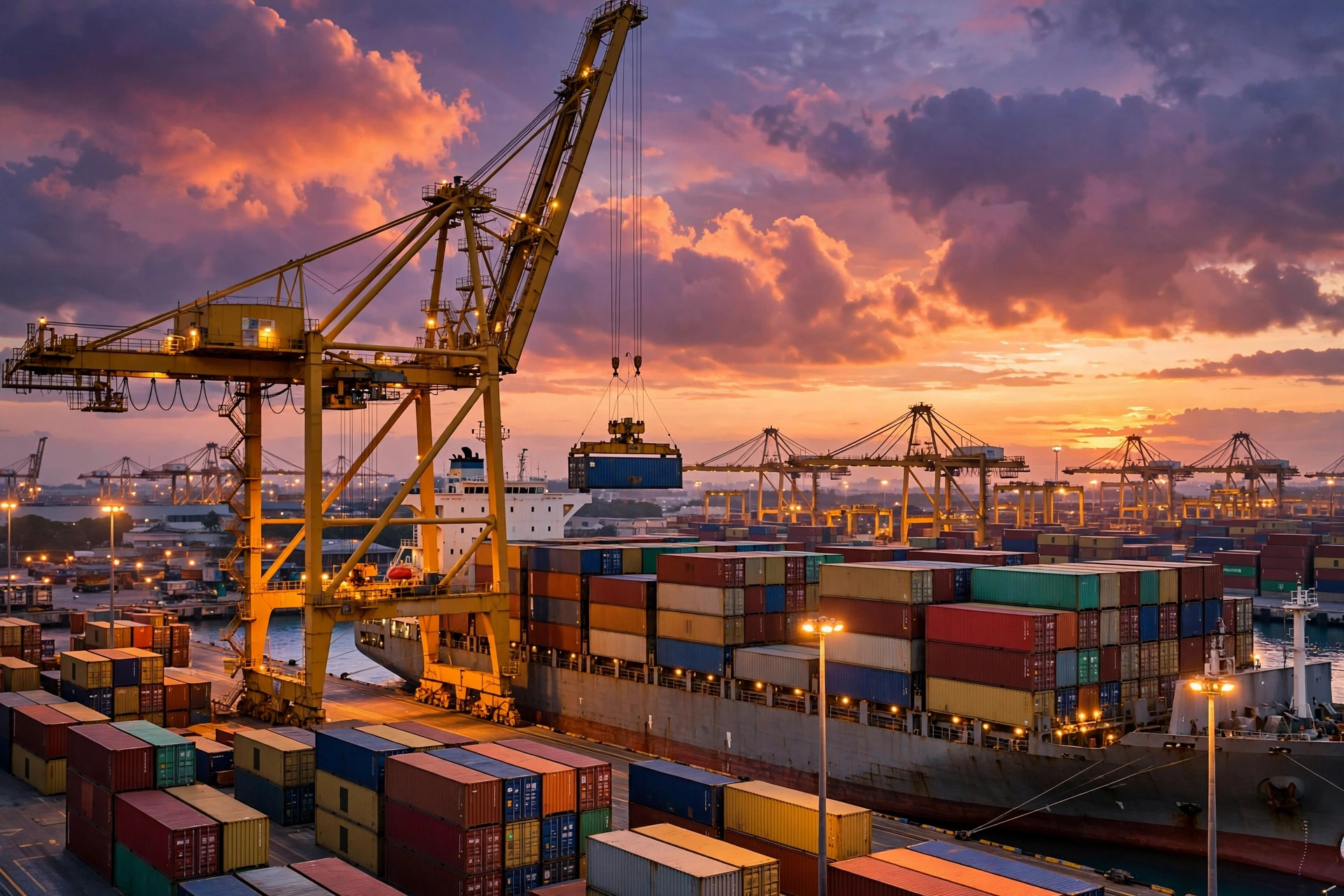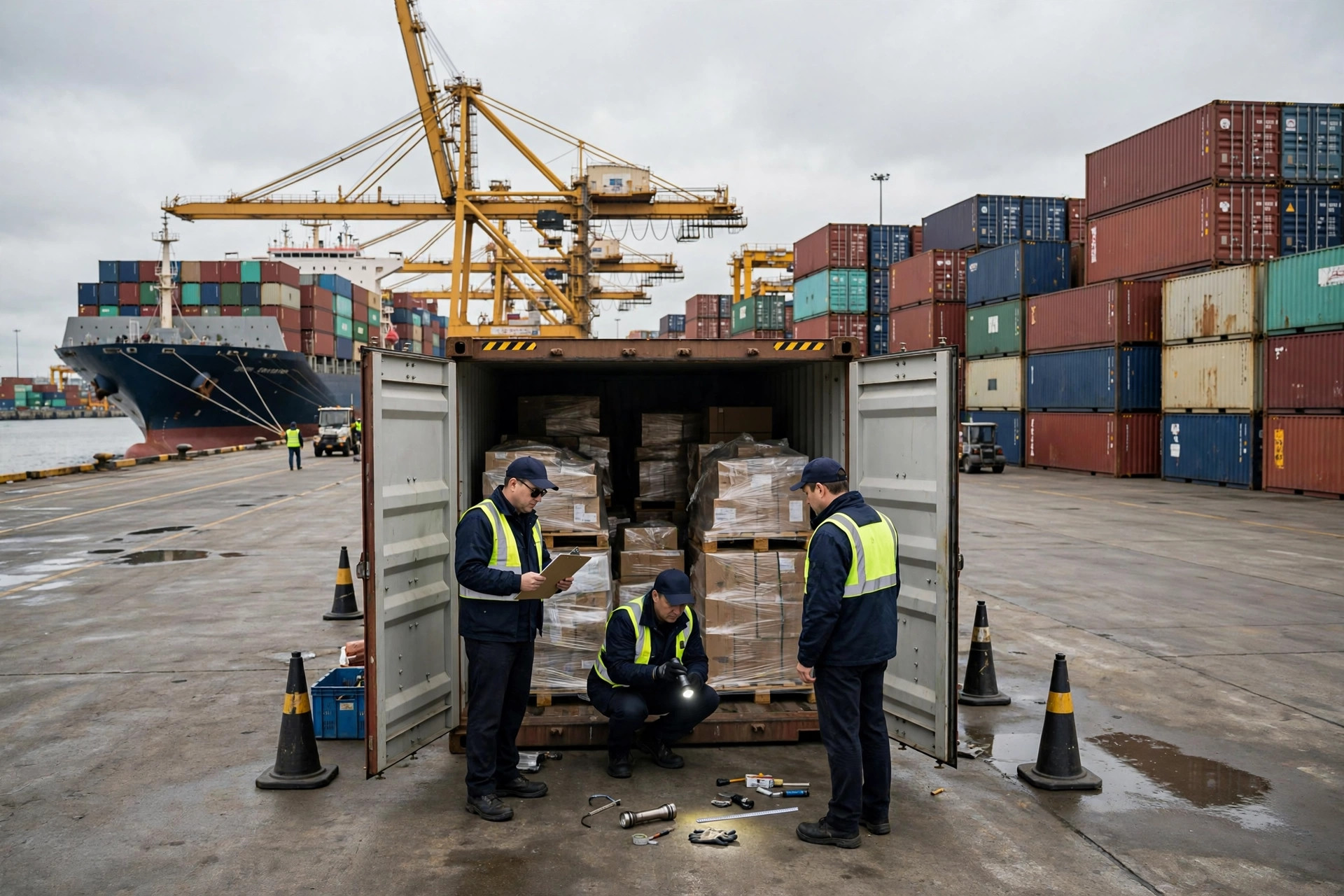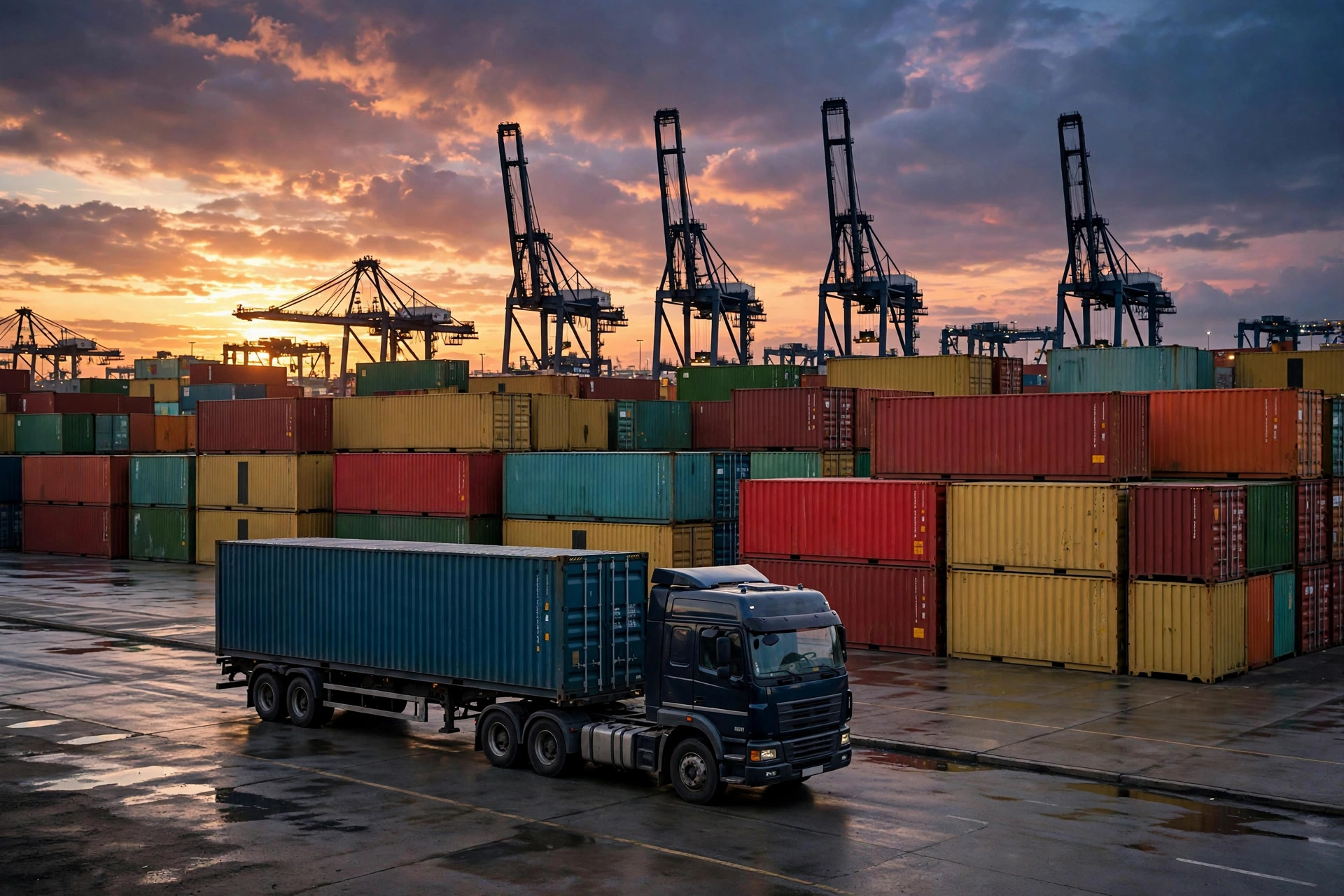
We had a client — furniture importer — who took a beating at the Port of Los Angeles last fall, and it forced us onto in-bond transit for him: one container arrived, got queued for exam, and sat there for three weeks while demurrage and storage ticked up every single day. He called me and said, "Susan, the port is eating this container's entire margin." So for his next shipment we skipped port clearance entirely — filed the in-bond on CBP Form 7512 and had a bonded carrier pull the container straight to his inland warehouse in Nevada, clearing customs there instead. The exam still happened — but the storage meter stopped. That port "money printer" finally got switched off.
That's in-bond: freight moves from the port to an inland bonded warehouse or designated facility without completing customs clearance at the port. Let's do the math properly today — which money it saves, which risks it carries, and when it's worth doing.
Another Client of Ours: The In-Bond Savings Are Real Money
Back to the furniture client — when we ran the numbers, even he was surprised. In-bond saved him three kinds of money:
First, port storage and demurrage. After a vessel arrives, free time is usually just a few days, then it's per-container per-day after that. When the port clogs up in peak season, exam queues run two to three weeks, and that meter burns daily. In-bond pulls the container out — the burning stops.
Second, rush costs. To dodge storage fees, he used to pay through the nose for expedited clearance and rushed pickups. Moving the clearance step inland takes the time pressure off, and the rush fees disappear with it.
Third, duty deferral at the inland warehouse. Freight sits in the inland bonded warehouse, and clearance waits until the sales cycle calls for it. Every day duty goes unpaid is a day of breathing room for cash flow. For an importer running tight on cash, that's real money.
One caveat: I'm not quoting you specific rates here — port fees and carrier quotes change year to year, so check CBP's site and each port's latest published schedules. The direction is right; get your own numbers.
How In-Bond Really Works: The Risks Are Just as Heavy as the Savings
In-bond is no free lunch. Three risks, and each one needs to be nailed down in the contract:
First, loss and damage in transit. A container traveling hundreds of miles from port to inland warehouse — if it's lost, damaged, or opened en route, whose problem is it? The chain of custody for in-bond freight is longer than a standard clearance, the carrier must be a qualified bonded carrier, and the insurance terms need separate scrutiny. Don't assume a regular drayage carrier's policy covers it. It doesn't.
Second, bond capacity. In-bond draws on the importer's customs bond — one container, one slice of capacity. High-value freight or high container volumes can max it out, and you need to increase it in advance. Run out of capacity mid-move and the freight gets stuck in the transit leg, going nowhere.
Third, failure to close out on time. In-bond freight must complete clearance at destination within the prescribed window; missing it brings penalties. Check CBP's official site for the current time limits and penalty amounts — I'm not making up numbers — but hear this: the penalties aren't light, and they hit your company's customs compliance record. A damaged record means every future shipment gets extra scrutiny. That costs more than any fine.
A true story on bond capacity, because I've watched this one go wrong: a Texas client ran six in-bond containers back to back in peak season and quietly maxed out his bond without noticing. Container number seven arrived at the port with no capacity left, and the freight sat frozen in the transit leg while port storage kept burning. His broker scrambled to increase the bond — four days lost, half the savings gone. So remember: before you run in-bond, have your broker put the remaining capacity on the table in writing, and if you're moving multiple containers in peak season, top it up a month ahead.
Choosing the bonded carrier has its own tricks, too. Don't shop on price alone — ask how many in-bond moves they run a year, whether they have a dedicated compliance contact, and how their loss-and-damage claims process works. The cheapest quote usually belongs to the carrier you can't reach after something goes wrong. In this business, cheap and reliable are rarely the same company.
Your Decision Framework: Which Freight Is Worth the In-Bond Play
Not every shipment suits in-bond. Run it against this table:
| Situation | In-bond | Clear at port |
|---|---|---|
| Port congested, exam queue over a week | ✅ Pull it out, stop the bleeding | ❌ Storage burns the margin |
| High cargo value, big duty bill | ✅ Defer duty, cash-flow friendly | Depends on your cash position |
| You have an inland bonded warehouse or partner facility | ✅ Clear on your own schedule | No need for the extra move |
| Low value, extreme urgency, selling today | ❌ Transit adds a day or two | ✅ Faster is better |
| No reliable bonded carrier available | ❌ Nobody covers the road risk | ✅ Don't gamble the freight |
One-line summary: the more congested the port, the higher the cargo value, and the better your inland setup — the more in-bond pays. Flip it — low value, rushed timeline, no solid carrier — and just clear at the port like everyone else.
Next Time You're Negotiating, Ask These Three Questions
Question one — to your forwarder: "For this in-bond move, can I see your bonded carrier's credentials and insurance?" No credentials on paper, no deal.
Question two — to your customs broker: "How much bond capacity do I have left? How much does this shipment use? What's the close-out deadline?" Top up capacity before you need it, not after the freight gets held.
Question three — to yourself: "Can this shipment's margin absorb the extra transit cost and risk?" Add up the drayage, the insurance, the possible delay — whatever margin is left stares right back at you. If you can't do that math, don't run in-bond.
In-bond is a good tool, but tools are neutral. People who know how to use it save real money; people who don't dig their own hole with it. The difference isn't the tool — it's whether you did the math before you picked it up.
By Susan, 3PL Sales Director