
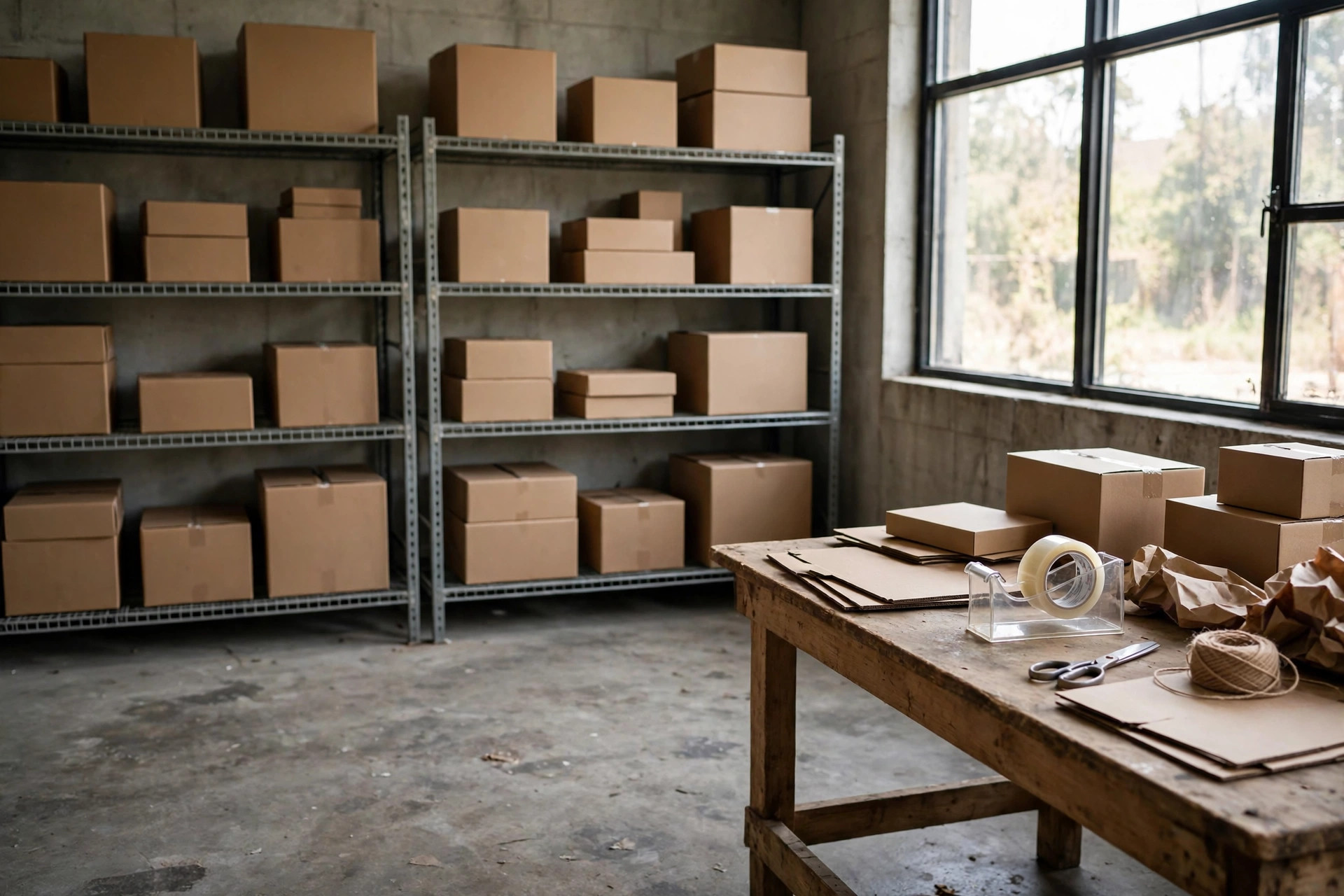
"How much does it cost to open a small warehouse?" I get asked that a dozen times a year. People Google "how to start a warehouse business" and expect one clean number. Here is the ugly truth up front: there is no standard answer. I have seen people get going on twenty-something thousand dollars, and I have seen people burn through two hundred thousand before their first order ships. The difference is not in the words "open a warehouse." It is in how you open it.
Let me start with my own mess. In 2023, I signed a lease on my current warehouse in California's Inland Empire, a little over 3,000 square meters. The day I paid the deposit plus the first month's rent, my phone buzzed with the bank alert and my heart sank right along with it. I had maybe six months of runway left. Big companies open a warehouse by building a team, then installing a system, then finding customers. We small warehouses do it backwards: survive first, look respectable later.
How to Start a Warehouse Business on a Shoestring: The Lease
The lease is the biggest line in your startup budget, and it is also the most negotiable. Deposits at the places I looked were generally one to two months' rent. My landlord opened at three months. I did not argue head-on. Instead I offered something he wanted: a three-year term, with me covering minor repairs myself so he would never get a call about a leaky faucet. The deposit came down to two months, and I squeezed out an extra month of free rent on top.
Free rent is the part many first-timers are too shy to ask about. But think about it from the landlord's side: an empty warehouse earns nothing, and you need time to install racking and bring in your first stock. Asking for one to two months of free rent during build-out and move-in is a normal conversation, not a crazy demand.
My cheap trick: I rented half the space first, with a clause in the contract giving me first refusal on the neighboring unit. If business grows, I expand. If it does not, the rent does not kill me. And when you tour a space, bring a tape measure. Are the dock doors tall enough? Are the sprinklers in place? Can the floor handle a forklift? Is the neighborhood safe at night? Everything you fail to check before signing becomes your money after signing.
Licenses and Insurance: Money You Cannot Skip, But Do Not Let a Broker Rush You
Licensing rules vary by state and city, so check your local government's official website for the latest requirements rather than trusting anyone's word of mouth, including mine. From my own experience, there are four things to confirm before you sign anything: a business license, zoning approval, a fire inspection, and insurance.
Zoning is the trap that catches the most people. A warehouse can look cheap and well located, but if the zoning does not allow warehousing use, you have not saved money, you have bought yourself an expensive lesson. I took the address to the city office and confirmed warehousing was allowed before I signed the lease.
On insurance, let me say a bit more. You need general liability coverage and cargo coverage. If something happens to a client's goods inside your warehouse and you are uninsured, that is game over. The quotes I got from different brokers were all over the place, so I compared three before deciding.
How to Start a Warehouse Business Without Burning Cash on Equipment
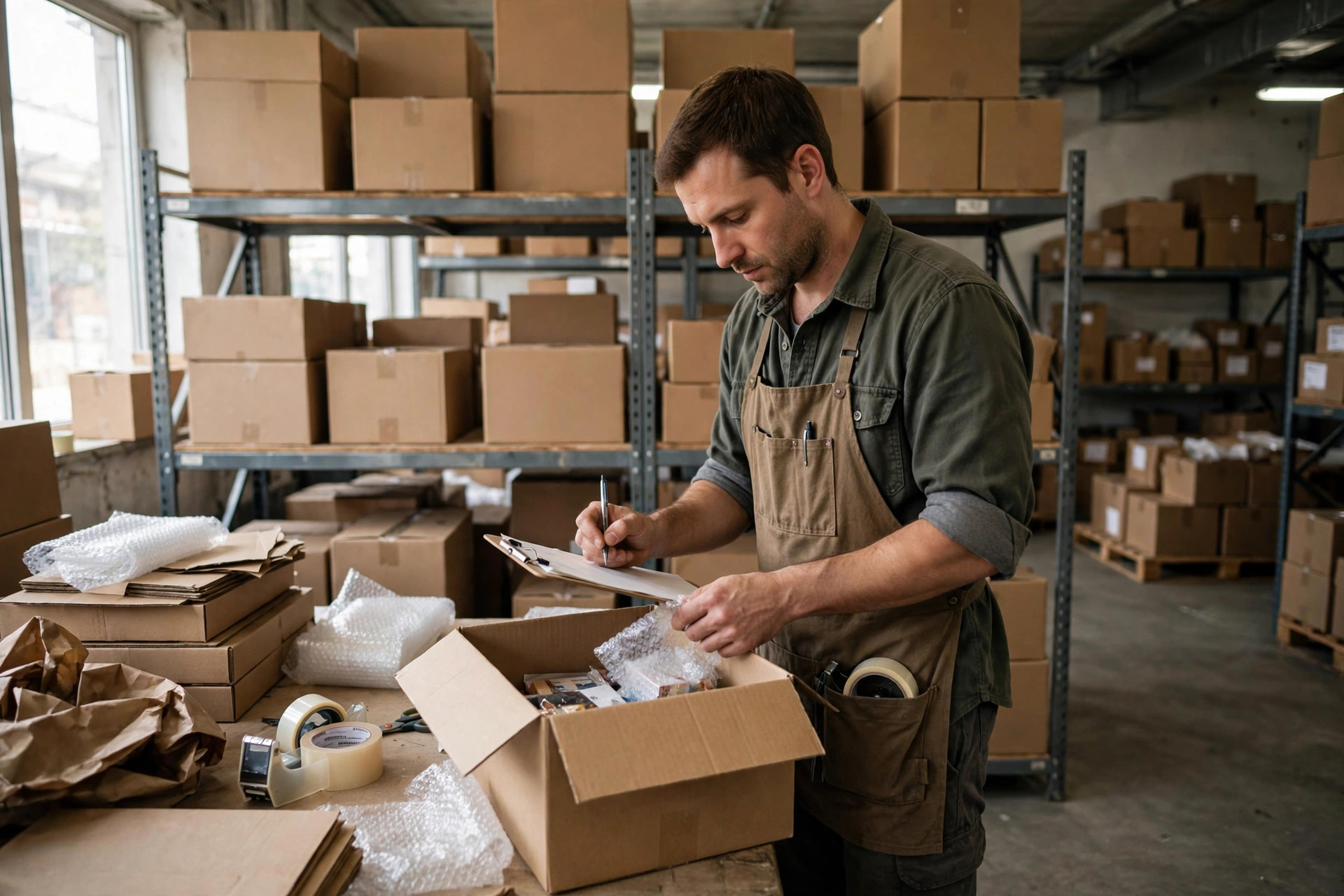
Big companies open warehouses with brand-new everything, shiny and impressive. We small warehouses do not play that game. My first batch of racking came from a warehouse that had gone out of business. It cost less than half the price of new racking, and after a wipe-down it worked exactly the same. My first forklift was used too. I brought a veteran mechanic with me to test-drive it, check the hydraulics, and look over the maintenance history before I paid a cent.
The equipment rule for a small warehouse is simple: if it works, it is good enough. It does not have to look nice. I built my packing bench out of lumber myself. Packing tape, a label printer, and a barcode scanner cost very little combined, yet they are the tools that actually earn your living every day.
Where Does the First Order Come From? Go Find It, Do Not Wait for It
My friend Jay opened a small warehouse in Dallas, and his start was even scrappier than mine. He began with a corner of a shared warehouse and two rows of racking. His first client was a local pet-supply online seller doing a little over 200 orders in the first month. Jay packed every box himself and even delivered some orders personally. He kept that client. Six months later, the seller's monthly volume had multiplied several times over, and Jay had rented a whole warehouse of his own.
My first order came through a friend: overflow work from a big 3PL. During peak season they were bursting at the seams and handed off the small clients they could not handle. The margins were thin, but the work taught me the ropes and built my reputation. My three scrappy tactics: hang around local seller groups and the chamber of commerce until people know your face; volunteer for overflow work from big warehouses; and over-serve your first clients, because for a small warehouse, reputation is the advertising budget.
The Startup Bill, in Two Tiers
The table below is my rough math from what I actually spent plus the quotes I collected. Costs vary a lot by city, so treat this as a planning reference, not market data:
| Where the money goes | Light start (shared space / small site) | Proper start (independent small warehouse) |
|---|---|---|
| Deposit + first rent | A few thousand dollars | Twenty to thirty thousand dollars |
| Licenses + insurance | A few thousand dollars | Over ten thousand dollars |
| Racking + equipment (mostly used) | A few thousand dollars | Tens of thousands of dollars |
| Software + miscellaneous | One to two thousand dollars | A few thousand dollars |
| Working capital reserve | Ten to twenty thousand dollars | Tens of thousands of dollars |
| Total (rough) | Twenty to fifty thousand dollars | Roughly one to two hundred thousand dollars |
See the gap? A light start and a proper start are not a few thousand dollars apart. They are an order of magnitude apart. So before you sign a lease, answer two questions: how much cash do I actually have, and where is my first batch of customers coming from? If you cannot answer both, do not sign yet.
The Three Money Pits That Swallow Beginners
The first pit: renting too big. Some people open with a grand, spacious warehouse, the racks half empty, the rent due in full every month. I have watched someone get crushed by rent within three months while barely any stock had come in. The small-warehouse rule: better to be a little cramped than to pay rent on empty air.
The second pit: buying everything new. Brand-new racking, forklifts, and packing lines add up to a fortune. Until your order volume exists, used equipment is more than good enough.
The third pit: installing a full system on day one. Some people open their doors with a complete warehouse system and a full staff, all for show. A small warehouse can start with a spreadsheet and a barcode scanner.
Advice for My Fellow Small Warehouses
My little warehouse survived, and it slowly built up repeat clients. Looking back, the hardest part of opening a warehouse was not the money. It was the habit of doing the math: before every dollar goes out, ask whether that dollar helps you win the next order.
If you want to open a small warehouse too, my advice is three lines long. Negotiate free rent and an expansion clause into your lease, and do not let square footage strangle you. Buy used equipment first, and upgrade only when volume earns it. Go chase your first customers in person instead of sitting in the warehouse waiting. Do those three things and your startup bill will shrink by a big chunk.
Big companies have big-company ways, throwing millions of dollars at a launch. We small warehouses do not compete on that. We compete on who lasts longer and whose reputation holds up. Get the startup math right, serve that first order well, and let time do the rest.
Small warehouses have their own way of surviving.
By Xiao Ma, Small Warehouse Owner





