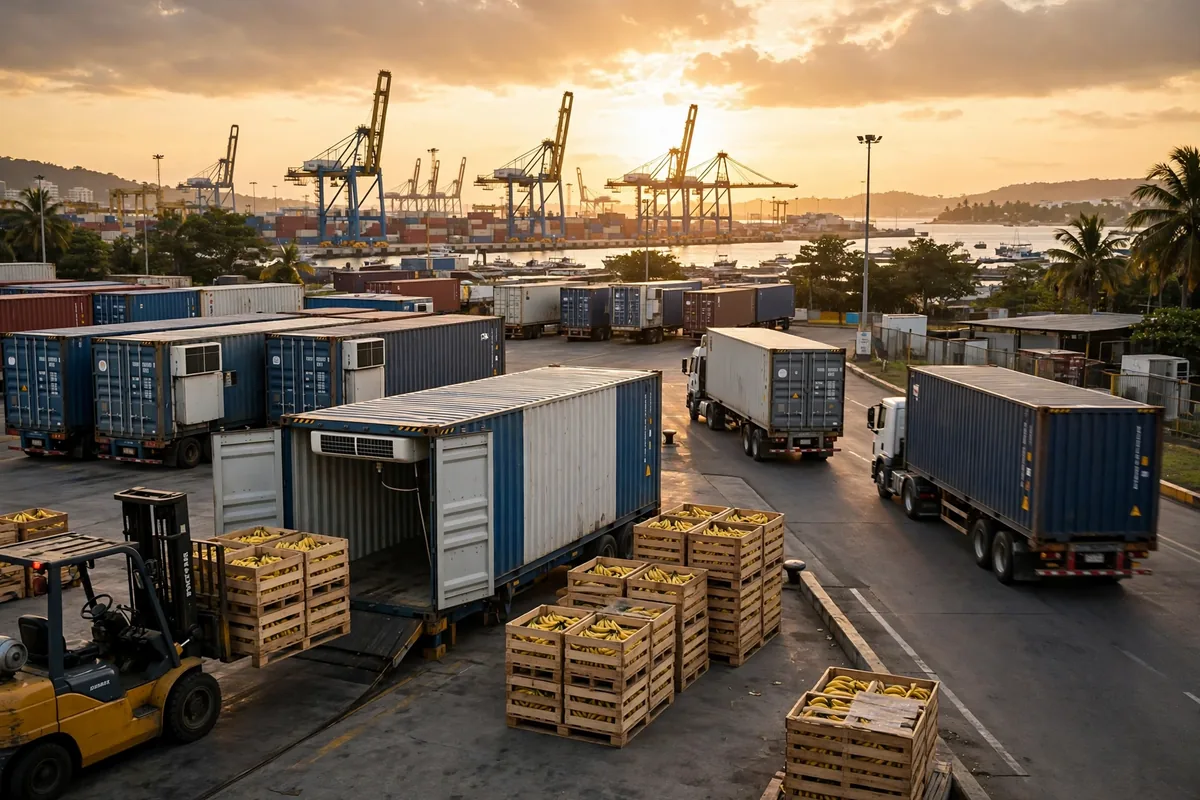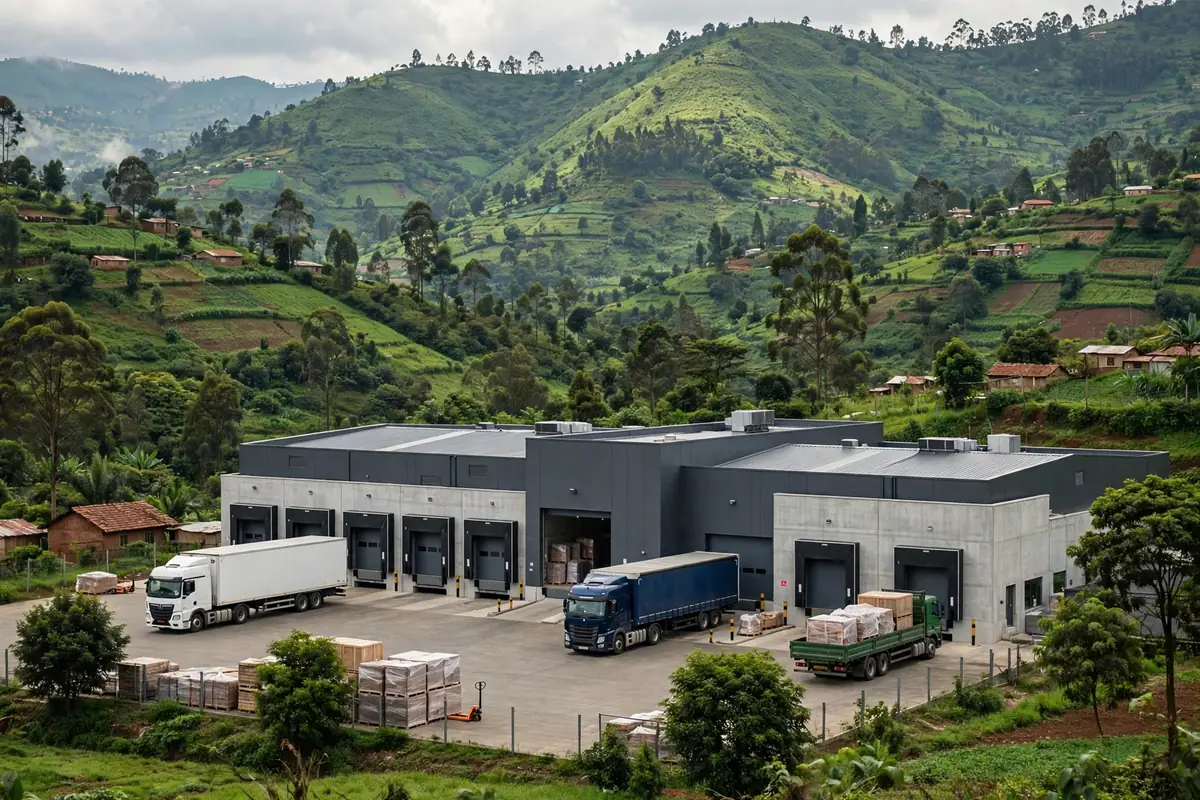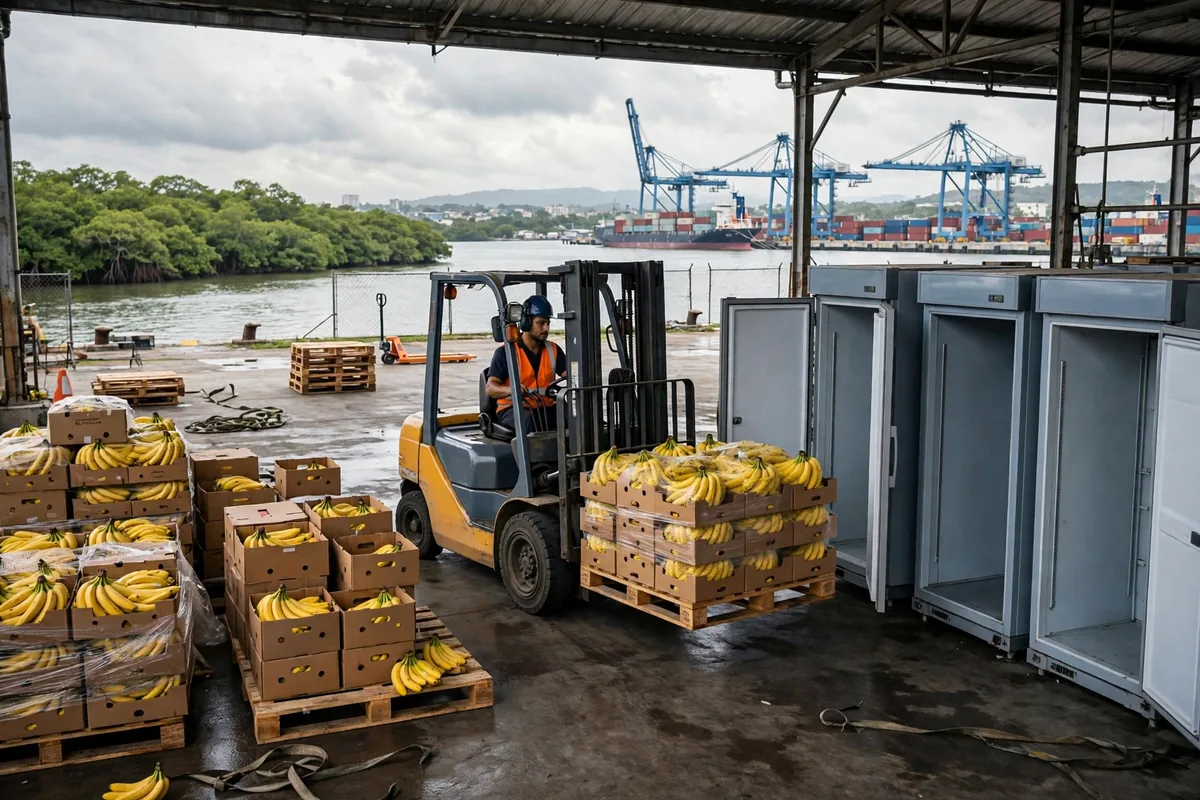
Let me tell you straight: guayaquil ecuador port warehouse logistics is not something you can understand from a desk, reading documents. You have to ride the truck. I have been driving for fifteen years, and I have run into more South American ports than I can count. Guayaquil has its own temperament. When cargo peaks, the warehouse, the port, and the trucks are all tied to the same rope — nobody gets an easy day. Bananas and shrimp are the two main characters here, and the busy and slow stretches of the year are clearly divided. In peak weeks, the dock doors at the port-side warehouses can be queued from before dawn until dark.
A Load of Shrimp I Will Not Forget
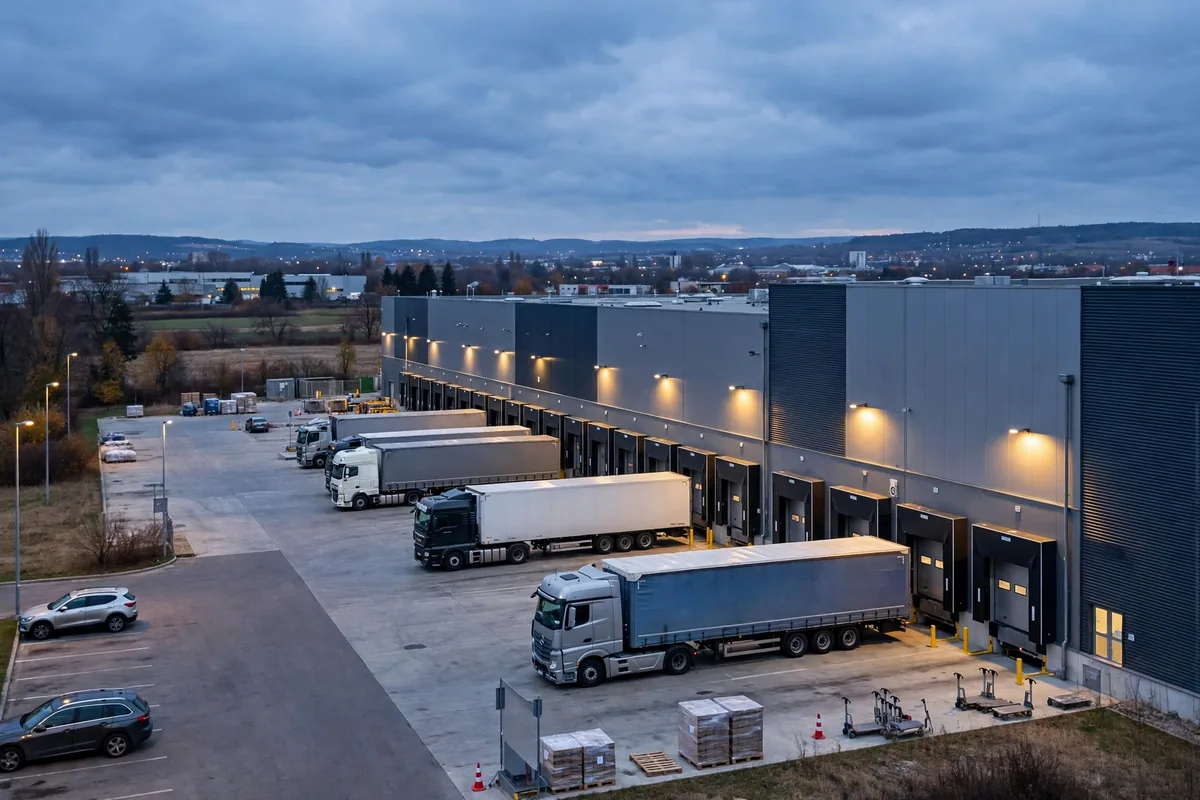
Let me start with a story. During a shrimp season a while back, I hauled a load of frozen shrimp to a warehouse near the port, booked for an eight o'clock dock slot. I arrived before half past five, thinking I would get a good position. There were already more than a dozen trucks ahead of me. Asking around, I learned that a vessel's berthing had been pushed back the night before, the terminal yard could not clear space, and warehouse receiving had slid back with it. My truck sat in the sun until midday before unloading, reefer unit running the whole time, burning diesel by the hour.
What does that tell you? In Guayaquil, the warehouse and the terminal live and die together. Your goods can be staged perfectly inside the warehouse, but one change in the vessel schedule scrambles everything. The terminal can load as fast as it likes, but if the warehouse releases slowly, the trucks all pile up on the road. Later, once the warehouse manager and I got to know each other, he started calling me before delivery days to say whether the vessel schedule was holding and whether a dock door would be free. One phone call that costs nothing saved me two or three hours a trip. Small action, real money.
Banana Season Is a Different Kind of Busy: The Seasonal Ledger of Guayaquil Ecuador Port Warehouse Logistics
Bananas are not like shrimp. They ship all year, but volumes come in waves, and in the heavy weeks the packing plants, the warehouses, and the terminal all run without pause. I hauled bananas for a stretch — loaded at an origin warehouse, carried to a port-side facility for consolidation, then on to the terminal. The thing you fear most is waiting in the middle. Bananas cannot wait. Every extra day sitting on a truck moves ripening one step forward, and by the time the fruit reaches Europe, the quality bill lands on everyone who touched the chain.
One peak season, I watched a long line of trucks backed up outside a warehouse, and the reason was almost embarrassing: it was not a space problem. The warehouse had run short of pallets and stretch film. The fruit had arrived, but it could not be palletised and received. The young warehouse supervisor was sweating, on the phone chasing his supplier for film, while the trucks simply waited outside. Fifteen years on the road have taught me this: when peak season goes wrong, eight times out of ten it is not the big equipment that fails. It is the small consumables and the small steps nobody bothered to check.
So here is plain advice for shippers and warehouses alike. Before the peak, stock pallets, stretch film, labels, and seals above your normal level, and lock delivery time windows with your regular carriers in advance. The table below is not an official standard — it is a checklist I have put together from my own years of driving and from talking with warehouse managers. Run through it before the season and you will avoid most of the pain.
| Stage | Most common peak-season blockage | What to do in advance |
|---|---|---|
| Warehouse receiving | Vessel changes, dock queues | Confirm vessel schedule and dock availability by phone before dispatch |
| Palletising and receiving | Pallets, film, and labels run short | Stock consumables at peak-season levels ahead of time |
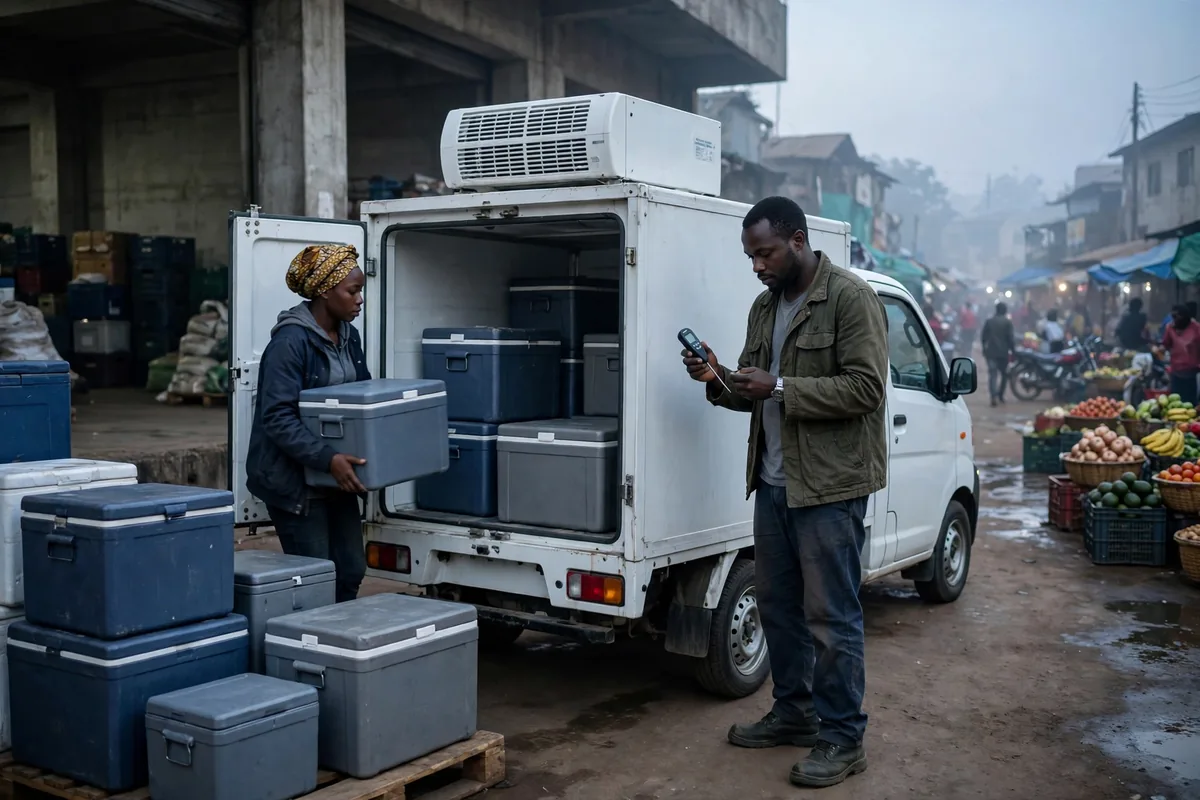
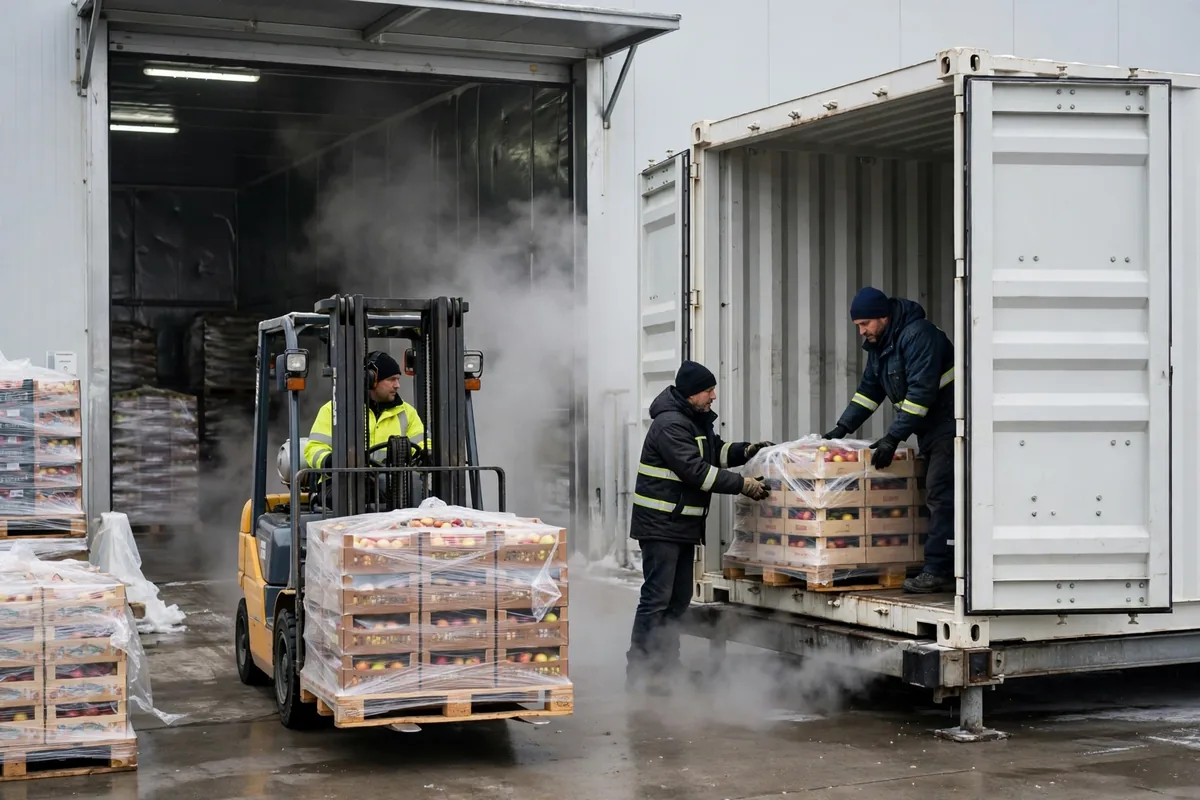
| Cold-chain waiting | Reefers burn fuel while trucks queue | Reserve plug-in points or a priority dock for refrigerated trucks |
| Warehouse-to-terminal transfer | Release time misses the terminal cut-off | Work backwards from cut-off to a latest release time |
| Document handover | Missing pages, mismatched details | Driver and warehouse clerk check the paperwork face to face before departure |
Warehouse-to-Dock Handover: Where Guayaquil Ecuador Port Warehouse Logistics Breaks Down
Plenty of people think the job is done once the cargo leaves the warehouse gate. I am telling you, that short leg from warehouse to port is exactly where things go wrong. Is the seal number right? Is the piece count right? Does the container number on the documents match the box actually standing there? These checks take five minutes at the warehouse dock. Discover the mismatch at the terminal gate instead, and the truck gets turned around, rejoins the queue, and the day is gone.
My own rule is simple. Once the load is on and the seal is fixed, I take a photograph on the spot — seal number clearly visible — and send it to the shipper and to the warehouse clerk. If there is ever a dispute, nobody has to argue. The photo is the record. Once, that photo saved me half a day: the terminal claimed the seal number had been registered incorrectly, I sent the picture, they checked, found a single digit mistyped during data entry, and fixed it on the spot. Warehouse folks, take the same lesson. One face-to-face check at the dock saves you ten phone calls later.
One more warning. Around the Guayaquil port area, when peak congestion sets in, it is not one road that slows down — the whole local network slows down. When you schedule a delivery, do not calculate the drive from the distance on the map. Calculate it from peak-season road conditions, and let the truck arrive early and wait rather than cut it fine. Miss the cut-off and the bill for that container is one nobody wants to carry. The exact departure time should be agreed with the carrier against that day's vessel schedule and traffic, not frozen in a table nobody updates.
After fifteen years, my deepest conclusion about port warehousing is this: in the end, the contest is not whose warehouse is biggest or whose equipment is newest. It is whether somebody at the handover treated the small things as real things. Vessel schedules change, rain falls, roads jam — none of that is in your hands. What is in your hands is whether the consumables were stocked, whether that confirmation call was made, and whether the documents were checked once before the truck rolled. As the old saying goes, roads are made by the people who walk them, and cargo is moved by the people who watch it. Look after the stretch that depends on people, and the Guayaquil line is not such a hard road to run.
By Shifu Zhao, Trucking Veteran (15 yrs)