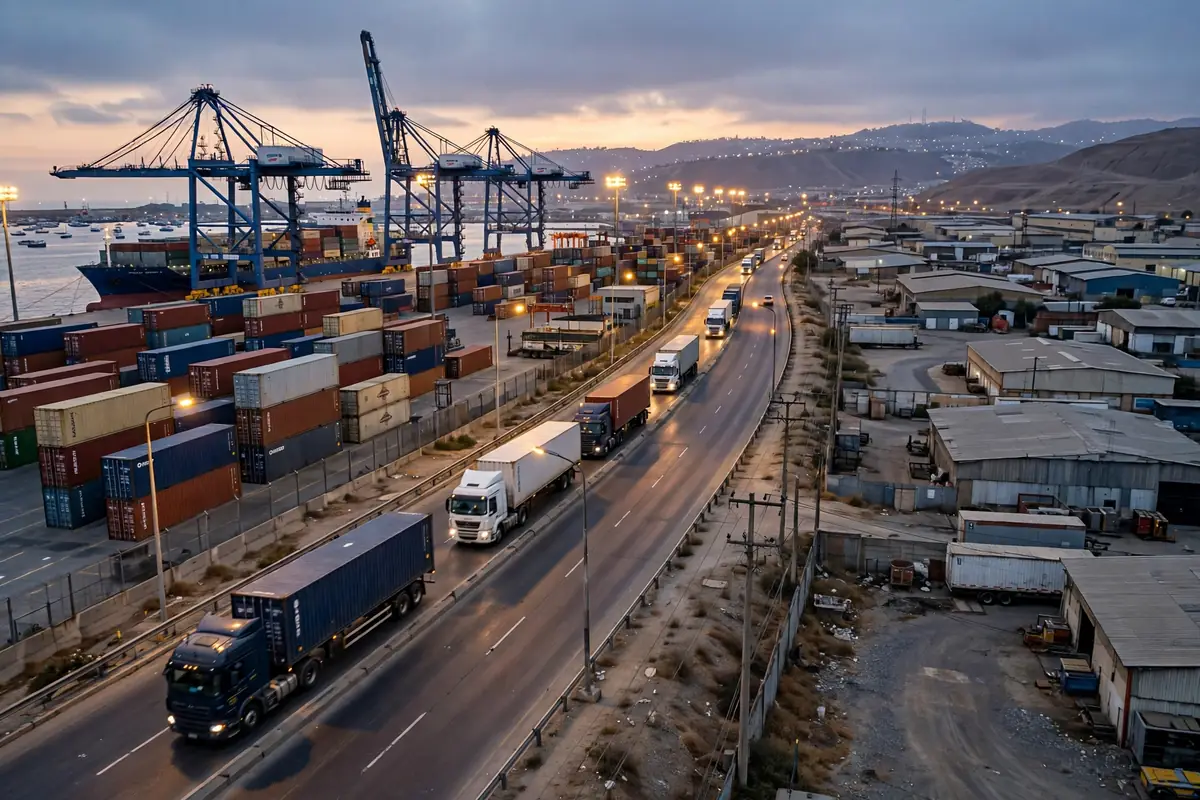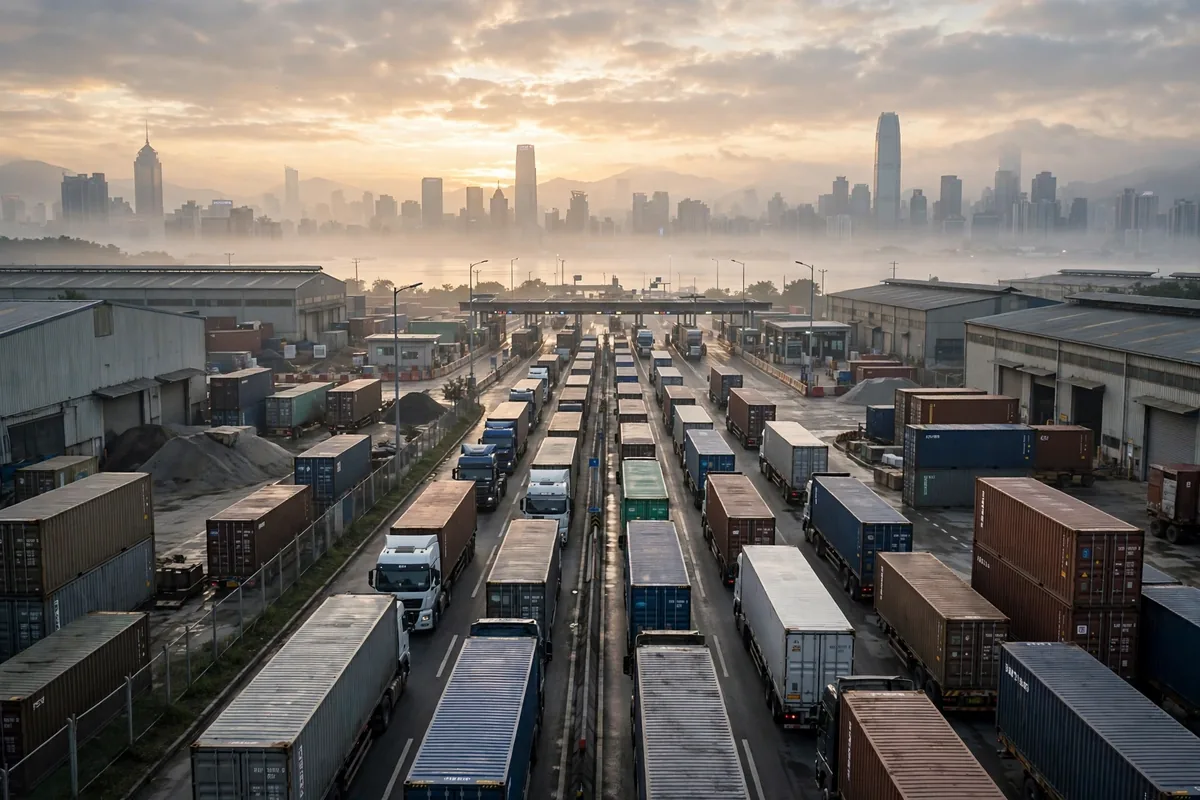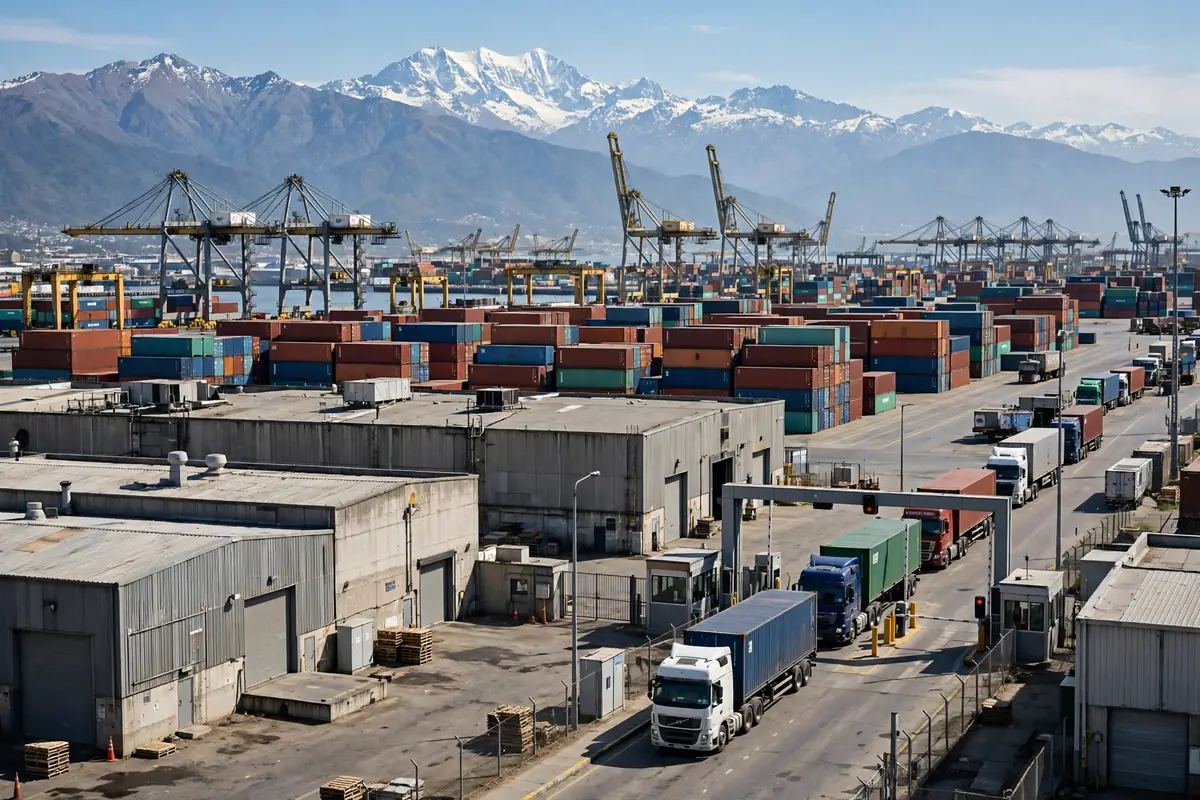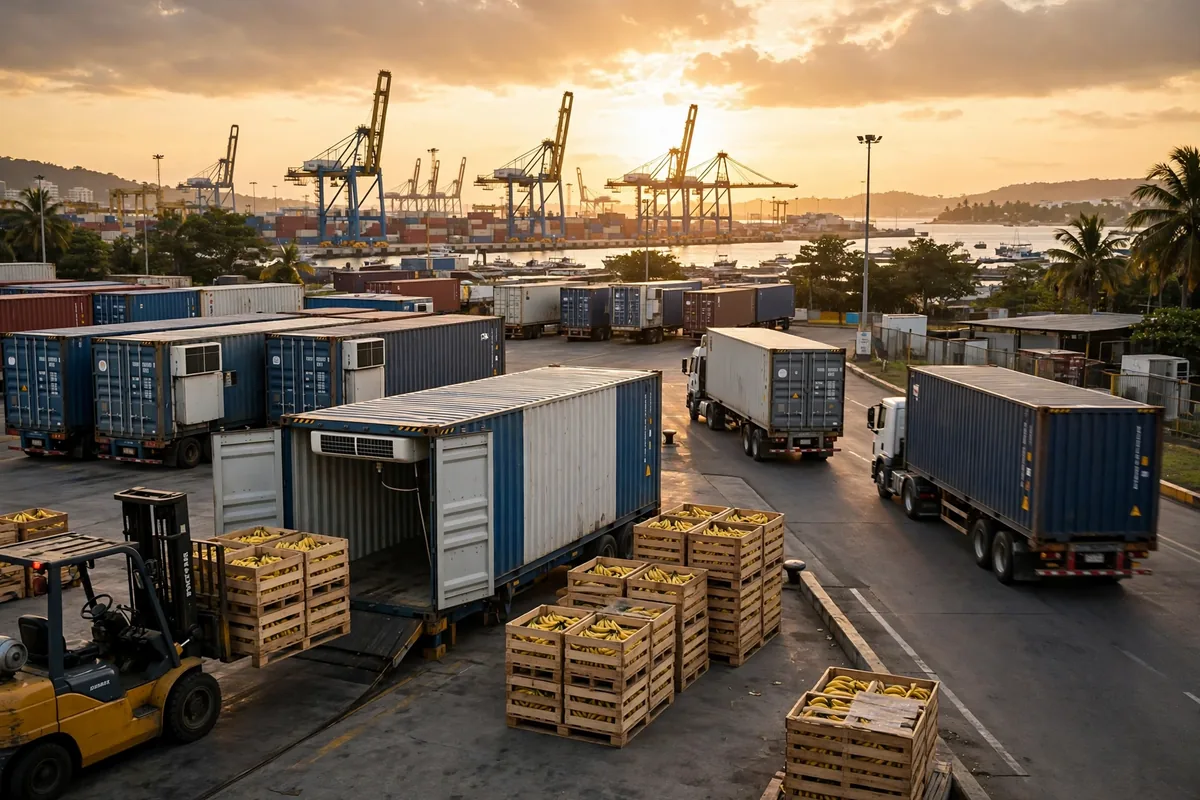
Let me tell you straight: when people talk about ecuador guayaquil warehouse port logistics, they look at a map, see a short line between the port and a warehouse, and think the job is easy. I have spent fifteen years behind a wheel, and I can tell you that short line on the map is where most of the trouble hides. Congestion, inspections, a reefer box waiting for power — any one of them can turn a half-day plan into a full day of waiting.
ecuador guayaquil warehouse port logistics starts with the road, not the rent
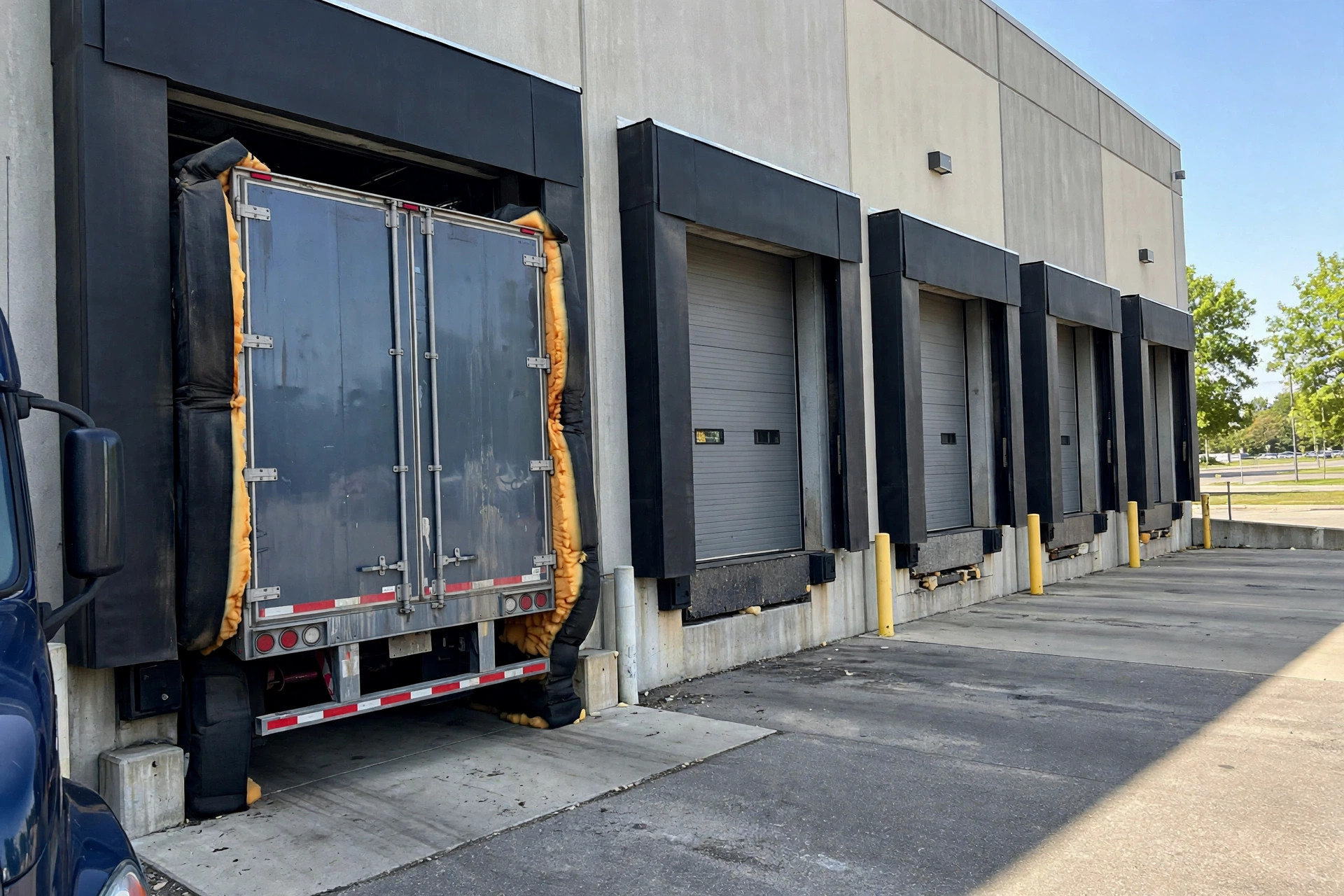
My first hard lesson in Guayaquil came with a container of frozen shrimp. The shipper kept calling, saying the warehouse was close to the port and we would turn the load around in half a day. What actually happened? A queue to get out of the port, slow traffic the whole way, and when I finally reached the warehouse, the docks were full of banana containers. I sat in that yard for hours, watching the reefer burn fuel, knowing the cargo inside did not forgive delays. The load was delivered in the end, but from that day on I ask three questions before I take any job in Ecuador. When can the container actually be picked up? Which road will we run, and at what hour? And when we arrive, will there be a dock and a crew ready? If any one of those answers is vague, I would rather arrive the evening before and rest outside the city than gamble on the day itself.
That is the first rule of warehouse siting here. Close to the port does not mean fast to the warehouse. Some sites advertise that they are only a short distance away, yet the single road in front of them jams solid at peak hours, trucks queue in both directions, and turning a large vehicle around takes real effort. Another site may sit farther out but have a wider approach road, more docks, and a crew willing to receive at night. Add up the whole day and the farther warehouse is often the faster one. Do not trust a brochure distance. Ride the route once in the morning peak and once in the evening, with a watch in your hand. That time, not the map distance, is the real number.
Choosing a guayaquil warehouse for bananas is not the same as choosing one for shrimp
Around Guayaquil, two cargoes dominate the conversation: bananas and seafood. They look similar from the outside — both leave the country in containers, both run against a vessel schedule — but they need very different warehouses.
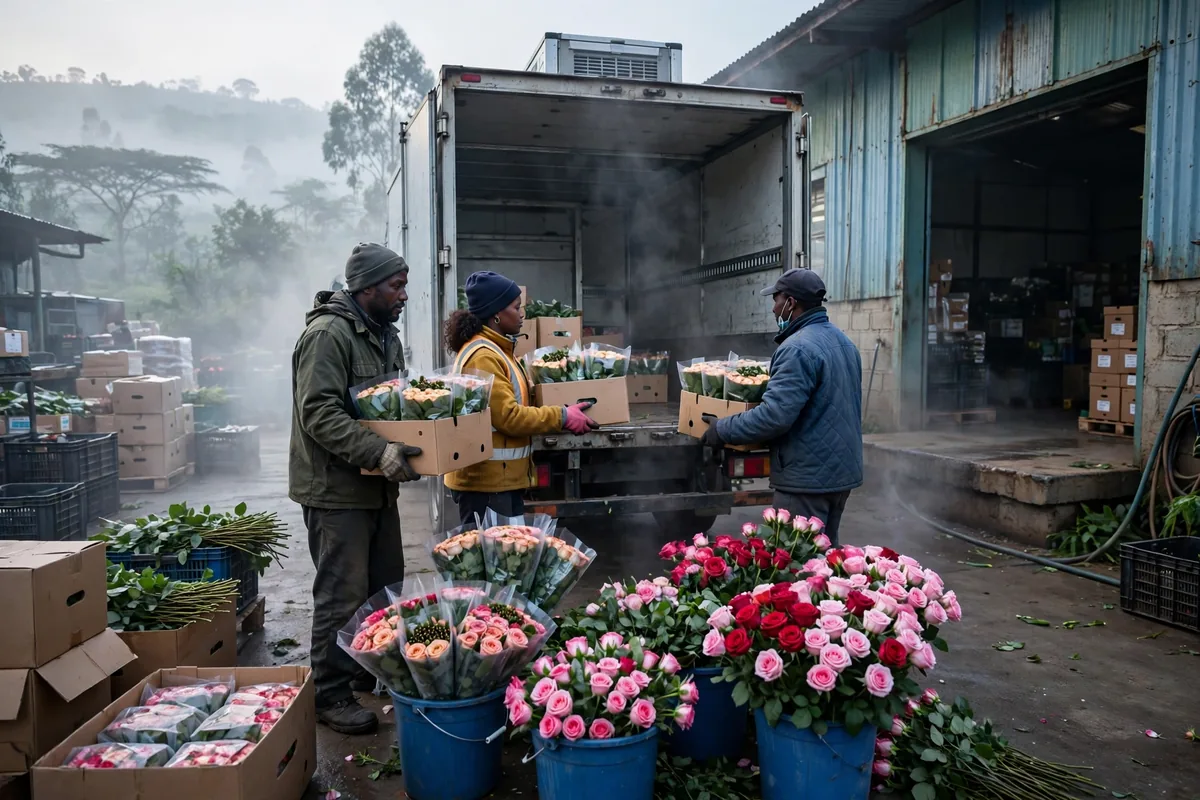
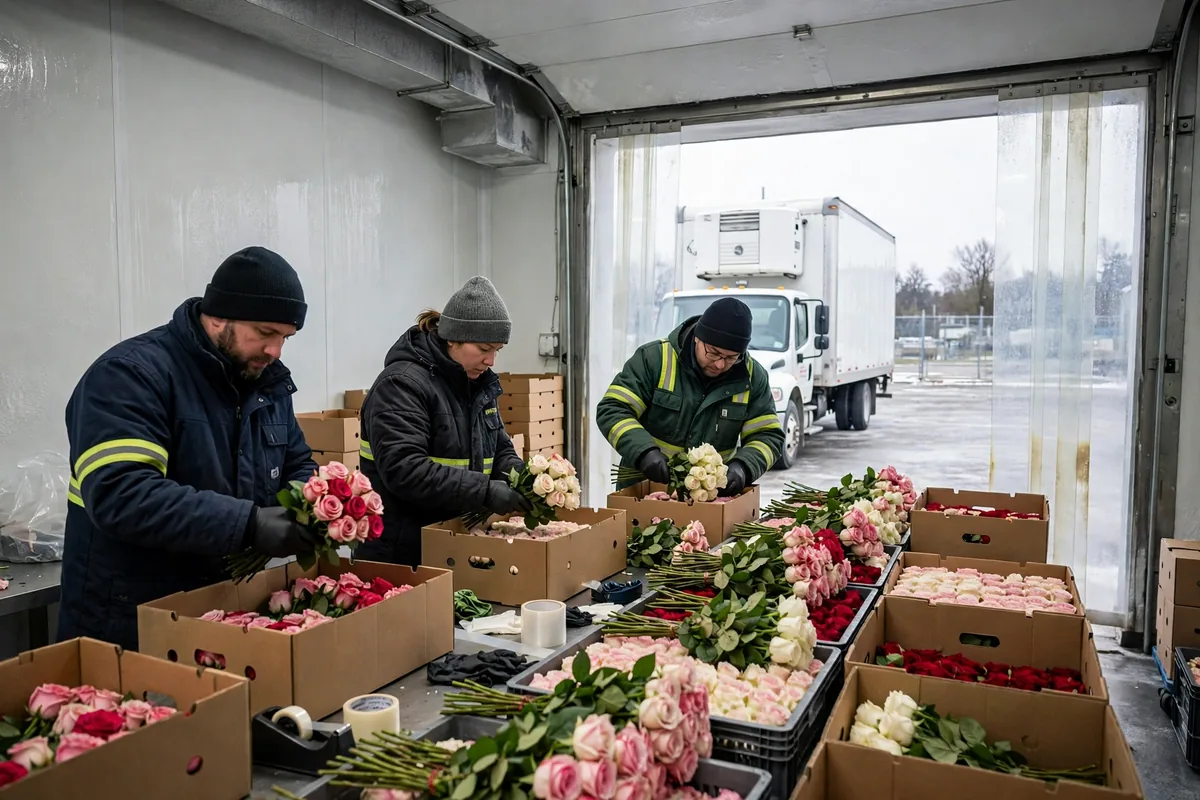
Bananas are about speed of turnover. The box arrives, the fruit needs sorting and handling, and the container has to move on to its next step. What hurts a banana operation is a slow dock, too few forklifts, and a receiving schedule that bunches every truck into the same two hours. Frozen shrimp is about something else entirely: cold. Does the building have proper cold storage space? Is there backup power when the grid fails? Can a reefer container plug in while it waits in the yard? Those questions decide whether the cargo keeps its value.
I watched a small frozen-shrimp shipper learn this the expensive way. To save a little on rent, he stored product in a large general warehouse that looked impressive on a tour. The cold room, though, was small. In peak season several shippers shared the same tight space, temperature records were patchy, and one long wait for loading left his container sitting in the yard with its cooling unit struggling. The argument with the buyer dragged on, and the discount he had to give ate up far more than the rent he had saved. Compare that with a banana exporter I know who does not pay the lowest rent in the area. His warehouse runs dock appointments in time slots. Trucks arrive on schedule and leave on schedule, and even in the busy season his containers make their vessels. He pays a little more for the building and a lot less for chaos.
So do not open a warehouse conversation with a single question about price per square metre. Match the building to the cargo first. Here is the simple comparison I walk shippers through. The figures below are a labelled hypothetical example only, not real local quotes; confirm actual charges with the warehouse in writing before you sign anything.
| Your cargo | Check first | Hypothetical example: comparing two sites for one container |
|---|---|---|
| Frozen shrimp and other cold chain | Cold room capacity, backup power, yard plug points | Site A rents for less but the box waits half a day burning fuel; Site B rents for slightly more, plugs the box in, and keeps temperature records — total cost can end up lower |
| Bananas and fast-turnover fruit | Number of docks, appointment slots, night crew | Site A is nearer the port but short on docks, so peak-season queues risk a missed vessel; Site B is farther but turns trucks faster |
| General dry cargo | Road access, yard size, protection from damp | Do not compare rent alone; add the cost of extra trips lost to congestion and driver waiting time |
The point of that table is simple. Rent is one visible line. Waiting, fuel, reefer running time, and a missed sailing are the lines nobody prints, and they are usually bigger.
Port logistics does not end at the port gate
Here is the judgment that surprises people: the best warehouse is not always the closest one to the port. If your cargo only turns around at the port, a near-port site makes sense. But if the goods then travel inland — toward Quito, for example — you have to count the road out of the city as well. Some near-port warehouses sit behind the worst congestion in town. A truck can lose its morning just getting out, and lose its evening getting back, which means one trip a day and no more. Move the warehouse a little toward the outbound direction and pickup takes slightly longer, but the inland runs flow. The extra trip a truck can complete pays back that small extra distance many times over.
A couple of years ago I helped an old contact choose a site for dry goods that arrived through Guayaquil and then moved inland. He wanted a warehouse near the port because pickup looked convenient. I made him ride with me for three days. Day one, pickup went smoothly. Day two, we did not clear the city until midday. Day three, the empty truck coming back got stuck in the same traffic. I told him: your money is made on those daily delivery runs, not on the pickup. He chose the outbound site. Pickup took a little longer, but his trucks stopped wasting their days in queues — and a truck only earns when its wheels are turning.
Two practical warnings. Road and security conditions vary by route and hour in Ecuador, so check the latest local guidance before fixing night driving or rest stops. And align pickup, inspection, and receiving documents between your broker and the warehouse before the truck leaves. A driver who finds one missing paper at the port gate has, in practice, lost the day.
One more small thing drivers notice that managers miss: receiving hours. Some warehouses receive by day and only dispatch at night, some have a full crew on Saturdays and only a watchman on holidays. If your vessel lands on a weekend and nobody asked, your container eats a closed gate. I learned that once, waiting in a yard from morning until a supervisor drove back in the afternoon to open the cold room. Since then I want the receiving timetable on paper before I roll — who receives, until what hour, and who answers the phone at night. In ecuador guayaquil warehouse port logistics, it is rarely the highway that beats you. It is the hour you arrive.
My advice to shippers and warehouse operators comes down to three plain points. Run the road before you rent, once in the morning and once in the evening, and time it. For cold chain cargo, inspect the power, the cold room, and the temperature records before you discuss price — never the other way round. And write the three key times into your agreement: pickup, arrival, and receiving. When each delay is recorded, arguments afterwards get much shorter.
Guayaquil rewards homework. The cargo is good and the port is busy, but this place does not forgive assumptions. Understand the road and the building, and your freight will move steadily. As we used to say on the road: the miles you measure before you start are always cheaper than the hours you lose after.
By Shifu Zhao, Trucking Veteran (15 yrs)