Last winter, on a Monday morning, I walked into the warehouse and my night-shift lead grabbed my arm. "Boss," he said quietly, "something smells off over at the charging area. Go take a whiff."
I went over, took one breath, and my stomach dropped — that faint rotten-egg-and-acid smell. Anybody who's worked around lead-acid batteries knows it: charging batteries give off hydrogen, with a sour edge. Our exhaust fan had been broken for three days, and the work order was still sitting in maintenance's inbox. Here's the thing about a forklift charging station in your warehouse layout: nobody thinks about it until the day it almost kills somebody. So let's talk about where the damn thing should go.
Forklift Charging Station Warehouse Layout Starts with Fire
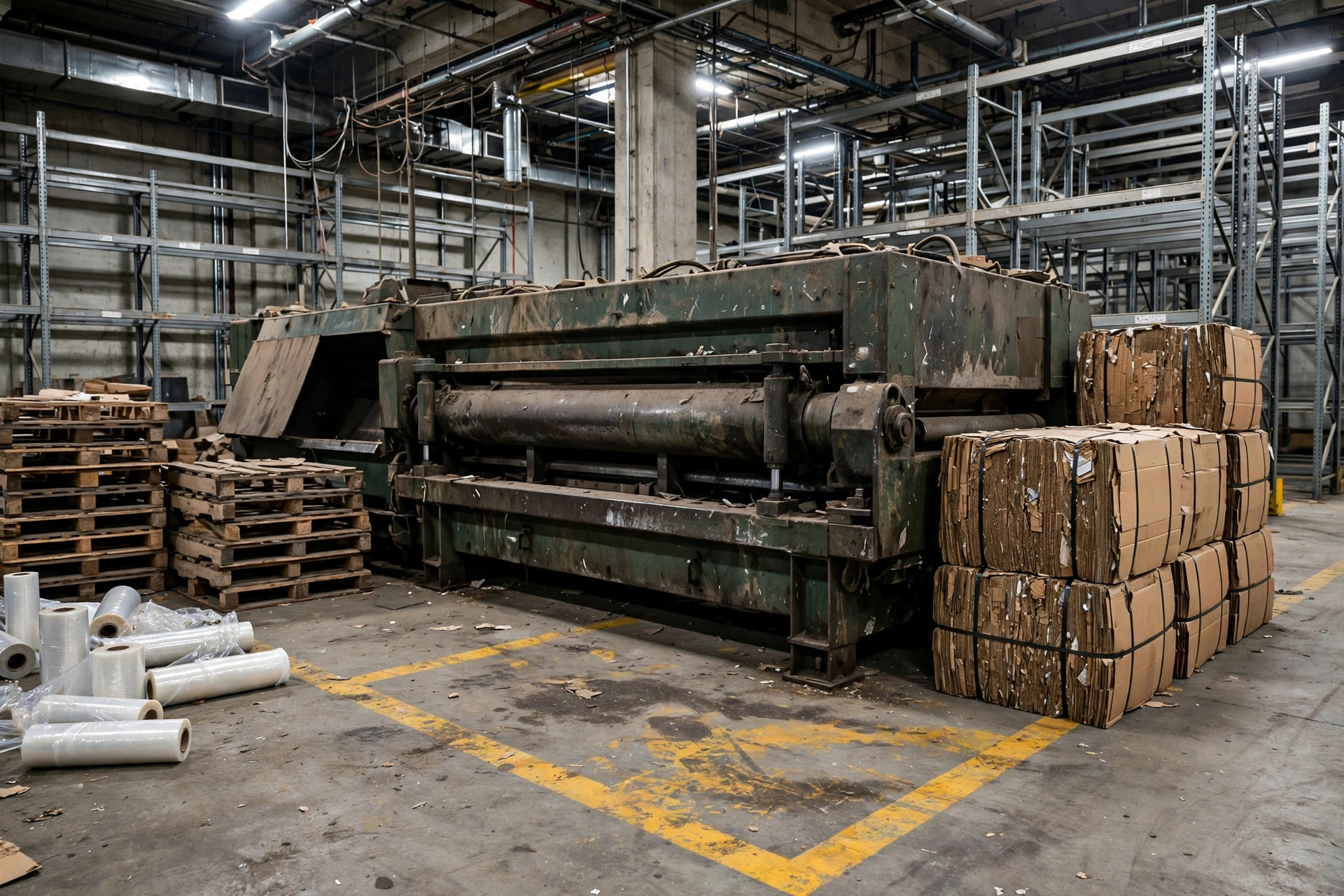
I'll be straight with you: most warehouses treat the charging area like leftover space. Wherever there's a gap — next to the dock, in a dead corner of the racking, behind the office. Before I took over this building in 2019, the charging station sat right beside the receiving dock. The logic was "close to the action, easy battery swaps."
Here's what actually happened. Peak season hits, trucks everywhere, and charging forklifts with cables trailing behind them. One night shift, a new driver backed up and rolled straight over a charging cable. The insulation split. Sparks. An old-timer nearby killed the main breaker before it turned into something worse. That night I learned: mixing a charging area into your main workflow is like parking a fire hazard in the middle of foot traffic.
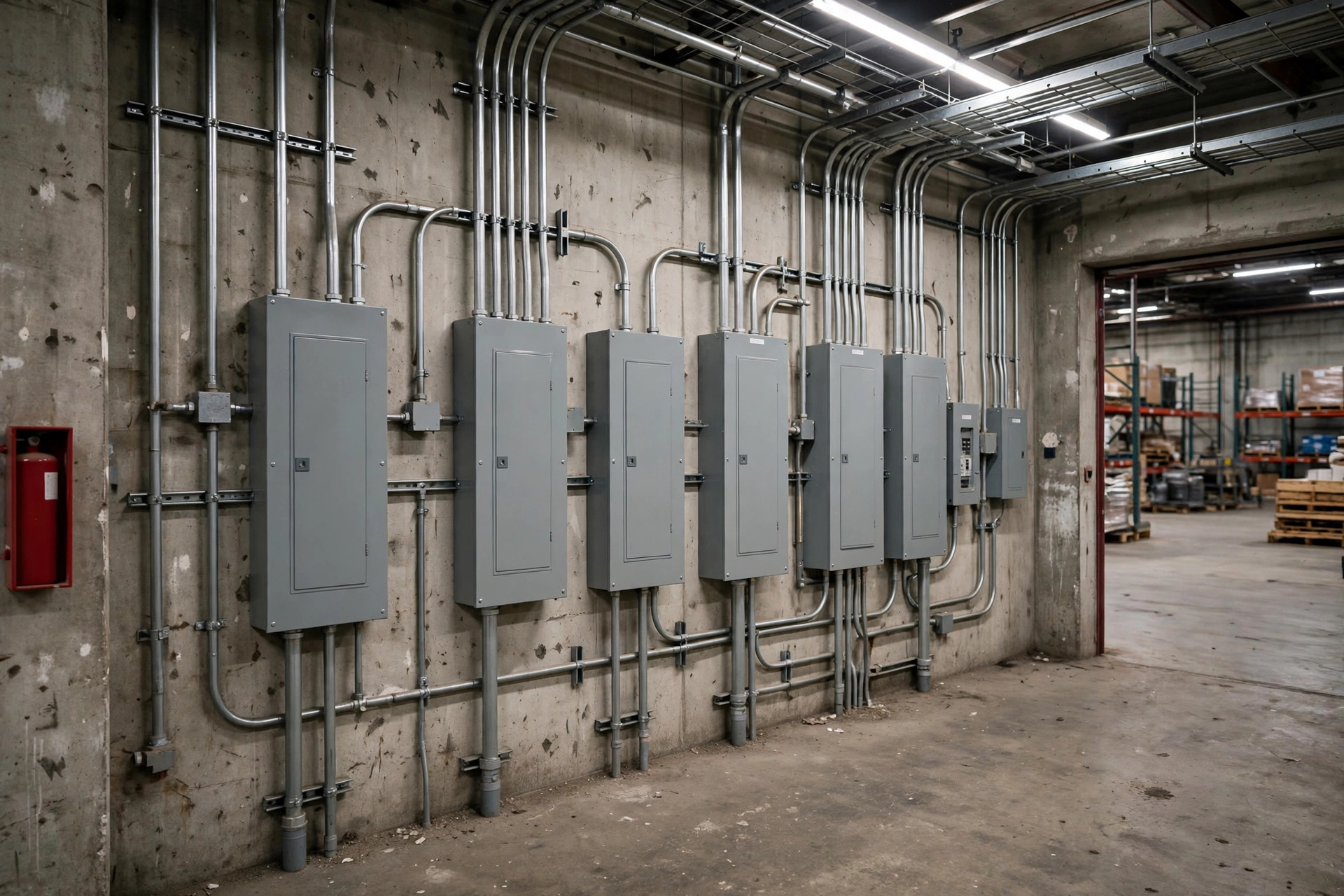
On fire code specifics — separation distances, construction requirements — I'm not going to quote you numbers, because they vary by jurisdiction and they change. Check with your local fire marshal and current OSHA requirements. The principle doesn't change though: the charging area must be separated from combustibles and from peak-traffic zones, extinguishers and hydrant access in place, all wiring in conduit. We moved our charging station into a dedicated room against an exterior wall, built a fire-rated partition, kept the door closed. The retrofit cost us a few thousand dollars. Compared to one fire? Pocket change.
Hydrogen Is Not a Theoretical Problem
Lead-acid batteries release hydrogen while charging. That's just chemistry. Hydrogen is lighter than air, so it rises and collects under the ceiling. Let it accumulate and one spark is all it takes. So ventilation for a charging area isn't "crack a window" — it needs forced exhaust, and the exhaust points need to be up high.

What we do now: two explosion-proof exhaust fans in the charging room, one running 24/7, the other tied to a hydrogen detector that kicks on automatically when concentration climbs. Detectors aren't expensive, but they need calibration — we learned that the hard way when a dust-caked sensor went silent and our alarm became decoration. Now it's on the inspection sheet: wipe monthly, test quarterly. Equipment doesn't fail from being cheap. It fails from nobody maintaining it.
One note: lithium forklift batteries barely produce hydrogen during charging, so ventilation pressure is much lower. But that doesn't mean a lithium charging spot can go anywhere — thermal runaway is still real, and separation plus fire protection still apply.
Lead-Acid or Lithium? Do the Math on the Charging Area First
Owners ask me all the time: if we switch to lithium, can we skip the charging room? I walk them through the math, and you can run the same numbers:
| Item | Lead-acid | Lithium |
|---|---|---|
| Charging area build-out | Dedicated room + forced ventilation + hydrogen detection — real upfront cost | Opportunity charging anywhere, much less construction |
| Daily labor | Battery swaps, watering, equalization charges — needs dedicated hands | Basically maintenance-free, drivers plug in themselves |
| Battery life | Dies in a couple of years if abused | Lasts many years under normal use |
| Upfront truck cost | Cheap | A lot more expensive |
The punchline: for a small fleet (under ten trucks), lead-acid plus a proper charging room can still pencil out. For a big fleet running two shifts, lithium pays back the premium fast in saved labor and swap time. We run a hybrid: main trucks on lithium, old lead-acid units retired as they die, charging room kept but downsized. That's what we do in our building — not necessarily right for you, but steal the framework: don't compare battery prices alone. Price in the construction, the labor, and the safety risk.
Workflow: How Far Should the Charging Station Be — and Our Fixed Playbook
This is the trade-off, and the counterintuitive call I most want to share: most people assume the charging area should be as close to operations as possible, to save drivers the trip. Wrong. We tried that. Close means chaos — charging trucks, trucks waiting to charge, pulled batteries, all piled along the main aisle. Rush hour turns into a parking lot, and you're fighting fire code every day.
Our fix was to deliberately put the charging area "farther away," against an exterior wall off a secondary aisle — a two-to-three-minute drive from the main floor. But we paired it with two things: battery swaps done with a dedicated battery cart, no hand-pushing; and charging scheduled off-peak, bulk charging at night, opportunity swaps during the day. Drivers complained about the extra drive for about a month. Then nobody mentioned it again — because the charging area was finally orderly, and swaps actually got faster. Warehouse layout isn't about the shortest distance. It's about not creating new problems.
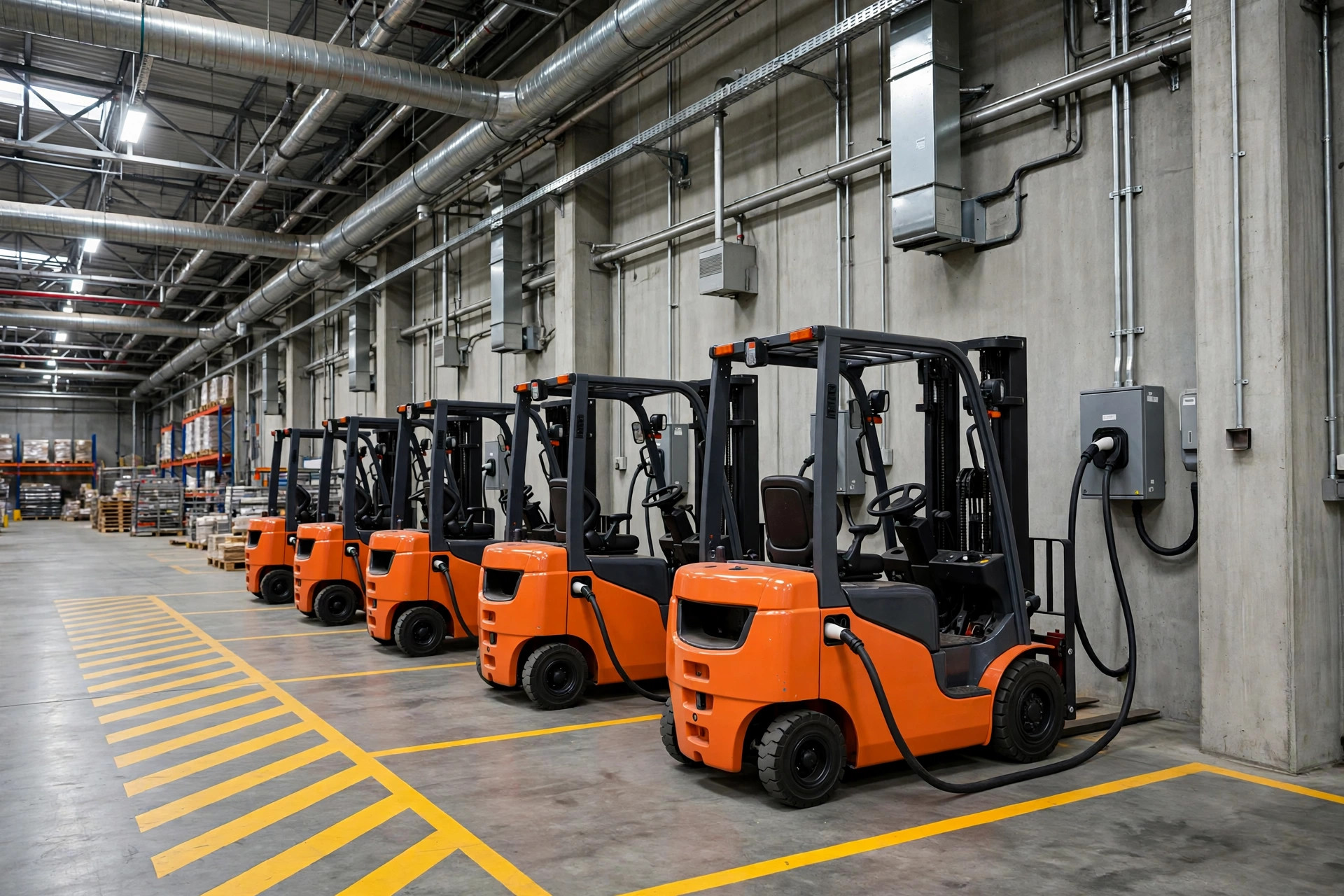
Here's our fixed playbook, copy it if you want: dedicated room against an exterior wall, fire-rated partition, self-closing door; high-mounted forced exhaust plus hydrogen detector interlock, sensors wiped monthly and tested quarterly; yellow floor lines, one truck per marked spot, no random parking; extinguisher right inside the door, all wiring in conduit; lithium and lead-acid charge in separate zones, the lithium side simpler but never unseparated.
One last word for fellow floor managers: nobody ever compliments you on a well-planned charging area. But one incident and the whole building remembers your name. Run through those five items before the fire inspector shows up, and fix what's broken now. Don't wait until something smells wrong and realize the fan's been dead for three days.
By Chen Feng, Warehouse Operations Manager