Here's the verdict up front: whether your conveyors or AMRs can enter Europe doesn't depend on how good the equipment is. It depends on whether there's an economic operator inside the EU printed on the packaging. Regulation (EU) 2019/1020, in force since 16 July 2021, drew a hard line — no CE-marked product may be placed on the EU market without an economic operator established in the Union. An Authorized Representative (AR) is the most common route.
This has two sides, so let me start with the cost, then the payoff. I've seen too many manufacturers spend their budgets on testing and certification, only to die on the "paperwork" — the AR and the technical file.
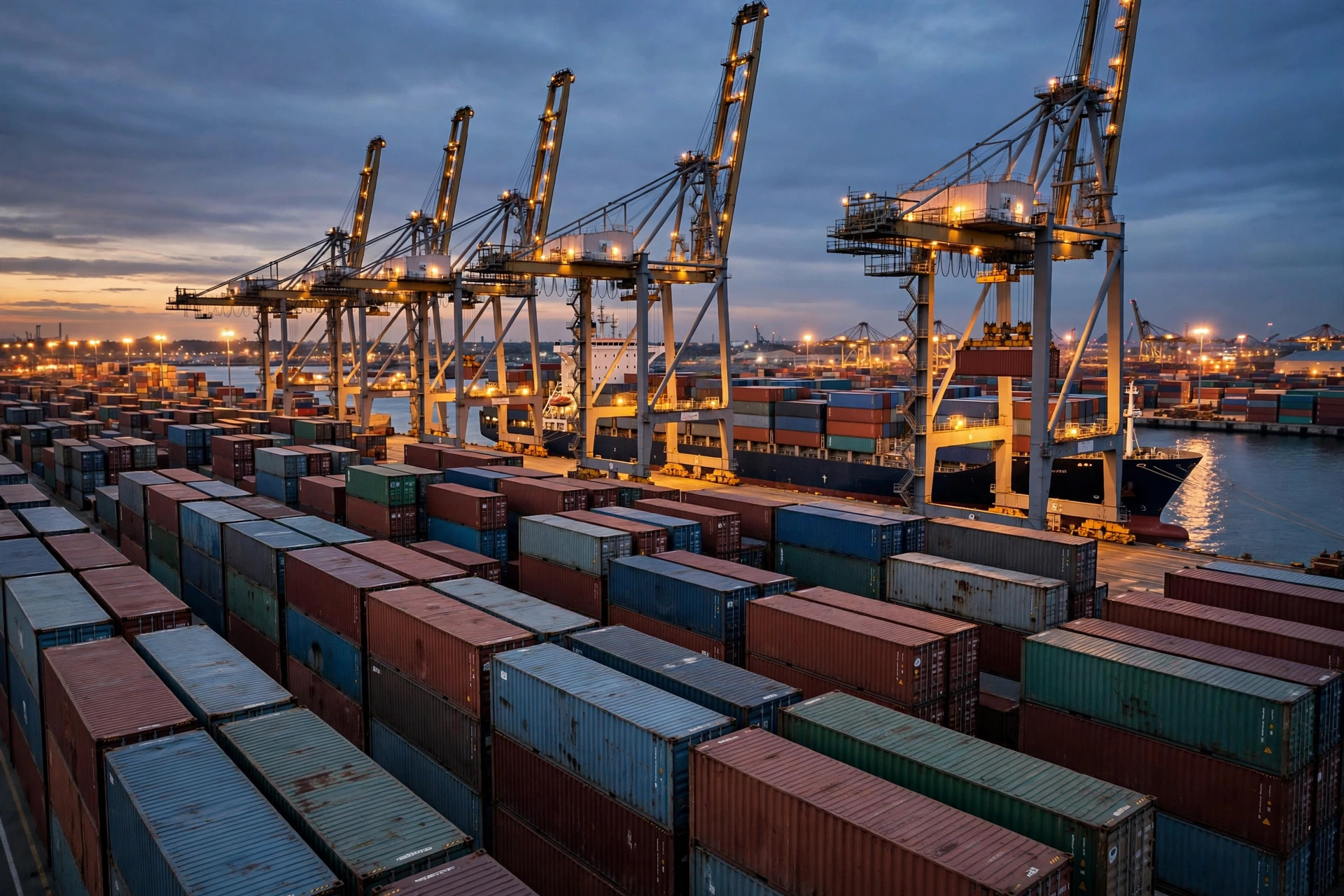
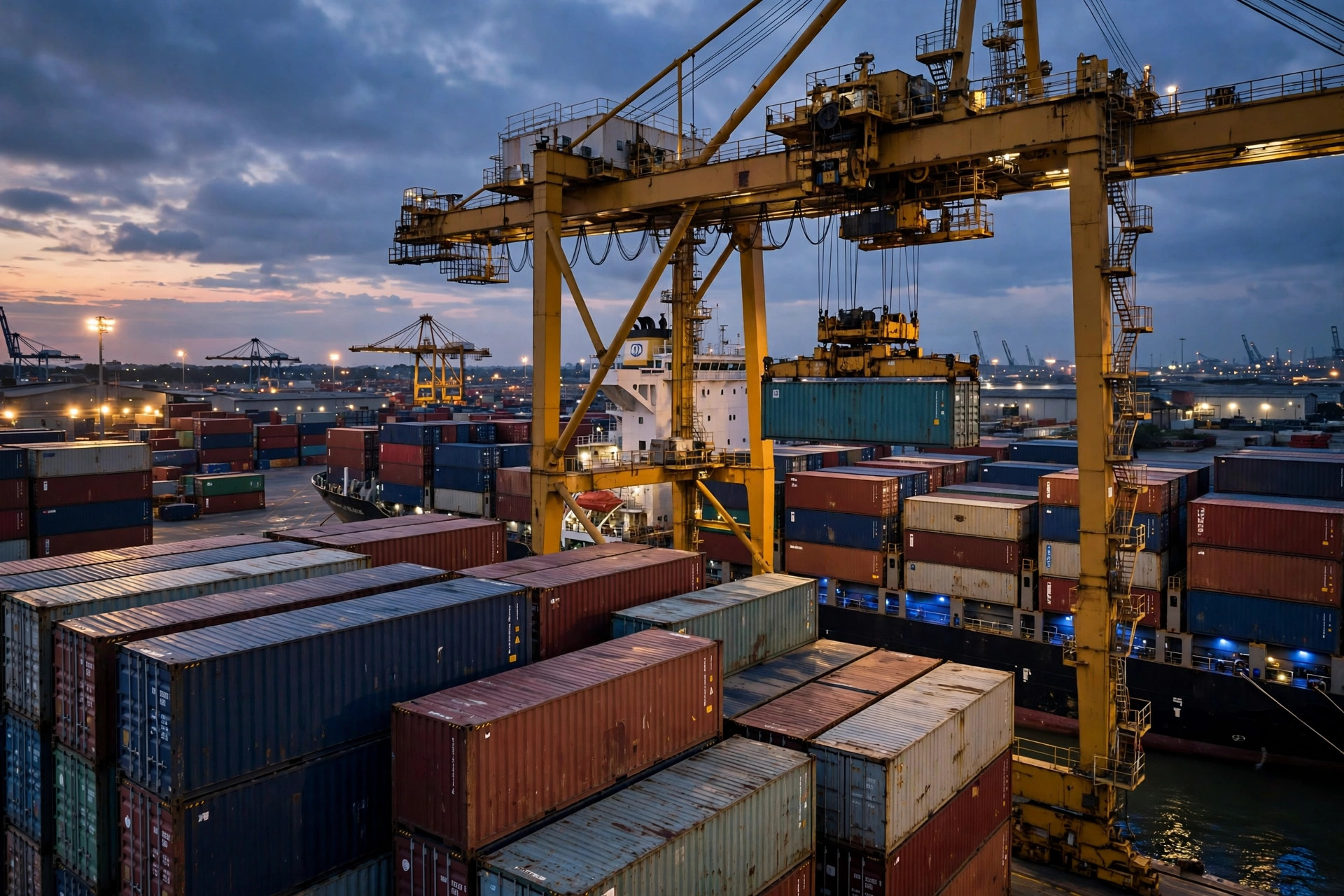
In April 2023, the owner of a roller conveyor factory in Foshan shipped into Hamburg. The container sat in a customs warehouse for 11 days. The reason was both absurd and fatal: the outer packaging carried no name and address of an EU-based economic operator. Demurrage plus storage ran several hundred euros a day — roughly €2,500 over 11 days, about RMB 20,000. That's more than the whole certification consulting bill for the order. The equipment itself was flawless. The problem was that nobody inside the EU was legally responsible for it.
Then there's a Jiangsu AMR maker I know. In 2024 they decided to save the AR service fee and let their German distributor act as the economic operator instead. The cost came in two installments. First, the distributor — quite reasonably, since it was taking on liability — demanded the complete technical file, including control logic and parts of the software design. Core IP, handed over. Second, when they switched distributors in 2025, the new one wouldn't touch the arrangement. Everything had to be re-handed-over and re-mandated, and the equipment sat in a warehouse for two extra months. The AR fee they "saved" didn't even cover the interest on the stranded inventory.
The counter-intuitive part: your AR is your first technical file audit
Most people treat the Authorized Representative as a name you pay for and print on the box. That's the biggest misconception in this business. A competent AR reviews your technical file and your EU Declaration of Conformity (DoC) before signing the written mandate: has the risk assessment actually been done, are the circuit diagrams complete, is the operating manual available in an official EU language? If the file doesn't hold up, a good AR refuses to sign.
So the fact that an AR is willing to sign is itself a quality endorsement of your technical file. Flip it around: the ultra-cheap AR services that sign for a few dozen euros a year without reading a page are selling you risk, not compliance. When market surveillance comes knocking, the "representative" is the first in the firing line — and you're second. With Regulation (EU) 2023/1230, the new Machinery Regulation, becoming fully applicable on 20 January 2027 and replacing the 2006/42/EC Machinery Directive, enforcement is only getting tighter.
What the technical file actually has to contain
Blunt truth first: the AR does not build your file for you. It holds it and produces it when the authorities ask. The file itself is your job. The core list:
- Machinery risk assessment, following the EN ISO 12100 method
- Electrical safety test report (EN 60204-1 is the workhorse standard for warehouse equipment)
- Circuit diagrams, hydraulic and pneumatic schematics
- List of safety-critical components with their individual certificates
- Operation and maintenance manual in an official EU language (English alone is not enough in many member states — check each country's requirements)
- EU Declaration of Conformity, with signatory, standards list, and model numbers matching the nameplate exactly
After the new Regulation applies in January 2027, add three more: the technical file in digital format, cybersecurity protection for safety functions, and a 10-year document retention period. Build the file to the new Regulation's standard now — don't patch together something that only satisfies the old Directive. And as always: where you're unsure, go by the authorities' latest published requirements.
Three routes — which one fits you
| Route | Rough annual cost | Upside | Price you pay |
|---|---|---|---|
| Set up your own EU company or branch as the economic operator | €20,000–€50,000 | Full control, IP stays in-house | Heavy and slow — only for manufacturers committed to Europe long-term |
| Hire a third-party AR service | A few hundred to a few thousand euros, depending on equipment complexity | Light and fast — done in weeks | You must pick an AR that understands machinery, not just the cheapest quote |
| Let your EU importer or distributor take the role | Zero direct cost | Saves money | The technical file goes to them; change partners and you start over |
(These are ranges I've seen in real quotes — treat them as ballparks, not gospel.)
Do the math on the total bill, not the line item. A third-party AR costs €1,000–€2,000 a year. The Foshan manufacturer burned €2,500 in one customs hold. The Jiangsu company traded its AR fee for IP exposure plus two months of stranded stock. Run those numbers and a competent third-party AR is the cheapest insurance you can buy — on one condition: it actually reviews your file.
A checklist for EU importers and distributors
If you're on the European side buying from a non-EU manufacturer, make the factory produce these four things before you sign. Missing one? Don't ship:
- The original written AR mandate, with the scope covering your exact product models;
- Confirmation that the full technical file is retrievable from the AR (you don't need to read it, but confirm it exists);
- A DoC whose model numbers and CE marking match the equipment nameplate;
- The economic operator's name and address printed on the outer packaging.
With those four in place, customs and market surveillance have very little to pick on. One last boundary on the legal cost-saving path: every shortcut has to rest on a file that is real and complete. Forging a DoC or a technical file is a criminal matter in the EU. Don't touch it.
Compliance is like that: get the paperwork right and the equipment actually lands. So here's my question for you — has your current AR genuinely reviewed your technical file, or did it just take the annual fee and stamp the paper?
By Lao Mi, Supply Chain Veteran (20 yrs)