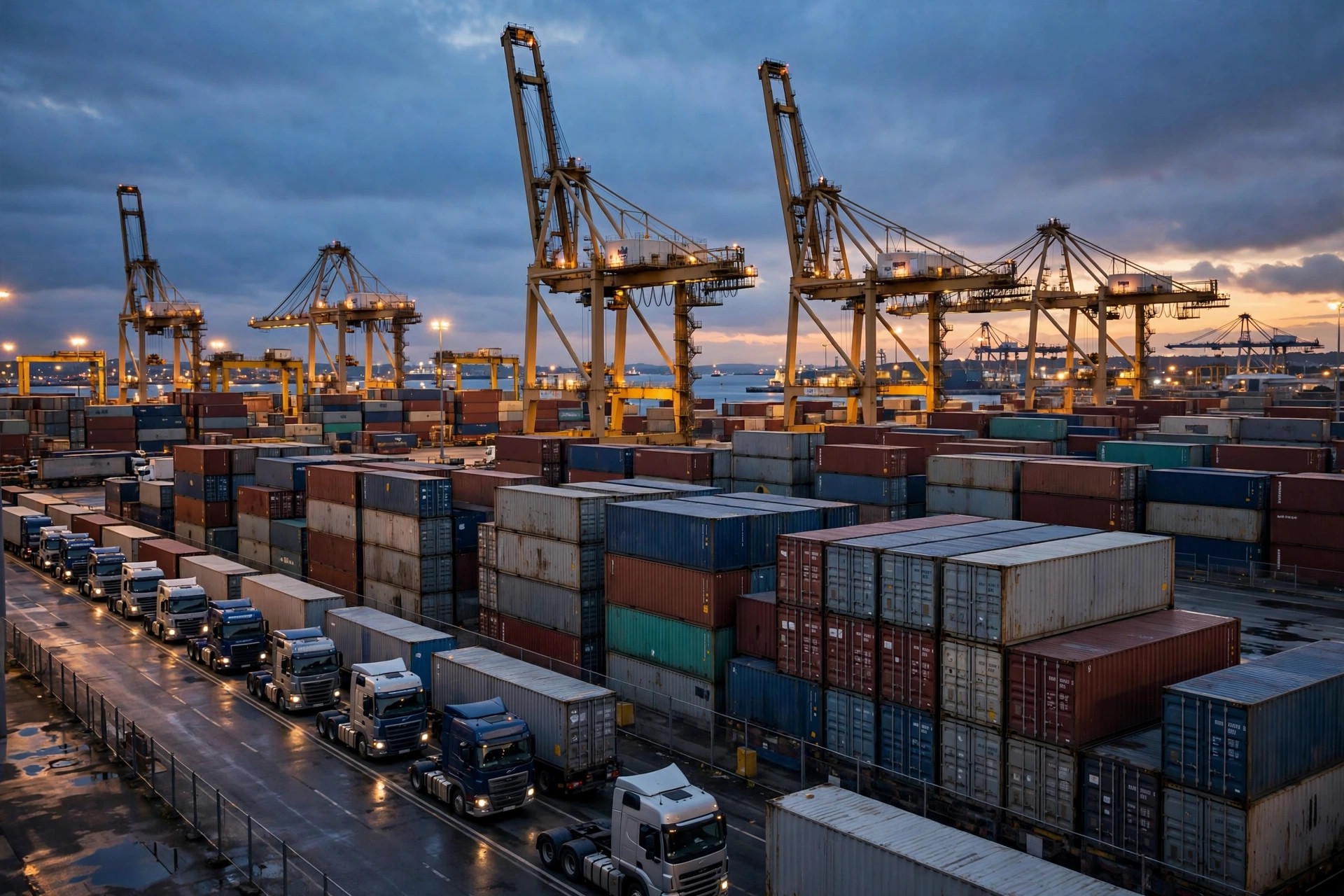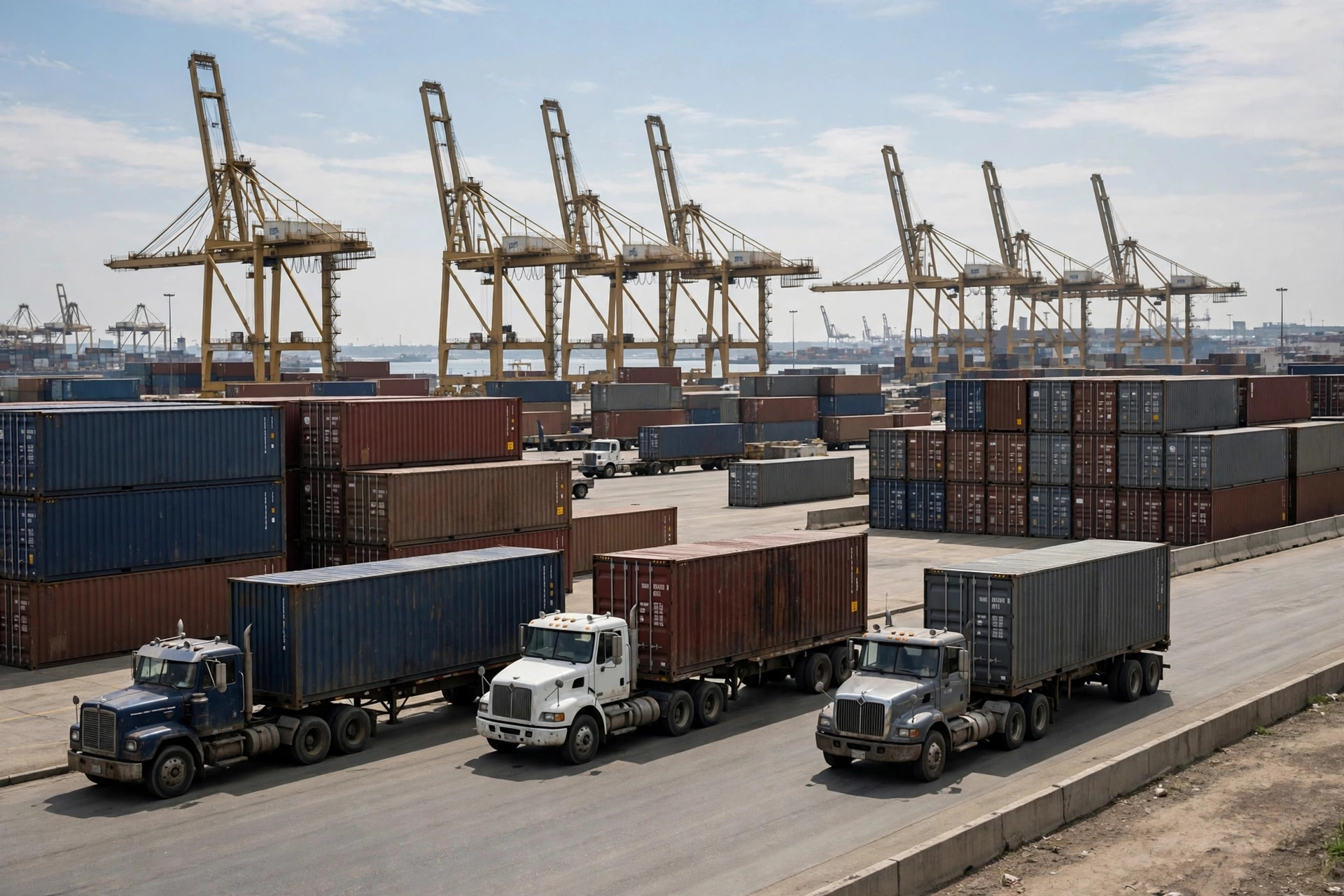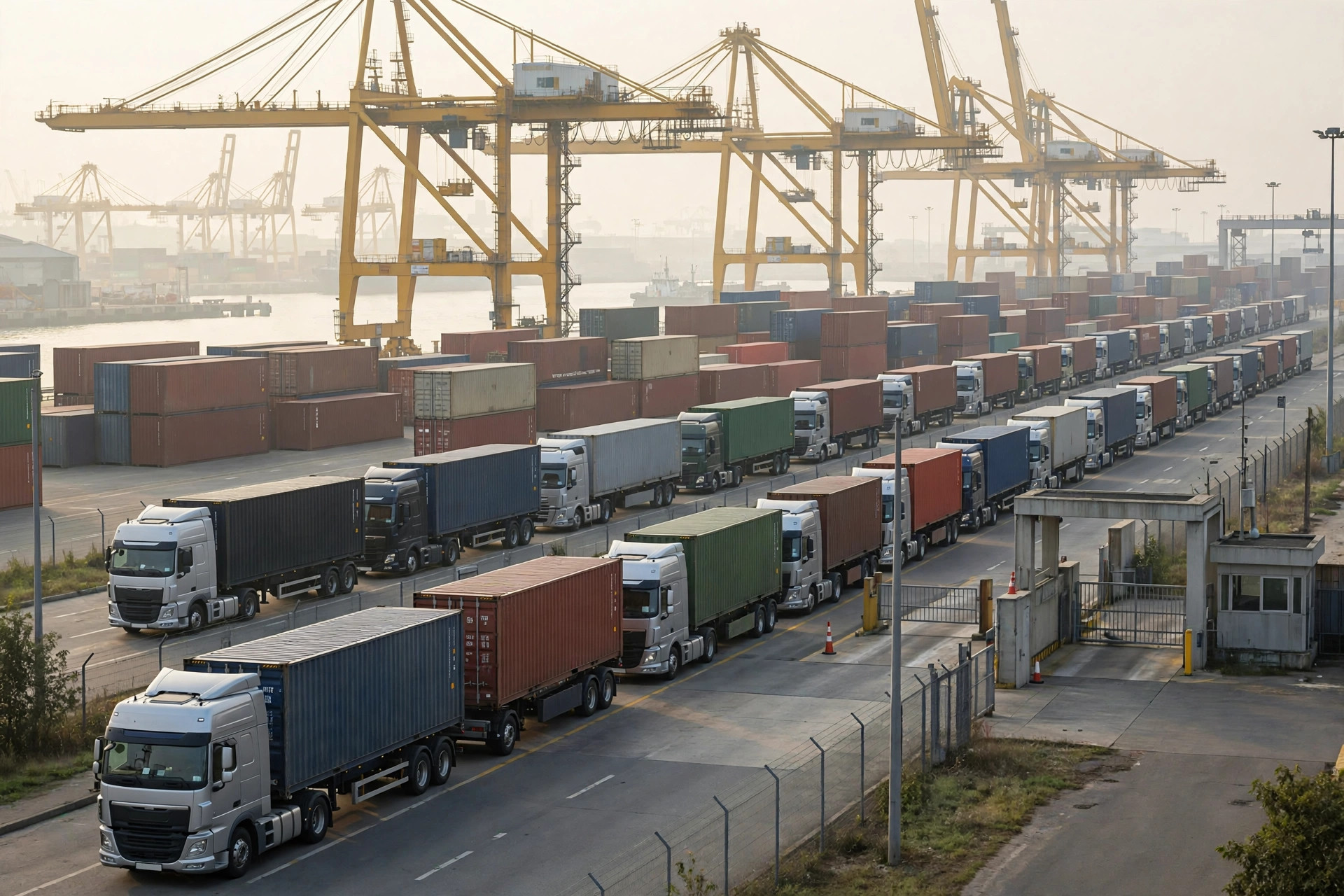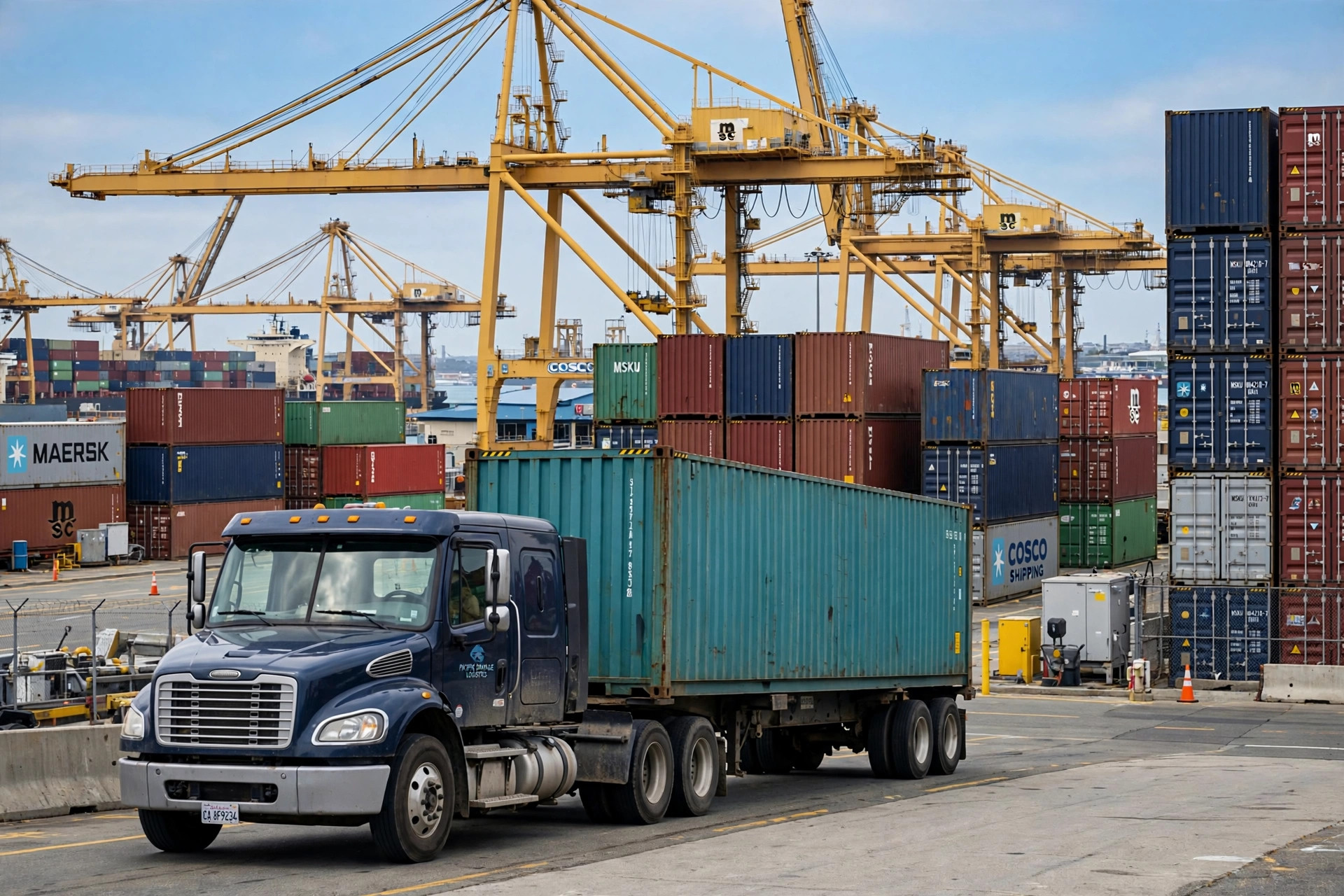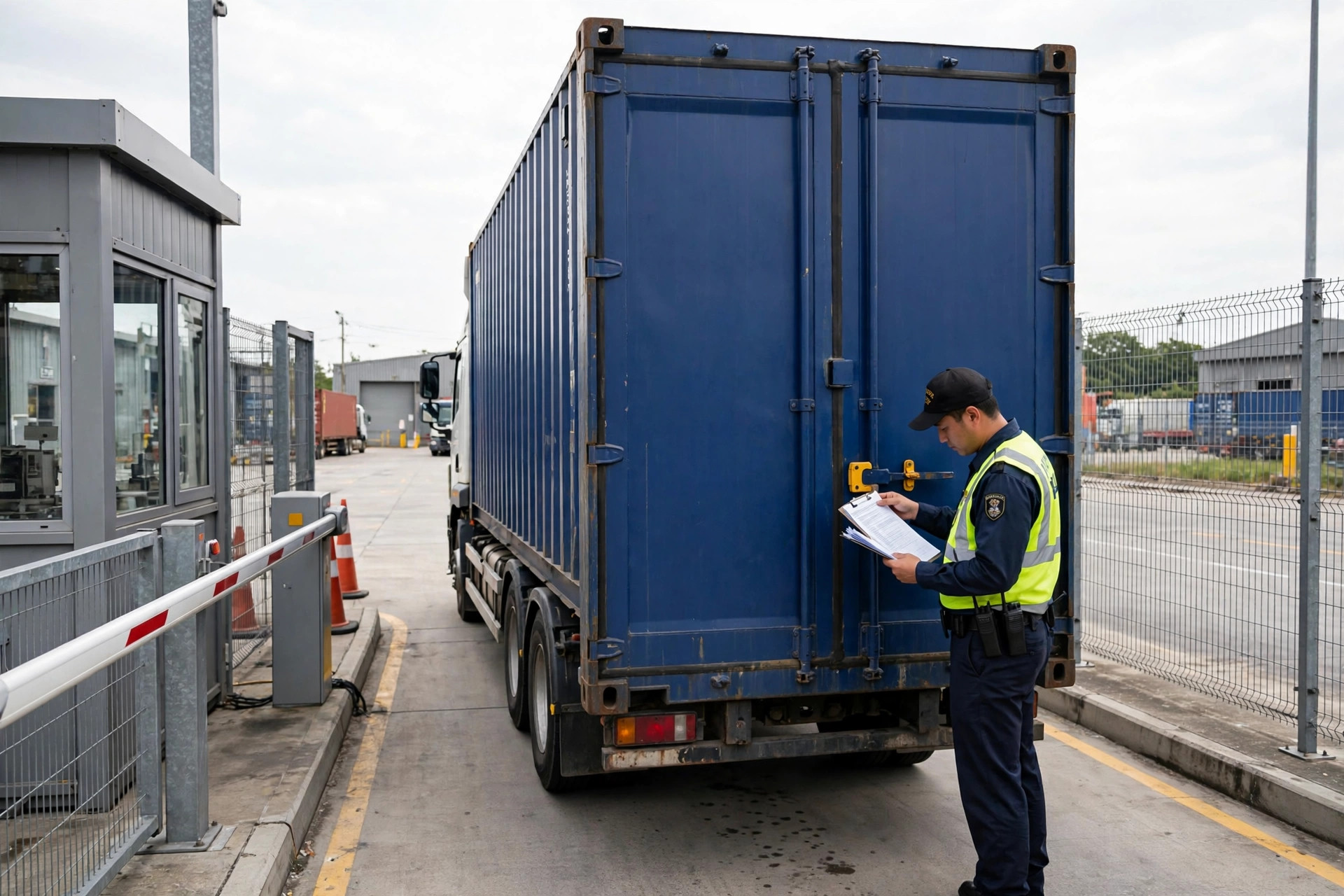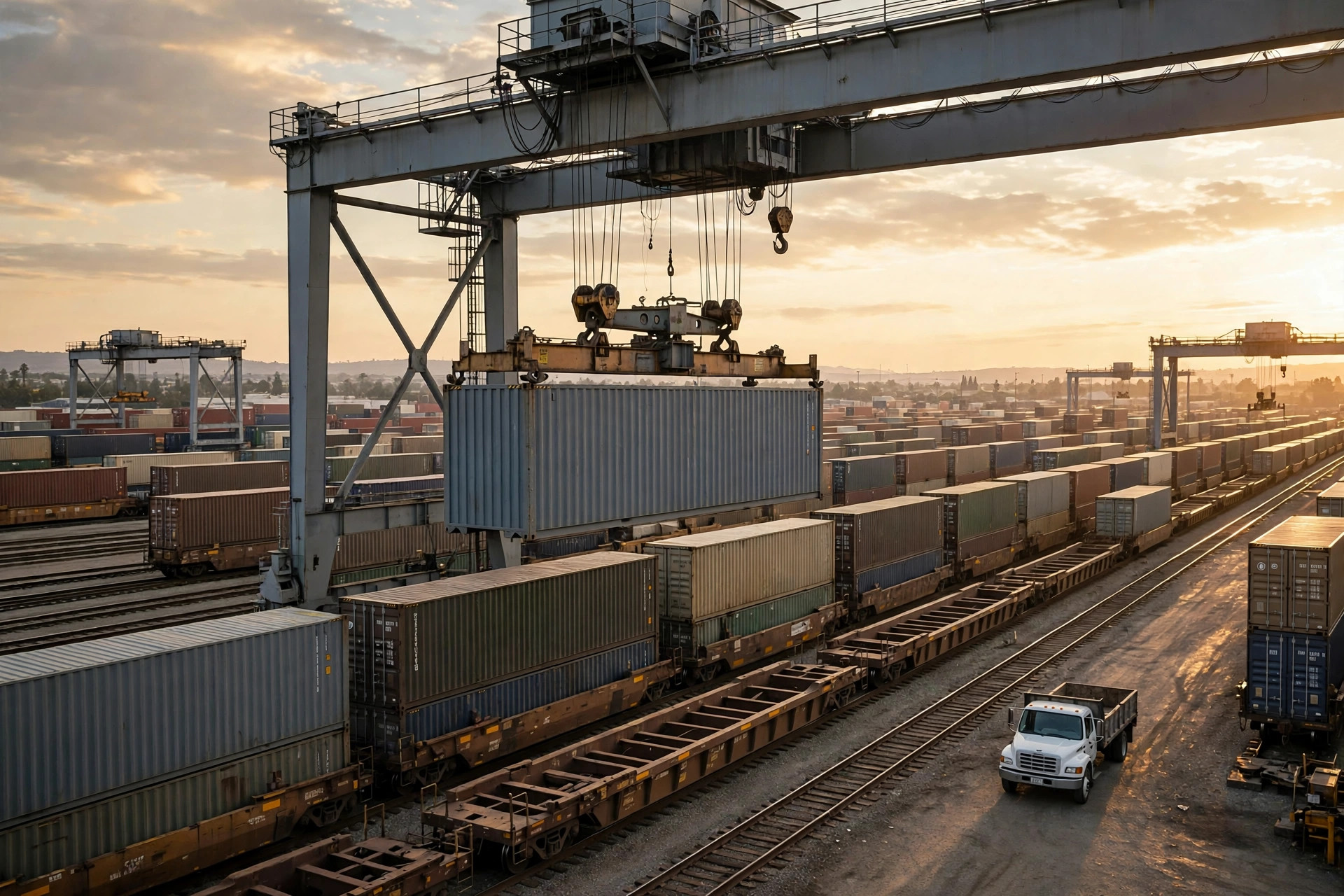
A 40-foot container, Port of Los Angeles to a warehouse in Ontario. One drayage carrier quotes $650, another quotes $480. Which do you pick?
If you picked the $480 quote, I've got bad news. Twenty years in this business, and I have watched importer after importer get hooked by the low linehaul number, then open the month-end invoice and discover they actually paid $820. In drayage, the linehaul is just the appetizer. The real money hides in the accessorial charges underneath. Let me walk you through the five that matter most, so you know what to ask next time you compare quotes.
Chassis: the container doesn't move itself
When a container comes off the vessel, it needs a chassis underneath before a truck can pull it. That chassis is never free — it comes either from the port's chassis pool or from the carrier's own fleet, and both cost money.
On a quote it shows up as a chassis fee, chassis rental, or chassis usage, and a couple dozen dollars a day is typical. The trap? Some quotes bundle it into the linehaul, some list it separately, and some don't mention it at all until the invoice arrives. When comparing quotes, your first question should be: is the chassis included, and if not, what's the daily rate and how many free days do I get?
I've also seen the cheap-chassis game: a quote with a suspiciously low chassis fee, delivered on aging equipment. A blowout or brake failure on the road costs you a day, your free time expires, and demurrage starts ticking. The savings on a cheap chassis always come out of your pocket eventually.
Pre-pull: the yard shuffle
The vessel berths, but your warehouse has no dock slot until tomorrow, or customs hasn't released the box. The container can't sit on the terminal, so the carrier pulls it to their yard and holds it until you're ready. That extra move plus daily yard storage is the pre-pull.
Expect two cost components — the additional short haul and per-day storage — and a couple hundred dollars total is common. Some shippers treat pre-pull as an "extra" they'd rather not pay. Fine — but then your pull and your unload have to connect seamlessly, and in real life they almost never do. Vessel schedules, customs, warehouse appointments: one of the three slips, and you're pre-pulling.
My advice: budget pre-pull as a likely event, not an exception. Pulling from LA/Long Beach in peak season, three or four out of ten containers need a pre-pull. Nothing unusual. Ask the carrier for their pre-pull rate structure up front — it's much cheaper than discovering it on the invoice.
Demurrage vs. per diem: don't confuse the twins
These two are the most expensive surprise on the invoice, and people mix them up constantly.
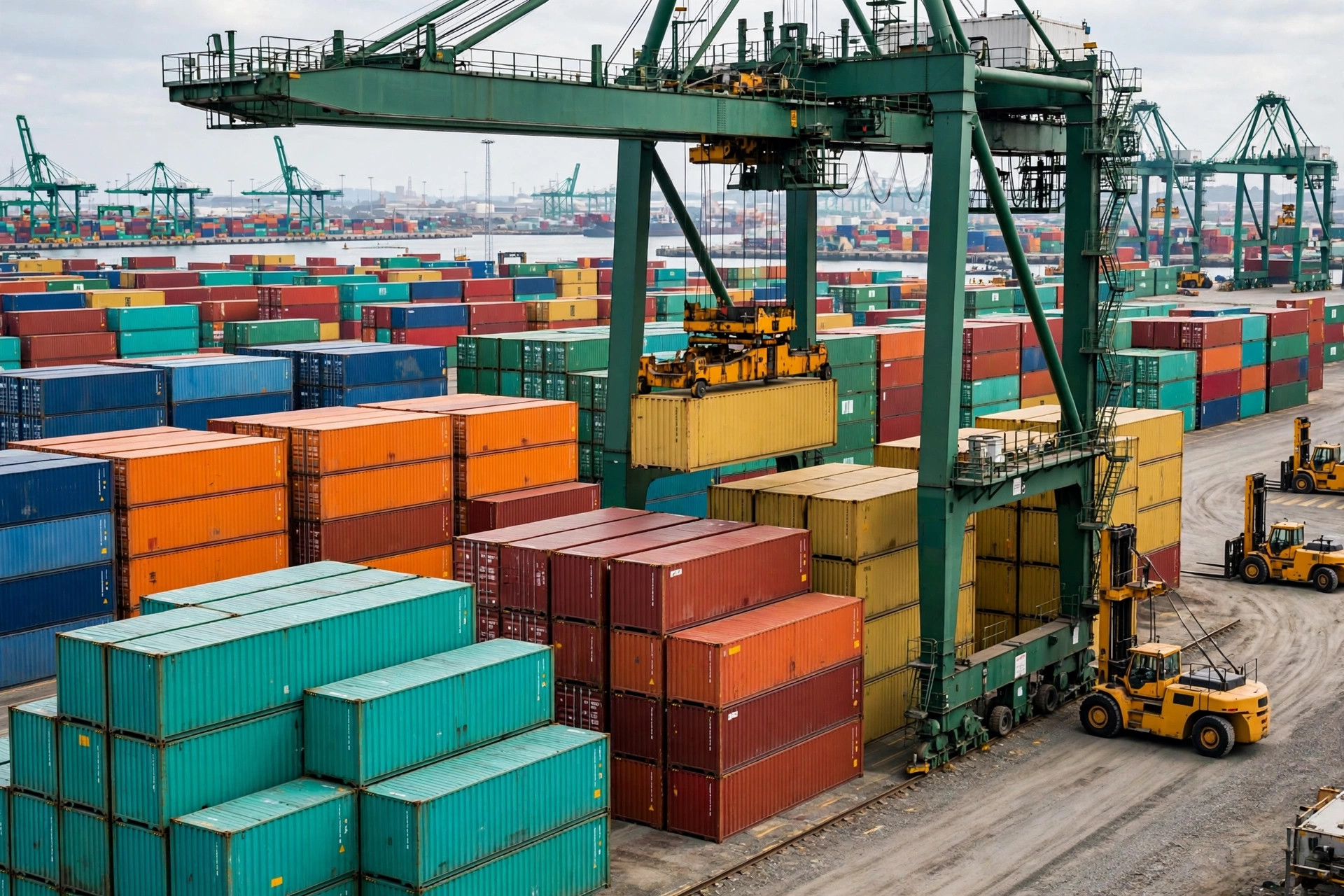
Demurrage is charged by the terminal: your free days for the container sitting in the port yard run out before you pull it, and the terminal bills by the day. Per diem is charged by the ocean carrier: you pulled the container but returned the empty late, and the carrier bills by the day. Two different parties, two different free-time allowances, two different rate tables — and they frequently trigger at the same time.
How bad can it get? Free time is typically 3–5 days, overage runs tens to over a hundred dollars a day, and many tariffs escalate — the longer it sits, the higher the daily rate. A container lingering at the terminal for an extra week can easily burn several hundred dollars.
Three defenses. First, confirm the free days for that specific lane and terminal at booking time, not after the box lands. Second, have your customs paperwork ready early — exams are the most common bottleneck. Third, ask the carrier directly: do you track free-time deadlines for customers, and do you charge for it? A good drayage provider proactively warns you when the clock is running out. That service is worth real money.
Bobtail and fuel: the miles you don't see
Bobtail is the empty leg — the tractor driving to the terminal without a container, or deadheading back after delivery. Many quotes price only the loaded miles; bobtail is either a separate line item or quietly folded into a "blended rate" nobody explains. Ask: is this quote round-trip or one-way, and do empty miles cost extra?
Fuel surcharge is subtler. The legitimate practice ties it to the U.S. Department of Energy's published weekly diesel average, with the formula spelled out on the quote. The shady version quotes a fixed low number to win the business, then invents surcharges when diesel prices rise. For any ongoing relationship, lock the formula in writing: which index, how often it adjusts, and whether there's a cap.
One more that's easy to miss: wait time, or detention, at congested terminals. Two to three hours in line at Long Beach during peak season is routine, and the driver's waiting time is a cost. Confirm the free waiting window — usually 1–2 hours — and the hourly rate after that.
How to actually compare quotes
Here's the comparison method I've used for years. Don't compare totals. Compare structures.
Ask every carrier to quote against the same six-line sheet: linehaul amount; chassis (included or not, daily rate); pre-pull rate structure; free wait time and overtime rate; fuel surcharge formula; free-time tracking and alerts (yes/no, fee?). Fill in all six lines before you compare totals. You'll often find the $480 quote costs more than the $650 one once the accessorials land.
One last thing beyond price: ask whether the carrier runs its own fleet at the terminals you use. When capacity gets tight in peak season, a carrier with its own trucks can reassign equipment. One without trucks is brokering your container out, and where you sit in the priority queue becomes a matter of luck.
There is no standard format for a drayage quote, and that is exactly why the fees can hide. Remember this rule: any charge not spelled out on the quote, assume it will be billed. Get the answers before you sign — and once you've signed, don't complain about the invoice.