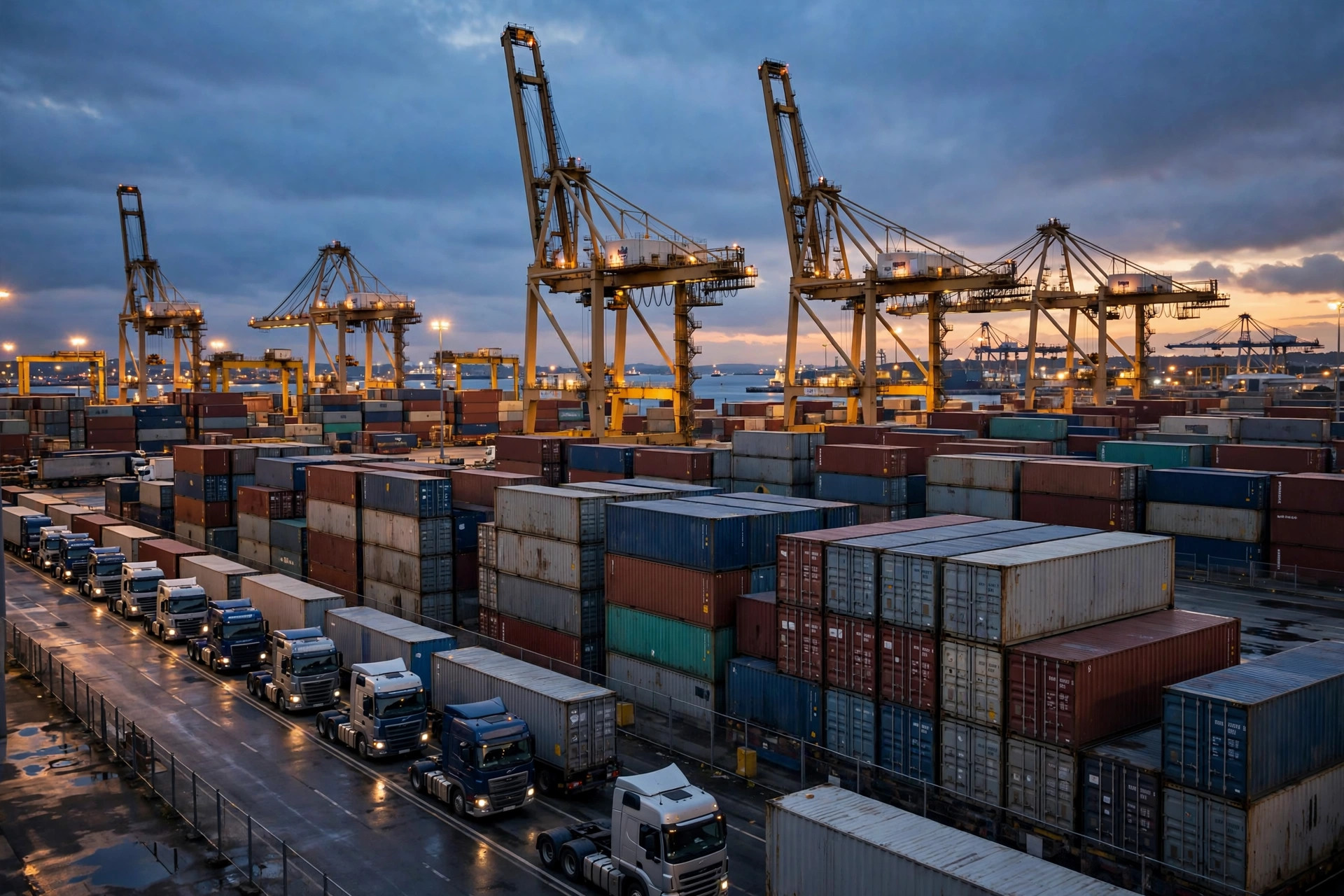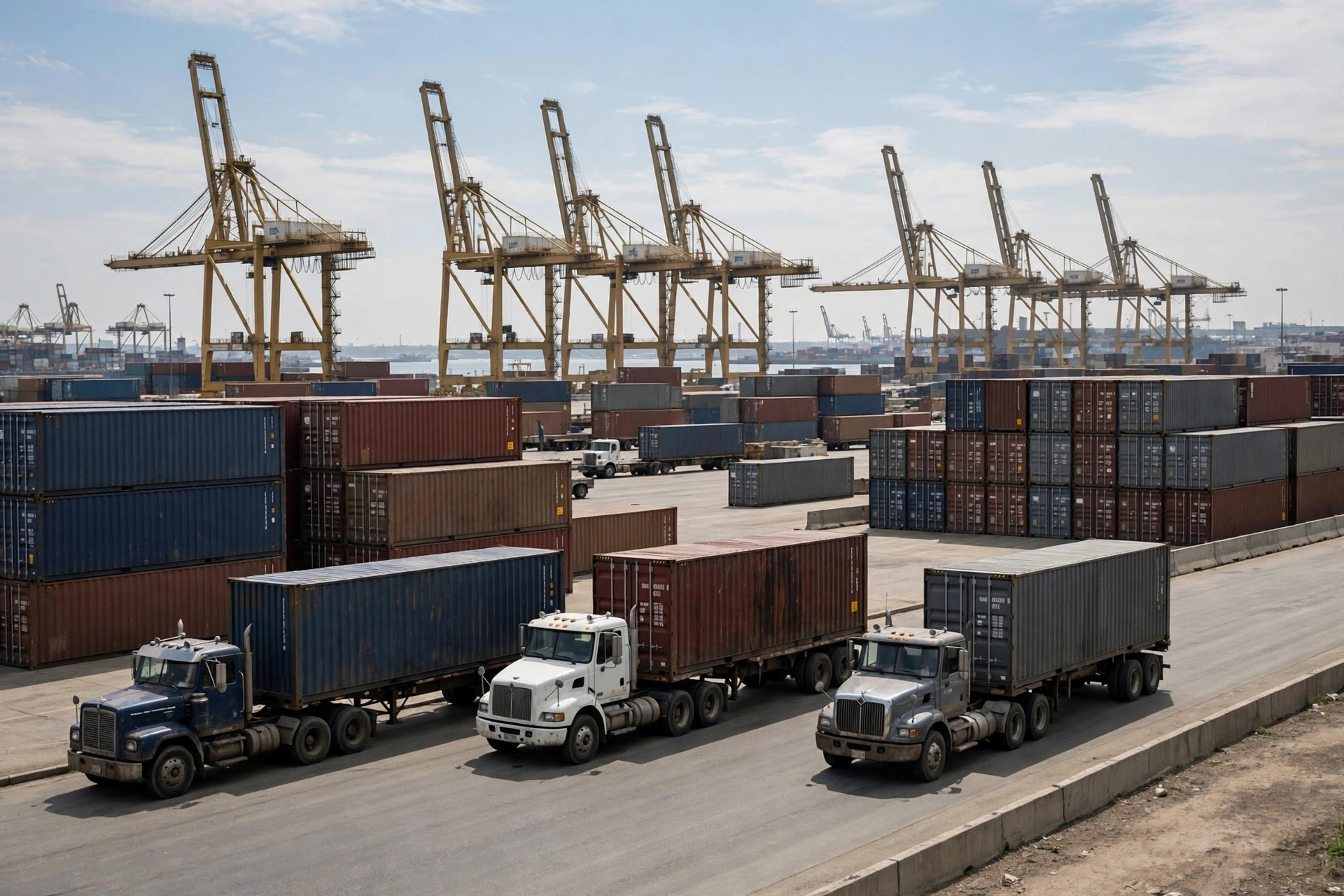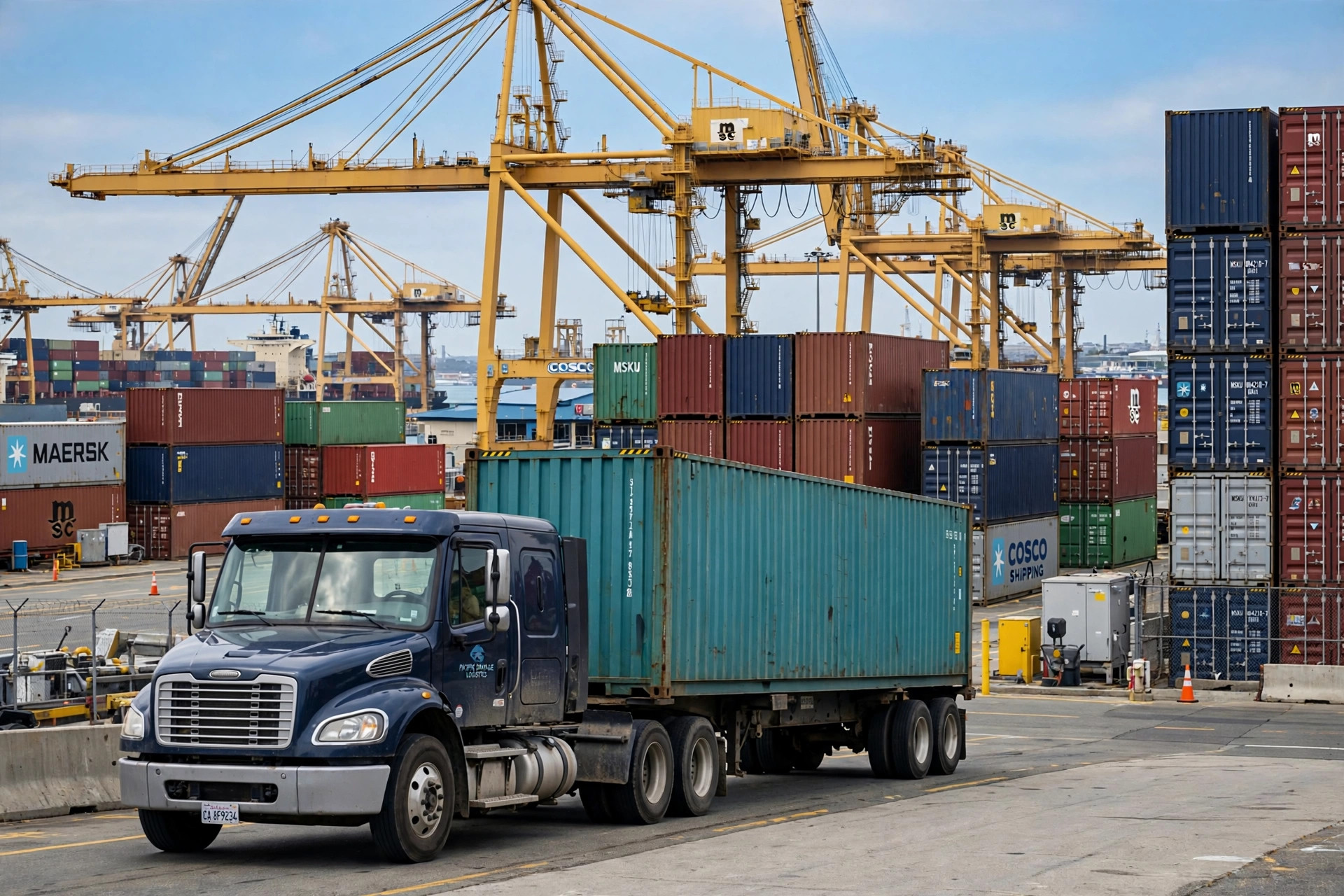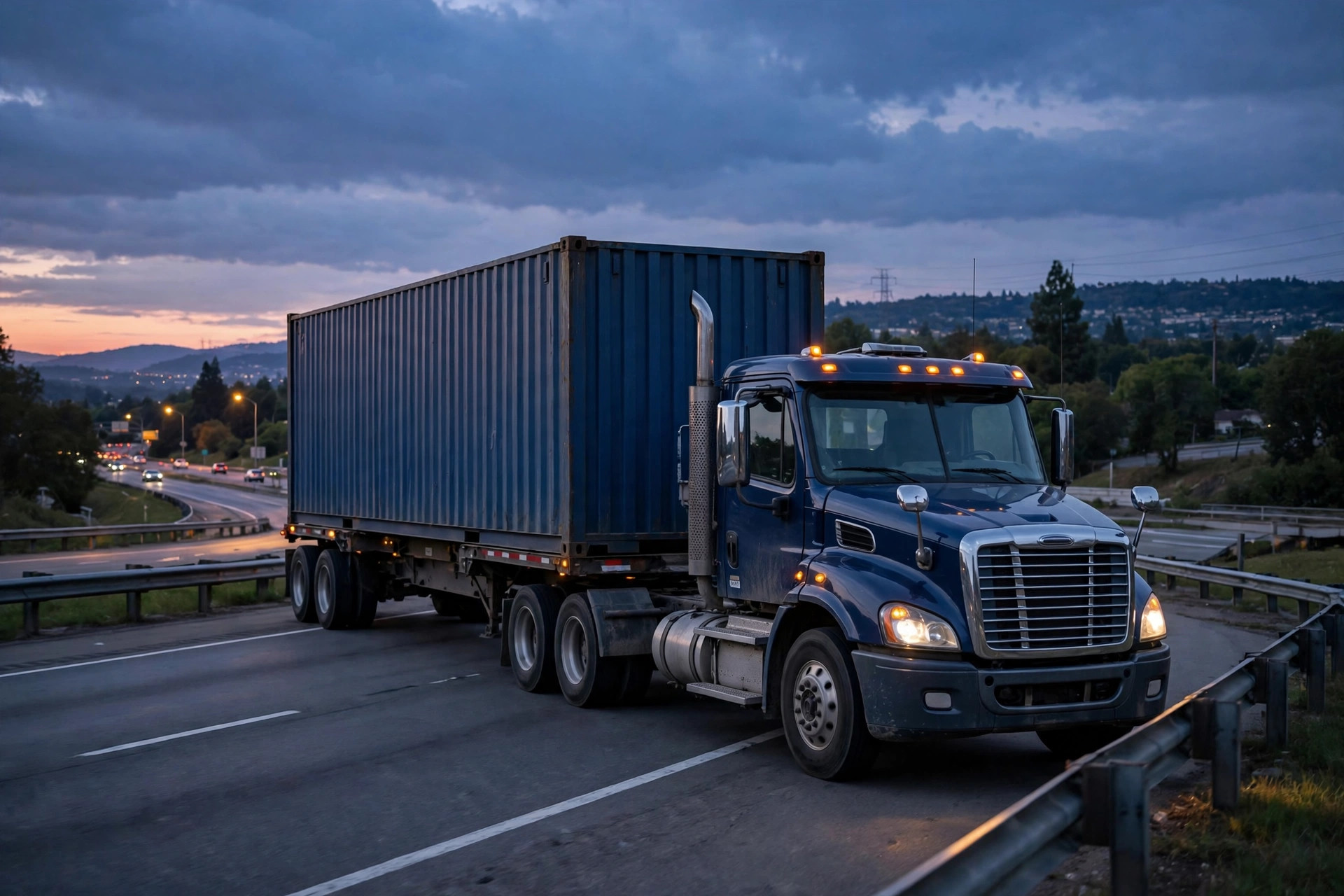
Two falls ago I was sitting in the pickup line outside the Port of Long Beach when the driver ahead of me blew up at the gate clerk. Whole line could hear him: "That box came off the ship like that — why is it on me?" The clerk didn't even look up: "You signed the EIR clean. It's yours once you leave." The poor guy was stomping around — cracked container roof, one rainstorm on the road, half his load soaked. When it comes to drayage cargo damage liability insurance, I've learned this over fifteen years on the road: eight times out of ten, the fight isn't about who caused it. It's about who pays.
Boxes getting hurt on the road isn't rare. What's rare is a clean answer about whose wallet takes the hit: the shipper, the trucking company, or the terminal. Today I'm laying it out plain: two true stories, who pays and why, and how you keep from getting stuck with the bill.
Two True Stories About Drayage Cargo Damage Liability Insurance
The first one happened to me. September two years back, I picked up a 40-footer at Long Beach headed for a warehouse in Ontario. The gate handed me the EIR — the equipment interchange receipt — with a few condition codes printed on it. I was in a hurry to make my next run, so I glanced and signed. Then the Santa Ana winds kicked up and a hard rain rolled through. At the warehouse, the cartons near the doors were soaked through, paper melting in my hands. A hairline crack in the roof had let the rain pour in all the way up the 60.
That load was small appliances. The shipper said water-damaged circuit boards can't be fixed — claim came in north of $120,000. My carrier boss slapped the EIR on the desk: outgated clean, you signed it. The terminal was shorter: crack wasn't on the outgate EIR — pre-existing or did you rattle it loose? Prove it. Three months of lawyer letters later, the shipper ate seventy percent, the carrier thirty. And me? I ran that load for free.
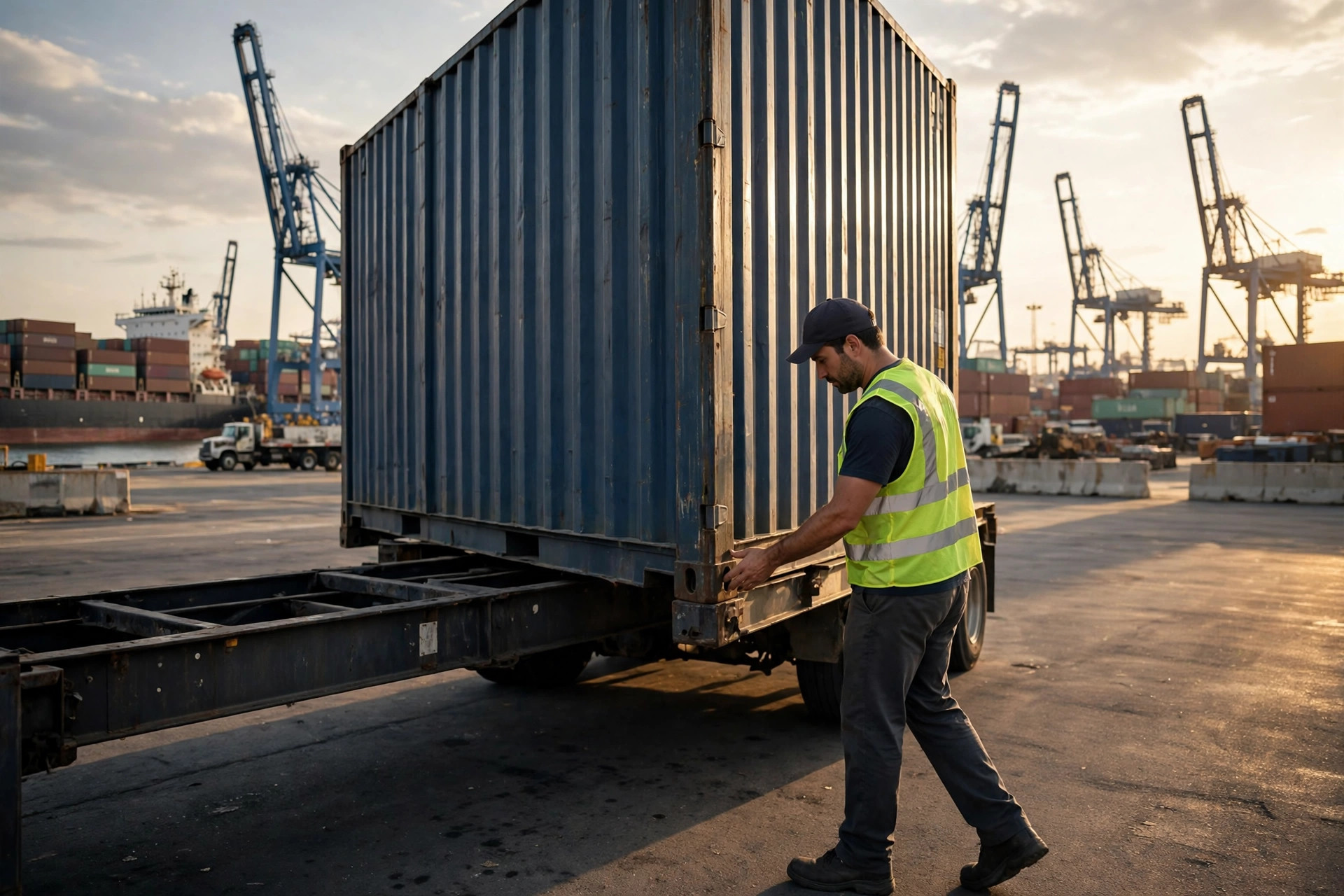
Lesson: the EIR is your life-or-death paper. Before signing, take five minutes, walk the whole box, photograph everything — roof, doors, all four corner castings. Damage? Make the gate amend it on the spot. Five minutes of hassle saves three months of hell.
The second story happened to a buddy of mine last winter. He pulled a box out of Oakland headed for Tracy and got rear-ended on I-580. Doors buckled, two pallets tipped over, forty-some cases of wine smashed. Police report: other driver one hundred percent at fault. Dash cam caught it all. Open and shut, right? Wrong — the other guy was an independent owner-operator with a $50,000 cargo policy against a $160,000 load.
In the end the shipper's own policy — shipper's interest insurance — paid in full first, then subrogated against the other driver. The shipper told me: thank God I'd bought that policy, or $160,000 would've gone straight down the drain.
Lesson: when something happens on the road, whether the other guy can actually pay is a separate question. Your own insurance is the last rope. Hang your hopes on somebody else's policy and you'll get hurt sooner or later.

Who Pays for Drayage Cargo Damage: A Plain-English Breakdown
Now the rules. On a drayage move, liability splits pretty clean — it all comes down to whose hands the box was in:
| Where it happened | Who pays | Why | | Box was already damaged at pickup | Terminal or equipment provider | Outgate EIR shows it, photos prove it | | Box damaged while in your possession | The carrier (the driver) | The UIIA interchange agreement is clear: the motor carrier pays reasonable repair costs for damage during its possession | | Crash or rollover on the road, cargo ruined | The at-fault party; the carrier is on the hook first | The Carmack Amendment holds the carrier liable for cargo damage in transit, with only a handful of narrow defenses | | Damage found at unboxing, can't tell where it happened | Whoever claims, proves | EIR, seal number, photos, bill of lading records — miss one and you're guessing |
Do the math with me: a $200,000 load, carrier's cargo policy capped at $100,000 per shipment. Something big happens — who covers the other hundred grand? Not the carrier's owner, not the terminal. Either the shipper eats it, or the shipper's own policy steps in. So before booking, ask: what's your per-shipment cargo limit? The jump from $100,000 to $1,000,000 in coverage might cost fifty bucks more in freight — it's a hundred-thousand-dollar difference when things go sideways.
The trade-off nobody says out loud: the cheap carrier saves fifty dollars on the rate and gambles with hundreds of thousands in cargo. The insured carrier costs more and actually pays. Neither choice is wrong — but know which bet you're making.
Three Things Most Shippers Get Wrong About Drayage Cargo Damage Liability Insurance
Fifteen years running, I've found shippers misunderstand insurance worse than anything else on the road. Three deadliest ones:
First, the freight broker's $75,000 surety bond pays exactly zero toward cargo damage. That's the BMC-84 bond federal law makes brokers carry, and it guarantees one thing: the carrier gets paid. It has nothing to do with your cargo. Plenty of shippers think "the broker is bonded, so we're insured." Dead wrong.
Second, federal law doesn't require trucking companies to carry cargo insurance at all. What it requires is public liability — for interchange carriers, the UIIA demands commercial auto and general liability of at least $1,000,000 each. Cargo insurance? That lives or dies in the contract. Not written in means it doesn't exist. Your rate agreement needs one line: cargo coverage limit. No line, no signature.
Third, new damage found when you return the box is presumed yours. UIIA rule: damage not noted on the outgate EIR is presumed to have happened on your watch, unless your photos prove it was pre-existing. Walking the box with your phone isn't fussy — it's self-defense.
Then there's the clock. Under the Carmack Amendment, a written claim must be filed within nine months of delivery, and any lawsuit within two years of the carrier's written denial. I've watched shippers argue on the phone for six months, never filing one written claim — then the window slams shut for good. Phone calls don't count. Paper counts.
Straight Advice for Shippers and Warehouses
Stories told, rules told. Here's what you can actually use tomorrow:
Before booking a carrier, ask three questions: What's your per-shipment cargo limit? Do you run a real EIR process at pickup? When something goes wrong, who do I call? Can't answer all three on the spot? Walk away, no matter how cheap the rate.
For high-value freight — electronics, wine, medical devices — declare the value in the contract and pay for the coverage, or buy your own shipper's interest policy. Premiums run as a small percentage of insured value. That money isn't an expense — it's the $160,000 my buddy's shipper almost lost.
Warehouse folks on receiving: open it, inspect it, photograph it, match the seal number — and if you find damage, get the written claim filed within nine months. Arguing on the phone or in text messages doesn't stop the clock.
And drivers: never sign an EIR blind. Walk the box, photograph it, and if something happens, photograph everything again, call the police, keep the report number. Your photos and that report are your entire defense. Five minutes of trouble beats three months of misery.
Fifteen years on the road, and I live by one old saying from back home: the careful sailor never sinks. Insurance is the spare boat — it looks like it's just in the way, until the day yours goes down and you find out what it's really worth.
By Shifu Zhao, Trucking Veteran (15 yrs)