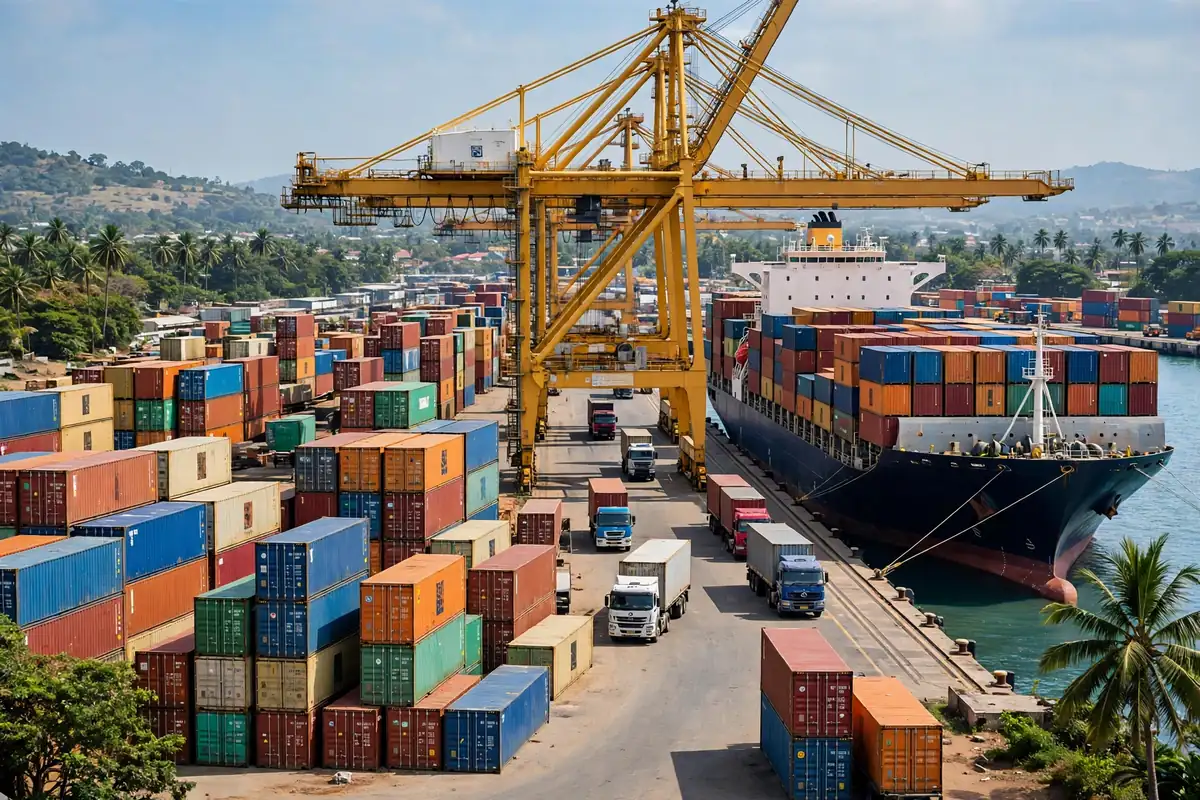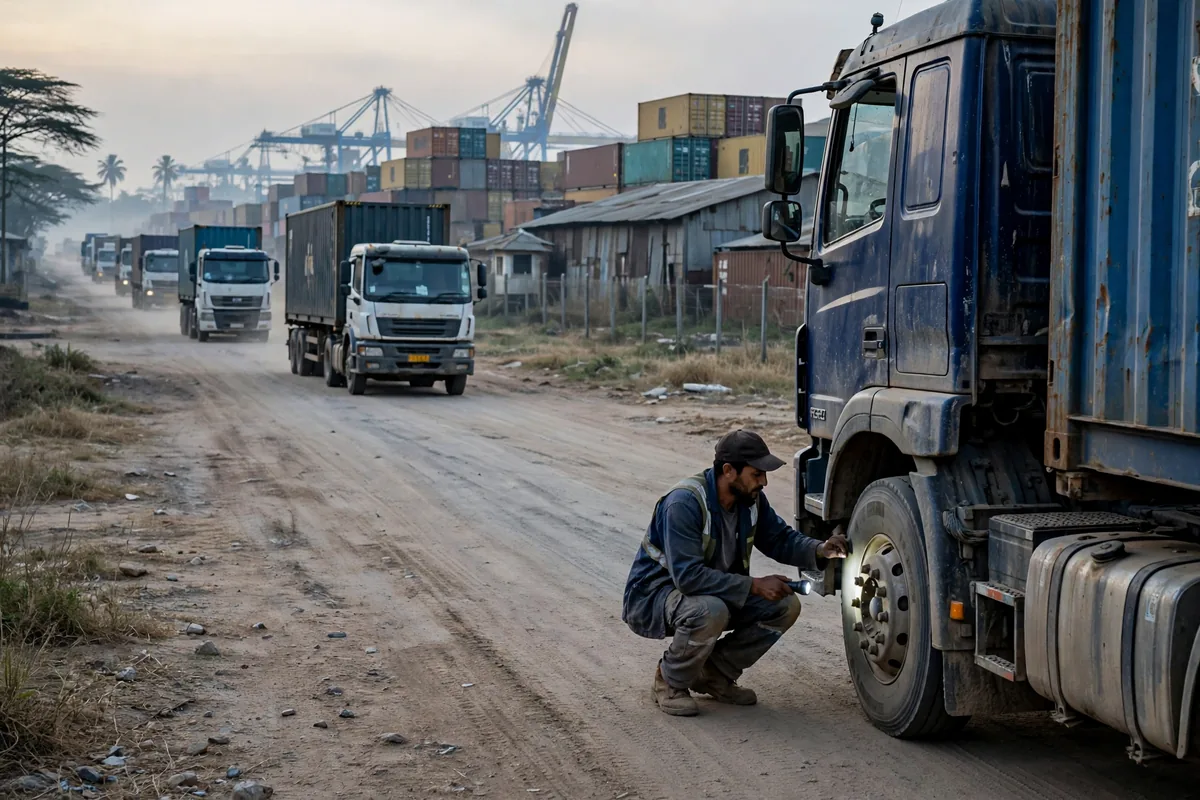
Let me tell you straight: dar es salaam tanzania port warehouse logistics looks simple on a port map, and that is exactly how people get burned. After fifteen years behind the wheel, I do not judge a port by how tall the cranes are. I judge it by where trucks actually wait, where empty trucks run, and where a driver can safely park at night. Dar es Salaam is no different. Pick a warehouse one street wrong and the rent you saved comes back as waiting, fuel, and missed departures.
In the rainy season of 2023, I rode along with a building-materials trader clearing cargo in Dar es Salaam. Six containers of cement fittings and hardware, bound for Lusaka, Zambia. His warehouse sat right by the port, which looked smart on paper. That week, trucks cleared the gate and then crawled on the main road into the city. One truck finished pickup at 9 in the morning and still had not reached his warehouse door by 4 in the afternoon. The driver baked in the sun most of the day. Next day we changed the play: drag the boxes to a yard warehouse out toward the corridor, sort overnight, and roll toward Morogoro before dawn. That load moved a full day faster. Closest to the port turned out to be furthest from done.
dar es salaam tanzania port warehouse logistics starts where trucks wait
Most cargo through Dar es Salaam is not staying in the city. It heads west to Zambia, Rwanda, and Burundi, and further in toward the eastern Democratic Republic of Congo. So do not ask only how far a warehouse is from the port. Ask three questions instead. Does it connect cleanly to the westbound road toward Morogoro and Mbeya? Can a loaded truck turn and exit without fighting city traffic? In the rainy season, when low stretches flood, can a full truck still get in and out?
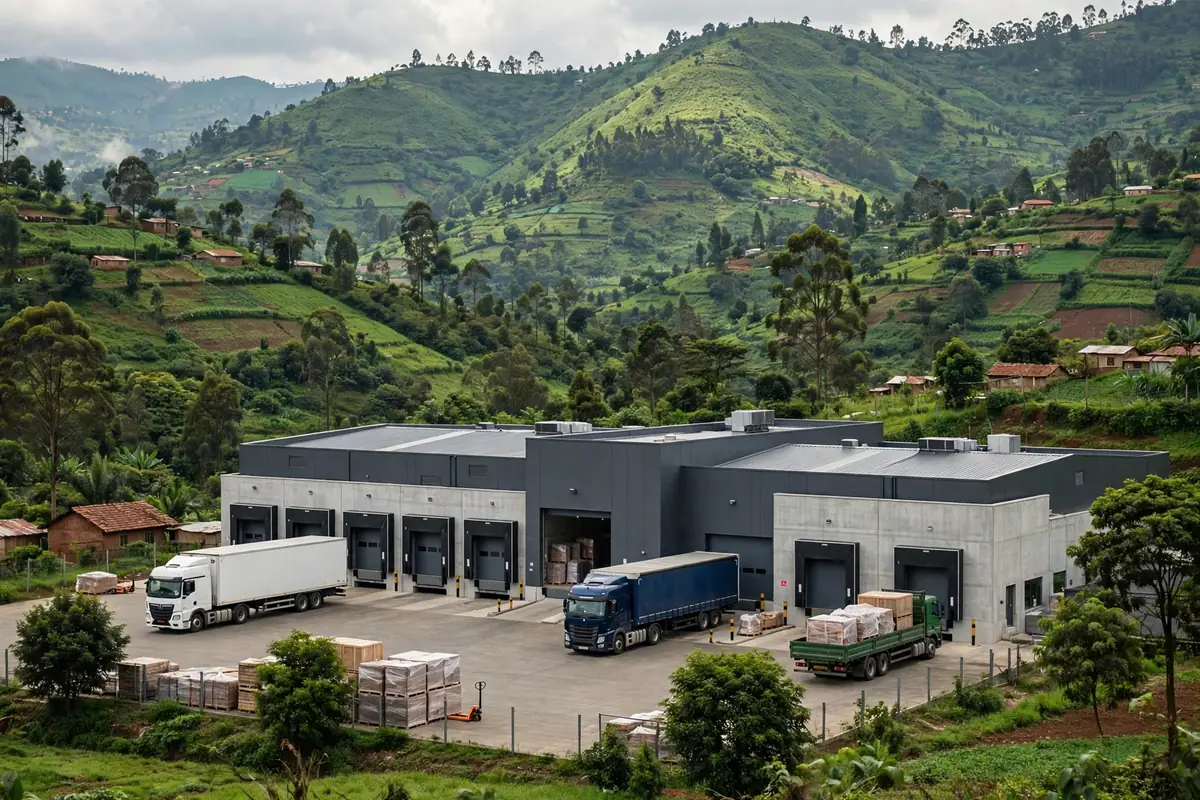
I saw the opposite choice pay off in the dry season of 2024. An agricultural parts company placed its warehouse west of the city, near the outbound corridor, noticeably farther from the port than the port-side options everyone praised. Competitors called it foolish. Peak season arrived, trucks queued around the port, and his trucks loaded in the morning and went straight onto the corridor, skipping one full loop through town and saving roughly half a day per trip in that example. Drivers do not fear distance. They fear unpredictable delay. A site a little farther away with a reliable clock beats a near site where every day is a gamble.
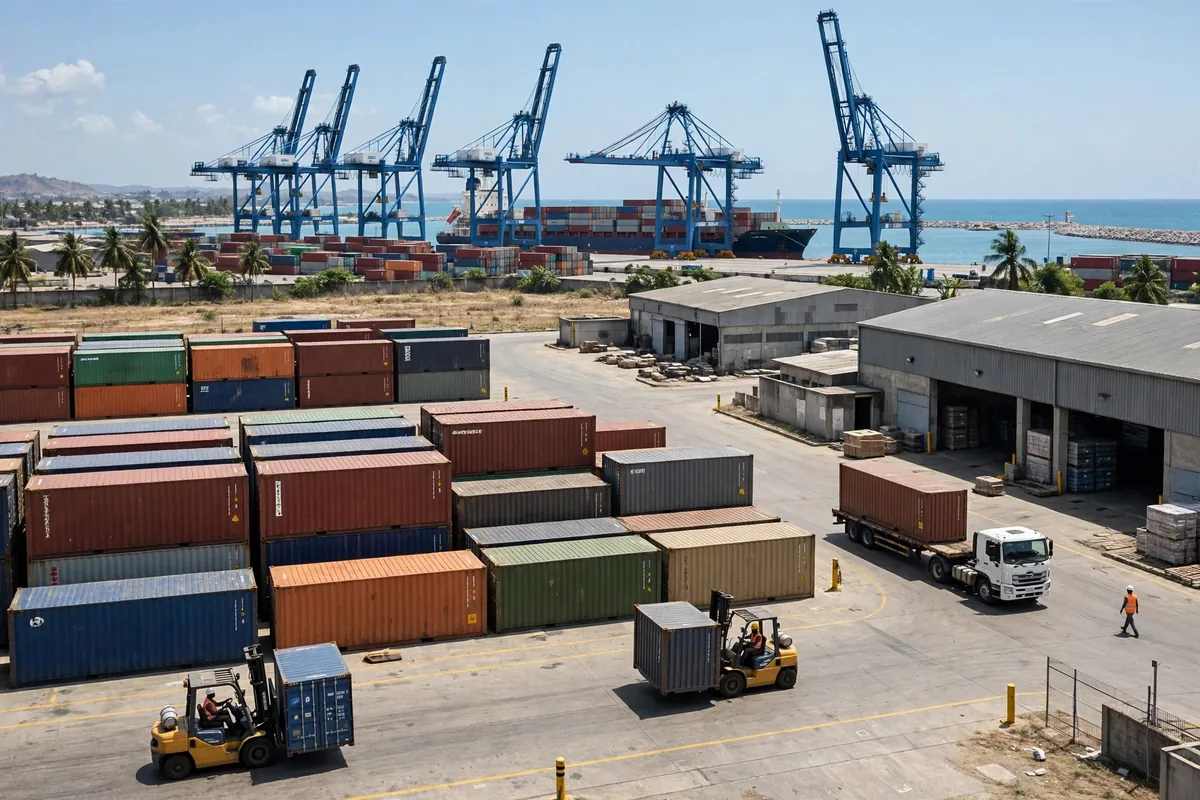
Watch also where waiting really happens. Waiting for a box, waiting for clearance papers, waiting for the consignee to confirm — none of that happens inside the racking. It happens in parking areas, on shoulders, and near checkpoints. If a warehouse has no proper yard for parking and turning, trucks queue on the public road, police move them on, consignees call angry, and the mess lands on you. In Dar es Salaam, judge the yard first and the building second.
Splitting port-side and upcountry work: a dar es salaam tanzania port warehouse logistics framework
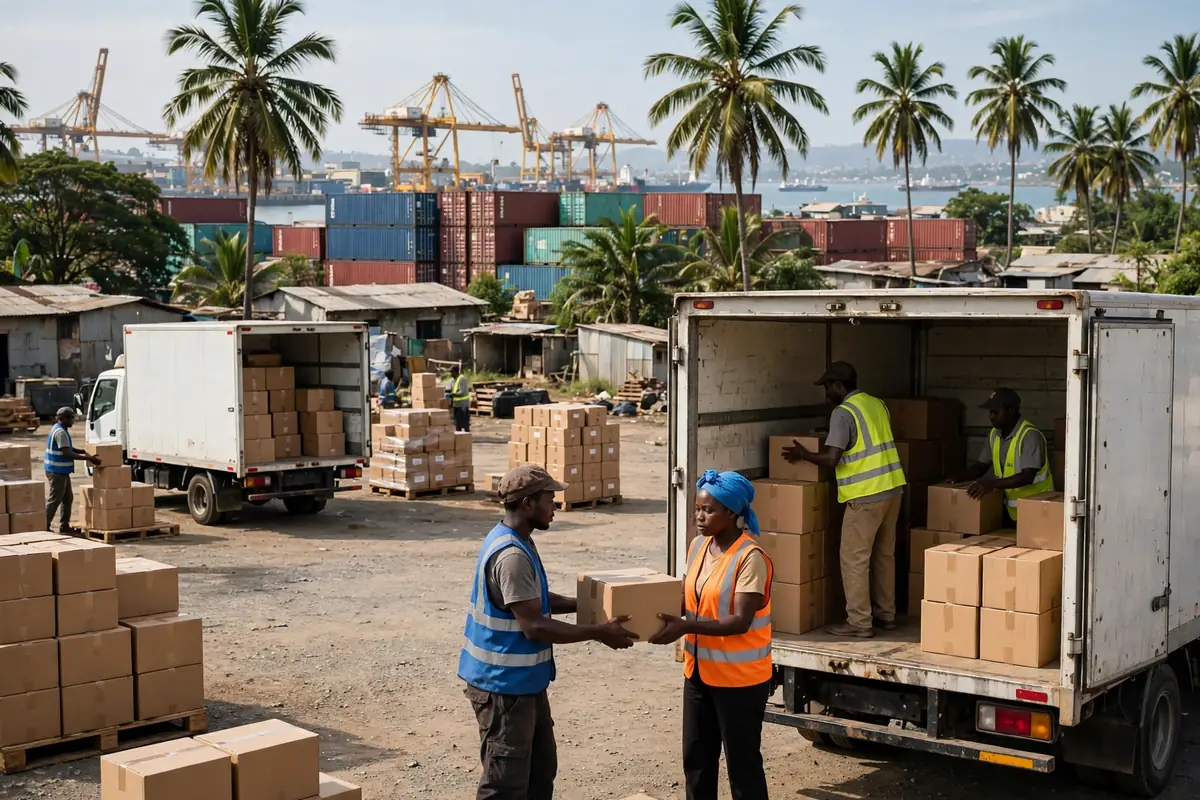
My method is plain and it works. Run two layers. Layer one is a port-side turnover warehouse: lift boxes, strip containers, label, and cross-dock. Freight moves fast there and must never settle in, because port-side space punishes slow freight. Layer two is a staging warehouse outside the worst congestion, toward the corridor: consolidate, build full loads, hold for documents, and wait for backhaul. Separate the layers and the trucks stop fighting each other. Cram import boxes, local delivery vans, and long-haul trucks through one gate and no dispatcher on earth can untangle it.
Here is an illustrative example calculation, not a local tariff quote; check current provider rates before budgeting. Suppose 60 long-haul trucks a month. Under a port-only model each truck waits an average of 6 hours. Under the split model each truck makes one extra short shuttle leg but waits only 2 hours on average:
| Item (example) | Port warehouse only | Port turnover + corridor staging |
|---|---|---|
| Average wait per truck | 6 hours | 2 hours |
| Monthly waiting, 60 trucks | 360 hours | 120 hours |
| Extra shuttle legs | None | 1 per truck |
| Overnight chaos in peak season | Common | Much reduced |
The point is not the 240 hours saved on paper. The point is what predictable waiting does to rhythm. Corridor transport runs on rhythm: can today's Zambia freight make a full load, can tomorrow's returning truck pick up a backhaul, can a Burundi consignment connect without sitting three days? A warehouse that breaks rhythm makes cheap freight expensive.
Here is the counter-intuitive part. Freight for Rwanda or Burundi does not always need to be fully consolidated inside Dar es Salaam. Sometimes dropping it at a corridor node warehouse, letting feeder freight catch up, and then reloading onto a larger truck for the inland leg shortens total time. A warehouse earns its keep by sitting on the route trucks must travel anyway, not by being the biggest building near the water.
Three honest rules for shippers and warehouse operators
First, choose a warehouse by total time from box pickup to out of the city, not by rent per square metre. Second, before signing, drive the route yourself: once in the morning peak, once in the rain, fully imagining a loaded truck leaving that gate. Your own eyes settle arguments that brochures cannot. Third, match the paper rhythm to the truck rhythm. Sending every truck to the port before clearance documents are ready is not efficiency. It is blocking your own gate with your own fleet.
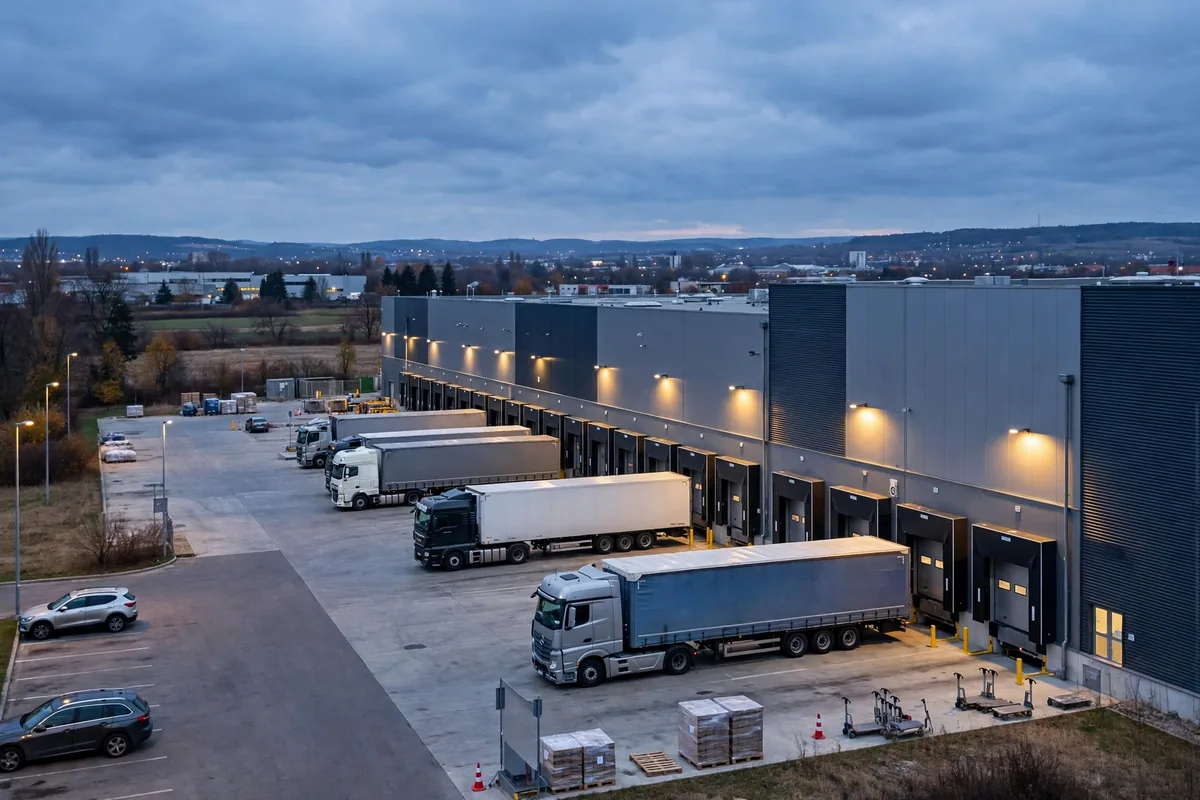
One more thing drivers care about and planners forget: safe overnight parking. A driver sleeping on a shoulder risks fuel and cargo. A yard with real, guarded parking costs more and is worth it. That money buys security, not appearances.
Ports do not move. Corridors do, every single day. The real craft in dar es salaam tanzania port warehouse logistics is not in the few hundred metres beside the quay. It is in the thousands of kilometres the wheels actually cover. Put the warehouse where the truck flow already goes, and freight moves easy. Fight the flow, and every week feels like peak-season gridlock.
By Shifu Zhao, Trucking Veteran (15 yrs)