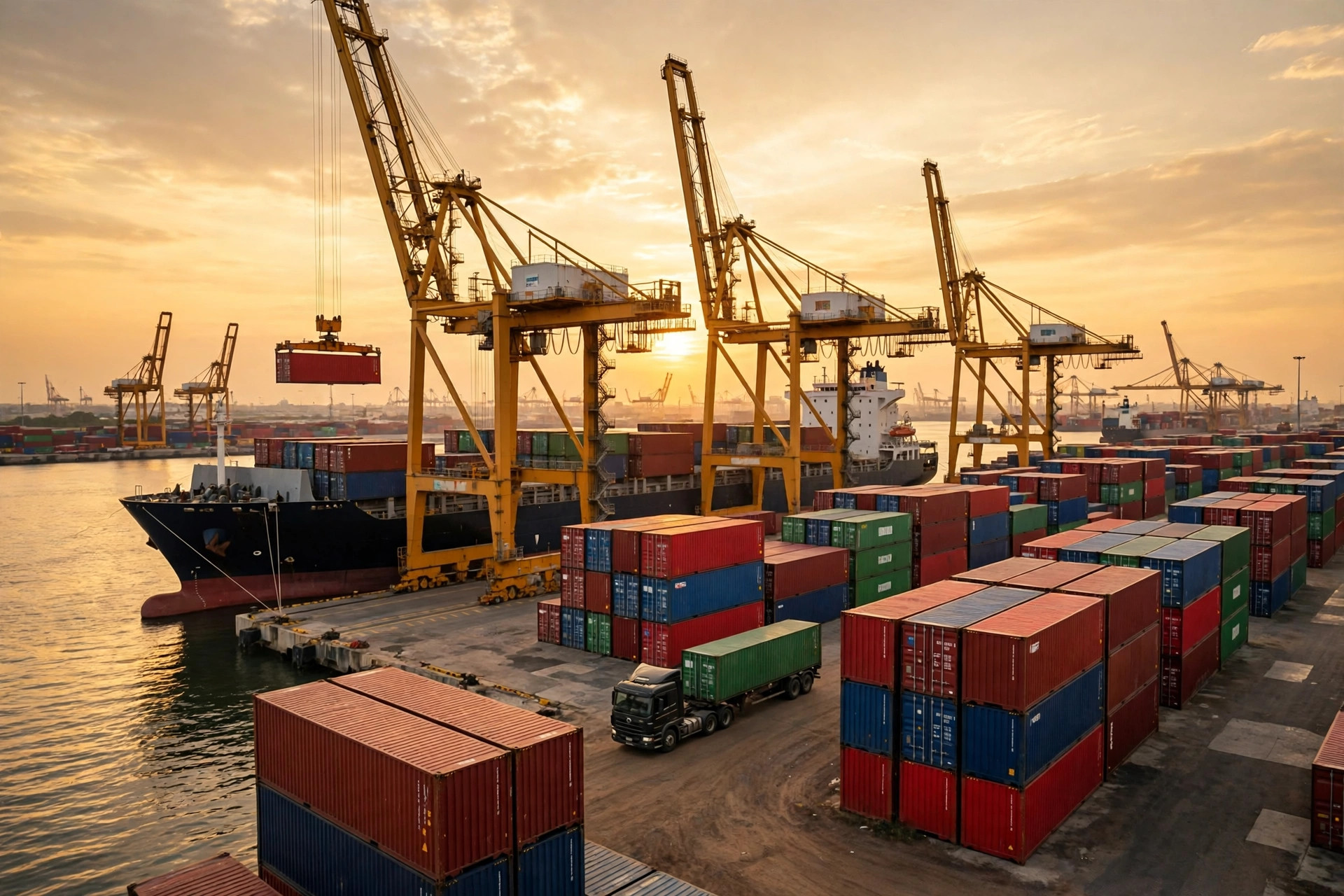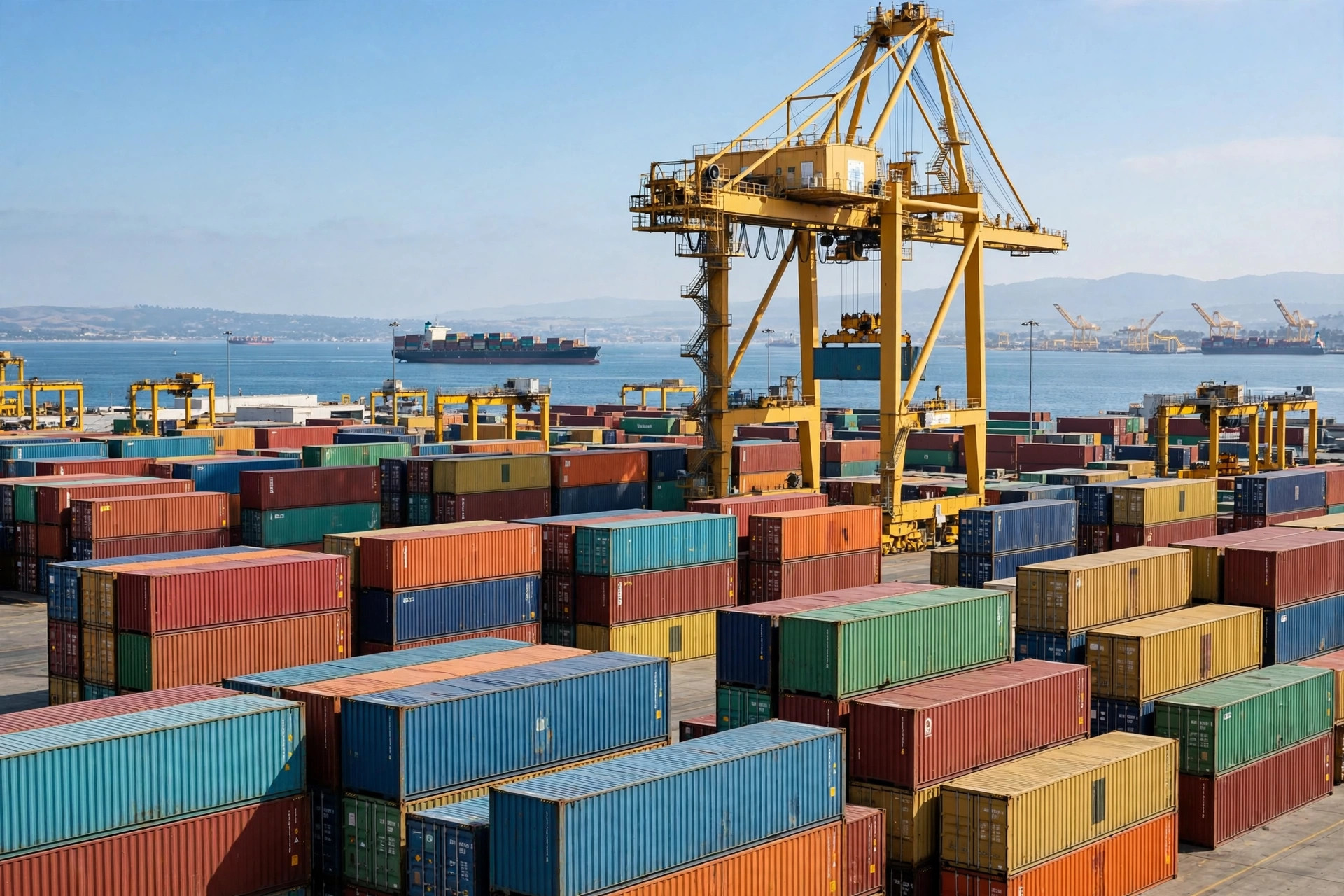
Here is my verdict up front: dar es salaam tanzania port warehouse logistics is a business worth doing the math on right now, and a business not worth rushing into blind. In the 2024/25 fiscal year the Port of Dar es Salaam handled 27.7 million tonnes, up from 23.69 million tonnes the year before — 4.01 million tonnes more, growth of roughly 15 to 17 percent — and more than 95 percent of Tanzania's seaborne cargo moves through this one port. When one port takes more than nineteen twentieths of a country's seaborne trade, the cargo is going to pile up there, and warehouse space there is going to be worth real money. The question was never whether there is cargo. The question is whether your warehouse can take it when it lands, and whether the cargo can get back out again without a fight.
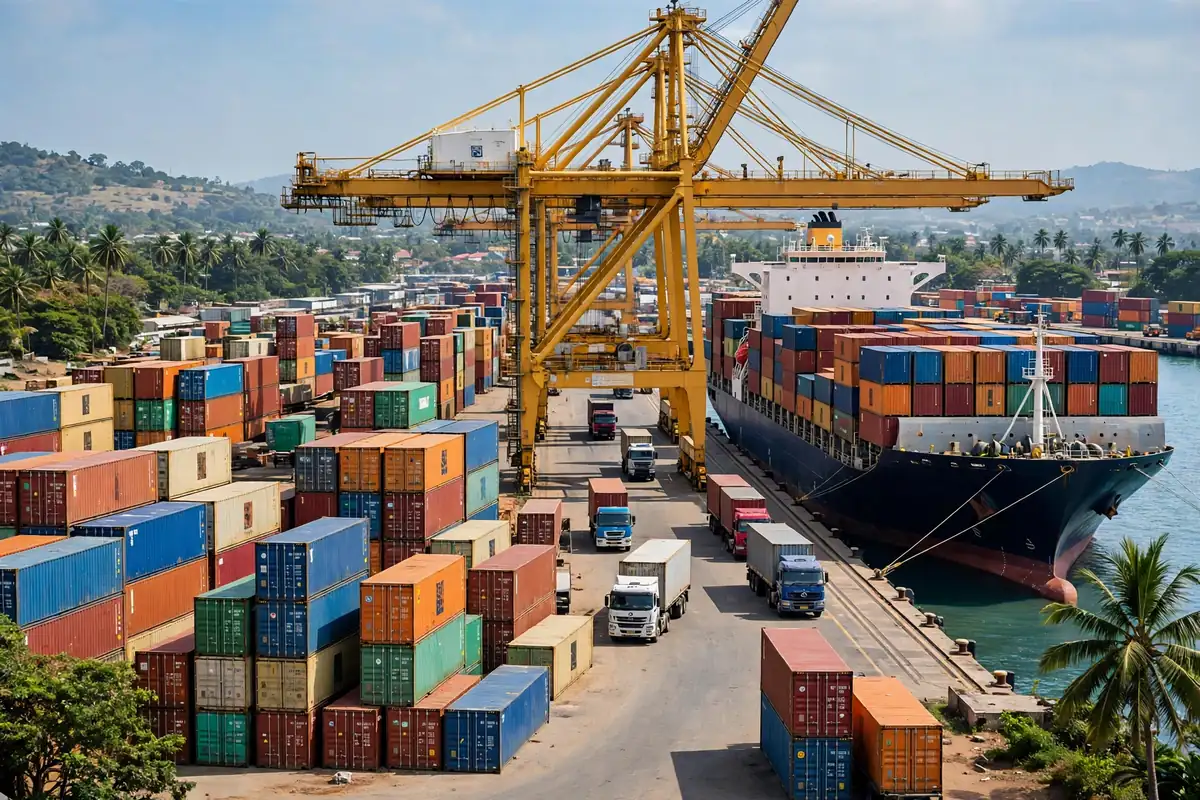
I have seen too many people look at a faster port and conclude the business got simpler. There are two sides to this. On one side, the port genuinely is a different place than it was: container ships that used to wait about 10 days to berth now berth in about 3, and other vessels that used to wait about 30 days now berth in about 6. The Dar es Salaam Maritime Gateway Project deepened the entrance channel from 10 metres to 15.5 metres, berth depths run about 14.5 to 14.75 metres, and the port can now take vessels of the 8,000-TEU class. On the World Bank's Container Port Performance Index, Dar es Salaam climbed from 360th to 255th — 105 places in one move. On the other side, faster ships mean cargo arrives in bigger, tighter waves, and the pressure lands on warehouses and corridors instead. The port moved the bottleneck off the water and onto the land. If your warehouse cannot absorb the wave, every day the port saved will be handed straight back at the gate and on the road inland.
I have seen this trap play out with shippers who planned around the old rhythm. When a vessel sat outside for about 30 days, a shipper had time — forced time — to line up warehouse space, book trucks, and sort the paperwork while the cargo was still at sea. Now a container ship berths in about 3 days, the cargo is suddenly in front of you, and if there is no space ready in the warehouse and the deconsolidation plan is not already written, you are standing at the quay with nowhere to put it. The sailing schedule got faster; the shipper's own operating rhythm did not. That gap is where the money leaks. Port improvements reward the people who are ready first, and they punish the people who are not.
The Port Got Faster. The Dar es Salaam Warehouse Logistics Math Is Just Starting
Start by reading the port side of the board clearly. DP World signed a 30-year concession in 2023 and operates berths 0 to 7; TEAGTL operates berths 8 to 11, and the Container Terminal 2 it runs has an annual handling capacity of about 1 million TEU. Responsibility is written down, so when something goes wrong you know whose door to knock on. The volumes back it up: 27.7 million tonnes in 2024/25, 4.01 million tonnes more than the year before, an increment on its own close to a mid-sized port's whole year.
But the port's math cannot stop at the quay edge. Transit cargo in 2024/25 ran to about 12.6 million tonnes — roughly four and a half tenths of everything the port handled. That is the number I would watch closest in dar es salaam tanzania port warehouse logistics, because it says this port is not just Tanzania's gateway, it is the seaboard for landlocked neighbours inland. Transit cargo plays by different warehouse rules than local cargo. Local cargo is about storage and distribution out to shops and sites. Transit cargo is about moving through: cross-dock, break bulk, change mode, and keep going inland. Run transit cargo through a warehouse built for local storage and you will rent a lot of square metres solving the wrong problem.
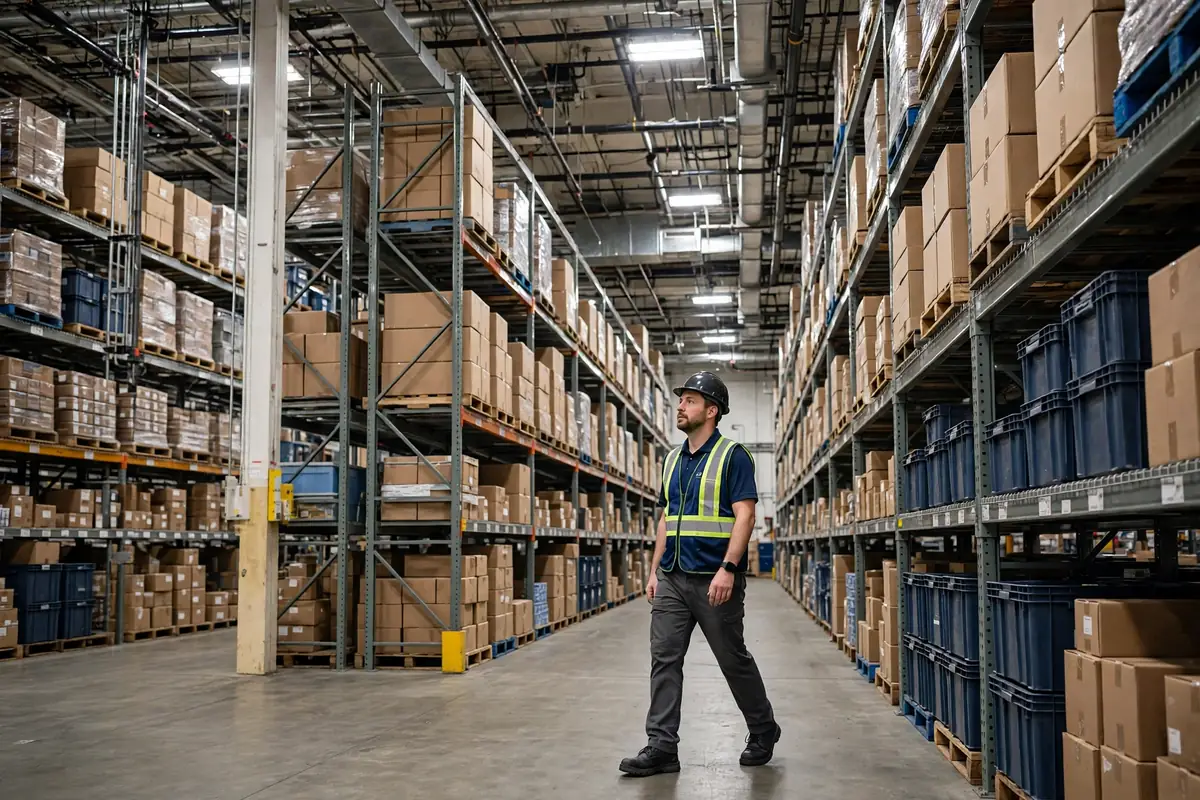
Here is the counterintuitive part, and it is the one most people get backwards: the port climbing 105 places on the performance index does not make warehousing easier. It makes it harder. When ships were slow, the port itself was the buffer — cargo queued at sea while warehouses and truck fleets caught their breath. Now the ships are fast, the buffer is gone, and the volatility hits the warehouse door directly. When volumes surge, the warehouse has to be sized and staffed for the peak, not the average. A faster port did not reduce the warehousing workload. It moved the workload from the quay into your warehouse. The operators who understand that will price it into their quotes. The ones who do not will find out on their first big vessel call.
Kwala Dry Port: the Second Card in Dar es Salaam Tanzania Port Warehouse Logistics
When there is no room left beside the port, look inland. The Kwala inland dry port is targeting annual handling of about 300,000 boxes — roughly 823 boxes a day. Read that number the right way: Kwala is not there to replace the port. It is there to take work off it — containers pulled out and handled inland instead of being stripped and staged inside the quay, leaving port space free for loading and discharge.
There are two sides to this as well. The good side is that a dry port gives warehouse location a genuine second option instead of a fight for land at the quayside. The other side is that a dry port is only worth what its connections are worth. Can boxes be pulled out of the port on schedule? Once they reach Kwala, can they be stripped and sent onward without waiting? If any link in that chain jams, the dry port stops being a relief valve and becomes a new choke point. I have seen too many dry port schemes that look complete on the planning drawings and fall over on the most ordinary link in practice. So when you look at Kwala, do not start with the 300,000-box target. Start with whether the transfer between port and dry port already runs smoothly, and then ask whether your cargo fits that lane at all.
How to Play It: Three Lanes First, Then the Warehouse
Put plainly, the first question in Dar es Salaam is not the rent. It is which lane your cargo travels. Different cargo wants a different warehouse location, so here is the decision frame I use — three common placements, set side by side:
| Placement | Suits | Price you pay first | What scares me |
|---|---|---|---|
| Beside the port | Local distribution, cargo that must move fast | Tight space, heavy coordination | One vessel surge fills it up |
| Around Kwala dry port | Transit transfer, container distribution | An extra transfer leg, depends on the link running smoothly | A jammed transfer turns the dry port into a bottleneck |
| Along the corridor | Transit cargo heading inland, distribution along the route | Far from the port, wide scheduling radius | Cargo arrives but the onward plan is not ready |
There is no standard answer in that table, only a way to use it: run your own cargo through it. Is your cargo consumed locally or passing through in transit? Does it move as a full box straight onward, or does it need stripping and splitting? Does it have to leave the day the vessel berths, or can it sit in the warehouse for a while? Answer those three questions honestly and the location picks itself. Skip them and whichever warehouse you rent, you are gambling.
One last trade-off, and it is the one people least want to hear. Volumes at Dar es Salaam are rising, the performance ranking is up 105 places, the channel takes 8,000-TEU vessels, and Kwala is targeting about 300,000 boxes a year. But the hotter the market, the more expensive it is to walk in with a "grab a warehouse first, figure it out later" plan. A fast port and big volumes mean mistakes cost more: one stuck shipment can eat months of margin. So here is my advice — work out which lane your cargo is on and which placement fits it before you talk to anyone about space, and take that answer into every negotiation. Rent the warehouse to fit the cargo, never the other way round. Have you actually answered those three questions yet?
By Lao Mi, Supply Chain Veteran (20 yrs)