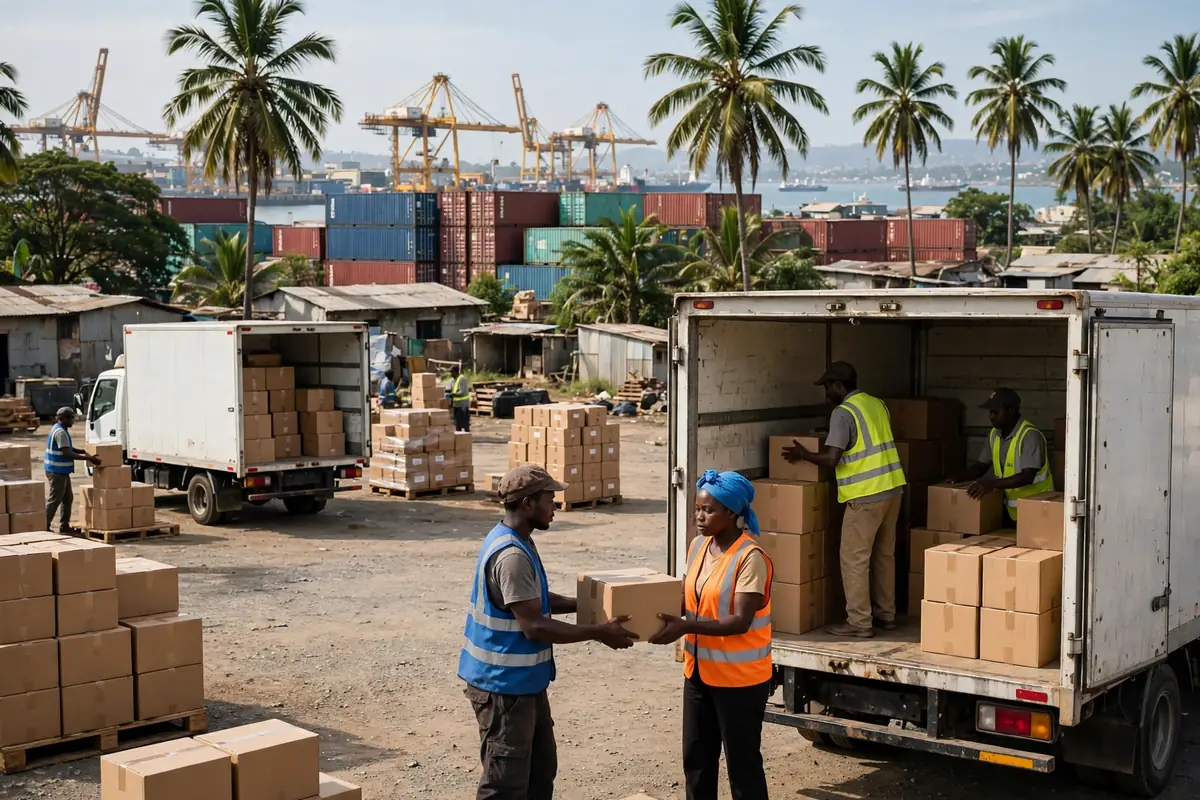
Let me be honest about Dar es Salaam urban warehouse distribution up front: a small warehouse like mine can't afford big downtown rent, and it can't afford to sit in the traffic on the main roads into town either. So this isn't a big-company playbook. It's a survival ledger from a small warehouse owner.
A freight-forwarder friend dragged me to Tanzania mid-last year to look at the market. Dar es Salaam is the country's largest city and its main port, the commercial center of the whole country, and the 2022 census put the region at more than seven million people. Port containers, downtown shops, warehouses outside town — everything is crammed into this one city. My friend said, "Xiao Ma, take a look at how delivery works here." I looked for three days, and my conclusion was one sentence: in this city, delivery isn't won by whoever has the biggest warehouse. It's won by whoever's trucks can survive the traffic.
Dar es Salaam Urban Warehouse Distribution: First, Figure Out Where It Jams
The traffic in Dar es Salaam isn't like traffic anywhere else. The city runs on a handful of main roads — Morogoro Road, Bagamoyo Road, Nyerere Road — and port freight, downtown shoppers, and suburban commuters all share them. Add the daladala minibuses stopping and weaving everywhere, and one main road can hold trucks, minibuses, private cars, and motorbikes all at once, going nowhere.
I watched it happen myself. At eight in the morning, a truck that had just picked up a container at the port was heading to a warehouse on the west side of town, down Morogoro Road. A dozen or so kilometers. The driver said it normally takes forty or fifty minutes. That day it took until noon. The freight sat on the truck, the customer kept calling, and the driver just stared at the road ahead. That's lesson one of Dar es Salaam urban warehouse distribution: the distance on the map doesn't count. The time on the road counts. If you plan delivery times by straight-line distance, your very first order falls apart.
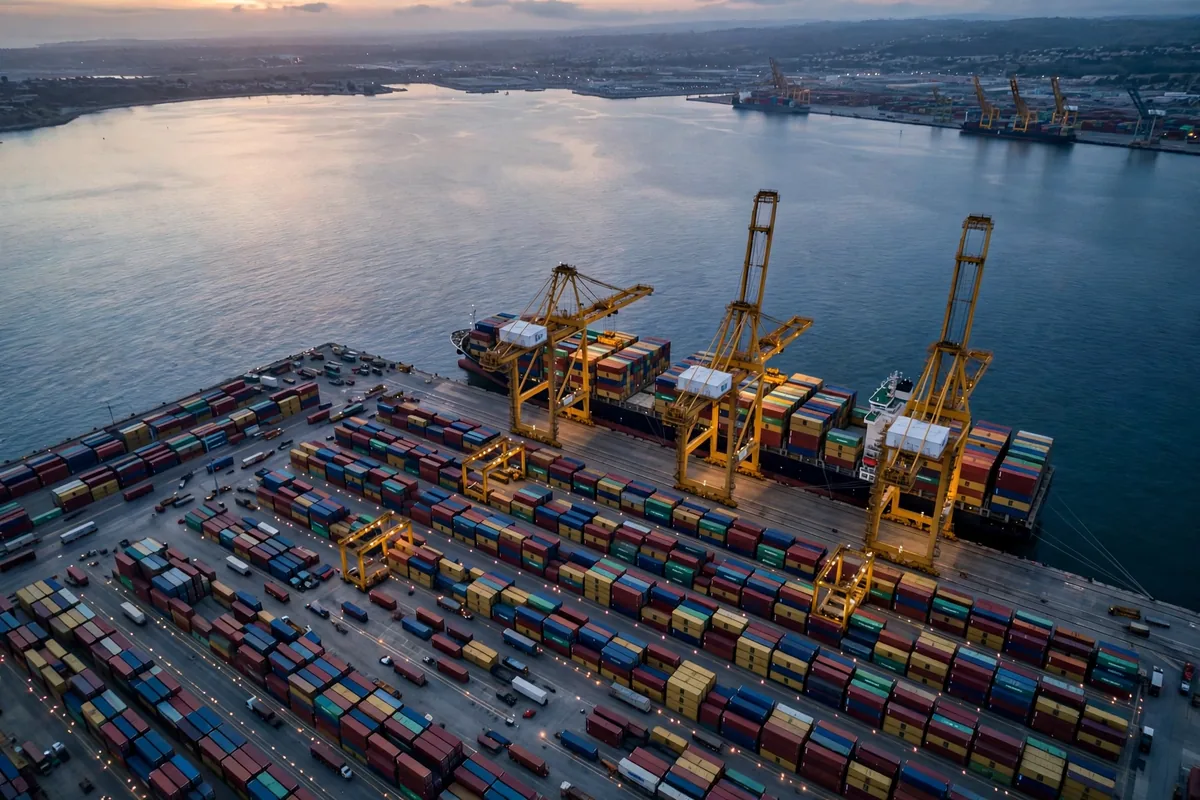
The port side works the same way. Dar es Salaam is Tanzania's main seaport gateway, and most of the country's imported cargo comes ashore here. The ship arrives, but that doesn't mean the container comes out right away — queues at the terminal, paperwork, inspections. Any one of those steps can slip, and the pickup slips with it. A container sitting an extra day in the port costs extra money, and for the exact charges, check the latest port and carrier policies — I won't quote you numbers I can't stand behind. If you plan your pickup time too tightly, you've handed your delivery promise to someone else.
Big Warehouse Outside Town, Small Cross-Dock Inside
Once you know where it jams, the warehouse location decides itself. My approach: the big warehouse goes outside town, and a small cross-dock goes inside.
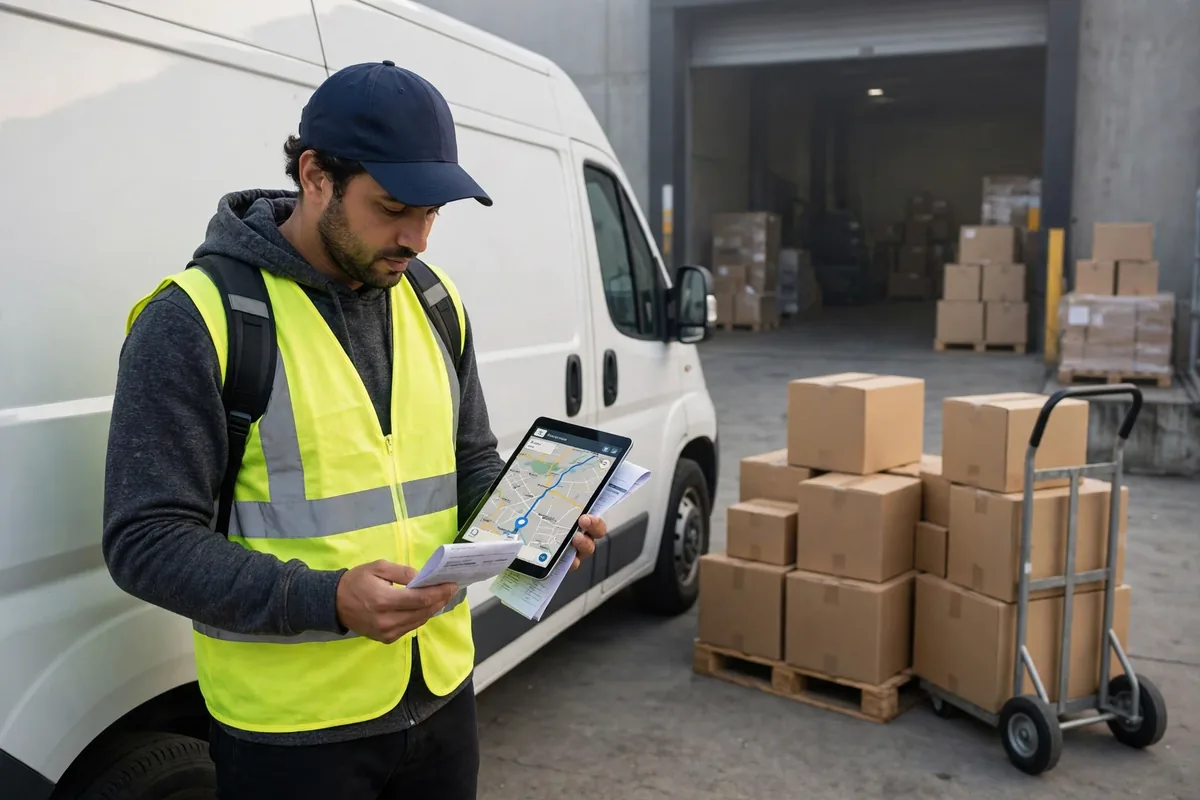
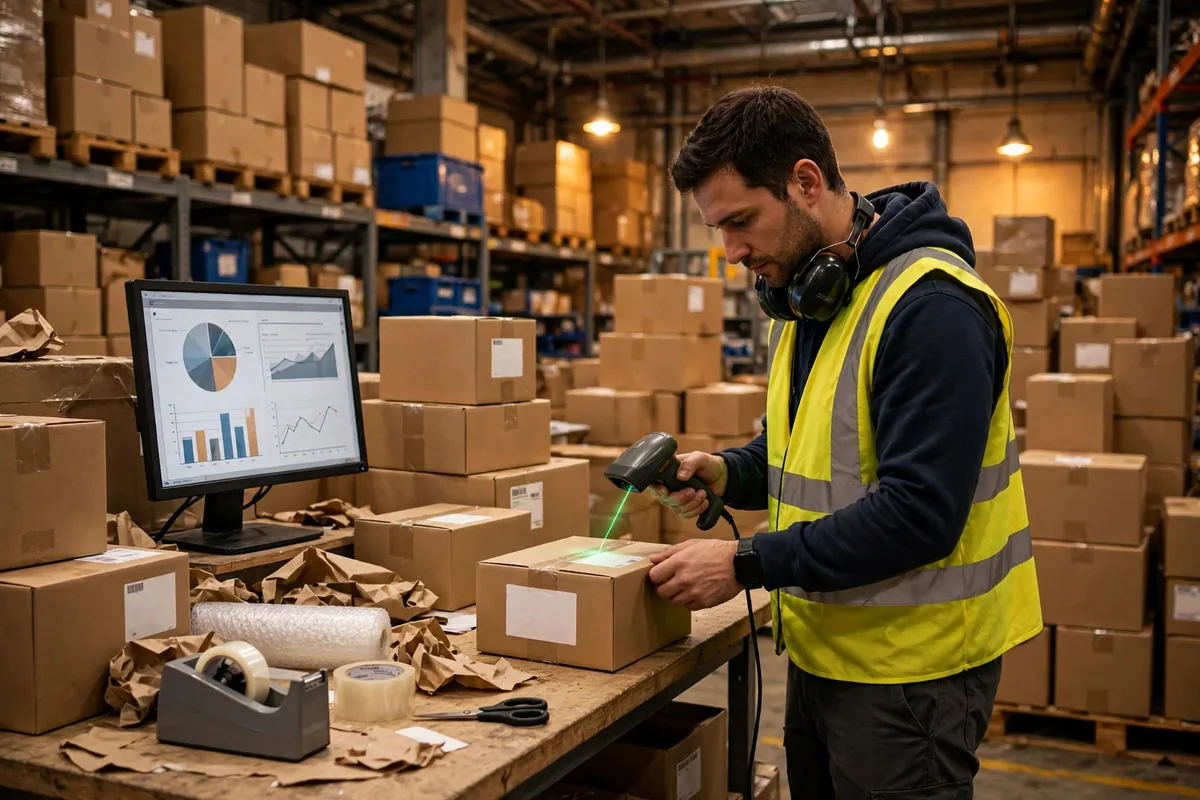
The big warehouse outside town is cheap, spacious, and easy for large trucks to reach. Full containers from the port go straight into it without fighting their way into the city. The cross-dock inside doesn't need to be big — a few hundred square meters where you can hold freight briefly, sort it, and send small vans in and out, near a commercial area like Kariakoo market, close to the customers. The daily flow goes like this: early in the morning, a big truck carries a sorted load from the outside warehouse to the cross-dock, and small vans run out from the cross-dock, one van per zone, coming back to reload for the next round.
It looks like an extra step, but it saves you the most expensive stretch of road: the big truck going into town. Send a big truck down the main road to fight the minibuses, and it serves two or three customers in a whole trip while the driver fumes in traffic. Small vans are nimble, they slip into the narrow lanes around the markets, and they unload fast. The math works out like this:
| Approach | Big-truck trips into town | Small-van trips | Best for |
|---|---|---|---|
| One outside warehouse, direct delivery every day | Many, big trucks in town all day | Few | Low volume, customers clustered together |
| Outside warehouse plus an in-town cross-dock | Few, big trucks only on the trunk leg | Many, small vans running frequent rounds | Higher volume, customers spread out |
Say, as an illustration, sixty orders a day spread across four or five zones. Direct delivery needs four or five big trucks making one run each, and the hours stuck in traffic are pure cost. The cross-dock approach needs one big truck on the trunk leg plus four small vans, one per zone. The vehicles spend less time on the road, and the orders arrive faster. That's an example calculation — for your own order count and zones, run your own numbers.
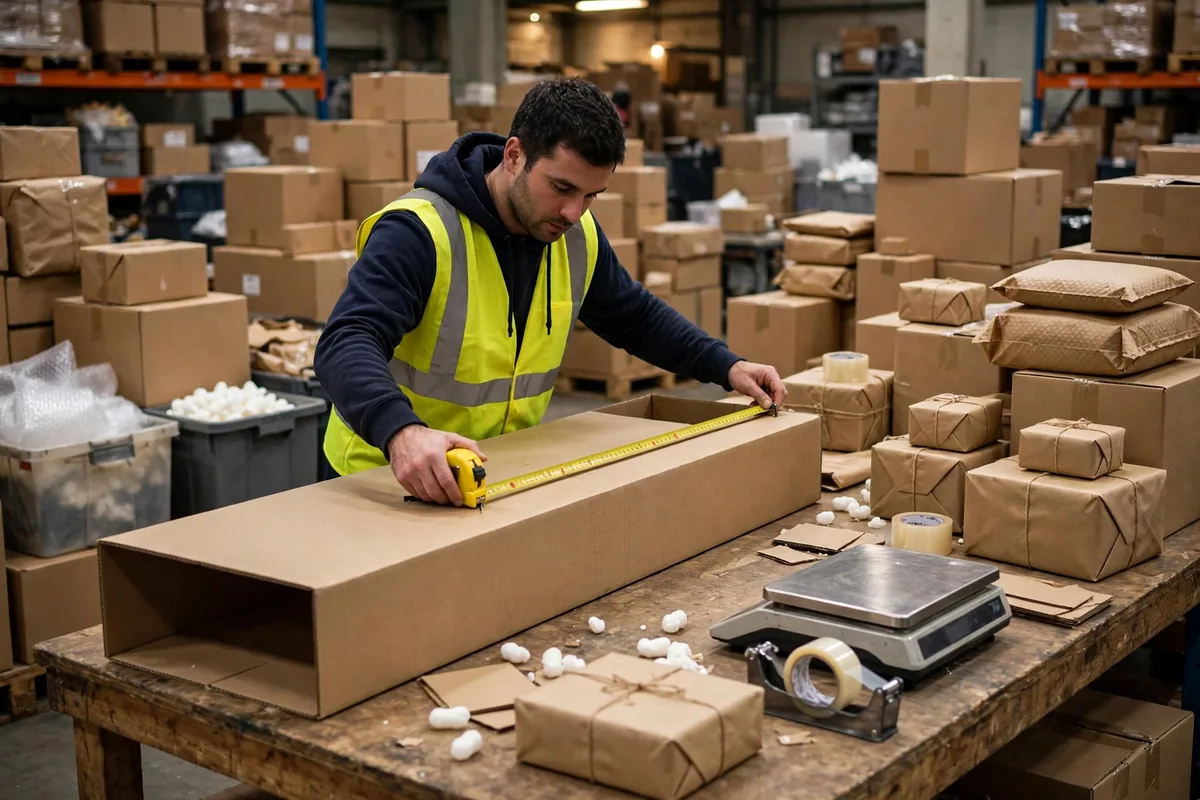
We small warehouses can't afford to burn money like that, so I didn't even rent a proper cross-dock at first. I split a space with a wholesaler friend: he used it during the day, I used it early morning and evening, and we split the rent. A scrappy workaround, but the math worked. Only when the order volume grew did I rent a small place of my own. In Dar es Salaam urban warehouse distribution, a cross-dock isn't a showpiece. For a small warehouse, it's how you stay alive.
The Last Mile: Many Small-Van Trips Beat One Big-Truck Run
The last mile runs on three rules, and traffic forced every one of them on me.
Rule one: dodge the peaks. In the morning and evening rush, the main roads are parking lots. Delivery vans either get into town before the morning peak or wait until it's over. Midday the roads actually move, so that's when you squeeze in an extra round. A schedule should say less about when the van leaves and more about when it must be back at the cross-dock.
Rule two: consolidate by zone, not by time. Orders come in at all hours, but the vans can't chase order times all over the city. Orders gather at the cross-dock, get grouped by zone, and go out when a van is full. One van for the Kariakoo market area, one for the downtown offices, one for the residential districts to the east — each running its own patch, nobody taking detours. Is it cheaper to make a customer wait half a day, or to make a driver drive two extra hours? Do the math and you know.
Rule three: keep a backup plan. In the rainy season here, a downpour can arrive out of nowhere, and a main road can end up under ankle-deep water. Port inspections and road works show up unannounced too. A delivery plan with no backup route and no backup time slot falls apart the first time something unexpected happens. I keep one spare small van and one spare driver every day. An idle van is a cost, sure — but it's a cheap one next to a whole day of failed deliveries.
Here's the counterintuitive part about Dar es Salaam urban warehouse distribution: being near the port doesn't mean delivering fast. Plenty of people assume that renting a warehouse next to the port wins the game, and then their big trucks leave the port every morning and sit in the traffic on the roads into town. What's the point of being close? What really decides delivery time is when your freight can get through those few main roads. Warehouse location matters, but the rhythm of the cross-dock matters more.
Small warehouses have their own way of surviving. Big companies compete on the size of the warehouse. We compete on understanding the traffic: knowing which road is passable at which hour, knowing where to split the freight to save the most, knowing that two extra small-van trips beat one stubborn big-truck run. This city won't clear a path for anyone, but once you learn its temper, even a small warehouse can get the freight to the customer on time.
By Xiao Ma, Small Warehouse Owner