Let me tell you something. After fifteen years behind the wheel, I've learned that a lot of freight doesn't get damaged on the road. It gets killed by the box it rides in.
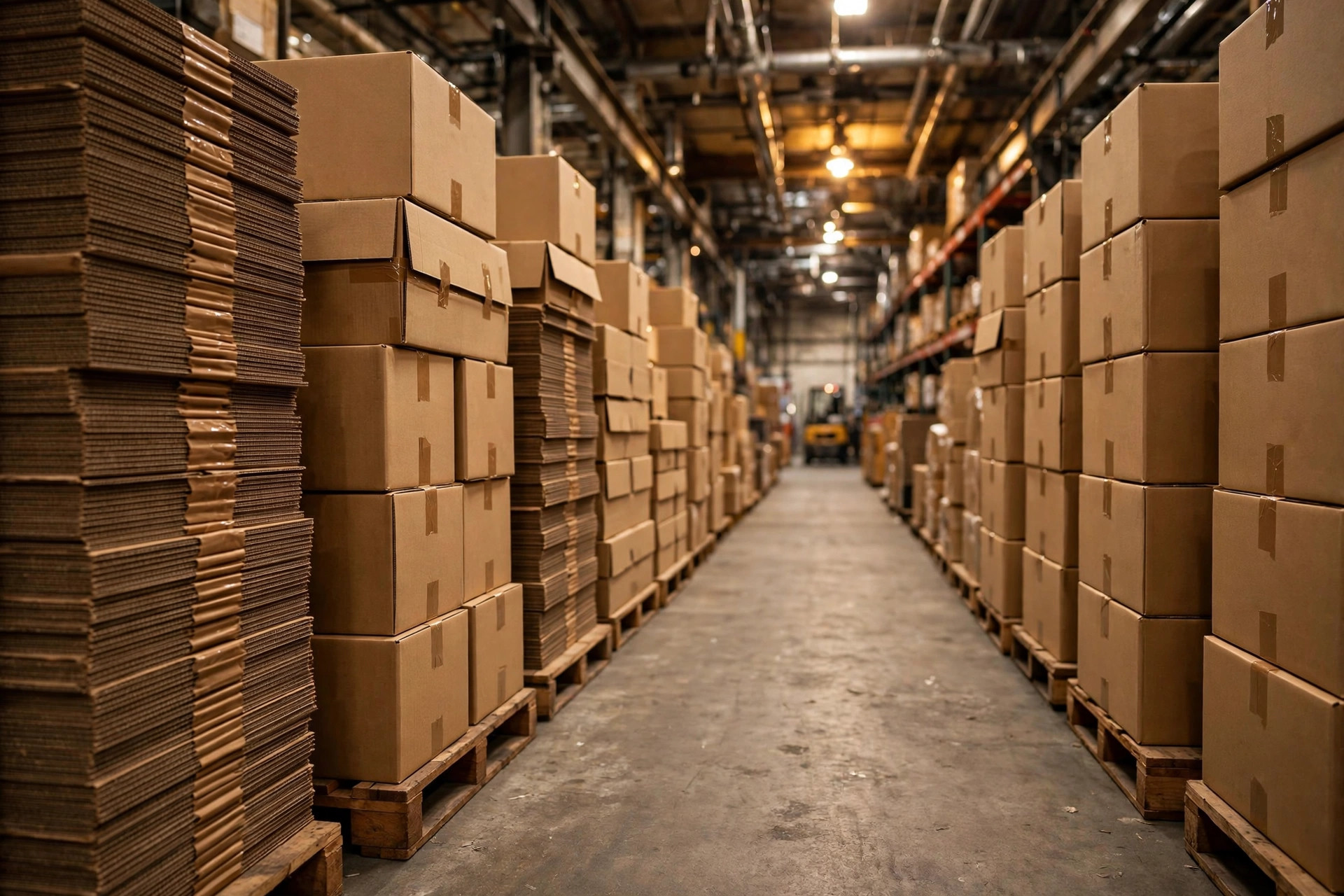
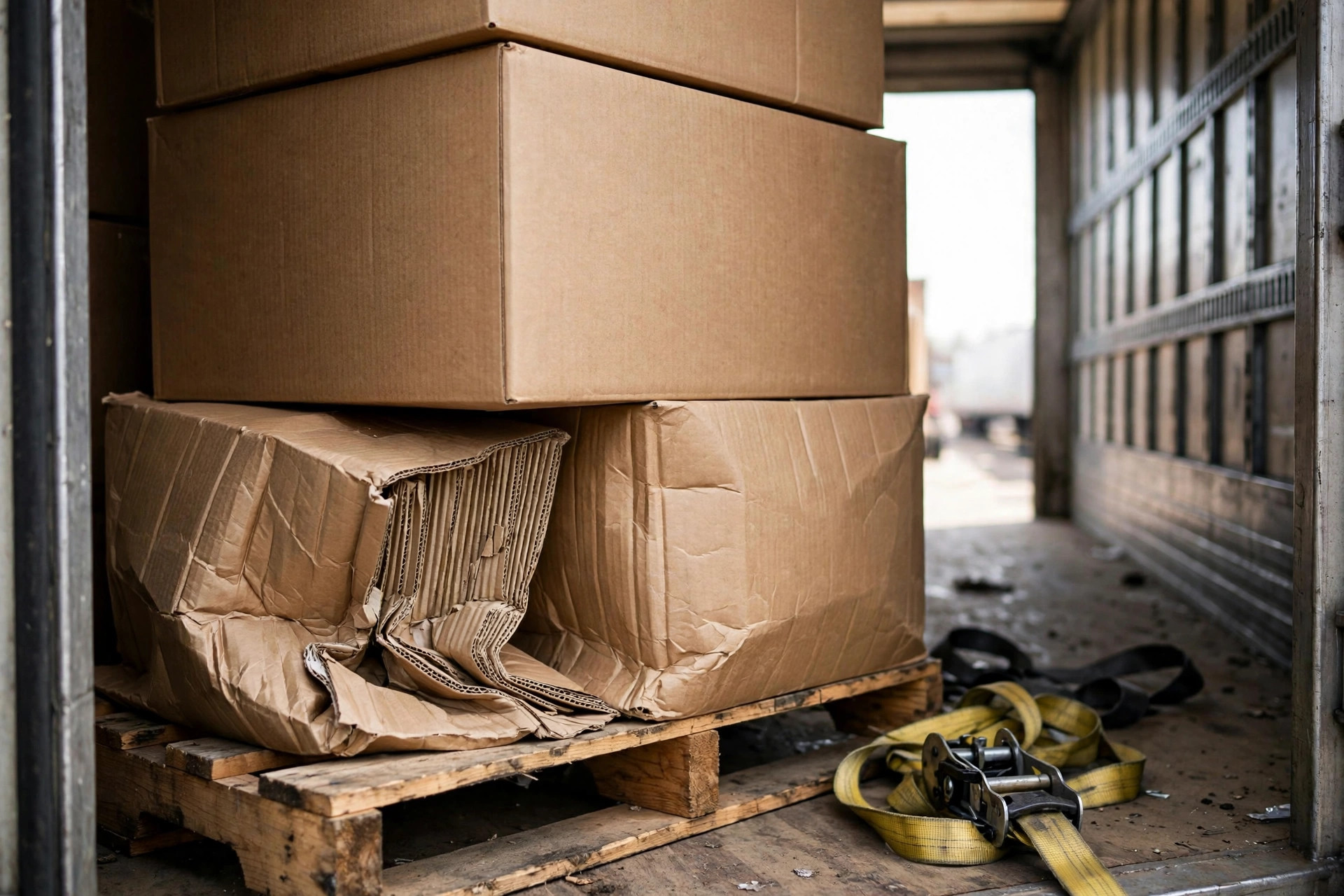
Last July I picked up a load in Dallas, Texas. The shipper was a decent guy selling small appliances — just cheap in exactly the wrong place. Each carton weighed about 55 pounds, packed in the thinnest 32 ECT boxes you've ever seen. He stacked them five high on the pallet, thirty cartons, a little brown mountain. When we opened the trailer doors at the customer's warehouse, the entire bottom layer had caved in. Corners rounded off, cartons buckled, and a few appliance housings inside were cracked. The customer refused the load on the spot. The shipper looked at me like it was my braking. I told him straight: brother, this had nothing to do with my brakes. Those boxes were doomed the moment they left your dock.
Why am I so sure? Because box strength is arithmetic, not luck.
What ECT Actually Means: Stop Judging a Box by Its Thickness
Most shippers pick boxes one way: squeeze the wall, and if it feels thick, it must be strong. I'm telling you, that trick fails more often than it works. What matters isn't thickness — it's a number called ECT, the Edge Crush Test rating. In plain terms, you stand a piece of the board on its edge and crush it, and the number tells you how many pounds per inch of edge it can take before it buckles. 32 ECT means 32 pounds per inch. 44 ECT means 44.
Here's how that number connects to your freight. The industry rule of thumb goes like this: a 32 ECT carton can handle roughly 65 pounds of stacking load — and I mean load pressing down on it, not the weight of what's inside it. A 44 ECT carton handles roughly 95 pounds.
That distinction is the whole game, and it's the one most people miss. The bottom box on a pallet carries the weight of every box above it. That Dallas shipper had 55-pound cartons stacked five high. Each bottom carton was holding up four layers above it — 220 pounds of crush load pressing down on a box rated for about 65. Of course it collapsed. If he'd done the math first, he'd have seen it: with 55-pound cartons in 32 ECT, you stack two high at most (55 pounds of load on the bottom box, just barely covered). Want five high? At 220 pounds of bottom load, you need double-wall board, full stop.
The packaging industry has a classic formula for this — it takes the ECT value, the board thickness, and the box perimeter and spits out how much the box can carry. You don't need to memorize it. Just remember the takeaway: ECT rating, stack height, and per-carton weight move together. Change one, and the other two have to follow.
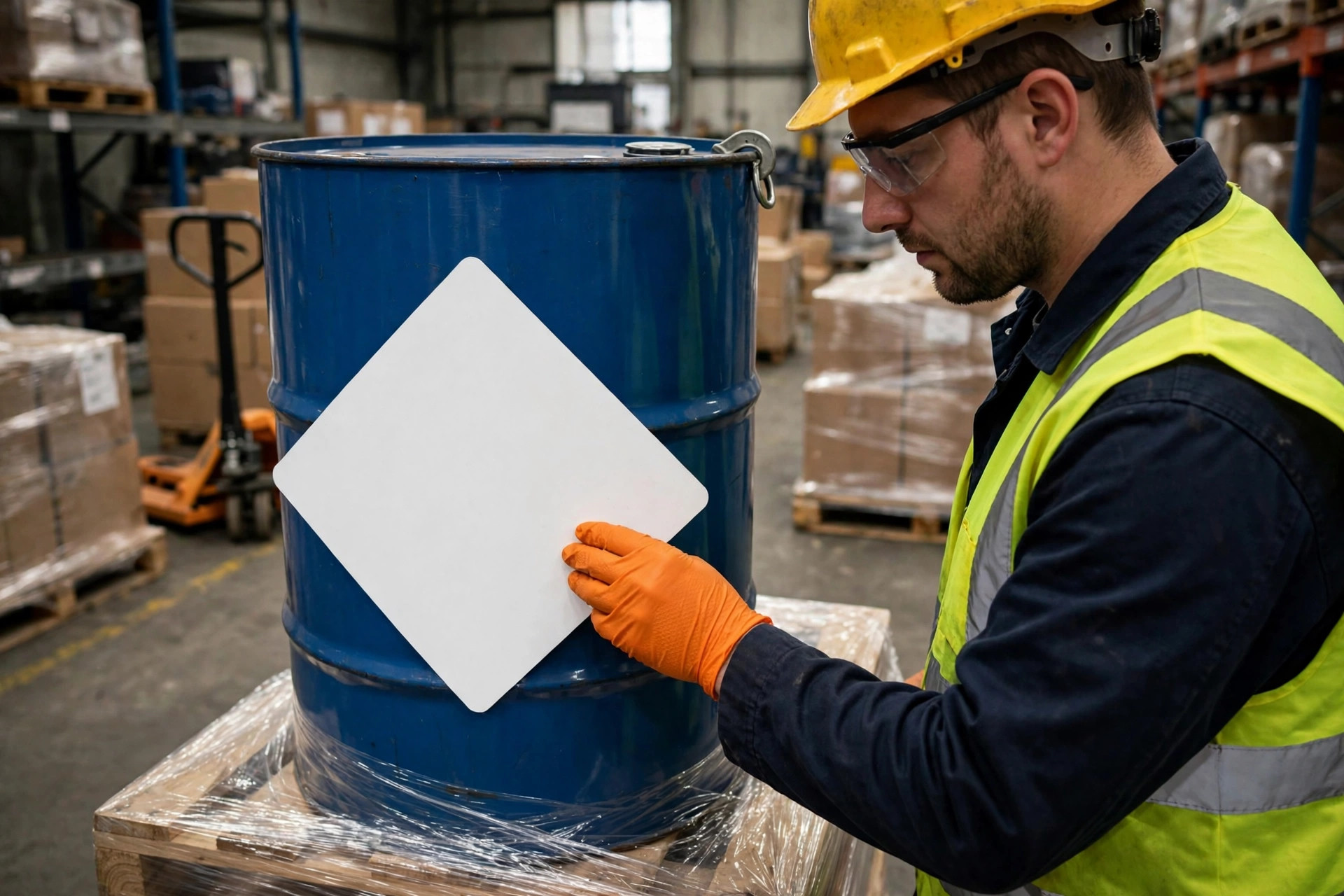
One more thing worth knowing: look at the bottom flap of any decent shipping box and you'll find a small printed square — the box maker's certificate. It lists the ECT rating and the maximum load. That's the box manufacturer's signed confession. It matters enormously when claims get ugly, which I'll get to.
32, 44, or Double-Wall: A Straightforward Comparison
Fifteen years of hauling has taught me to keep this simple. Here's the table I wish every shipper taped to their warehouse wall:
| Box type | Stacking load per carton (approx.) | Best for | Stacking guidance |
|---|---|---|---|
| 32 ECT (single-wall) | 65 lbs | Light freight: apparel, household goods, small parcels under 20 lbs per carton | 3 high max — do the bottom-load math first |
| 44 ECT (single-wall) | 95 lbs | Medium freight: small appliances, hardware, 30–40 lbs per carton | 3–4 high, depending on carton weight |
| 48 ECT (double-wall) | 80–120 lbs | Heavy freight: machine parts, liquids, ocean export | 4–5 high, the go-to for long hauls |
Three caveats. First, "approx." is doing real work in that table — board quality varies between manufacturers, so trust the certificate printed on the box, not the sales pitch. Second, double-wall means two layers of fluted medium: stronger against crush and puncture, and pricier — typically a good 30 to 50 percent more than single-wall, depending on the market. Third, 32 ECT is the economy workhorse and 44 is the heavy-duty step up. Using 32 where the job calls for 44 is exactly the tuition that Dallas shipper paid.
Now, humidity — the silent killer nobody budgets for. Back in the fall of 2024 I hauled a load out of Florida where the cartons sat in a trailer for three days of heat and humidity. By delivery time the boxes felt soft to the touch, and the bottom layer had slumped. Corrugated board hates moisture. The industry's working wisdom is that long exposure to high humidity can cut a box's strength in half, sometimes worse. So for ocean freight, rainy season, or anything moving in and out of cold storage, step your ECT up one grade — or wrap the pallet and throw in desiccant. Don't flinch at the cost of stretch film. One collapsed pallet costs more than a truckload of the stuff.
The Counterintuitive Part: A Thicker Box Doesn't Always Save You Money
Here's the judgment call that surprises people: blindly upgrading to thicker boxes can be the most expensive of the three mistakes you can make.
First, wrong direction, wasted money. ECT measures edge crush strength, not thickness. Some thick-flute boxes are made with cheap fiber and weak glue bonds, and their ECT rating comes in lower than a well-made thinner 44 ECT box. It feels sturdy in your hand. It still caves in the stack. You paid extra for peace of mind and got nothing.
Second, over-packaging eats your freight budget. Thicker boxes mean bigger, heavier cartons. When you're shipping LTL or parcel and the carrier bills on dimensional weight, every extra inch of box size pushes the rate up. Run the numbers across tens of thousands of shipments a year and the "safer" box quietly costs more than the damage it was supposed to prevent.
Third, the real savings are in "just enough." Do the math I showed you — carton weight times the layers above it equals bottom load — and pick the ECT grade that covers it, no more. Take what you saved and spend it on good packing tape and stretch wrap. I'm telling you, most crush failures I've seen trace back to a pallet that was never wrapped, not to a box that was too thin. A properly wrapped pallet locks the cartons together so they share the load, and the whole stack gets dramatically stronger. That's money better spent than a thicker box, every time.
Practical Advice for Shippers and Warehouse Folks
Road stories told, lesson explained. Here's what you can actually use:
- Do the math before you buy boxes. Carton weight, stack height, bottom load — pick your ECT grade off the table above. This one step prevents most disasters.
- Read the box maker's certificate. When boxes arrive, flip one over and check that printed square. ECT rating and max load are right there. If they don't match what you ordered, that's a conversation with your box supplier.
- Humid conditions get an automatic upgrade. Ocean, rainy season, cold storage — go one ECT grade higher, and don't skip the stretch wrap.
- In a damage claim, check the certificate before you argue. This is the big one. When a load arrives crushed, step one is the certificate: if the actual stacking exceeded the rated load, the fault sits with whoever planned the stacking — the shipper or the warehouse. If the stacking was within rating and the box still failed, that's on the box maker. On that Dallas load, the certificate plainly said 65 pounds max, and the shipper had loaded 220 pounds onto the bottom boxes. He tried to pin it on me; I sent him a photo of the certificate and never heard another word. In a freight claim, the ECT rating is hard evidence, not an opening bid for an argument.
- Don't get greedy with stack height. One more layer saves a pallet position in freight cost. One collapsed pallet wipes out ten of those savings. Do the math that way.
I'll leave you with an old saying from the road: use good steel on the blade's edge. With boxes, don't fear spending money — fear spending it in the wrong place. Run the numbers first, then order.
By Shifu Zhao, Trucking Veteran (15 yrs)