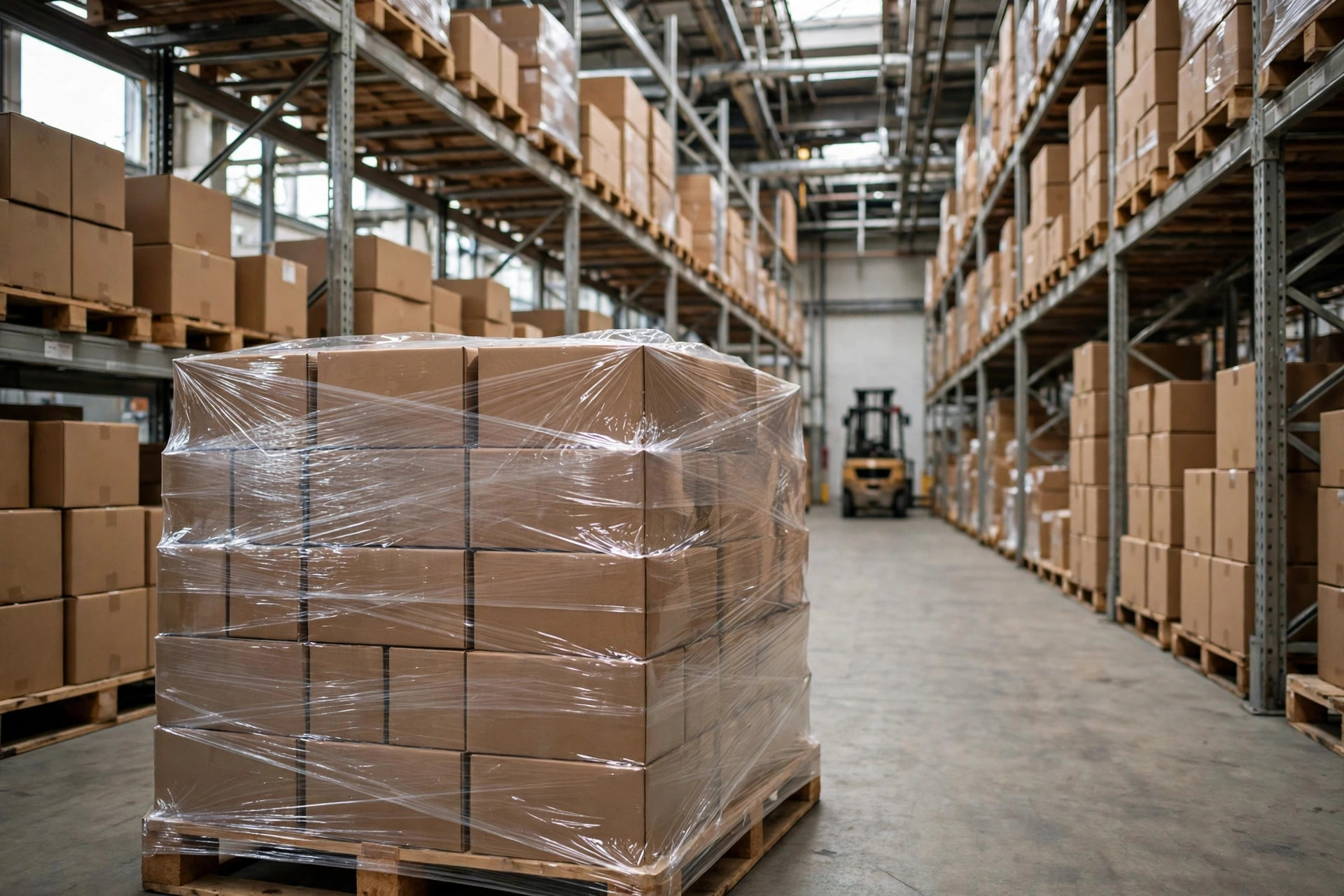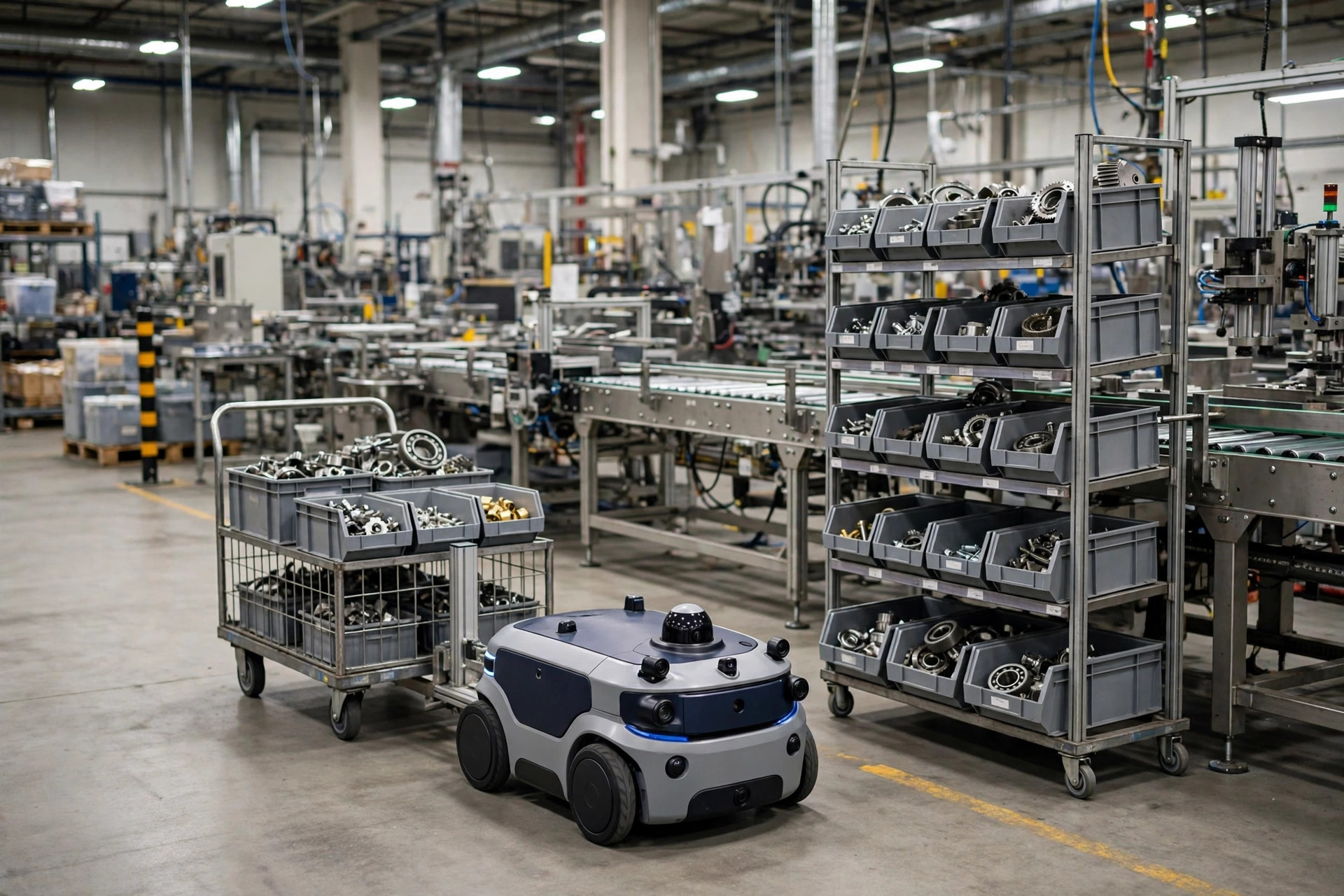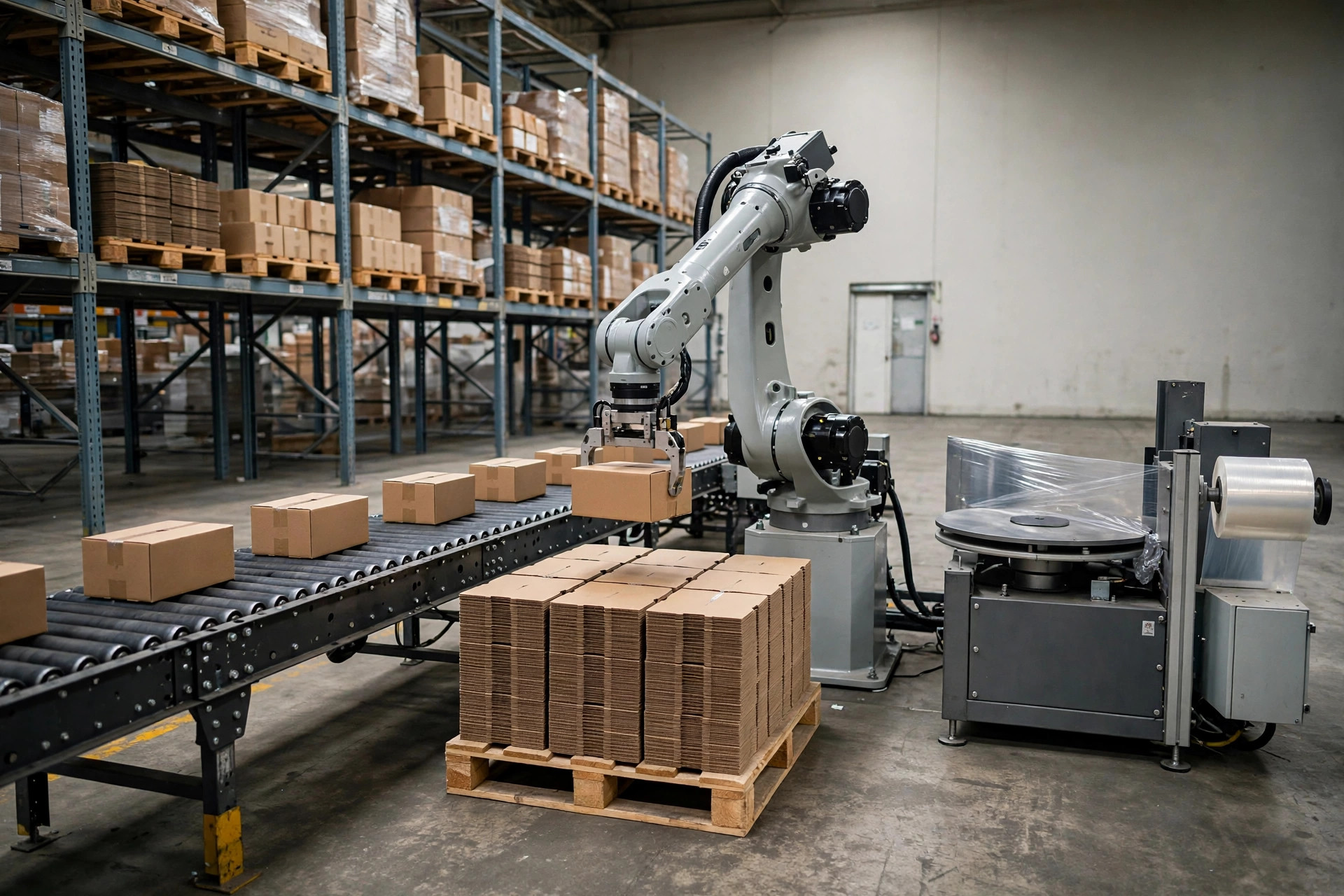
Palletizing robot selection starts with three questions, not a spec sheet: how many pallets a day, how many SKUs, and how often do carton sizes change? If you can't answer those, you'll buy the wrong robot no matter how good the demo looked.
Let me be blunt: when a palletizing robot purchase goes wrong, nine times out of ten the robot isn't the problem. The buyer never got clear on their own freight. Articulated arms are flexible, gantries are steady, collaborative robots save floor space, and each path carries a price. I've seen too many warehouses spend the money, watch the line barely speed up, and end up with an expensive robot standing idle while people keep stacking by hand next to it.
Palletizing Robot Selection: A Costly Lesson in Changeovers
In 2023, a 3PL warehouse in Ontario, California that handled e-commerce fulfillment came to me. They had just installed an articulated-arm palletizing robot. The logic seemed sound: lots of SKUs, so buy the flexible robot that can handle any carton. Two months in, throughput was down, not up.
The problem wasn't the robot. It was the freight. That warehouse handled dozens of SKUs a day, cartons ranging from shoebox size to large appliance boxes, and the pallet pattern changed a dozen times or more per day. Every changeover meant re-teaching points, adjusting grip positions, and test-stacking a layer to make sure it wouldn't topple. A single changeover ate anywhere from ten minutes to half an hour. Multiply that by a dozen changeovers a day, and the robot spent a large chunk of its shift waiting on people and adjustments. Real palletizing time got squeezed out.
Mixed-SKU pallets made it worse. Several carton types on one pallet meant the pattern had to be figured out on the spot, but the arm's program was written for fixed patterns. The programmer spent weeks patching code for every new combination. In the end, the warehouse fell back on a crude workaround: split mixed orders apart and palletize each SKU separately. Pallet count went up, pallets piled up all over the floor, and outbound needed an extra consolidation step. This is the two-sided truth about articulated arms: yes, they're flexible, but flexibility means every change needs a human to babysit the machine. The messier your freight, the higher the babysitting bill.
Palletizing Robot Selection: When Boring Freight Wins
In 2024, a warehouse in the Inland Empire supplying a retail chain had the opposite profile: gloriously boring freight. Roughly ten SKUs all year, carton sizes basically fixed, several hundred pallets a day, nearly all full-pallet outbound. They went with a gantry palletizer.
A gantry looks clumsy. It eats floor space and changeovers are slow. But for this warehouse, every one of those weaknesses landed where it didn't hurt. Freight that never changes means slow changeovers barely happen. A big owned building means the gantry's footprint, spread across each pallet's cost, is close to negligible. What they got in return was real: a simple structure, few failure points, and a line that kept running unattended through the night shift, pallet counts steady as clockwork.
The gantry didn't win because it was more advanced. It won because it matched the freight. Selection is never about buying the "best" machine. It's about buying the machine that fits your freight.
Articulated vs. Gantry vs. Collaborative: The Trade-offs in One Table
| Factor | Articulated Arm | Gantry | Collaborative |
|---|---|---|---|
| Flexibility | High, handles varied patterns and inbound angles | Low, built for fixed patterns and fixed carton sizes | Medium, handy for light, small-batch work |
| Footprint | Moderate, robot plus safety fencing | Large, the frame span eats floor space | Small, often no fencing, can sit right beside a manual line |
| Changeover | Re-teaching and reprogramming, more freight variety means more labor | Painful each time, but rare when freight is fixed | Quick and light, but only suits light cartons and modest cycle rates |
| Load and Speed | Medium-to-high load, cycle rate follows the freight | High load, steady at high volume | Both load and speed run light, don't count on it for heavy cases |
| Integration with Conveyors and Wrappers | Easy to connect, flexible layout | Easy to connect, but don't plan on moving it once installed | Easy to connect, good for squeezing into an existing manual line |
| Best Fit | Many SKUs, changing carton sizes, tight floor space | Few SKUs, high volume, full-pallet outbound | Light cartons, small batches, pilot-then-expand |
One line on grippers, and that's it: suction cups versus clamps comes down to your carton surface and carton weight, and that's covered in a dedicated article elsewhere. This piece is about the robot body itself.
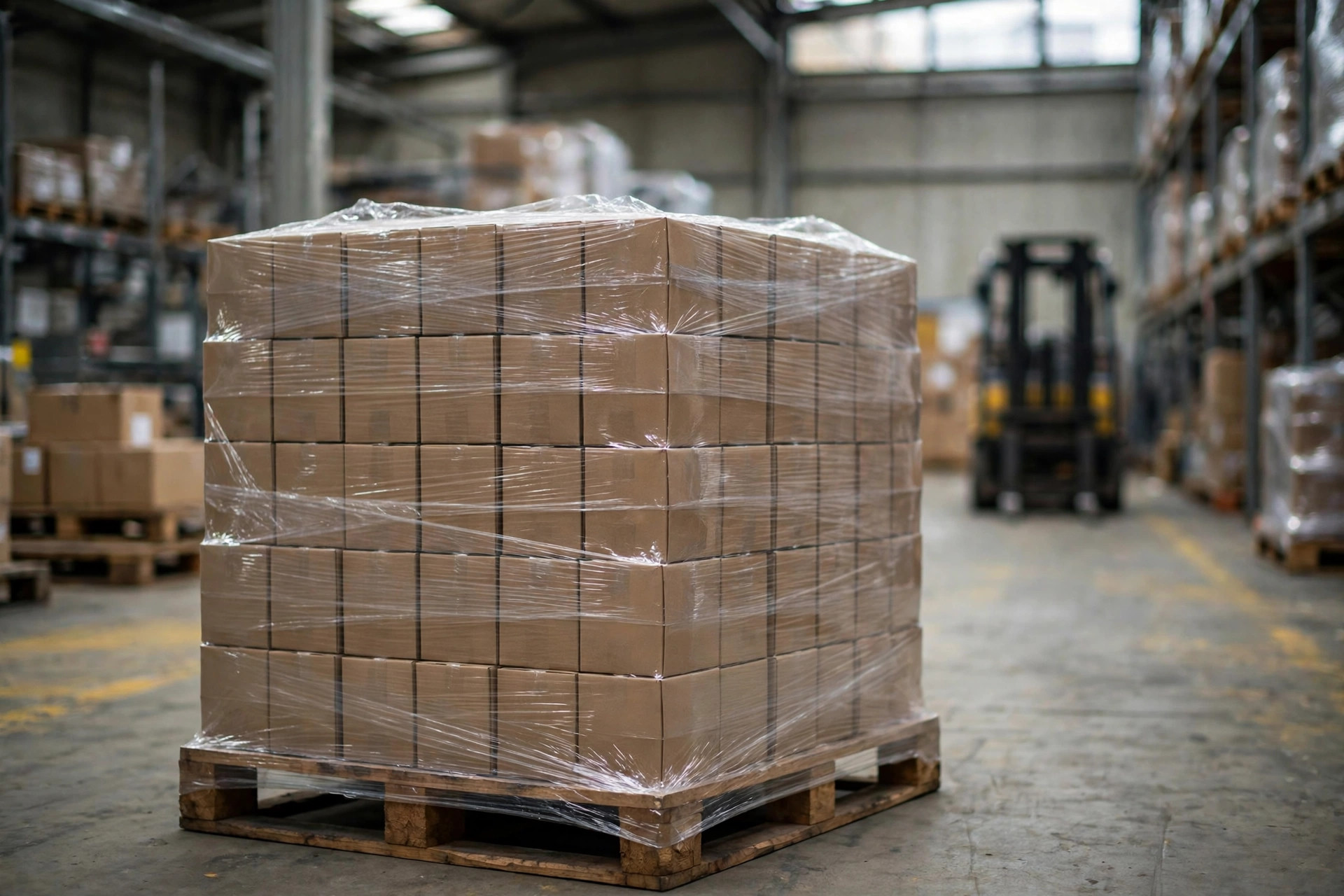
Doing the Math on Palletizing
Most ROI math on palletizing counts one thing: what the robot costs, how many people it replaces, how many months to payback. That calculation leaves out three items, and all three are real money.
First, changeover time. Take your SKU count and daily changeover frequency, multiply by the downtime per changeover, and convert it into pallets you didn't stack. At that Ontario warehouse, the capacity lost to changeovers cost more than the labor the robot saved. The messier your freight, the bigger you should make this number.
Second, integration cost. The robot body is only one part of a palletizing line. Does the inbound conveyor need rework? How does a finished pallet get to the stretch wrapper, by forklift or by automatic conveyor? Do safety fencing, e-stops, and light curtains need redoing? That surrounding work often makes up a substantial share of total project spend, and it's exactly what gets overlooked on a quote.
Third, maintenance and downtime. A gantry is structurally simple with few things to break. An articulated arm has more joints and more service points. Whether the line can run an unattended night shift directly decides how many extra productive palletizing hours you get per day. Put annual maintenance and estimated downtime losses into the calculation. Don't just count the purchase price.
Here's the counterintuitive part: the fastest cycle rate on paper is often not the cheapest option in practice. An articulated arm may post an impressive rated speed, but if your freight changes patterns constantly, its effective throughput can come in below a slow, steady gantry. The number that matters is pallets actually stacked per day, not cases per minute on a spec sheet.
So my decision framework is three steps. Step one: pick the route by freight profile, few SKUs and high volume points to gantry, many SKUs and frequent changes point to articulated, light cartons and small batches start with a collaborative pilot. Step two: run the full cost math with changeover frequency and integration rework included, filling in the three gaps above. Step three: leave yourself room, build in interfaces for two years of volume growth, and don't weld the line into a shape you can't change. Warehouse freight changes. Ten SKUs today can be thirty next year. Leaving room for change at selection time matters more than squeezing every last cent out of the calculation.
One last question: is your freight boring, or is it messy? Get that answer right, and you've already won most of the selection battle.
By Lao Mi, Supply Chain Veteran (20 yrs)